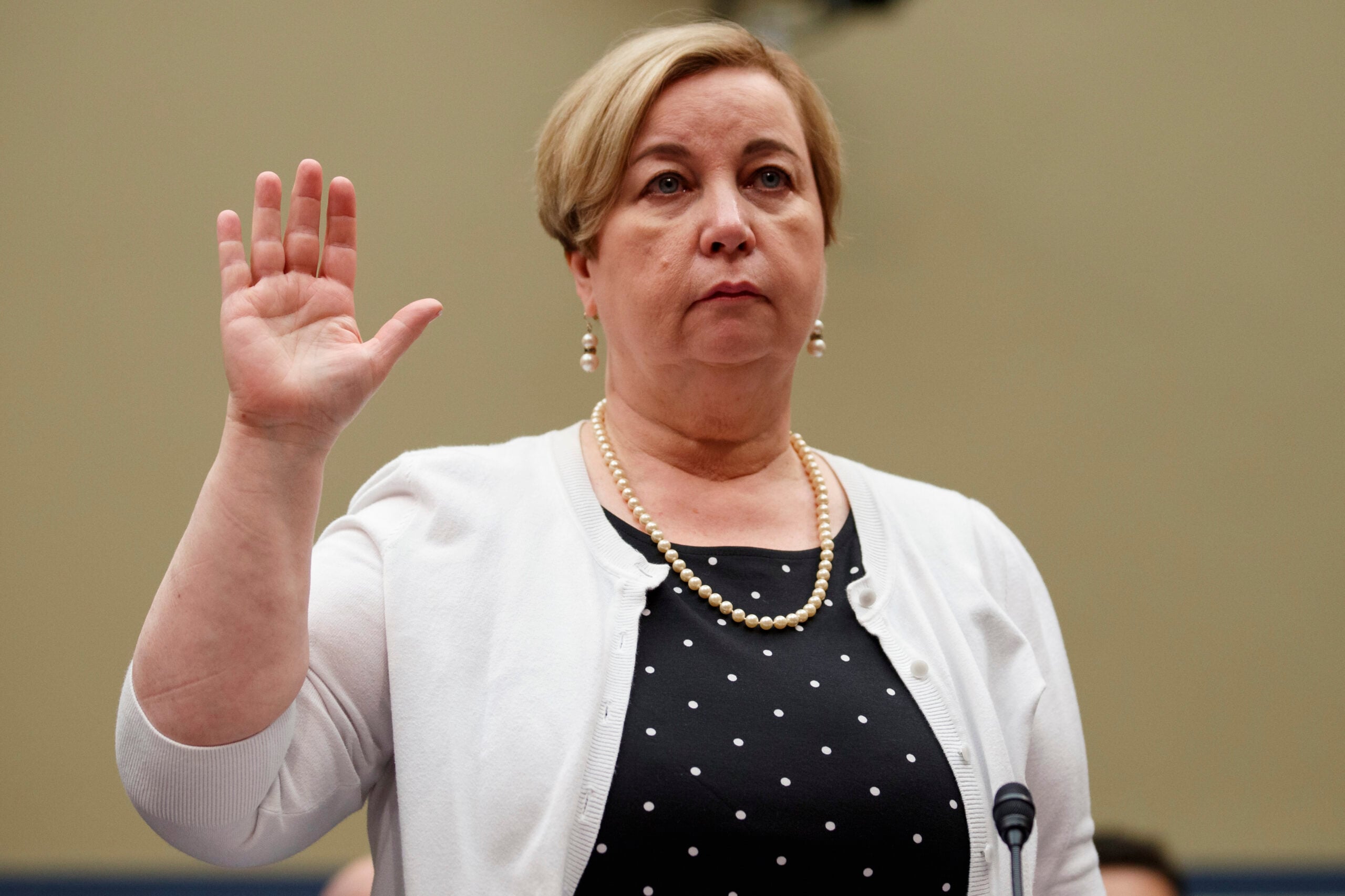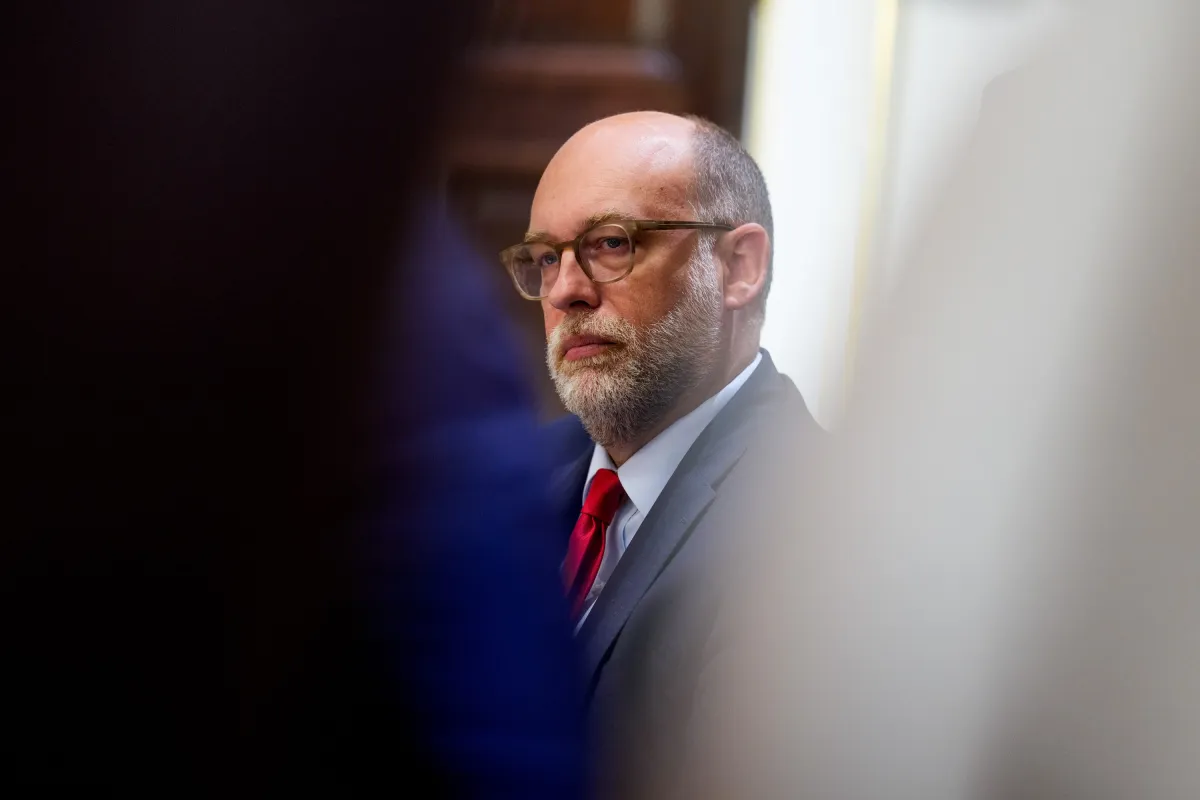
Democracy Docket reports that complaints have been filed against the U.S. Election Assistance Commission, alleging partisan comments by Commissioner Christy McCormick and concerns over the decertification process of voting systems, raising questions about potential violations of federal rules and the influence of political motives on election security procedures.
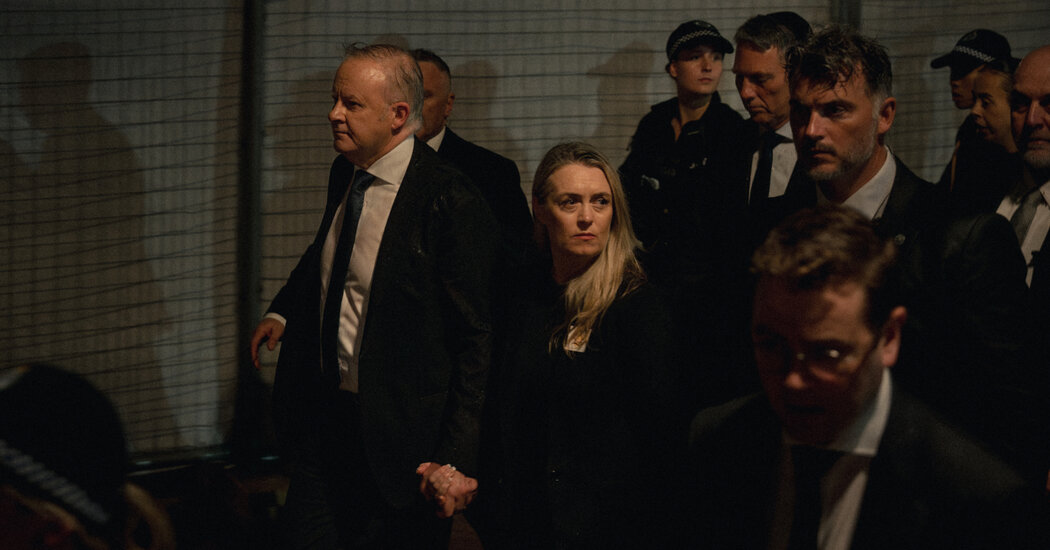
Following a terror attack at Bondi Beach, Australia initially showed signs of national unity, but political divisions quickly resurfaced as partisanship overshadowed the collective response.
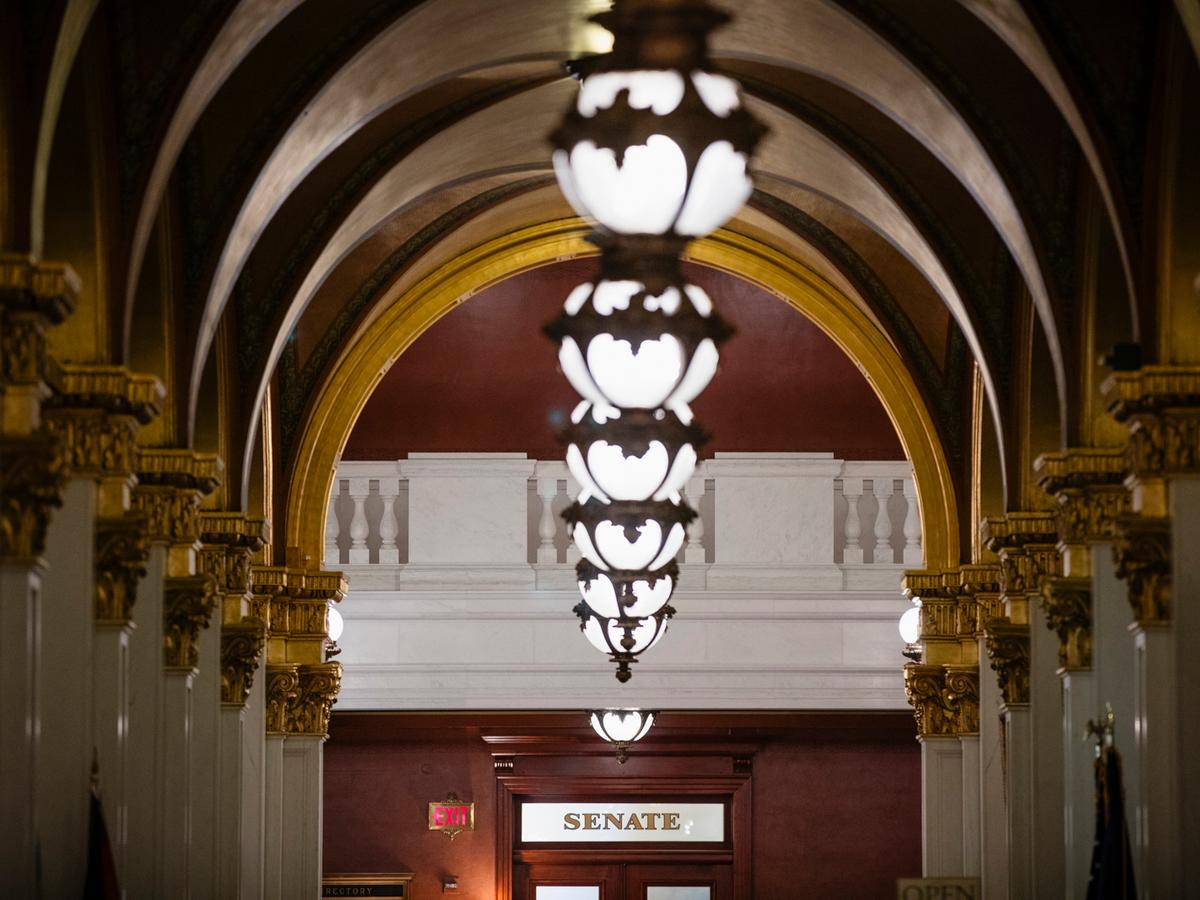
Pennsylvania's legislative session is among the least productive in a decade, with only 65 bills passed due to partisanship, split government, and leadership issues, despite the full-time legislature and high salaries of lawmakers.
Americans are increasingly concerned about political violence, with Democrats more likely than Republicans to believe violence will rise, influenced by negative views of institutions and partisanship. Many Americans feel hesitant to share their political views publicly, and partisanship is often cited as a reason for recent political violence, highlighting deep divisions in the country.
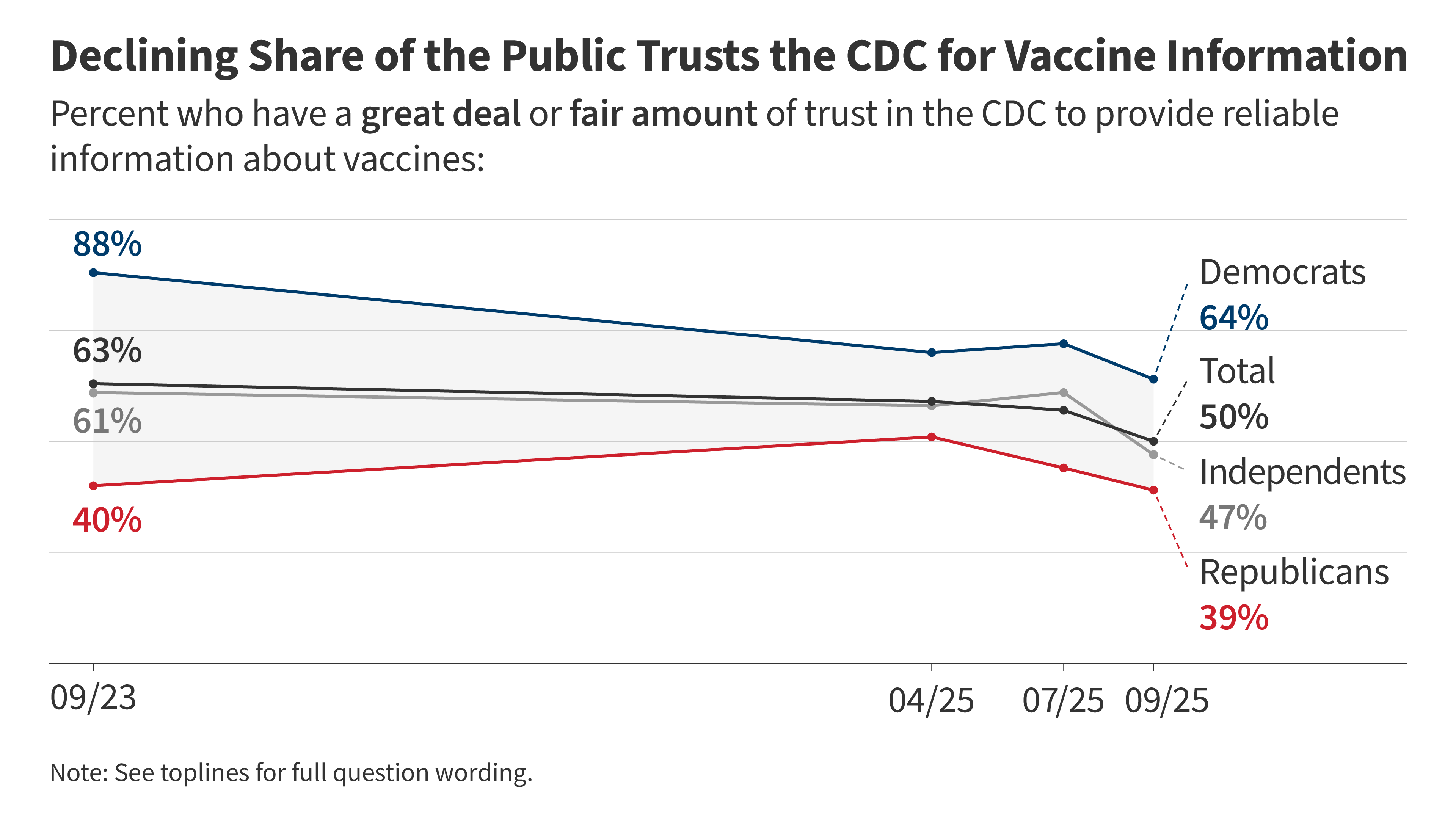
A recent KFF poll reveals that 77% of adults have heard the unproven claim that Tylenol during pregnancy increases autism risk, with most uncertain about its validity, and highlights declining trust in health authorities like the CDC, with partisan divides influencing perceptions of vaccine policies and trustworthiness of information sources.
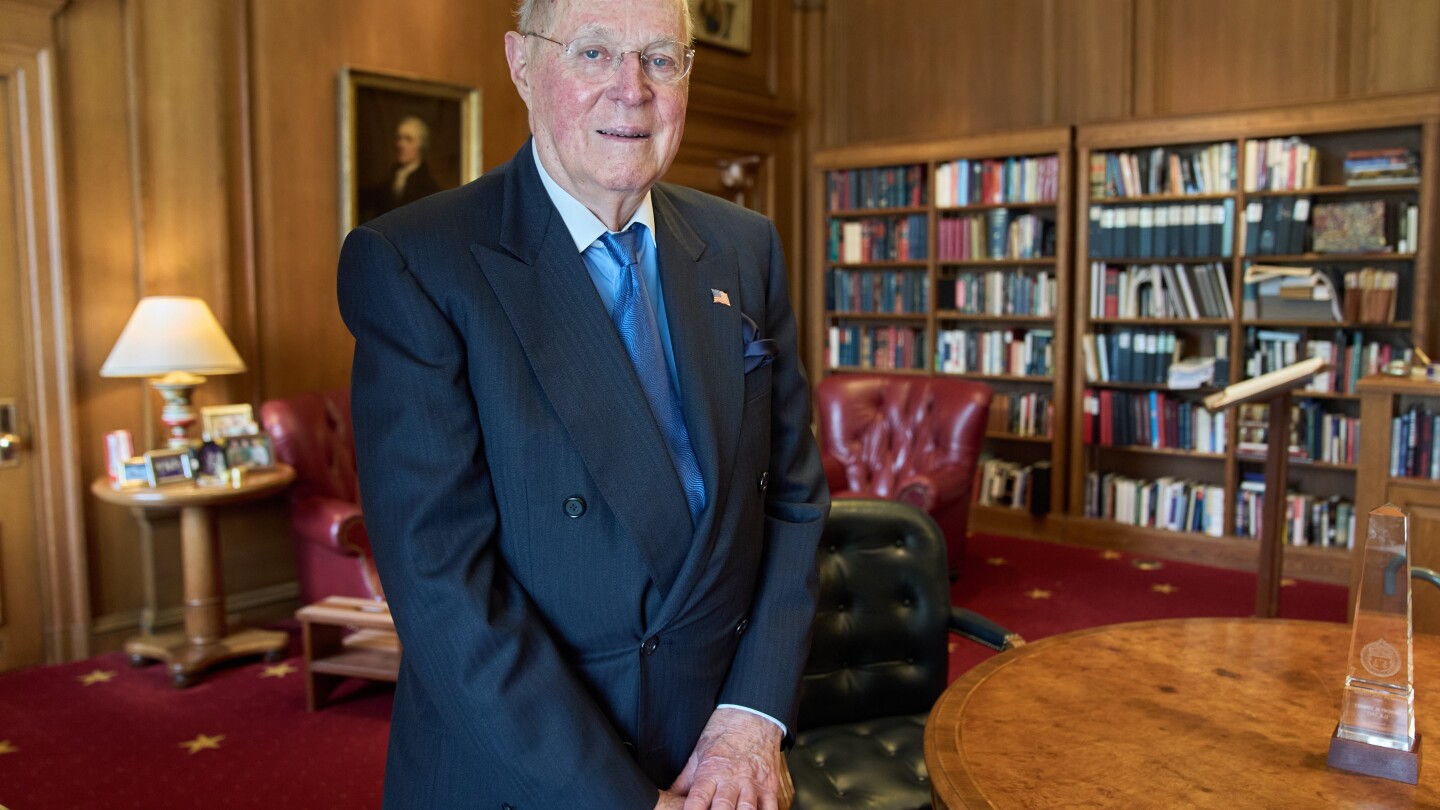
Retired Supreme Court Justice Anthony Kennedy expressed concern over increasing partisanship and vulgar discourse in American politics, including within the judiciary, and reflected on his career, the impact of recent court decisions, and his views on President Trump and the future of the country.
The deployment of troops to U.S. states by the federal government has intensified tensions between Trump and Democratic governors, with Democrats condemning the actions as an abuse of power and a threat to state sovereignty, leading to increased partisan conflict and legal challenges.
The Department of Energy canceled $7.56 billion in clean energy projects, primarily affecting states that voted for Kamala Harris in the last election, including major projects in hydrogen hubs and direct air capture, amid political and partisan tensions.
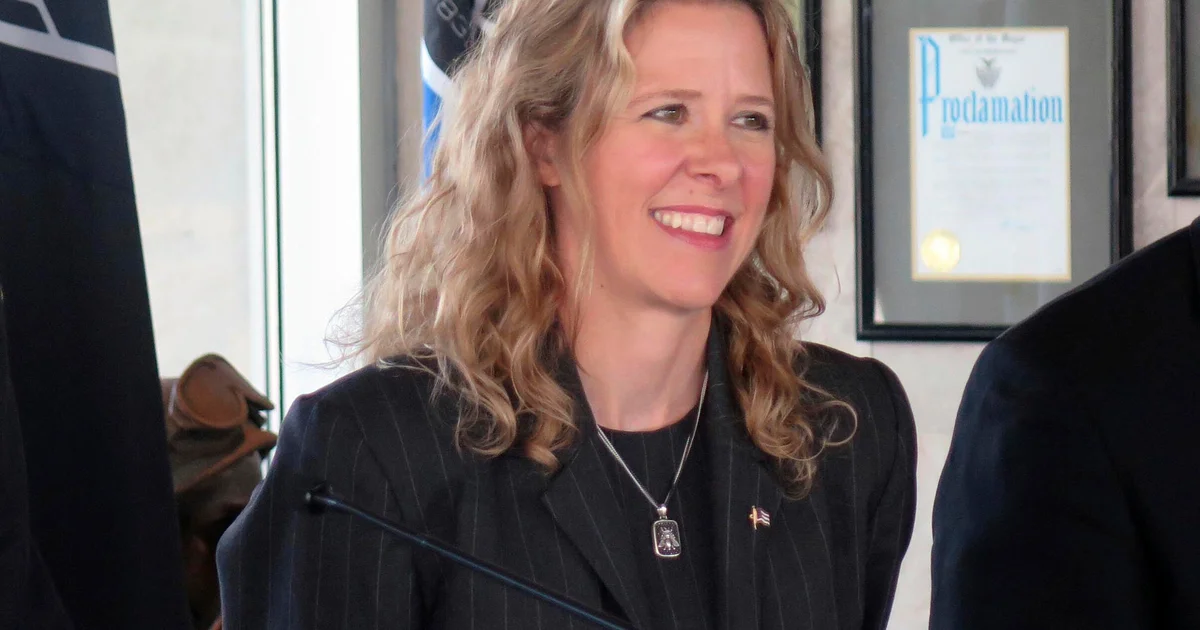
Conservative Wisconsin Supreme Court Justice Rebecca Bradley announced she will not seek reelection, citing concerns over increasing partisanship and a shift away from principled judicial service, as the court's liberal majority continues to influence key legal issues in the state.
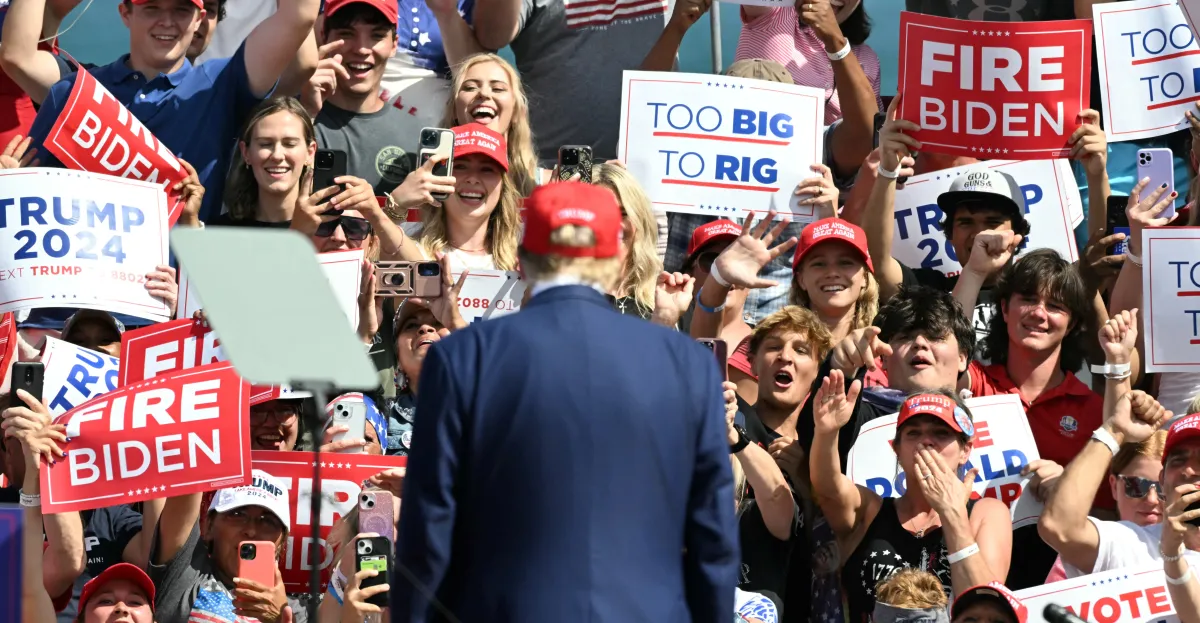
Support for Trump among Gen Z voters has declined significantly, but they remain more Republican than previous young generations, with a growing number identifying as independents and feeling unmoored from traditional party loyalties. This shift suggests a more volatile and less predictable young electorate, posing challenges for both parties in future elections.
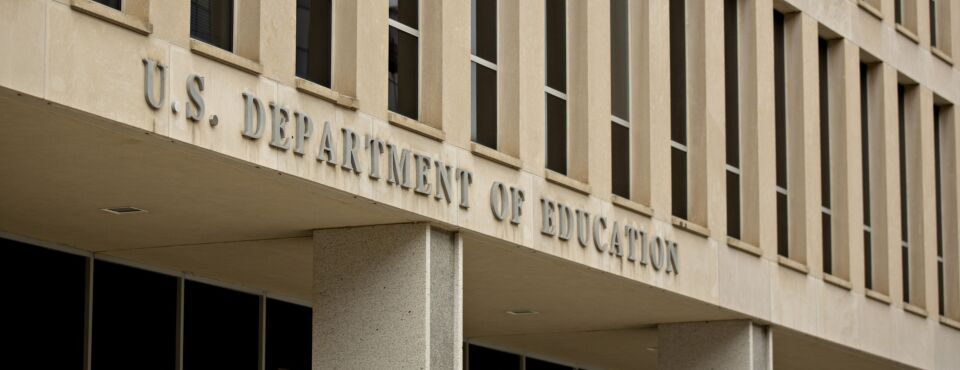
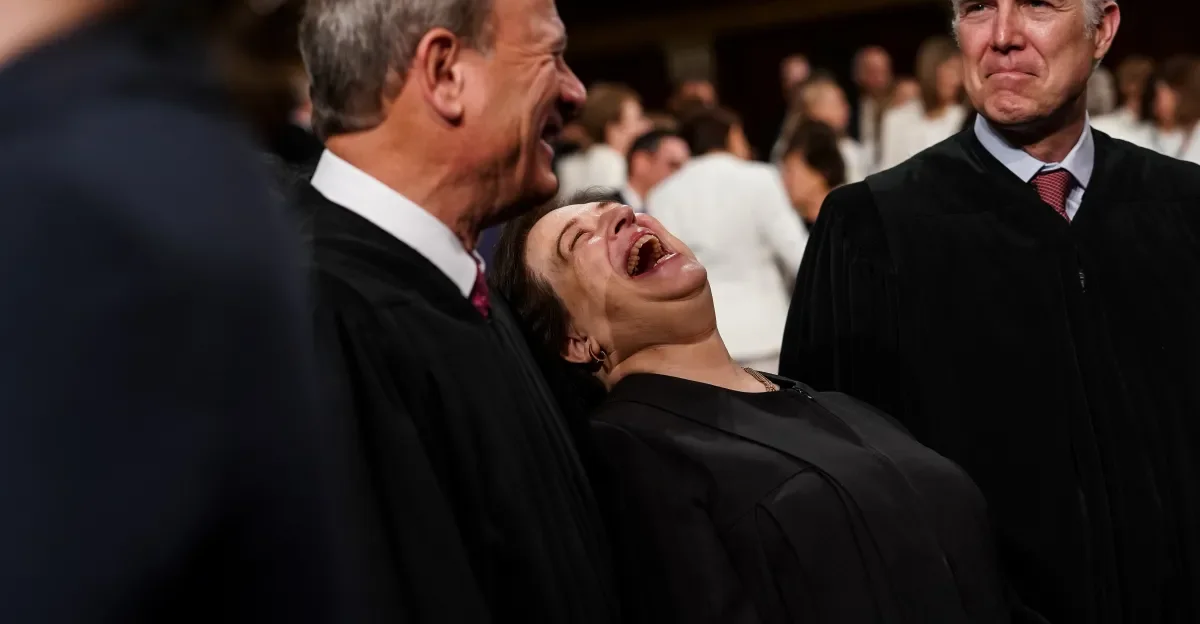
The US Supreme Court is facing criticism for its unexplained and seemingly partisan rulings favoring Donald Trump, including allowing him to dismantle the Education Department and blocking Biden's student loan relief, raising concerns about inconsistent judicial reasoning and potential bias.
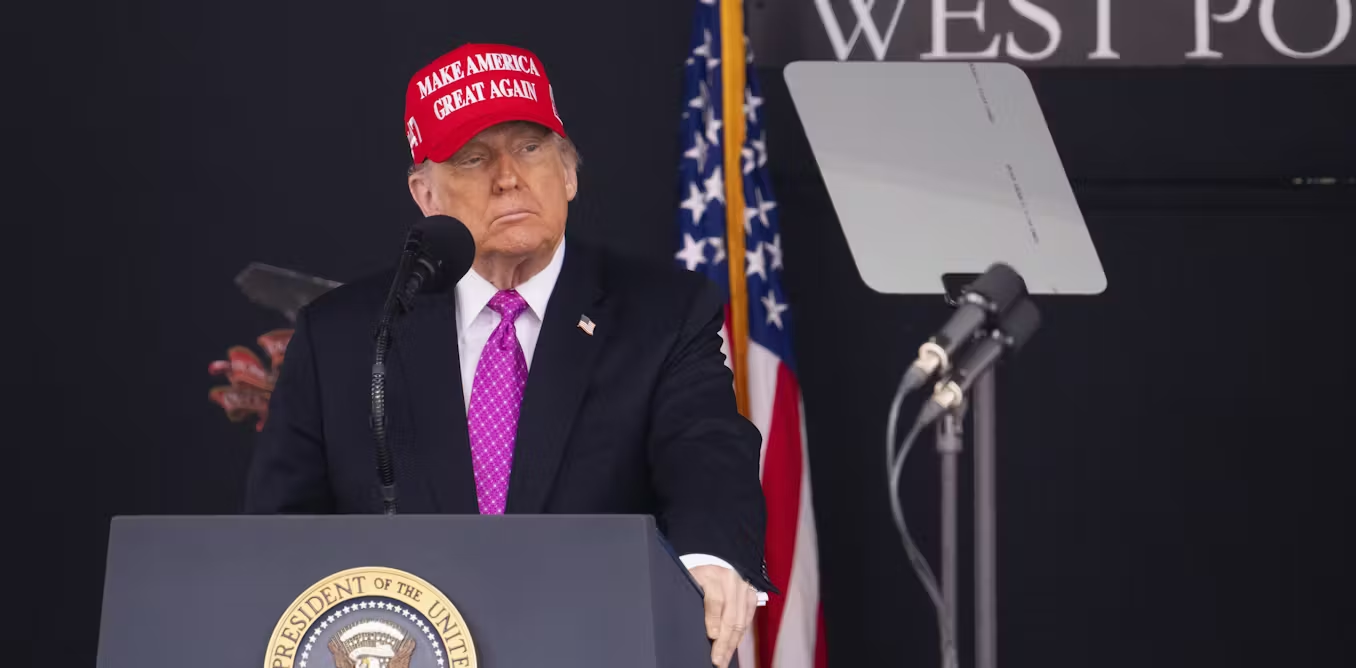
President Trump's speech at West Point was marked by partisan remarks, raising concerns about the tradition of military nonpartisanship and the importance of the military serving the Constitution rather than political figures. Experts emphasize that the U.S. military has a long-standing tradition of neutrality, rooted in the Constitution and historical practices, to protect American democracy.
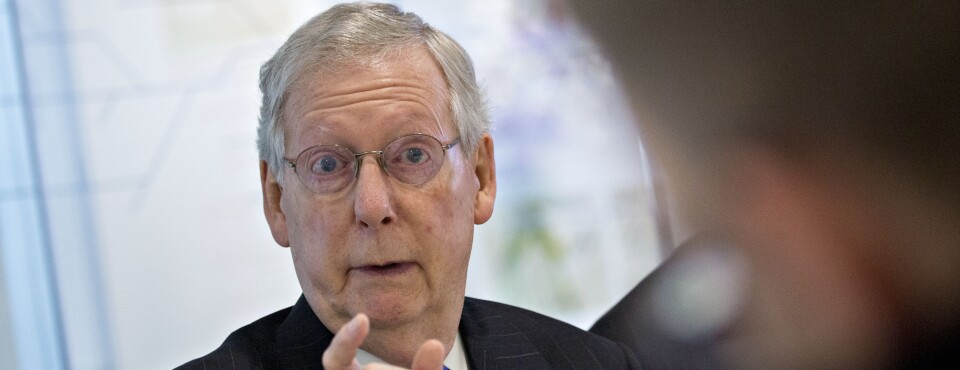
Senate Minority Leader Mitch McConnell criticized two federal judges for reversing their retirement plans, preventing Donald Trump from filling their seats. McConnell accused the judges of partisanship after Trump's reelection, suggesting their decisions were politically motivated. The judges, appointed by Clinton and Obama, had initially planned to take senior status but remained active due to stalled nominations. McConnell's remarks drew comparisons to past Republican actions, such as blocking Merrick Garland's Supreme Court nomination. The situation highlights ongoing partisan tensions over judicial appointments.
In a CNN interview, Reps. Mike Lawler and Jamie Raskin debated whether the FBI and Justice Department have been biased against Republicans. Lawler criticized the agencies for being politicized, while Raskin argued there is no evidence of such bias, noting recent prosecutions of Democrats. The discussion also touched on Trump's potential appointment of Kash Patel to lead the FBI and the concept of the 'deep state.'
Conservative groups allied with Donald Trump are conducting extensive investigations into federal employees, seeking to identify those perceived as partisan obstacles to Trump's agenda. These efforts, involving thousands of Freedom of Information Act requests, aim to prepare for potential mass firings if Trump returns to the presidency. The Heritage Foundation and other organizations are leading these initiatives, focusing on diversity programs and employees' political affiliations. Federal agencies and unions are concerned about the potential impact on civil servants and are preparing counter-strategies.