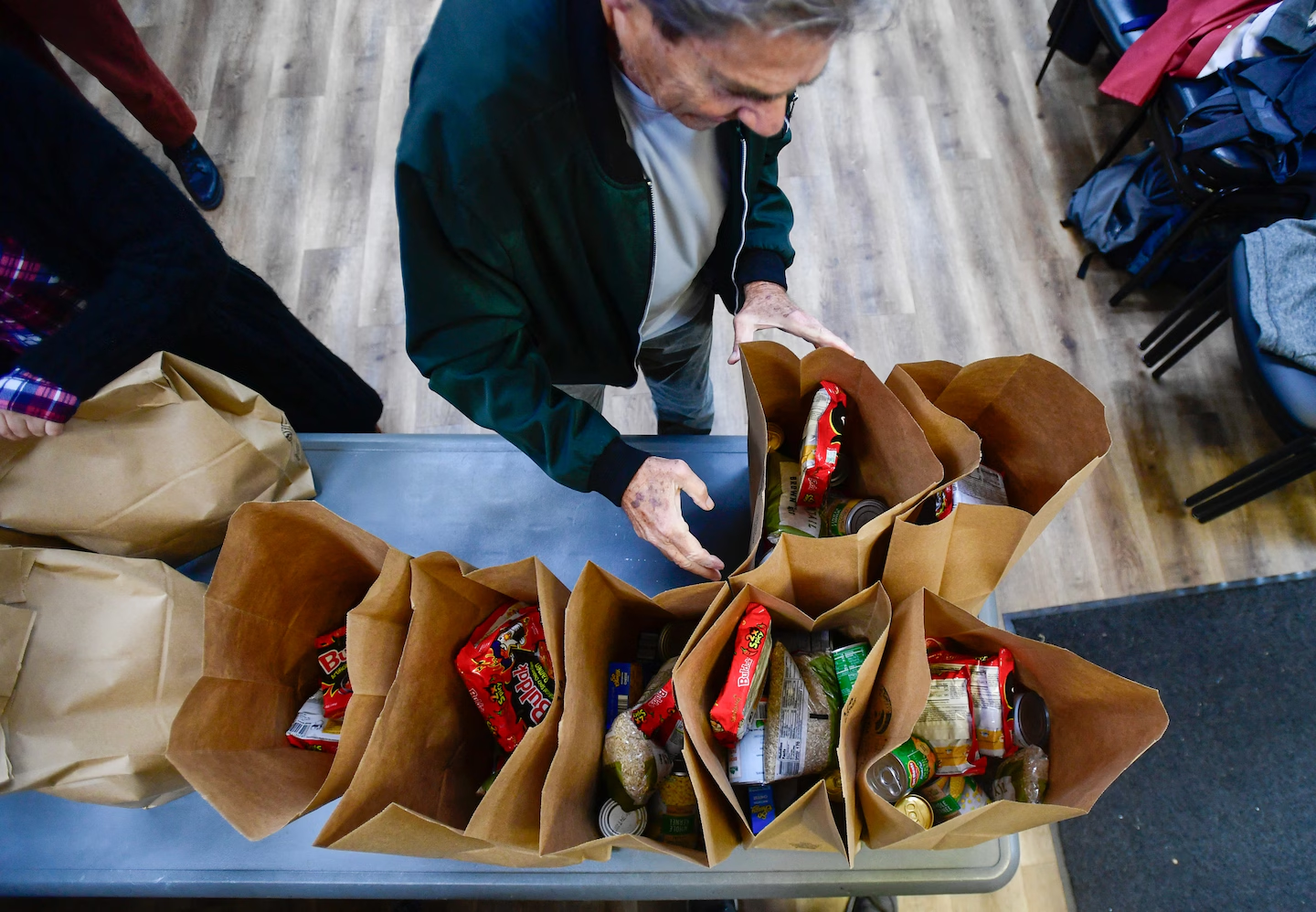
Two federal judges ruled that the Trump administration must release billions in SNAP funds and use backup funds to continue food aid during the government shutdown, allowing states to receive partial payments.
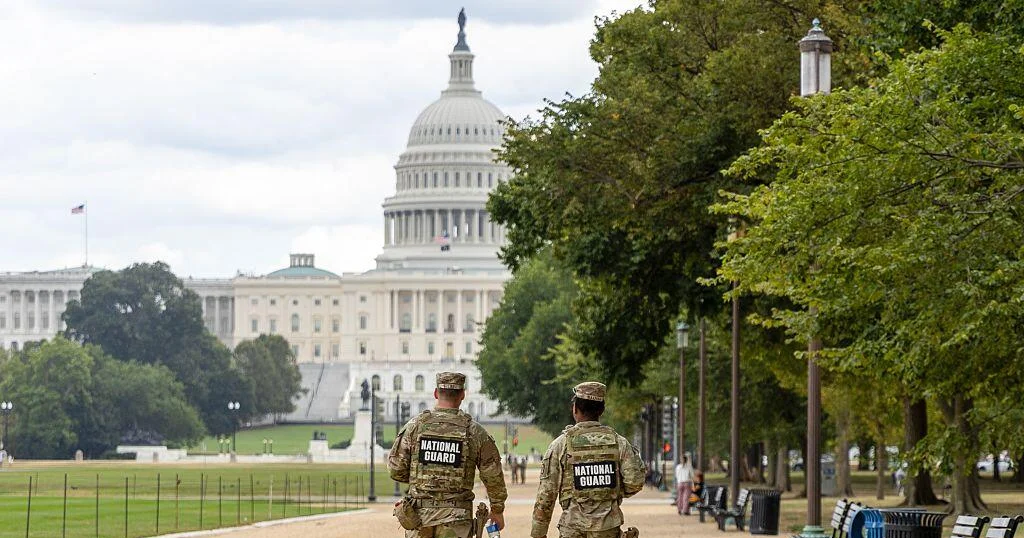
The article discusses the ongoing crisis in Washington D.C.'s courts caused by high judicial vacancies, which have led to case backlogs and delayed justice, despite increased law enforcement efforts under the Trump administration. The vacancies, particularly on the Superior Court and Court of Appeals, are exacerbated by the complex nomination and confirmation process controlled by the president and Senate, with little action from Congress, impacting public safety and access to justice in the district.
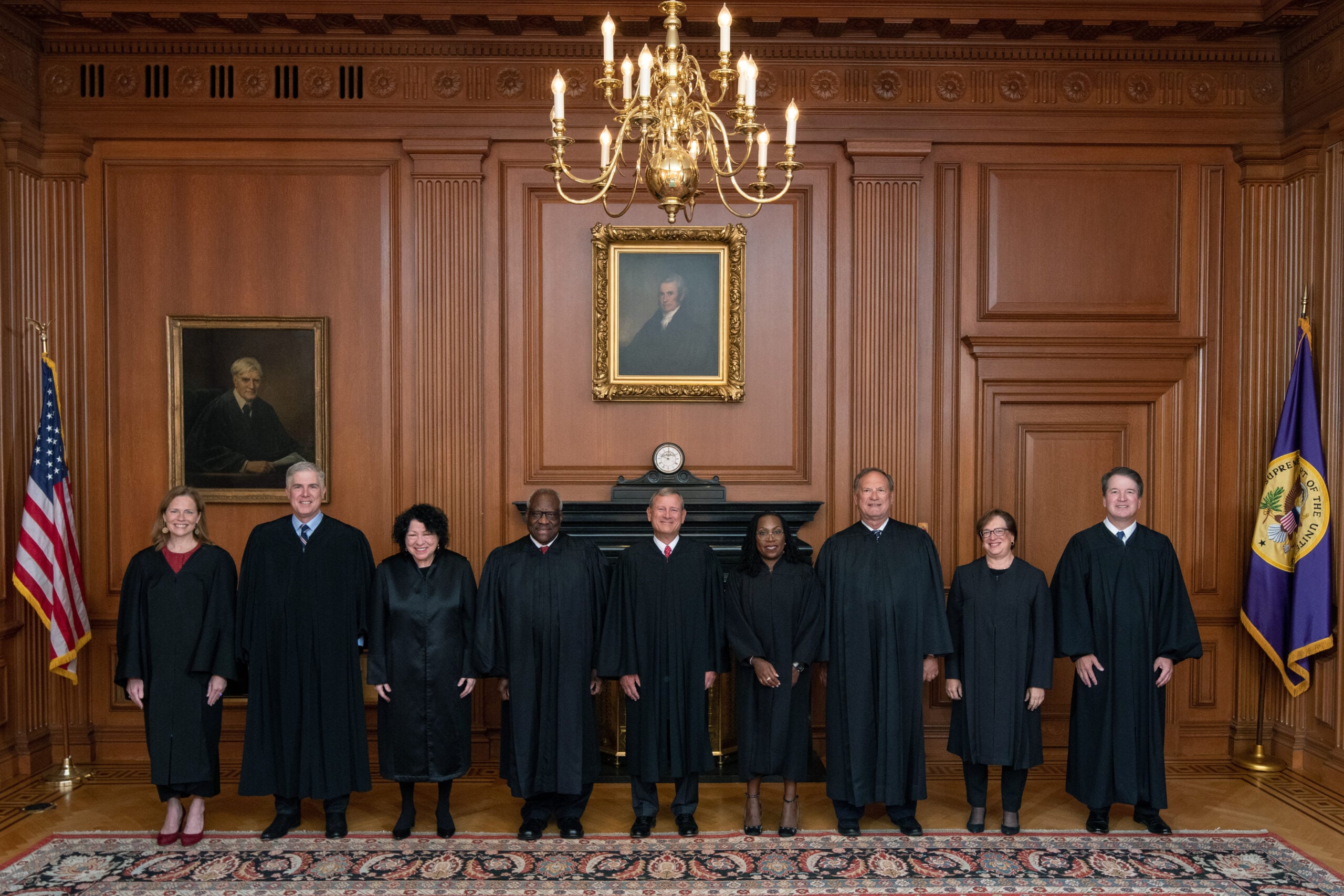
Lower federal judges are anonymously criticizing the Supreme Court's use of the shadow docket, arguing that its opaque decisions favor the Trump administration, undermine lower courts, and threaten judicial independence amid rising threats and political tensions.
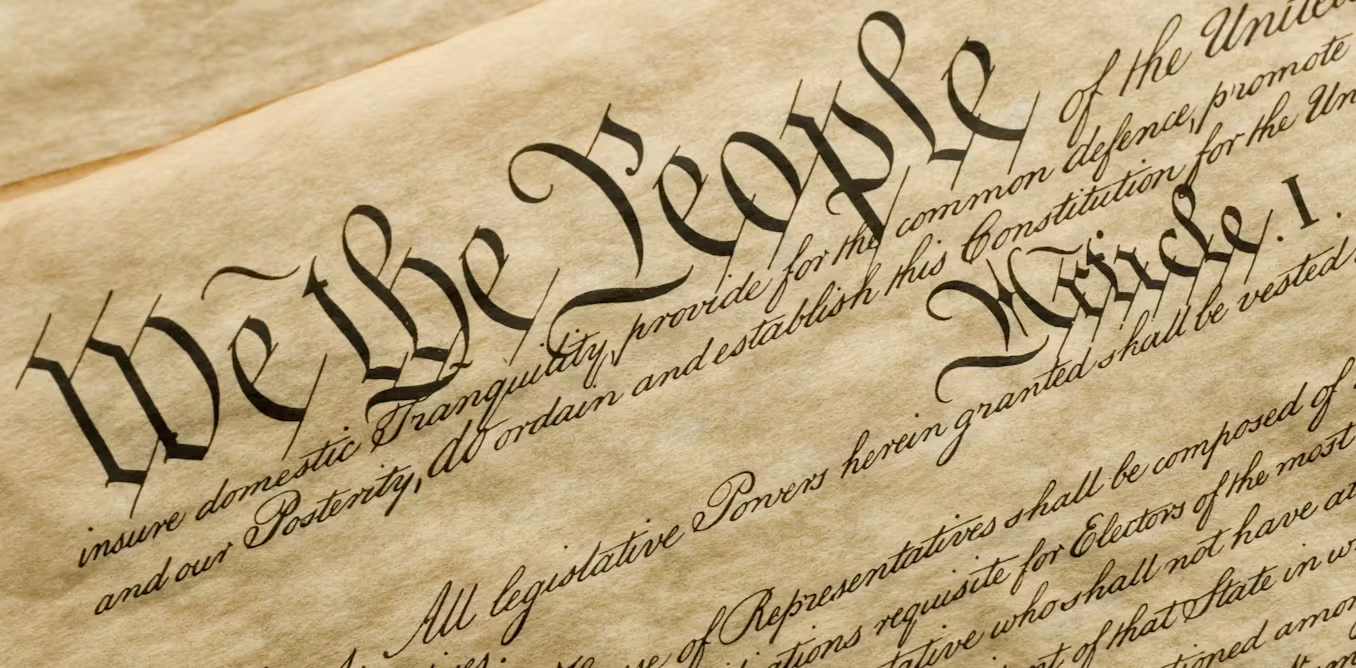
The article discusses the frustration among federal judges, especially lower courts, with the Trump administration's defiance of court orders and the Supreme Court's unclear rulings, highlighting the importance of judicial independence and constitutional articles defining the powers of Congress, the presidency, and the judiciary.
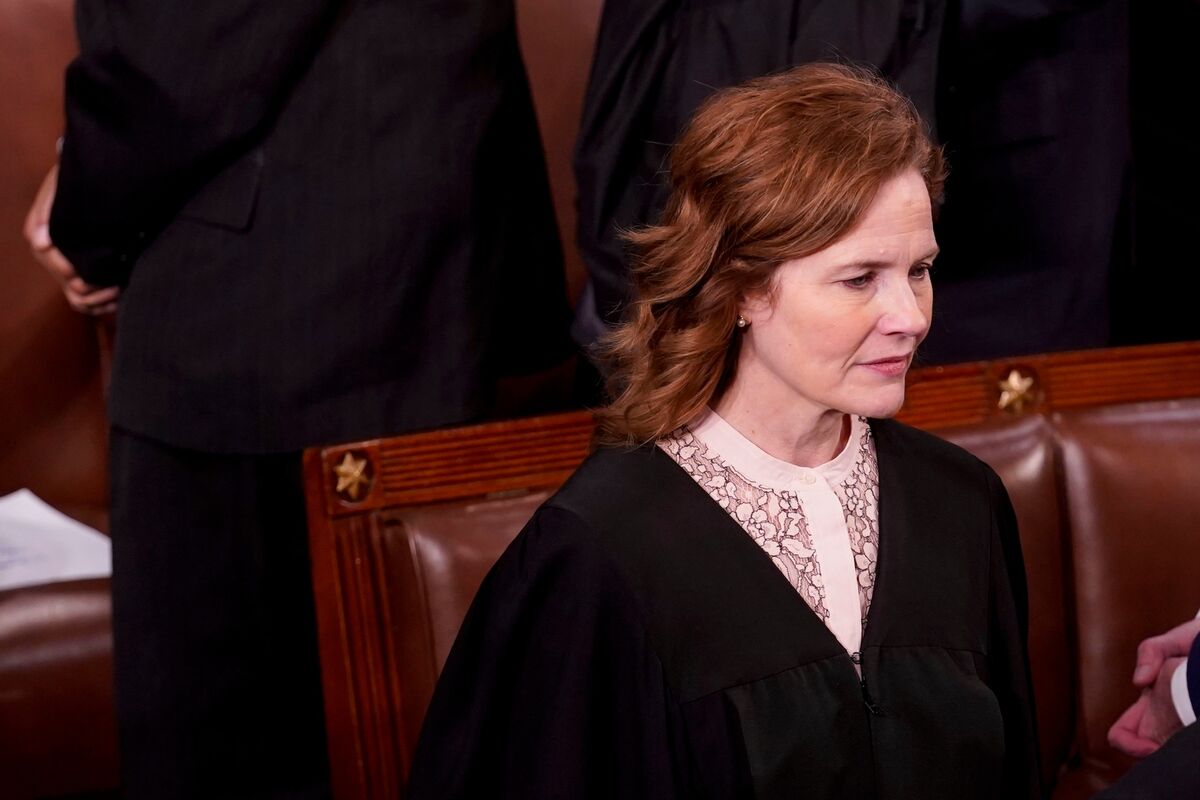
Supreme Court Justice Amy Coney Barrett downplayed President Trump's criticisms of federal judges, emphasizing the long history of presidential conflicts with the judiciary and calling for greater public trust in the court, while promoting her memoir at a book tour event.
Federal judges are publicly criticizing the Supreme Court, comparing its unpredictable rulings to 'Calvinball,' highlighting concerns over the court's integrity and consistency amid the Trump administration's legal strategies and decisions.
Alina Habba, Trump's former personal lawyer and acting U.S. attorney for New Jersey, accused federal judges of collusion against her after a court ruled she was serving illegally due to lack of Senate confirmation. She claims judges overstepped their authority in appointing her replacement, despite legal provisions allowing district courts to do so temporarily. Habba also falsely claimed Trump was rightfully elected and criticized Senate Republicans for blocking her nomination, which remains in limbo due to the blue slip process. Her tenure has been controversial, including a high-profile indictment of a Democratic congresswoman.
A federal judge expressed skepticism about the Justice Department's lawsuit against Maryland's federal judges, which challenges a court rule designed to temporarily halt deportations of immigrants facing legal challenges, raising concerns about executive overreach and the potential impact on judicial independence.
The Trump administration has filed an unprecedented lawsuit against all 15 Maryland-based federal judges over a standing order that temporarily halts deportations in immigration cases, raising concerns about separation of powers and judicial independence. The case highlights ongoing tensions between the executive branch and the judiciary regarding immigration enforcement and judicial procedures.
Since returning to office, President Trump and his allies have criticized federal judges, leading to a rise in threats against judges, including high-profile assassination attempts, prompting calls from legal and political leaders to stop politicizing the judiciary and to condemn violence against judges.
The Justice Department sued all 15 federal judges in Maryland over an order that paused deportations, marking an unprecedented attack on judicial independence and escalating tensions between the executive branch and the courts during the Trump administration's immigration policies.
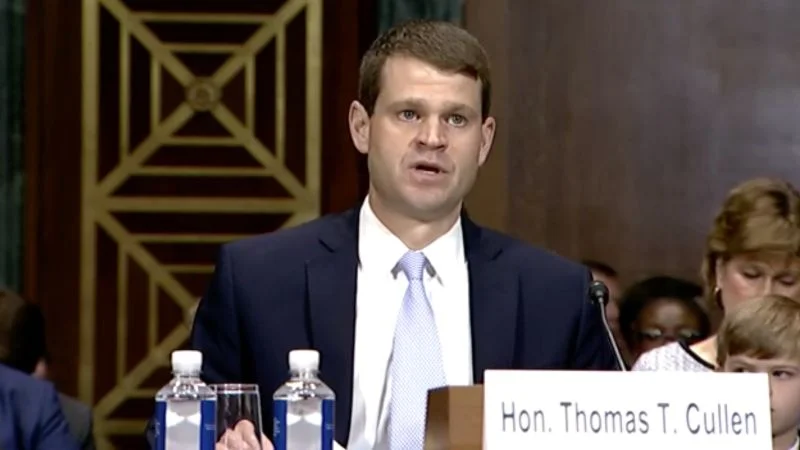
The Senate Judiciary Committee is beginning the confirmation process for President Trump's judicial nominees, including Whitney Hermandorfer for the Sixth Circuit Court of Appeals, amidst partisan debates over the influence of the American Bar Association and concerns about nominee experience and qualifications.
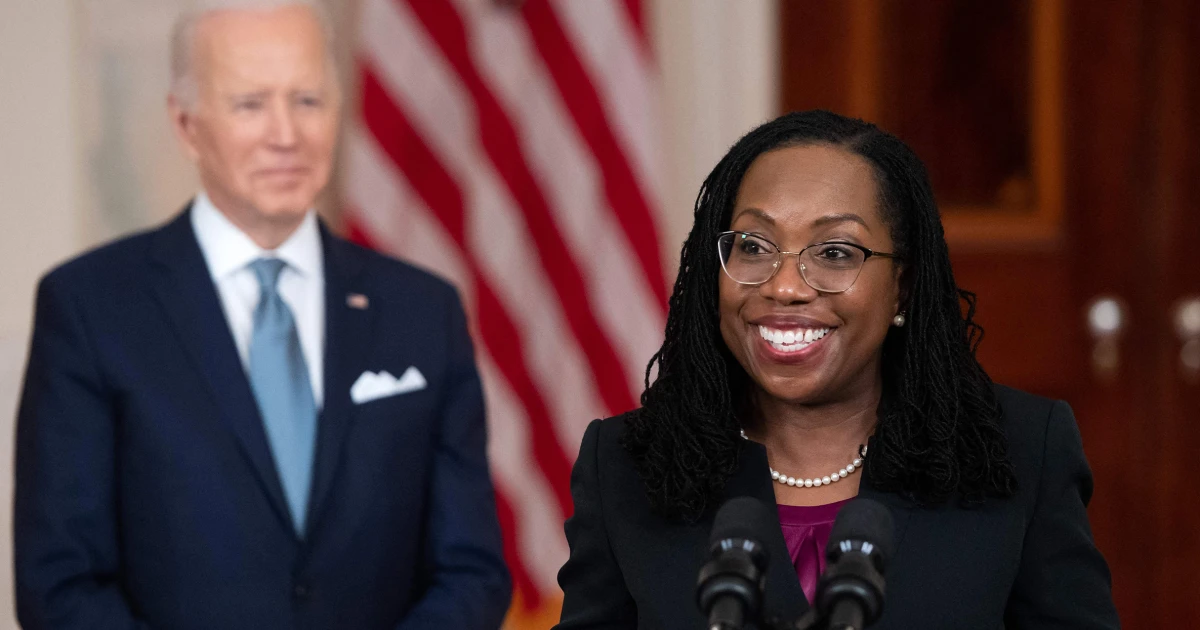
President Joe Biden is on track to appoint more federal judges of color than any previous U.S. president, with 60% of his 233 appointees being people of color. This includes 40 Black women, surpassing previous records. Biden's efforts aim to diversify the judiciary, enhancing representation and trust in the legal system. His appointments include several "firsts," such as Justice Ketanji Brown Jackson, the first Black woman on the U.S. Supreme Court. The Senate continues to confirm his nominees, with several key circuit court appointments pending.
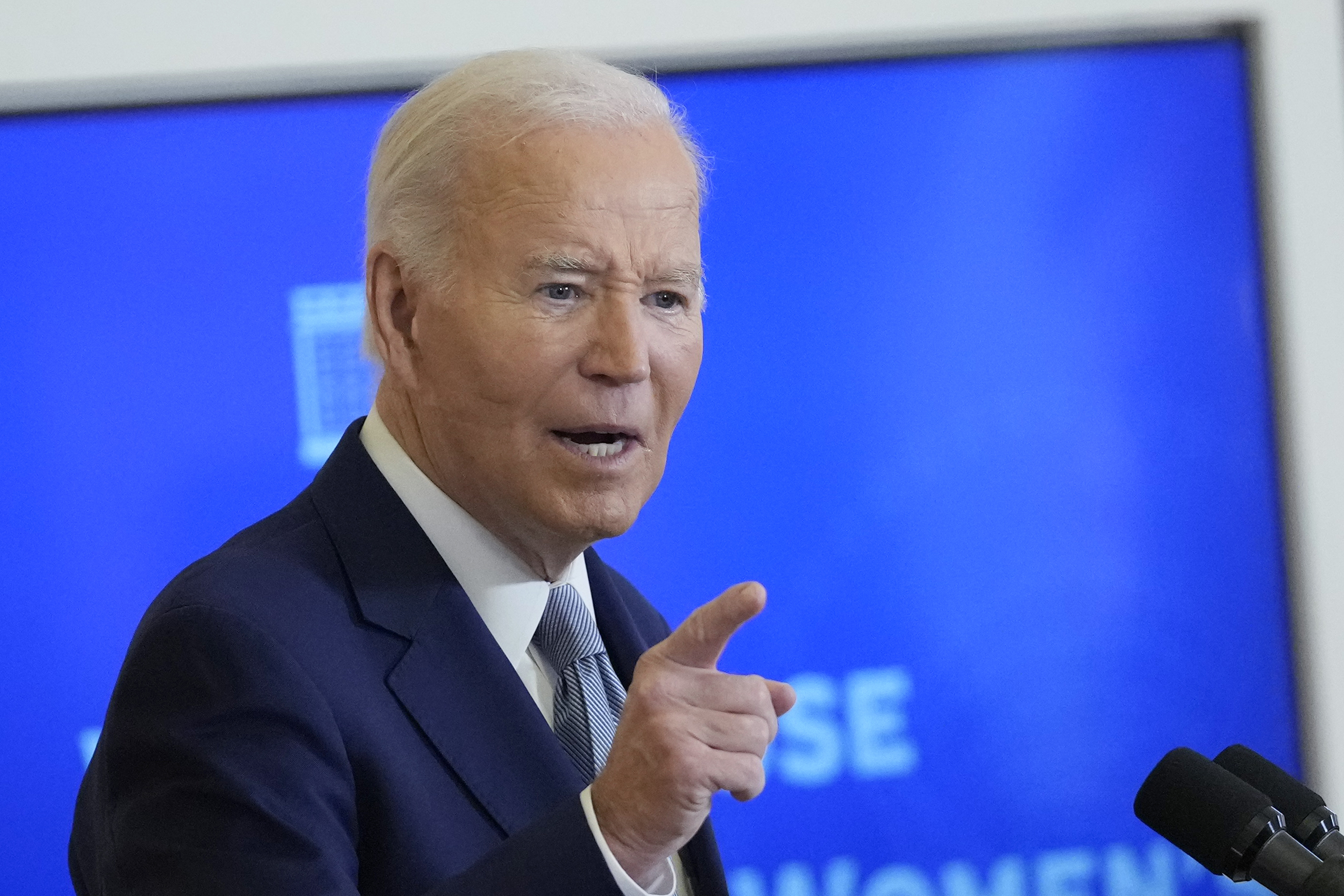
President Joe Biden has threatened to veto a bill that would expand the number of federal judges, a move that would allow President-elect Donald Trump to make new judicial appointments. The bill, spearheaded by Sen. Chris Coons, aimed to create 63 new judgeships to ease court burdens. However, Biden opposes the timing, as it would hand Trump 22 new appointments. Despite bipartisan support in the Senate, Democratic leaders are urging opposition in the House, and Biden has pledged to veto the bill if it passes.
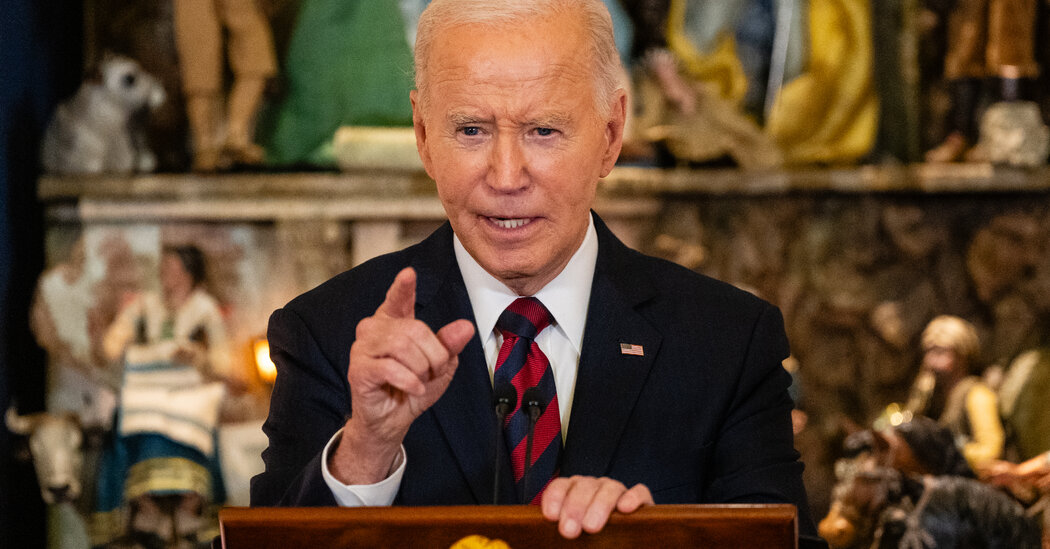
President Joe Biden has threatened to veto a proposed bill aimed at increasing the number of federal judges. The bill, which has sparked debate, is seen by some as a way to address the backlog of cases in the federal judiciary, while others view it as a political maneuver. Biden's opposition suggests concerns over potential impacts on the judicial system's balance and independence.