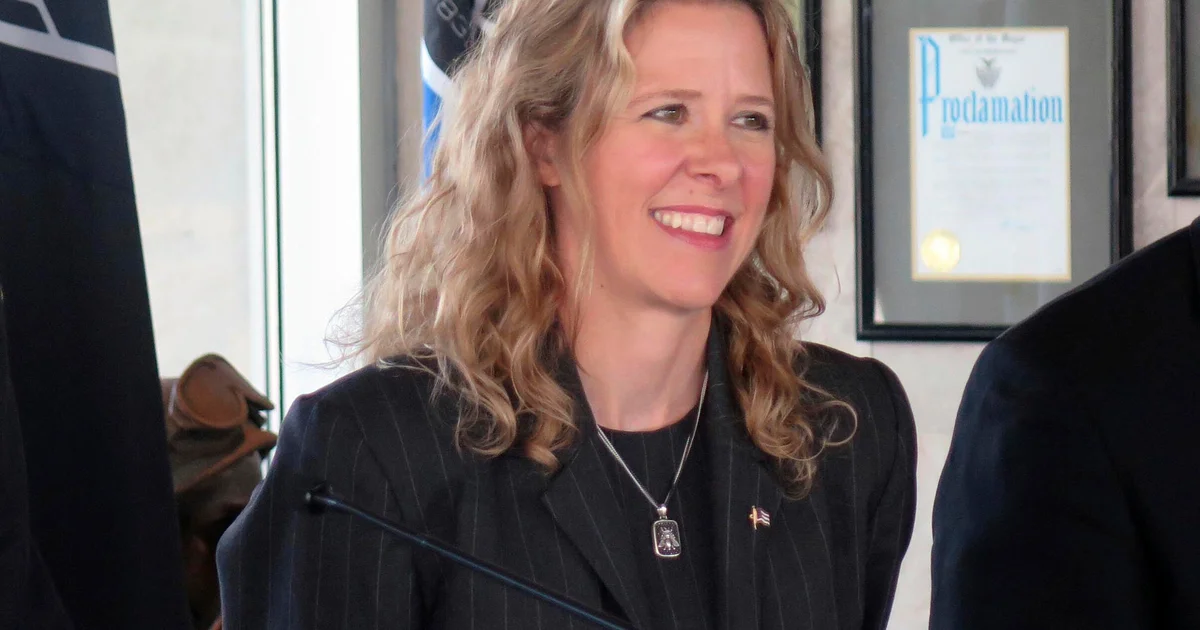
Conservative Wisconsin Supreme Court Justice Rebecca Bradley announced she will not seek reelection, citing concerns over increasing partisanship and a shift away from principled judicial service, as the court's liberal majority continues to influence key legal issues in the state.
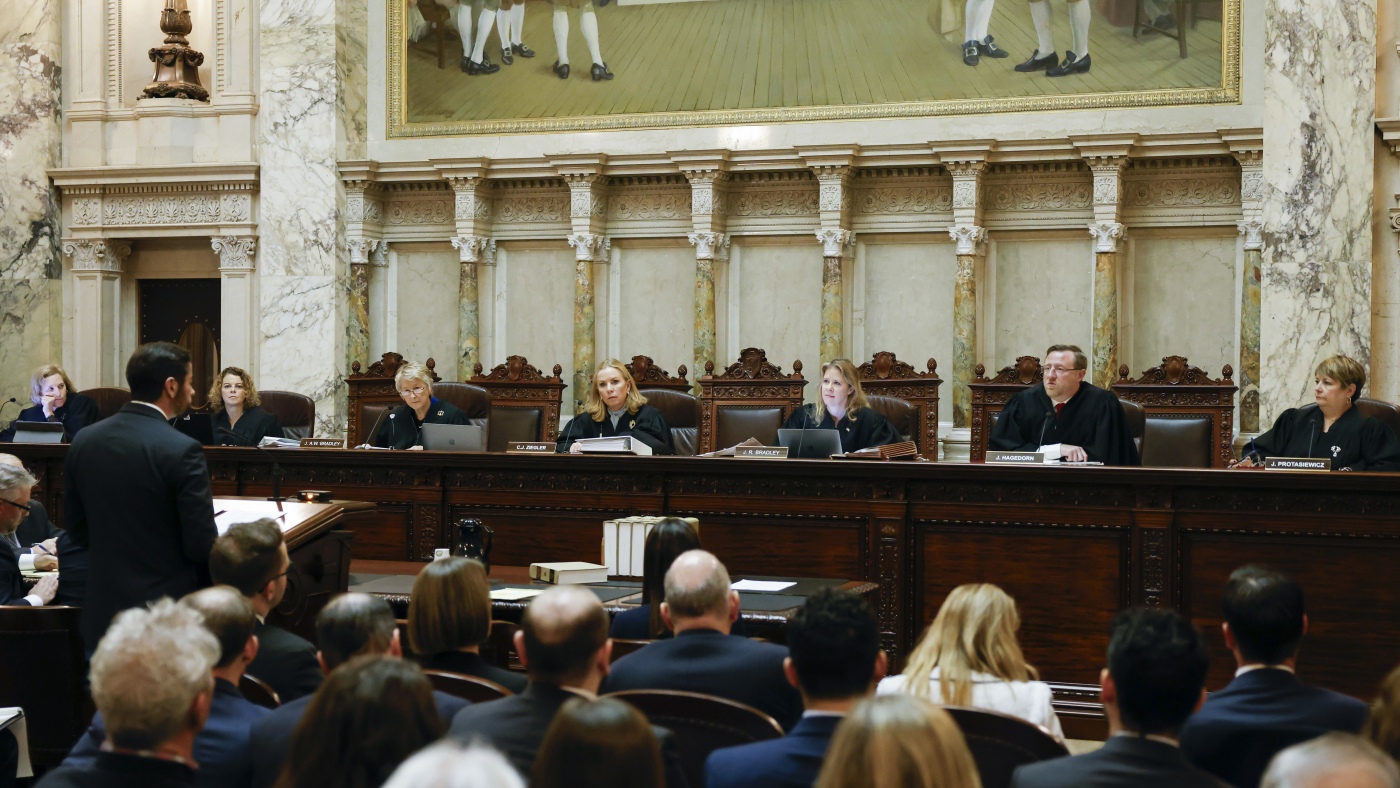
The Wisconsin Supreme Court ruled that the state's 1849 law does not ban abortion, allowing abortion services to continue in the state, marking a significant legal victory for reproductive rights after years of litigation and uncertainty following the overturning of Roe v. Wade.
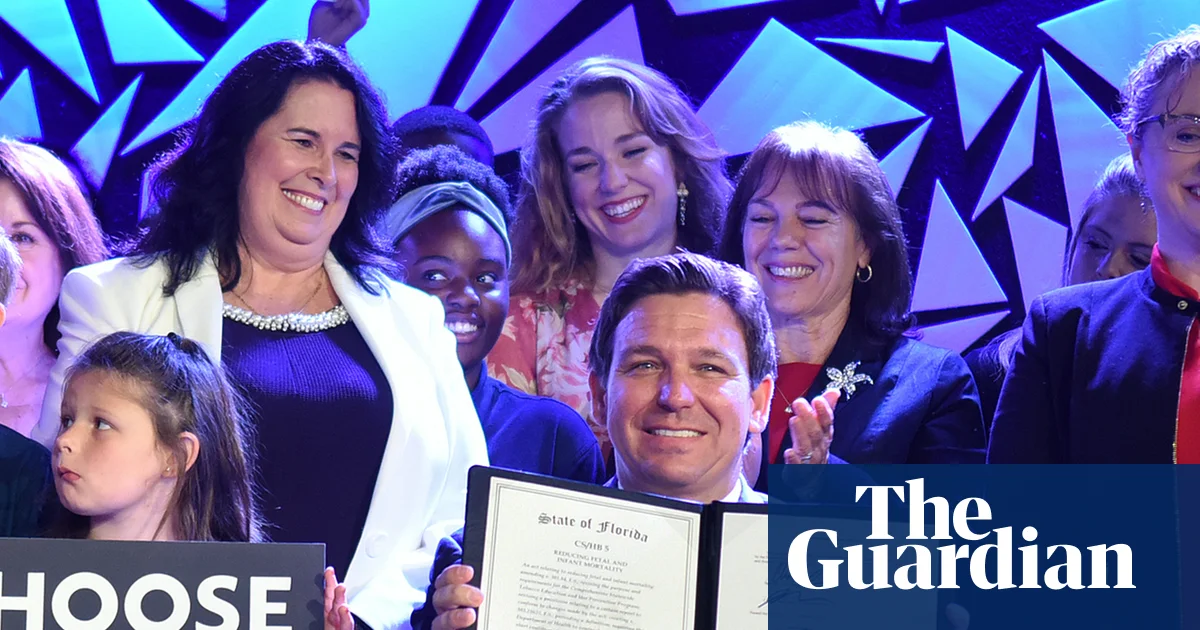
A Florida Republican congresswoman, Kat Cammack, recounts her experience of facing delays in receiving treatment for an ectopic pregnancy due to the state's strict six-week abortion ban, highlighting the confusion and fear among medical staff and the law's impact on emergency care. She hopes her story will foster bipartisan support for better emergency treatment provisions, despite ongoing debates about the law's implications for reproductive health care.
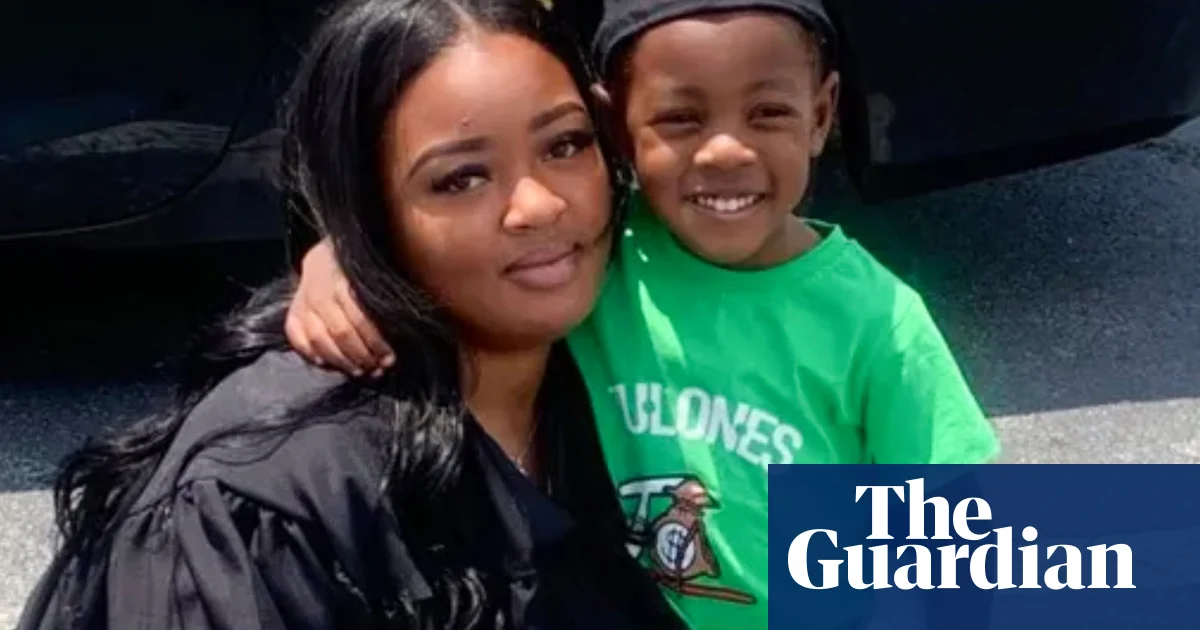
A brain-dead woman in Georgia was kept on life support to carry her pregnancy, resulting in the birth of her baby via emergency C-section, amid controversy over the state's abortion laws and the rights to end life support in such cases.
A woman in Georgia who was declared brain dead and on life support since February gave birth prematurely to her baby via emergency C-section, with the baby now in neonatal intensive care; the case highlights legal and ethical debates surrounding abortion laws in the state.
UK MPs voted overwhelmingly to decriminalise abortion in England and Wales, removing criminal penalties for late-term abortions and modernising outdated laws, with support from major health organizations and opposition from anti-abortion groups.
The UK House of Commons is debating proposed amendments to decriminalise abortion, with two Labour MPs, Tonia Antoniazzi and Stella Creasy, presenting rival proposals—one focusing on protecting women from investigation and prosecution, and the other on enshrining abortion as a human right—highlighting ongoing debates over abortion laws and women's rights.
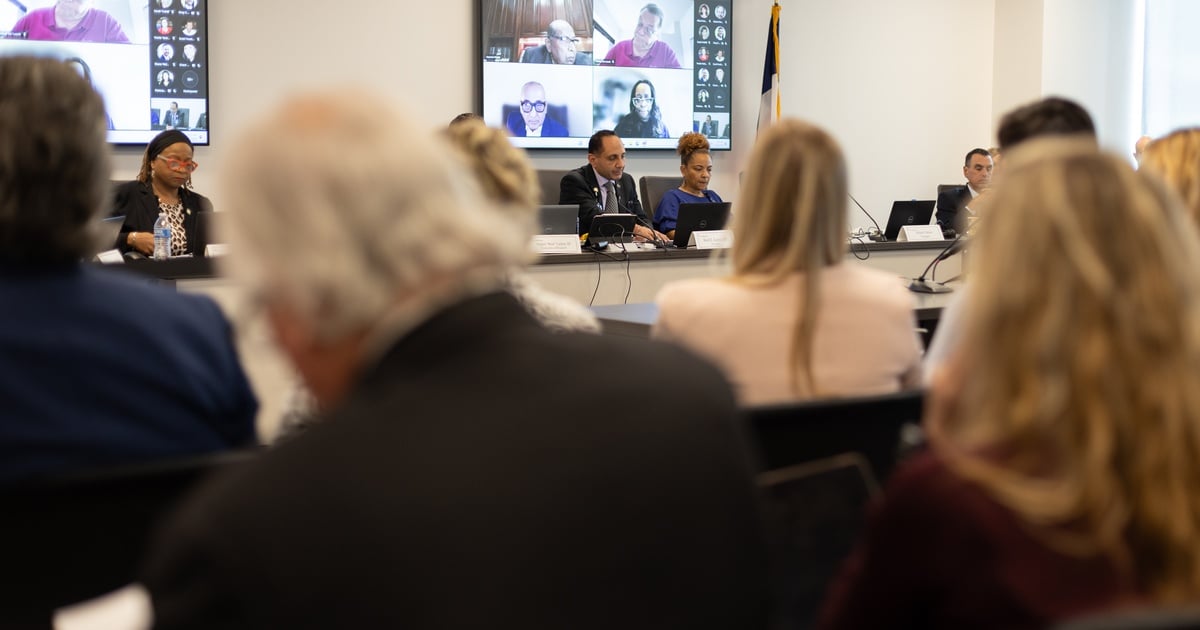
The Texas Medical Board has adopted new guidelines to help doctors interpret the state's abortion laws, reducing some paperwork but not providing a list of legal abortion cases. The guidance aims to clarify documentation requirements and protect the doctor-patient relationship, though it does not fully address all concerns raised by stakeholders. The board emphasized that the guidance is not final and may be revised in the future.
The Texas Supreme Court has upheld the state's restrictive abortion law, rejecting a challenge from women with serious pregnancy complications. The court ruled that the law's exceptions for medically necessary abortions are sufficiently broad, despite claims of vagueness. This decision closes another legal avenue for opponents seeking clarity on the law, which imposes severe penalties on doctors performing abortions. The ruling has sparked outrage among abortion rights activists, who argue it leaves Texans with no recourse but to vote for change.
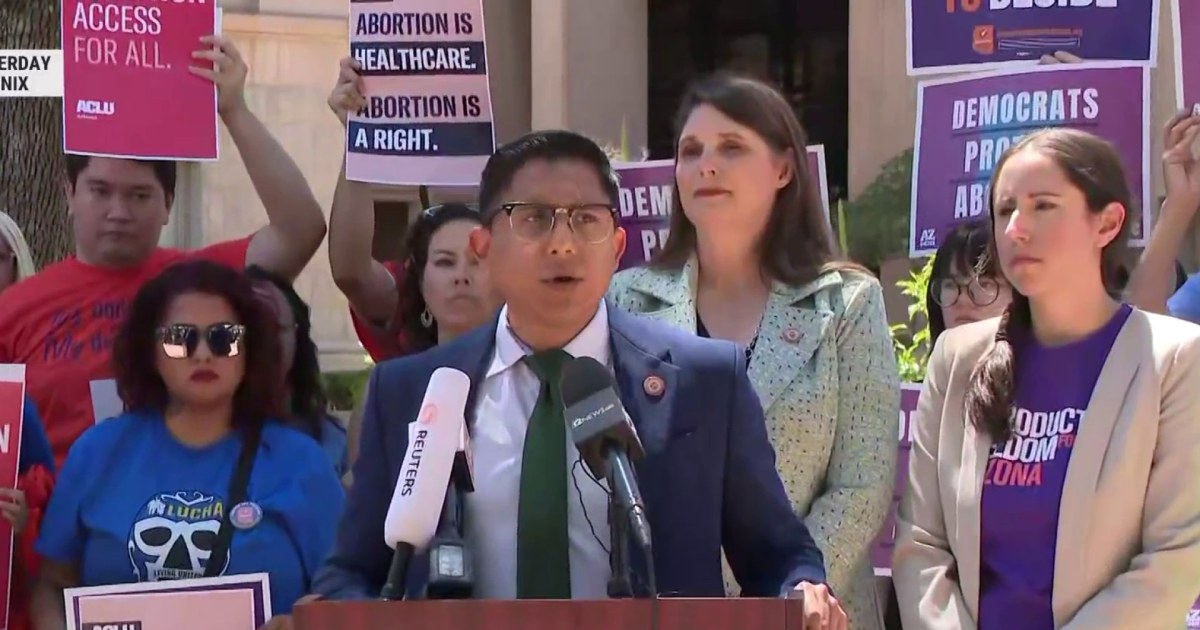
Hillary Clinton criticizes Arizona's new abortion law, stating that it demonstrates cruelty towards women and will have a significant impact on women and families. A Senate candidate from Arizona also condemns the law, expressing that women are scared and should be.
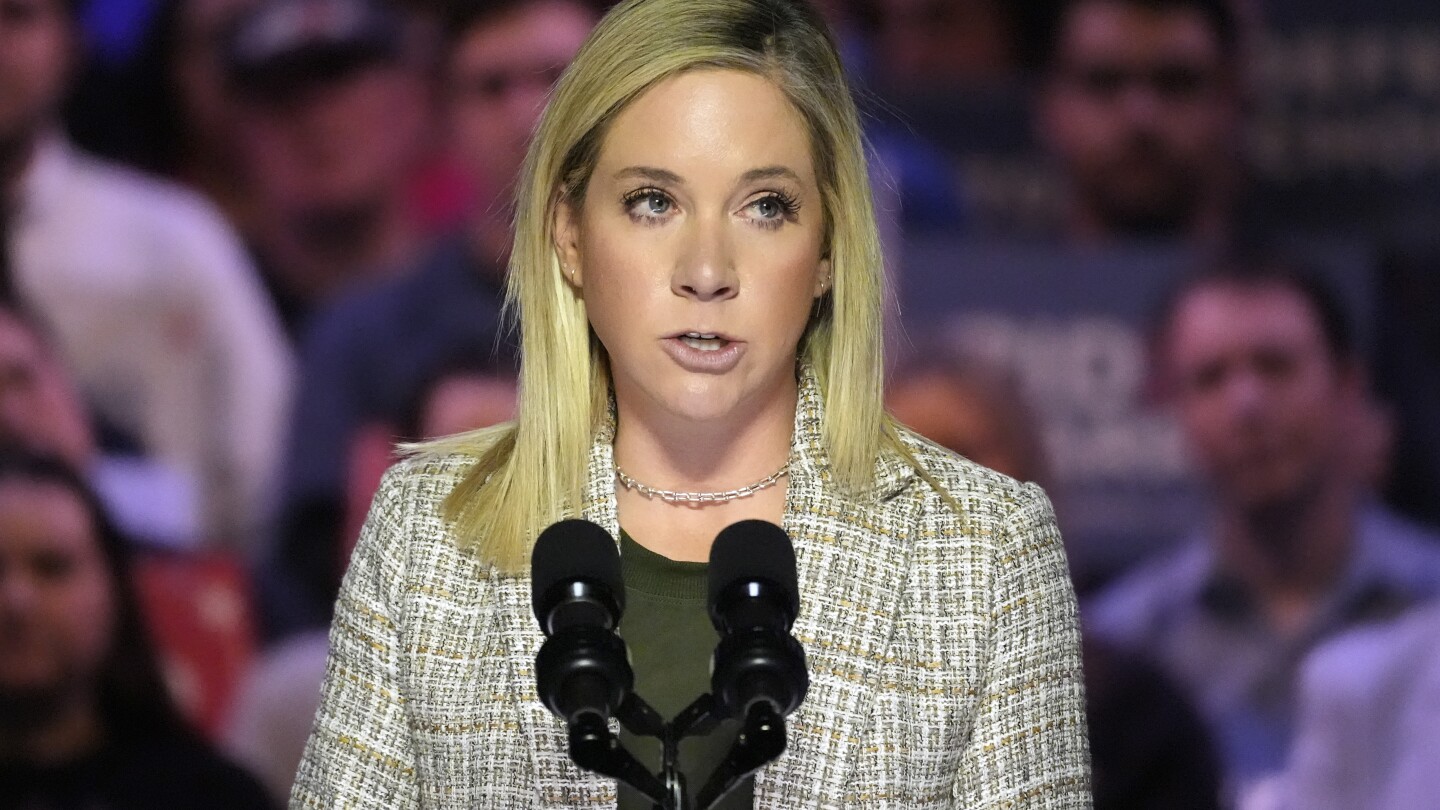
Kari Lake, a Republican Senate candidate in Arizona, downplayed the state's strict 1864 abortion ban, suggesting that Arizonans could travel to other states for the procedure. At a campaign event, she linked illegal immigration to rising housing costs, despite conflicting views from a real estate broker. Lake's shifting rhetoric on abortion and her stance on housing affordability were discussed, along with potential challenges to the abortion ban. The issue of abortion is expected to have significant implications for Arizona Republicans' campaigns, with Lake likely to face Democratic opponent Ruben Gallego in the general election.
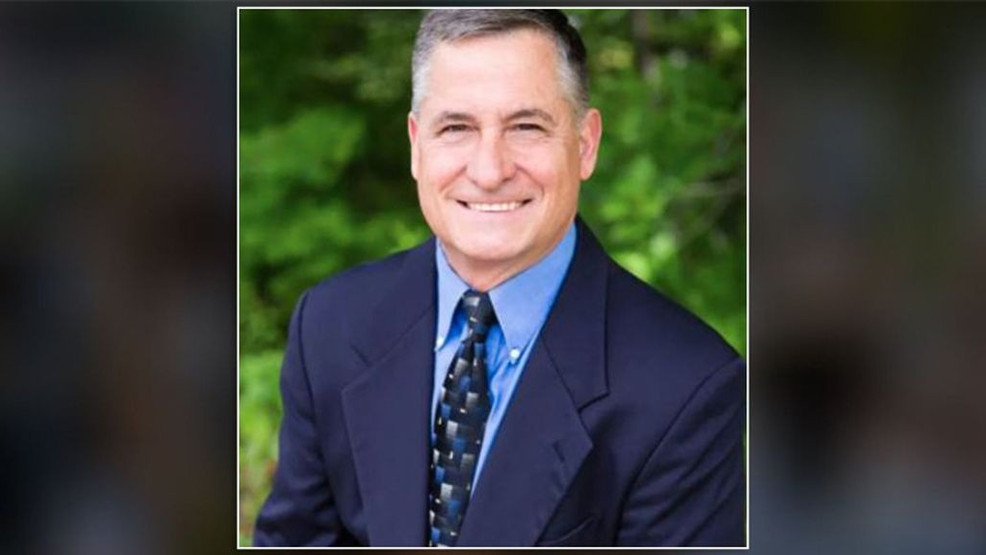
Maine Republican lawmaker Michael Lemelin drew bipartisan criticism after blaming a mass shooting in Lewiston on God's reaction to an abortion law, calling it "Lucifer himself." His remarks were ruled out of order by House Speaker Rachel Talbot Ross, and fellow Republican Rep. Shelley Rudnicki expressed agreement. The Democratic-led chamber voted 80-70 for a bill protecting out-of-state patients who get abortions or gender-affirming care in Maine, despite strong Republican opposition. Other lawmakers, including Republican Rep. Rachel Henderson, condemned Lemelin's comments as "reprehensible," and Assistant House Majority Leader Kristen Cloutier called them "asinine" and lacking empathy.
Republican lawmaker Rep. Michael Lemelin of Chelsea sparked outrage by suggesting that the mass shooting in Lewiston was God's punishment for Maine's expanded access to abortion. His comments were ruled out of order by Speaker Rachel Talbot Ross, drawing condemnation from multiple lawmakers. The House ultimately voted to advance a bill protecting medical professionals who provide abortions and gender-affirming care, despite opposition citing concerns about parental rights and criminal activity. The proposal has also attracted national attention, with 16 attorneys general from conservative states threatening legal action if the bill becomes law.
The Supreme Court has permitted Idaho to enforce a strict abortion ban that could penalize emergency room doctors, overriding a federal judge's ruling that it conflicts with federal law. The law, which includes criminal penalties for doctors performing abortions unless necessary to save the woman's life, was challenged under the Emergency Medical Treatment and Labor Act (EMTALA), which mandates emergency care for all patients. The Supreme Court will hear arguments on the issue in April and make a decision by June. This development follows the Court's 2022 decision to overturn Roe v. Wade, which had previously protected the constitutional right to abortion.