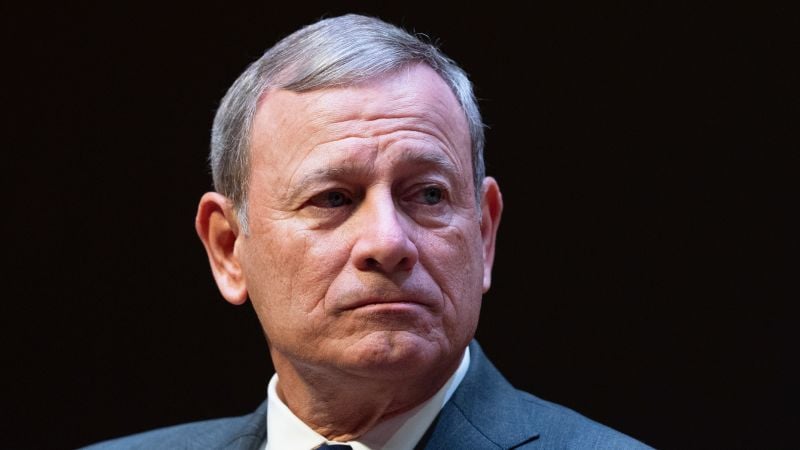
Chief Justice John Roberts emphasized the importance of judicial independence and the Constitution in a historical-focused report, subtly addressing current partisan conflicts and the judiciary's role amid recent political tensions, especially relating to former President Trump.
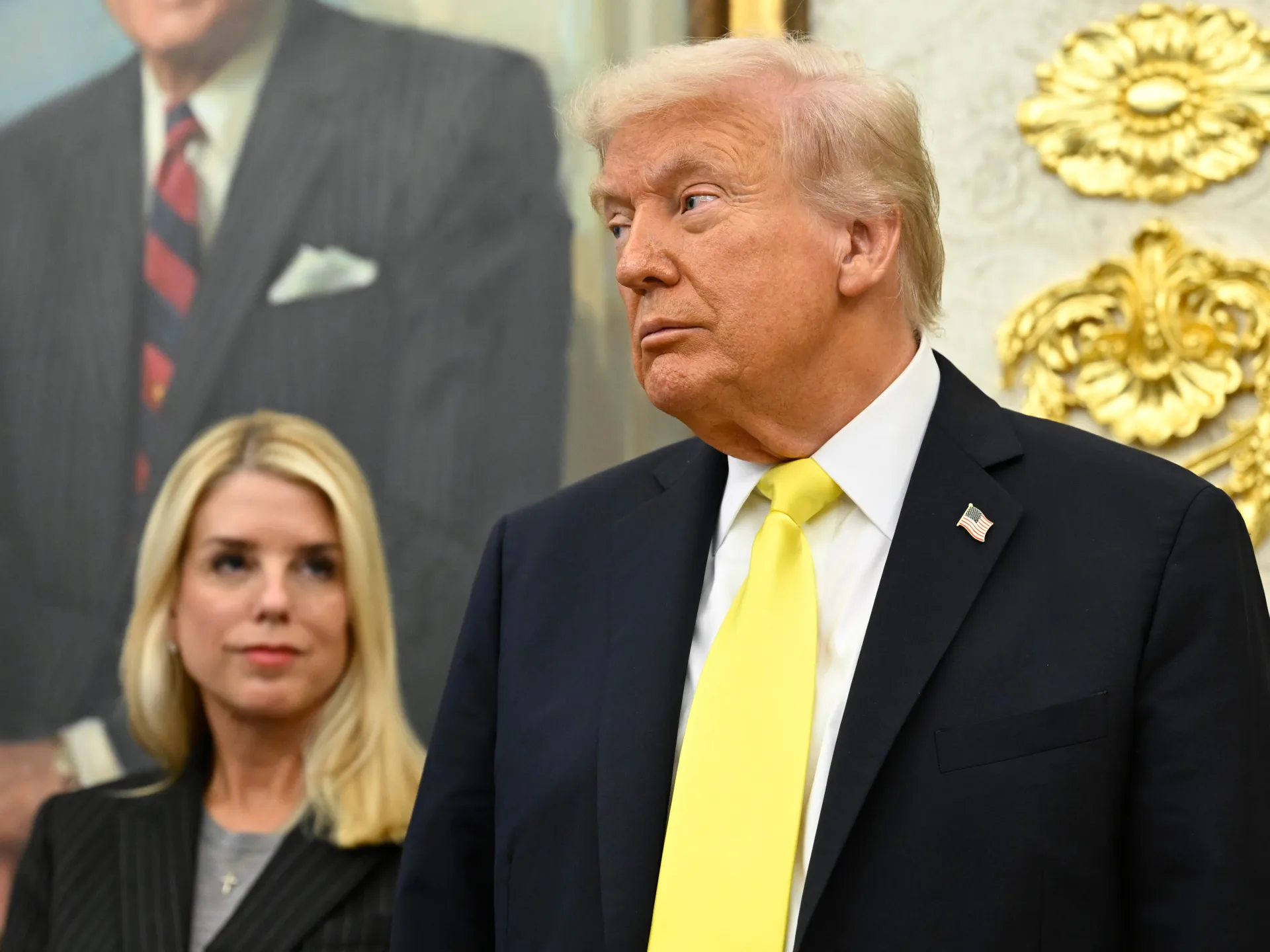
In 2025, Trump's second term has significantly transformed the US Justice Department, eroding its traditional norms of independence and turning it into a tool for political advantage, which has raised concerns about the integrity of the legal system and public trust.
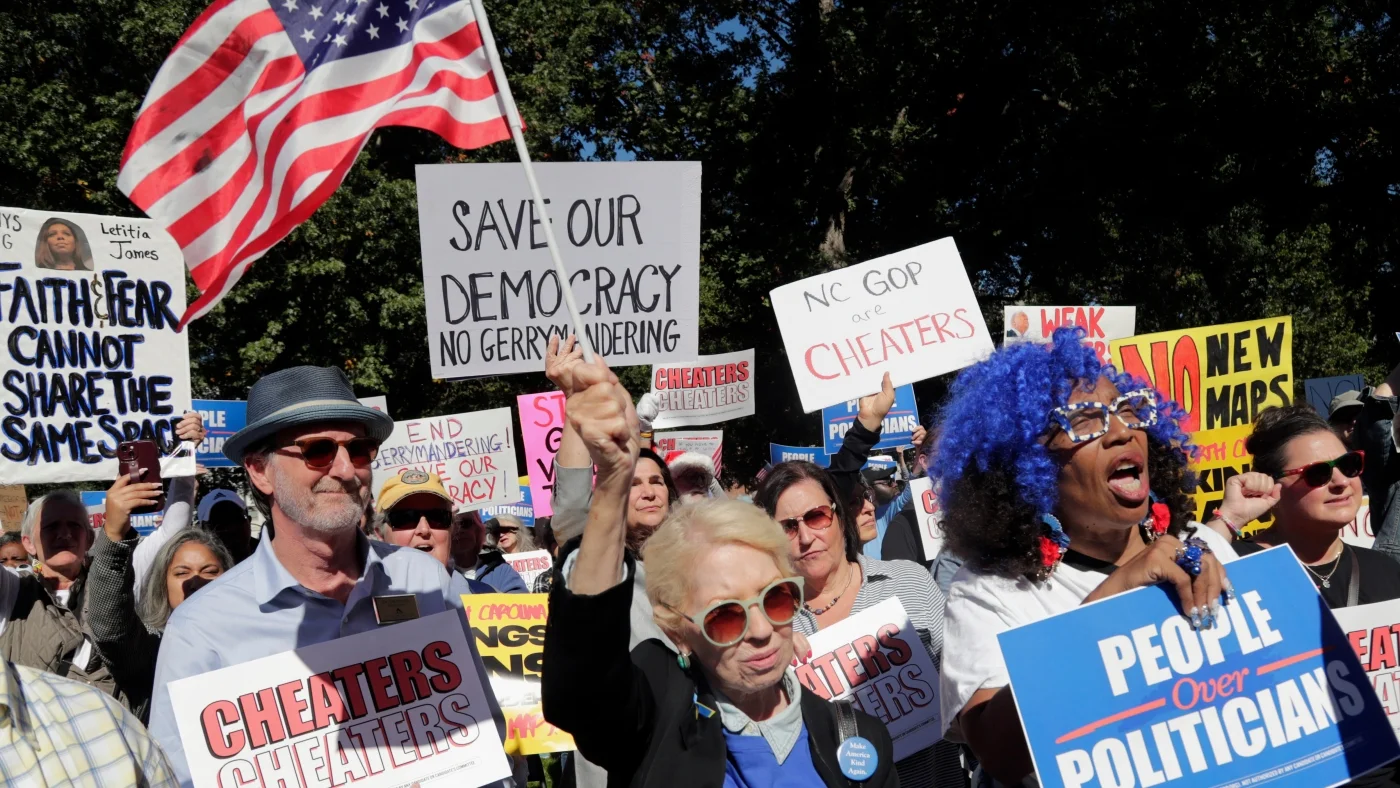
North Carolina is at the forefront of a nationwide effort by Republicans to redraw congressional districts ahead of the 2024 midterm elections, aiming to secure more seats and influence control of the U.S. House, amid controversy over racial and partisan gerrymandering.
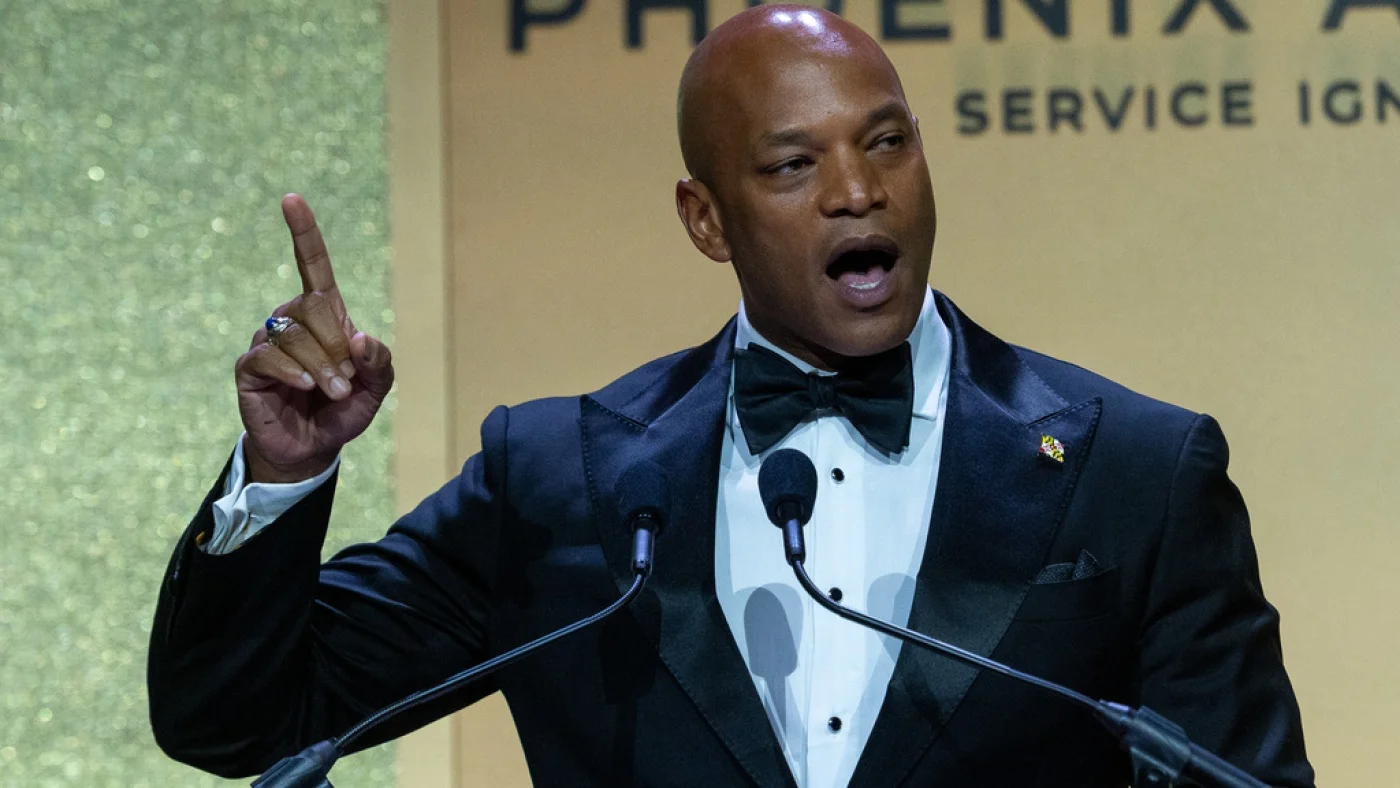
A group of Democratic state governors has formed a public health alliance to coordinate efforts and push back against what they see as inadequate federal leadership, emphasizing data sharing, emergency preparedness, and policy collaboration, with notable members including governors of California, New York, and Maryland.
Democrats are calling for hearings to investigate whether the Trump administration violated ethics rules by having federal agencies send out politically charged out-of-office email replies during the government shutdown, potentially violating the Hatch Act and infringing on federal employees' rights.
Several US federal agencies have blamed Democrats for an impending government shutdown, with some actions potentially violating the Hatch Act by politicizing government communications, raising concerns about lawfulness and partisan bias amid ongoing funding disputes.
Senate Republicans used the nuclear option to lower the vote threshold for confirming multiple Trump administration nominees, bypassing Democratic opposition and weakening the Senate's traditional vetting process, which raises concerns about increased partisanship and reduced oversight.
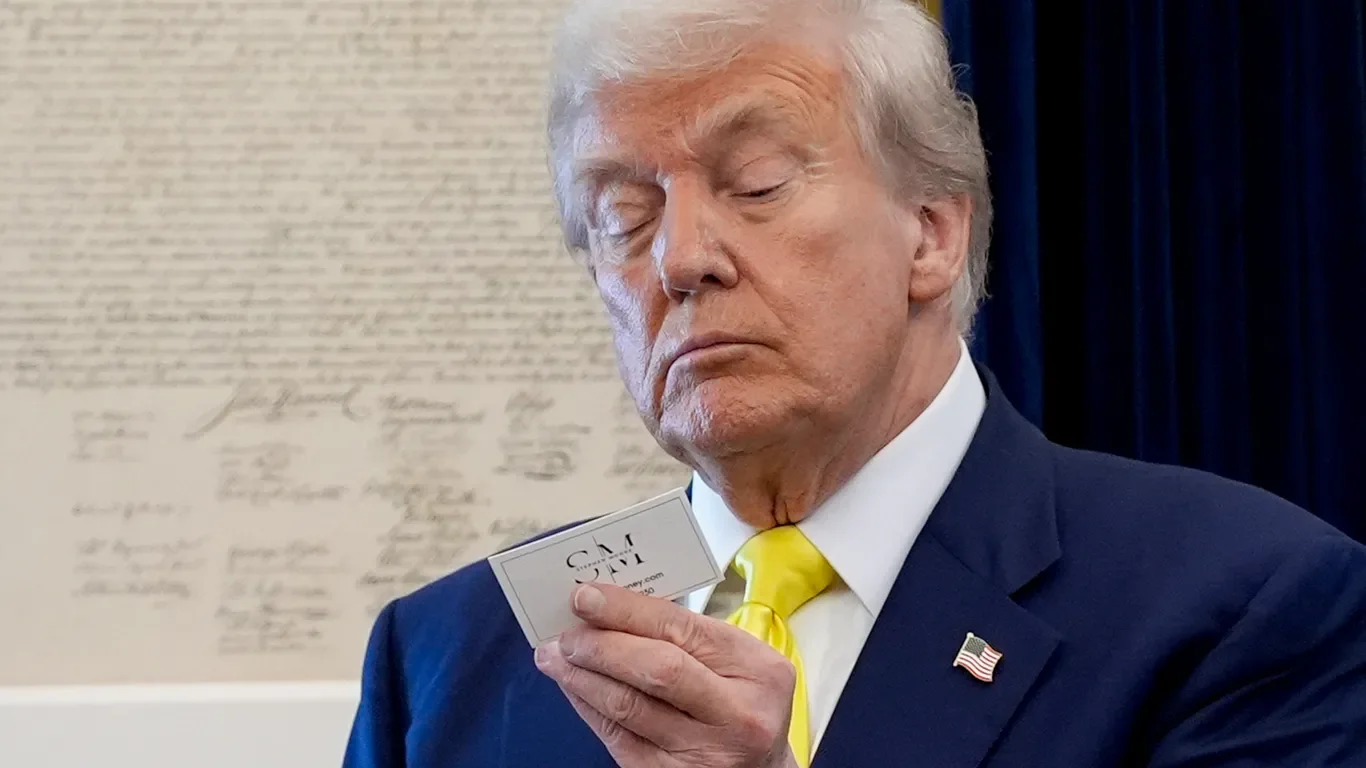
President Donald Trump criticizes the century-old Senate tradition of the blue slip process for judicial nominations, calling it outdated and unconstitutional, while Republicans defend it as a necessary safeguard, amid ongoing disputes over judicial appointment procedures and Senate rules.
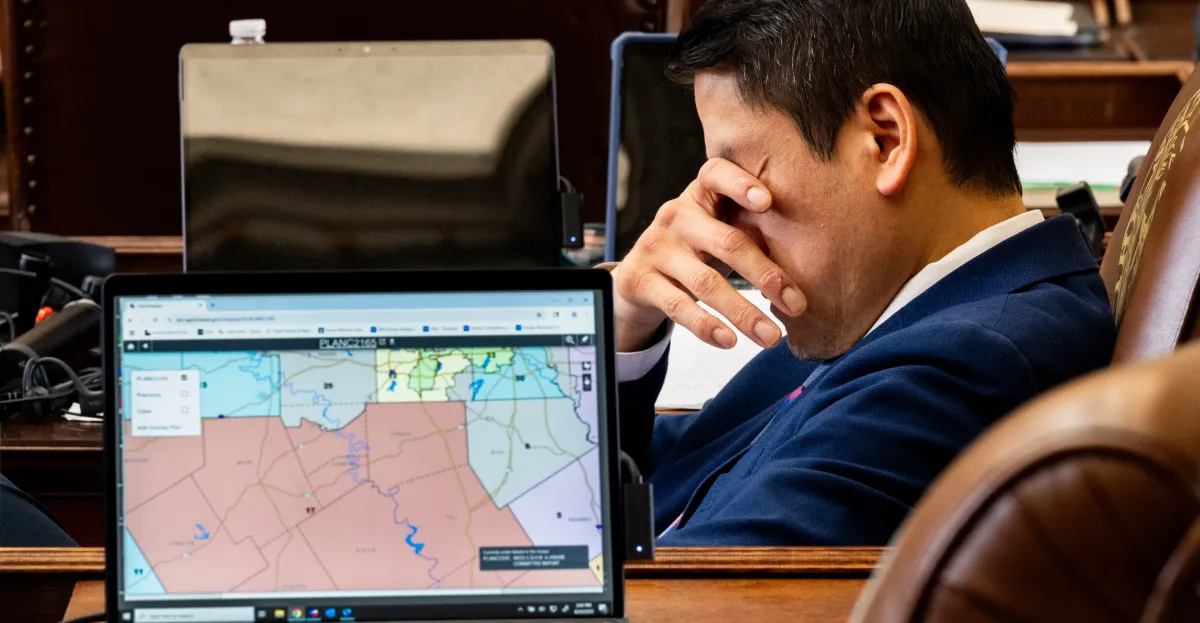
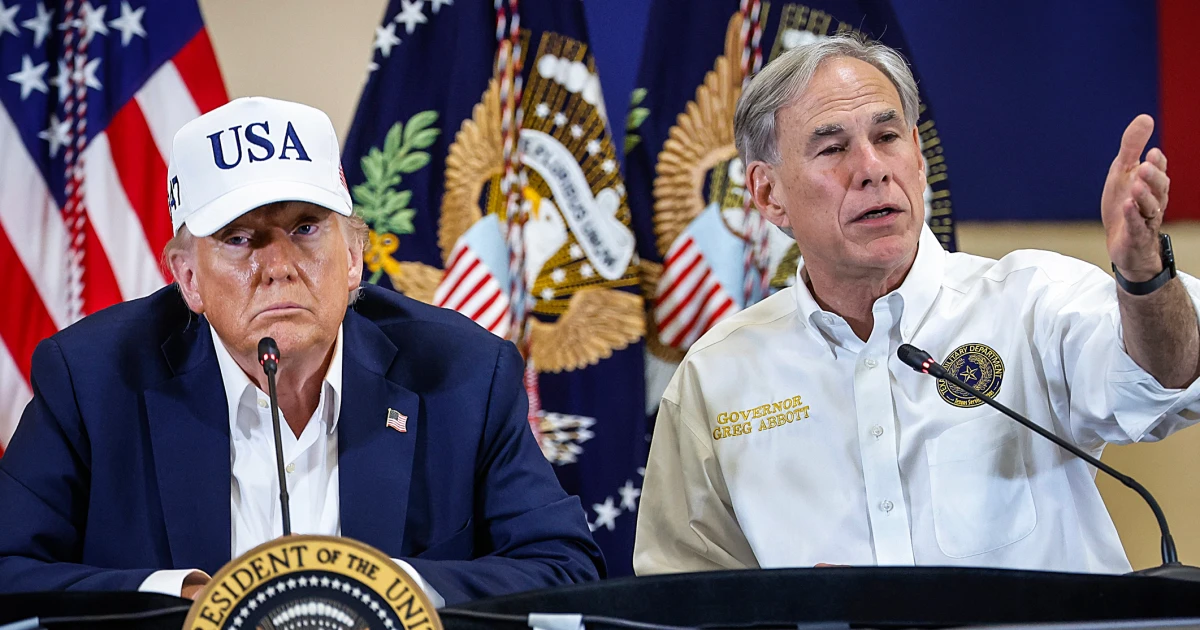
Texas has approved a controversial mid-decade redistricting plan to add five Republican-leaning congressional districts, aiming to influence the 2026 midterm elections, with potential repercussions for national control of the House. The move is part of a broader trend of partisan gerrymandering, with California and other states reacting or following suit, raising concerns about the fairness of electoral maps.
Chris Pratt defends his relative RFK Jr. and calls for reasonableness in political discourse, criticizing polarized views and media misrepresentation, while expressing support for some of RFK Jr.'s health initiatives and emphasizing the importance of judging policies individually.
Amid intense political maneuvering, both parties are aggressively pursuing redistricting strategies ahead of the 2026 midterms, with Republicans and Democrats attempting to influence district boundaries to favor their electoral prospects, leading to a significant escalation in partisan redistricting efforts.
The US Supreme Court, led by Chief Justice John Roberts, in a 5-4 decision, ruled that federal judges cannot review extreme partisan gerrymanders, effectively allowing states like Texas to draw districts favoring one party, which has significant implications for American democracy and electoral fairness.
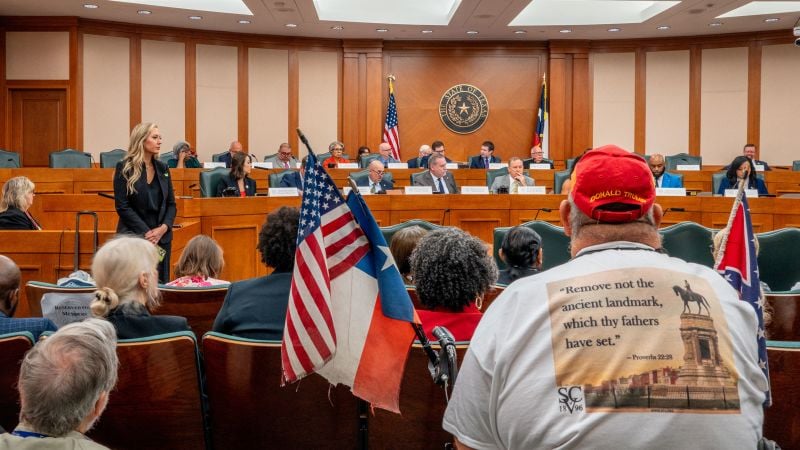
Texas is considering a new congressional map proposed by Republicans, which aims to favor GOP gains in the 2026 midterm elections by redrawing districts to include more white and Latino voters and reduce Black voters' representation. Democratic lawmakers are threatening to block the process through walkouts and legal challenges, arguing the map is racially discriminatory and gerrymandered to suppress minority votes. The outcome of these efforts could significantly impact Texas's political landscape and the balance of power in Congress.
Piers Morgan criticizes late-night hosts like Stephen Colbert for being partisan Democratic activists, suggesting this has contributed to Colbert's show being canceled. Morgan also comments on the political bias of other hosts and the broader political implications of late-night TV content.
Piers Morgan criticizes late-night hosts for being partisan activists for the Democrats, suggesting this contributed to Stephen Colbert's cancellation, and highlights a broader trend of political bias in comedy shows.