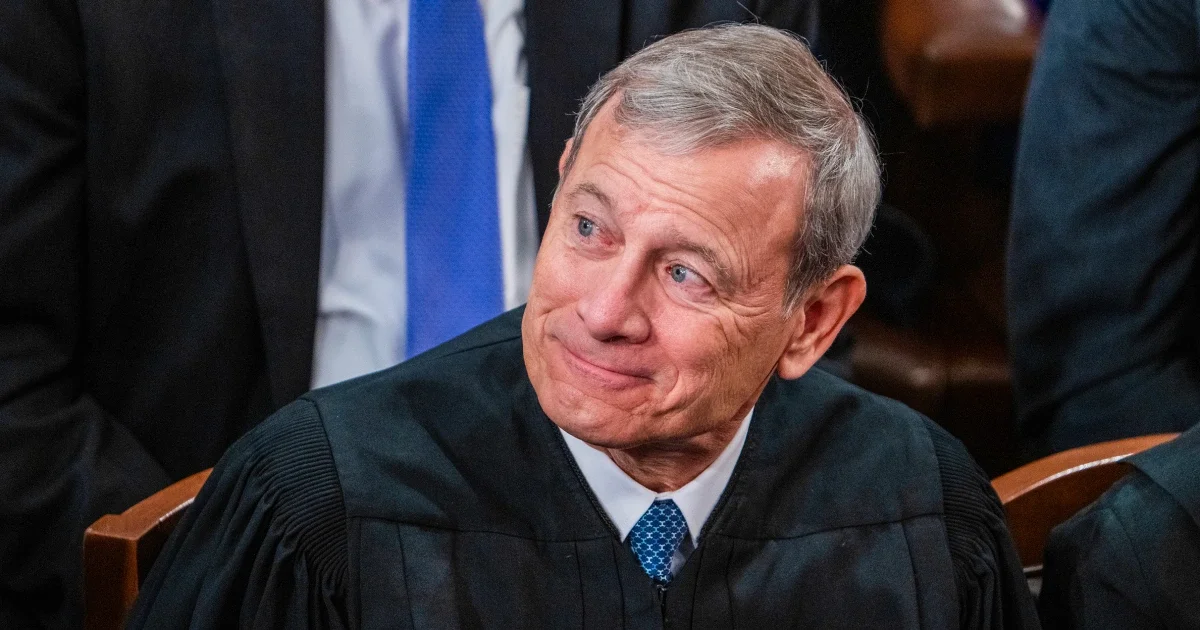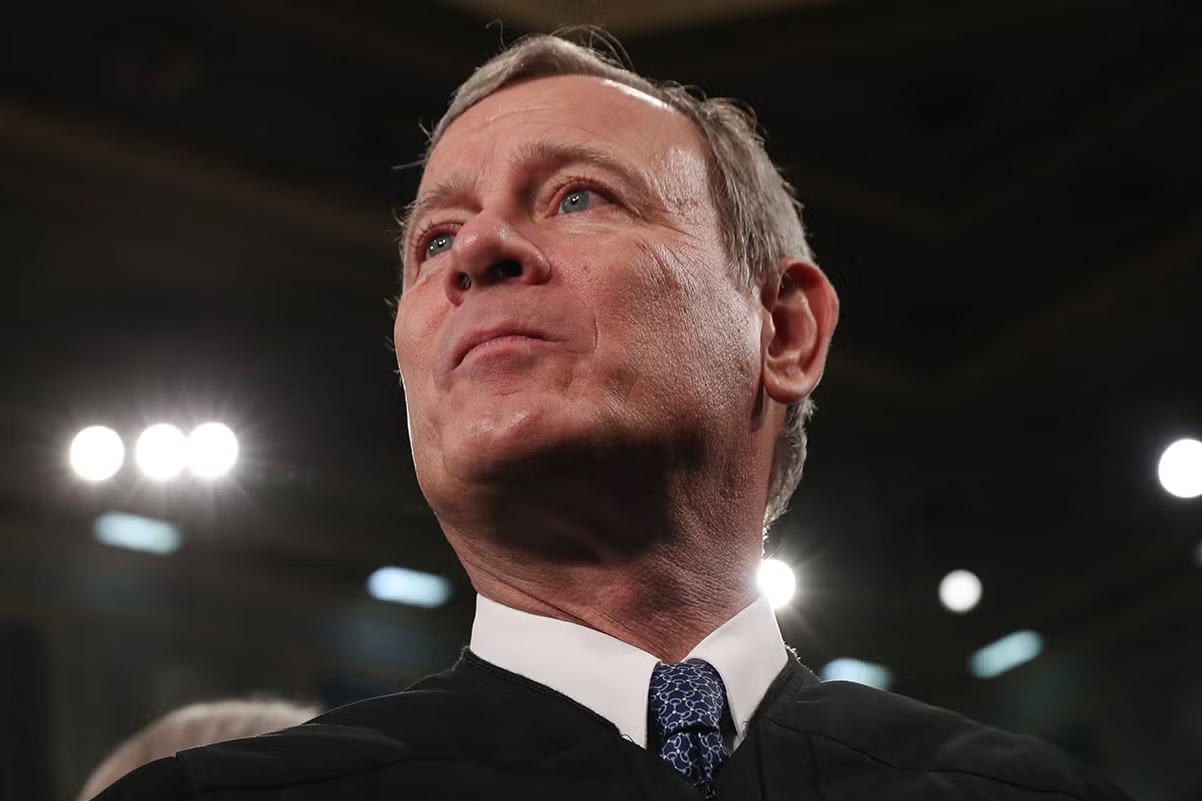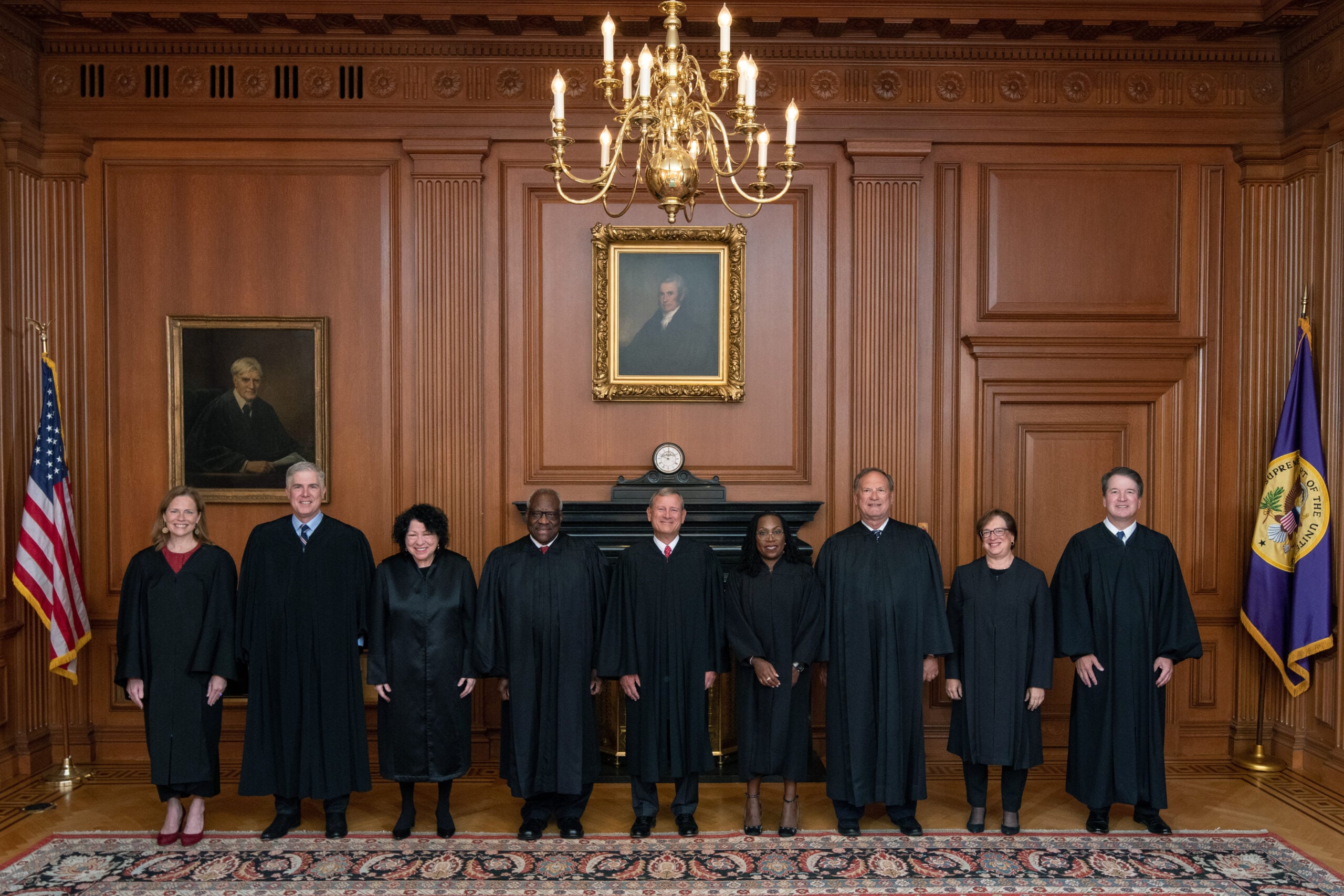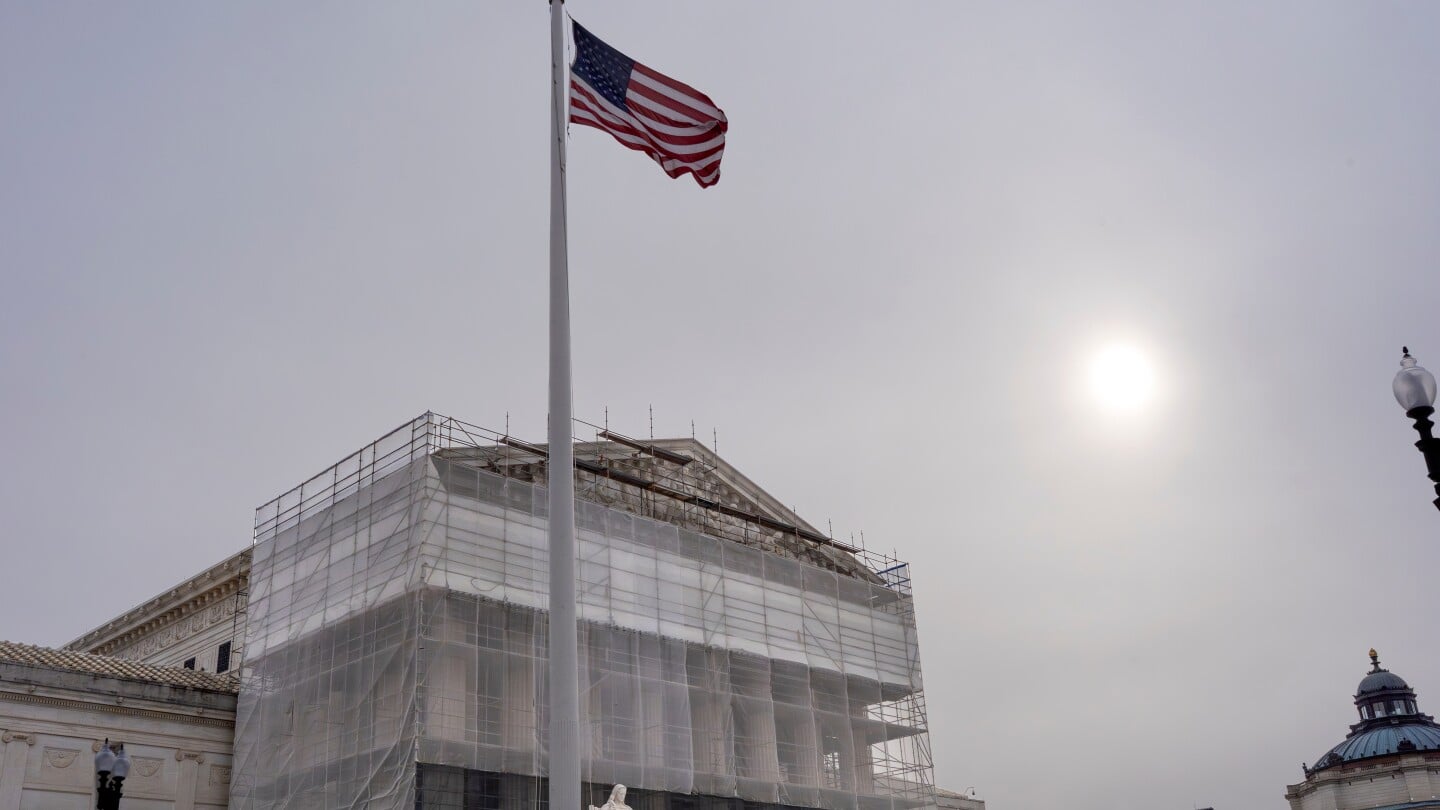
Chief Justice John Roberts affirmed the resilience of the U.S. Constitution amid a tumultuous year for the judiciary, emphasizing the importance of impartiality and adherence to the founding principles despite political and legal challenges, including significant Supreme Court decisions affecting the Trump administration.

Chief Justice John Roberts emphasized the importance of judicial independence and the Constitution in a historical-focused report, subtly addressing current partisan conflicts and the judiciary's role amid recent political tensions, especially relating to former President Trump.
Chief Justice John Roberts' year-end message focused on the history of the Declaration of Independence and the importance of judicial independence, while avoiding direct comments on contentious issues and threats facing judges, emphasizing the duty of judges to uphold the Constitution impartially.
Pakistan's controversial 27th constitutional amendment, which enhances military leadership powers and grants lifetime ranks to officers like Field Marshal Asim Munir, faces criticism from the UN over concerns about judicial independence and military accountability. Pakistan defends the move as a parliamentary matter, while the UN warns it was rushed and could undermine democratic and judicial processes.
As Chief Justice John Roberts enters his third decade, critics argue he has enabled President Trump’s lawless actions and failed to check executive power, with the court often siding with Trump on emergency appeals and controversial rulings that may embolden the former president. Despite some instances of resistance, Roberts' court is seen as increasingly aligned with Trump’s policies, raising concerns about judicial independence amid a polarized political climate.
Former Justice Stephen Breyer defended Judge William G. Young against accusations of defying a Supreme Court order, praising his honesty and respect for higher courts amid tensions within the judiciary over interpreting cryptic emergency rulings.
Lower court judges are increasingly criticizing the Supreme Court for its shadow docket decisions and perceived disregard for judicial independence, with some judges openly rebuking justices like Gorsuch and Kavanaugh, signaling a potential generational and ideological divide within the judiciary.
Lower federal judges are anonymously criticizing the Supreme Court's use of the shadow docket, arguing that its opaque decisions favor the Trump administration, undermine lower courts, and threaten judicial independence amid rising threats and political tensions.
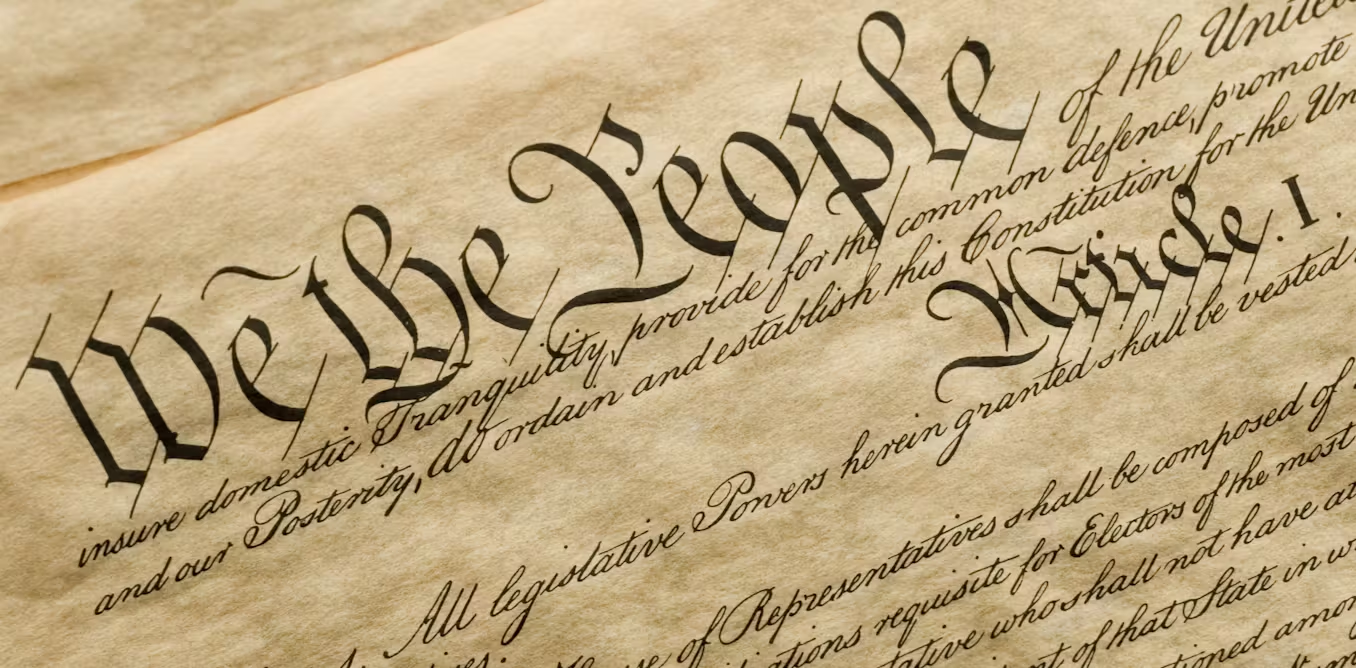
The article discusses the frustration among federal judges, especially lower courts, with the Trump administration's defiance of court orders and the Supreme Court's unclear rulings, highlighting the importance of judicial independence and constitutional articles defining the powers of Congress, the presidency, and the judiciary.
Justice Amy Coney Barrett's new book, 'Listening to the Law,' aims to explain her judicial reasoning and rebuild public trust in the Supreme Court amid political polarization and recent controversial decisions, while emphasizing her commitment to neutrality and the rule of law.
A group of federal judges criticize the Supreme Court for rapidly overturning lower court rulings involving the Trump administration with minimal explanation, which they believe undermines judicial integrity and emboldens political criticism, while also raising concerns about the safety of judges amid increasing threats and the Court's opaque decision-making process.
A federal judge dismissed the Trump administration's lawsuit against all 15 Maryland federal judges, which challenged a court order stopping immediate deportations of migrants, citing respect for judicial independence and constitutional principles.
A US federal judge dismissed Donald Trump's lawsuit against Maryland's federal judges, which accused them of abusing their powers, citing concerns over the unprecedented nature of the suit and its potential impact on judicial independence. The lawsuit, initiated by the Trump administration, aimed to challenge court orders related to immigration enforcement, but was seen as an attack on the judiciary's authority. The judge emphasized the importance of respecting the separation of powers and dismissed the case to uphold constitutional tradition.
A federal judge dismissed a lawsuit filed by the Trump administration against the entire federal bench in Maryland, criticizing the suit as unusual and potentially harmful, and highlighting the administration's attacks on judges who ruled against it.
A federal judge dismissed the DOJ's lawsuit against Maryland federal judges over a temporary deportation freeze, citing that the case overstepped legal precedent and the separation of powers, emphasizing the judiciary's independence amid ongoing immigration disputes.