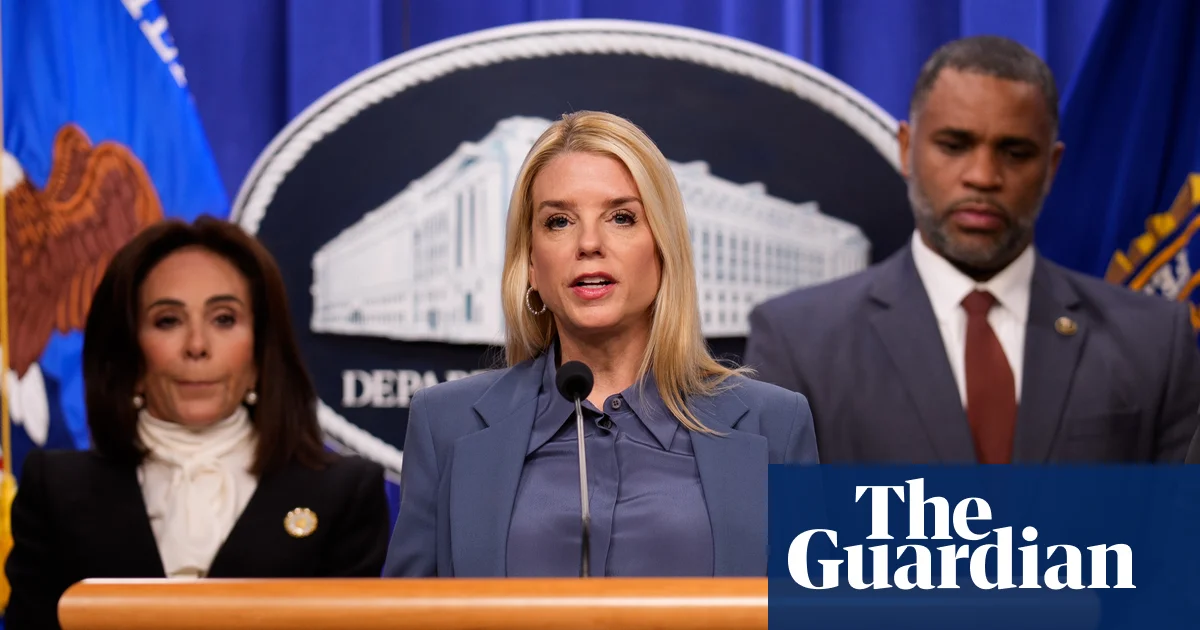
Joseph Tirrell, a top ethics official at the DOJ, was unexpectedly fired after training Pam Bondi on ethics rules, amid broader concerns about politically motivated dismissals of federal employees, raising fears about the politicization of the department.

The Trump administration's OPM proposes stricter rules for probationary federal employees, limiting their ability to appeal dismissals and shifting adjudication to OPM's own office, aiming to streamline processes and increase accountability amid broader probation reforms.
The Office of Personnel Management proposes to overhaul the Senior Executive Service candidate development programs by standardizing content, shortening timelines to 9-12 months, increasing training hours, and adding mentorship and developmental assignments to better prepare federal employees for senior leadership roles, aiming to create a more consistent and effective leadership pipeline across government agencies.
The article provides essential guidance for federal employees approaching retirement, covering key decisions such as final separation, withdrawal of retirement applications, returning to federal employment, managing leave, choosing survivor benefits, handling military service credit, and maintaining health and life insurance, to ensure a smooth transition and optimal benefits.
A federal judge in San Francisco has ordered the reversal of hundreds of layoffs of federal employees that were finalized during the recent government shutdown, citing violations of a stopgap spending bill that prohibited such layoffs until January 30, 2026. The ruling impacts about 680 employees across several agencies and emphasizes the legal obligation to halt these reductions, with ongoing debates about the administration's interpretation of the law.
The US government shutdown has ended, leading to the return of furloughed federal employees who will receive back pay, and the rescinding of layoffs, with agencies preparing for a backlog of work and ongoing funding until January 30, 2026.
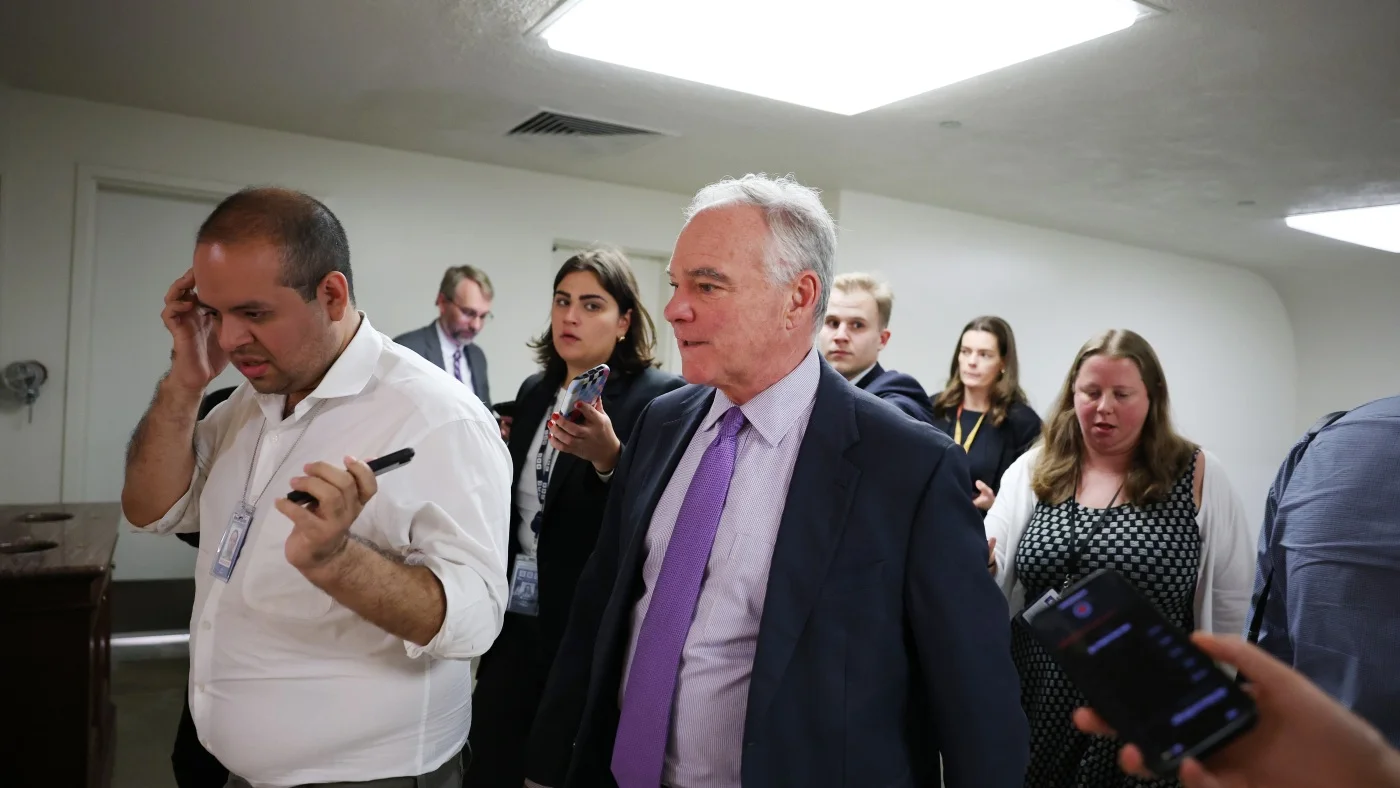
A bipartisan Senate agreement has taken the first step to reopen the U.S. government by funding it through January 30, including provisions for federal employee backpay and protections, though the legislation still needs House approval. The deal faces opposition from some Democrats over healthcare issues, highlighting ongoing political divisions.
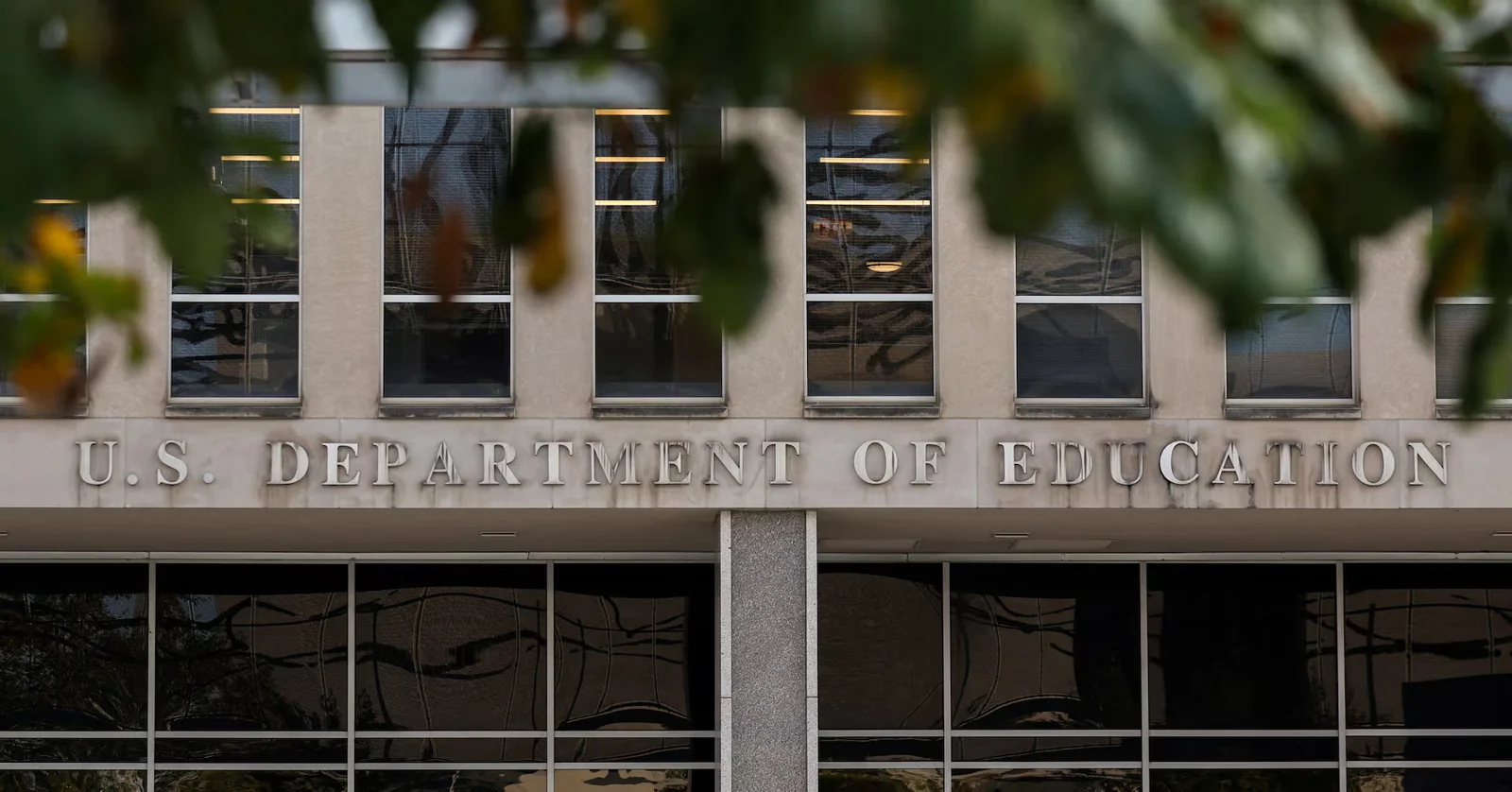
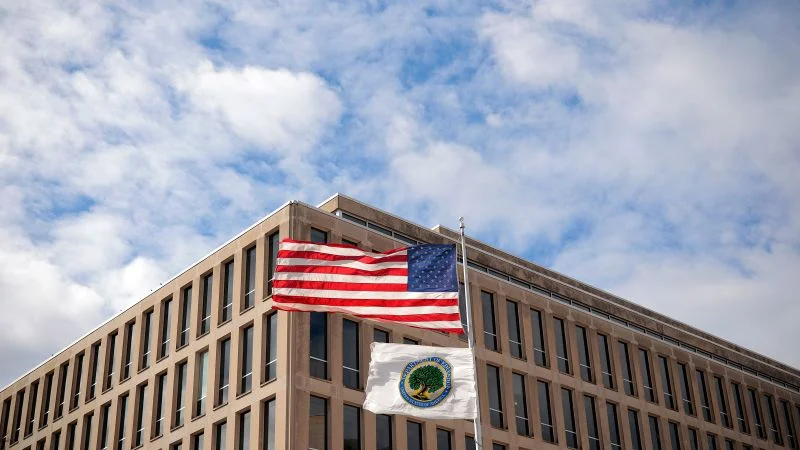
A U.S. federal judge ruled that the Department of Education violated employees' free speech rights by altering their out-of-office emails to blame Democratic Senators for the government shutdown, ordering the removal of such partisan messages.
A federal judge ruled that the Department of Education violated the First Amendment rights of employees by editing their out-of-office emails to blame Democrats for the government shutdown, permanently barring such partisan modifications.
The U.S. government shutdown is costing the economy approximately $7 billion per month, with potential total losses reaching up to $14 billion if it lasts eight weeks, according to the Congressional Budget Office, which also notes negative macroeconomic effects and unpaid federal workers.
Congressional staffers are warned that their October paychecks will be delayed if the government shutdown continues into November, with additional impacts on student loan payments and federal employees' pay, highlighting the personal toll of the shutdown on government workers.
A federal judge in San Francisco has indefinitely blocked the Trump administration from firing federal workers during the government shutdown, citing likely legal violations and political motivations, as labor unions challenge the layoffs and cuts to social programs amid ongoing political negotiations.
Democrats and Republicans are at a crossroads over the federal government shutdown, with Democrats blaming Trump and Republicans debating tactical votes, as lawmakers struggle to reach an agreement to fund federal agencies and avoid further disruptions.
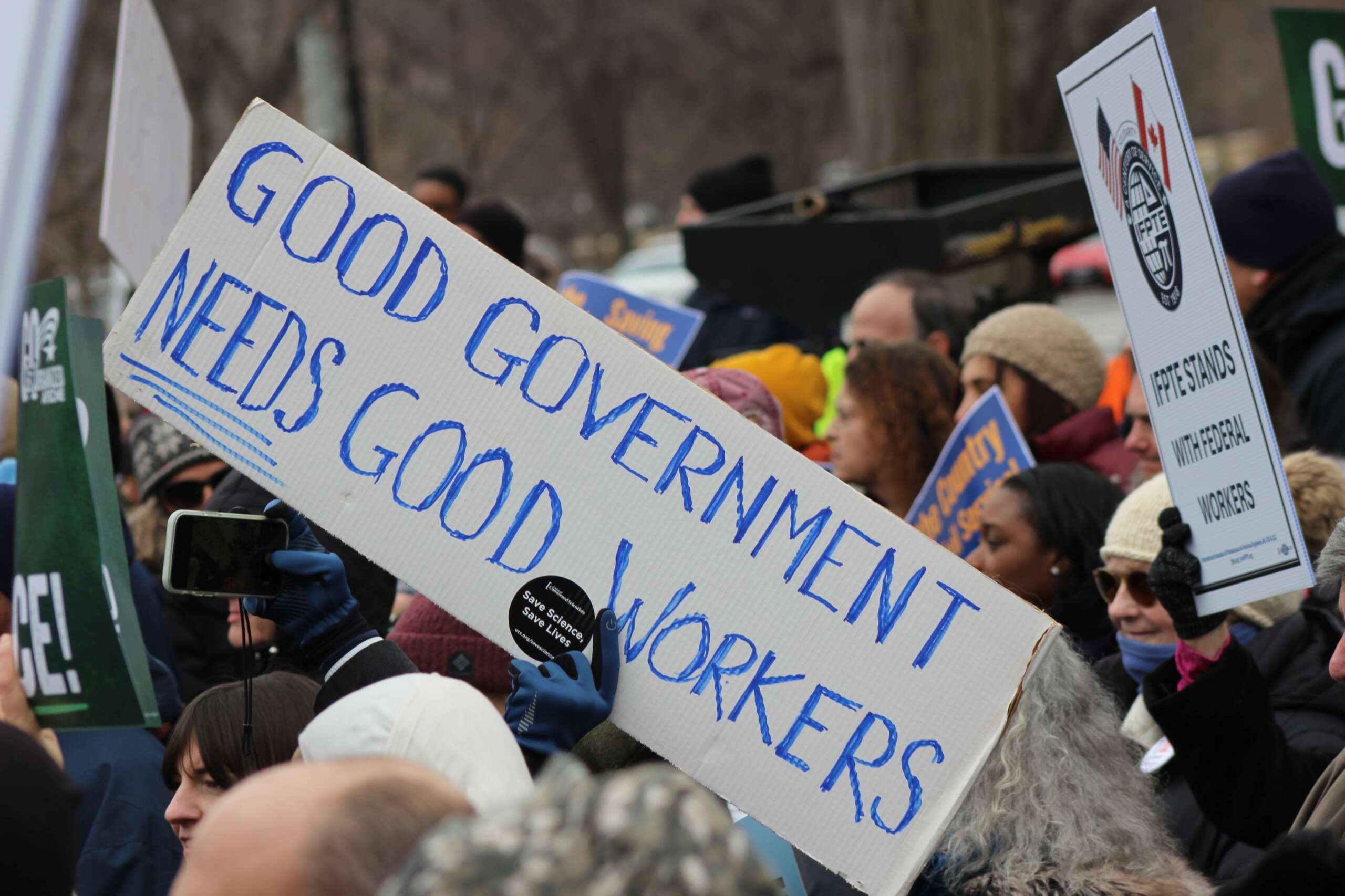
Many federal employees are experiencing financial difficulties due to the ongoing government shutdown, with about 1.4 million missing their full paychecks, including air traffic controllers facing delays and stress, and furloughed workers relying on savings or side jobs to cope with the economic impact.
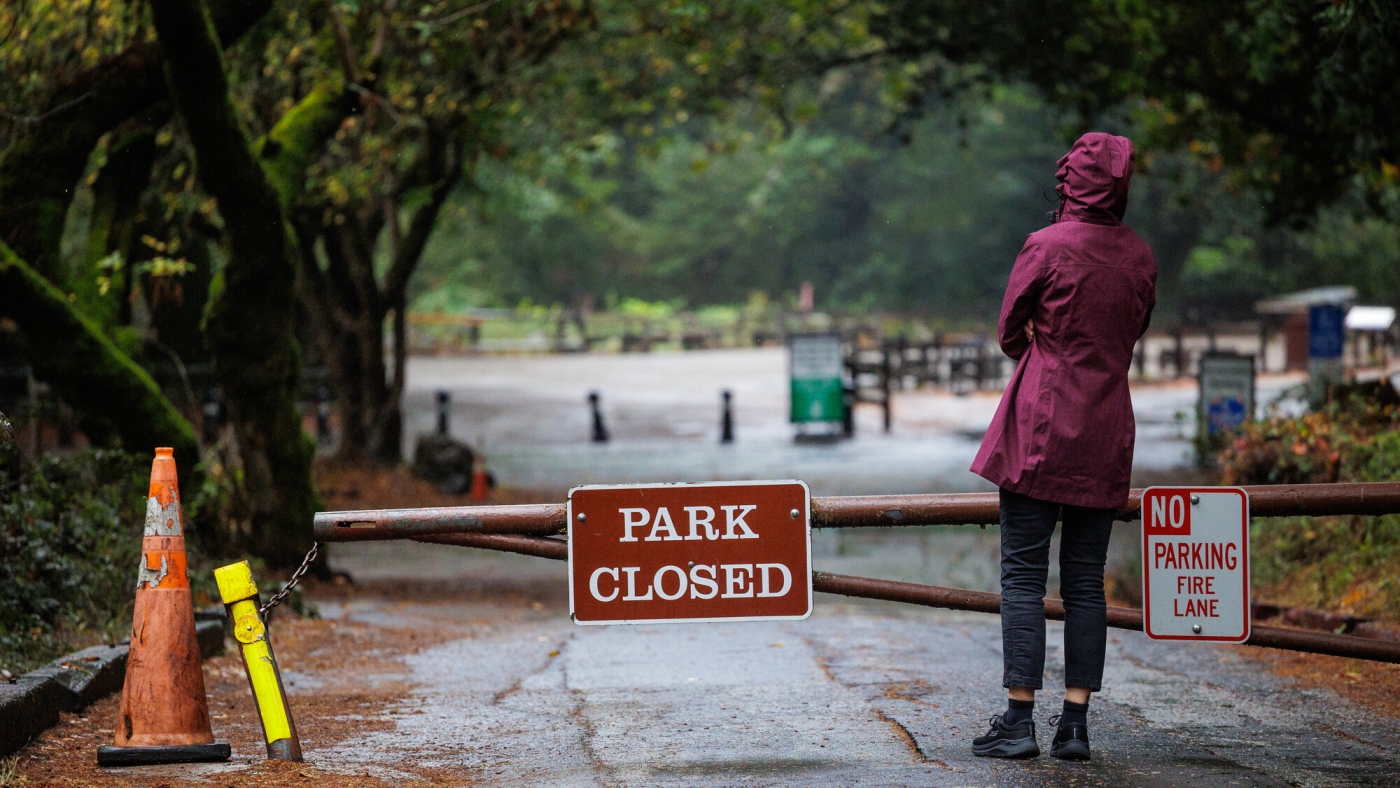
The ongoing federal government shutdown has led to widespread impacts across the U.S., including delayed pay for 1.4 million federal workers, closures of national parks and monuments, disruptions in food assistance programs like SNAP and WIC, and ongoing operations for USPS and essential services like the military and law enforcement. The shutdown stems from partisan disagreements over healthcare subsidies, with varied effects depending on the state, and efforts continue to mitigate its consequences.