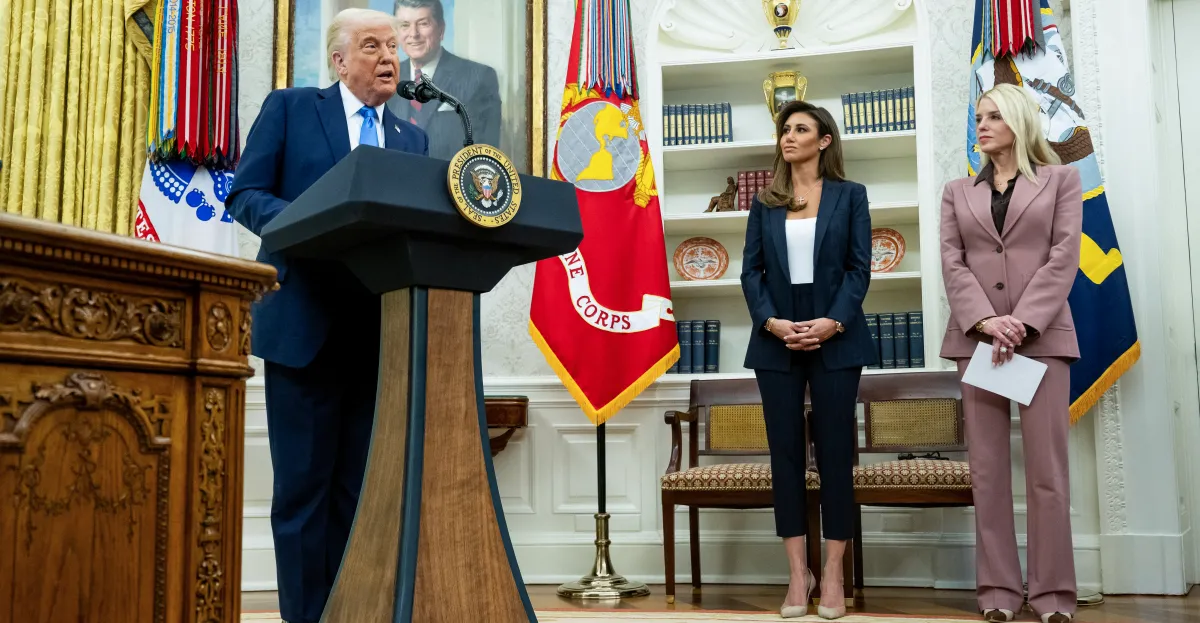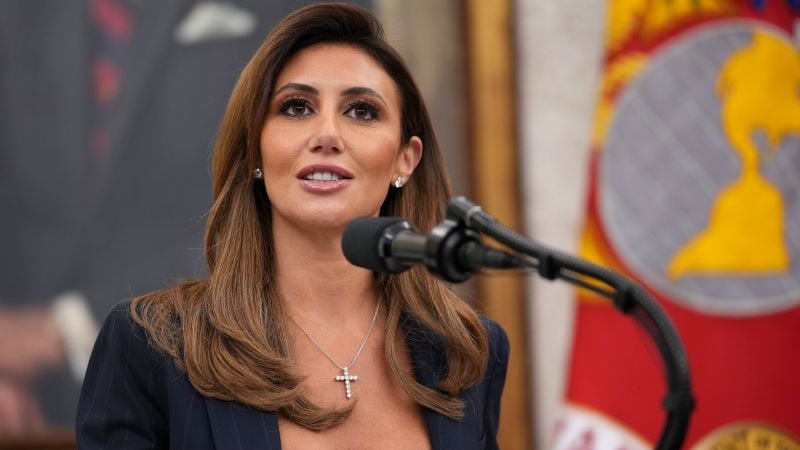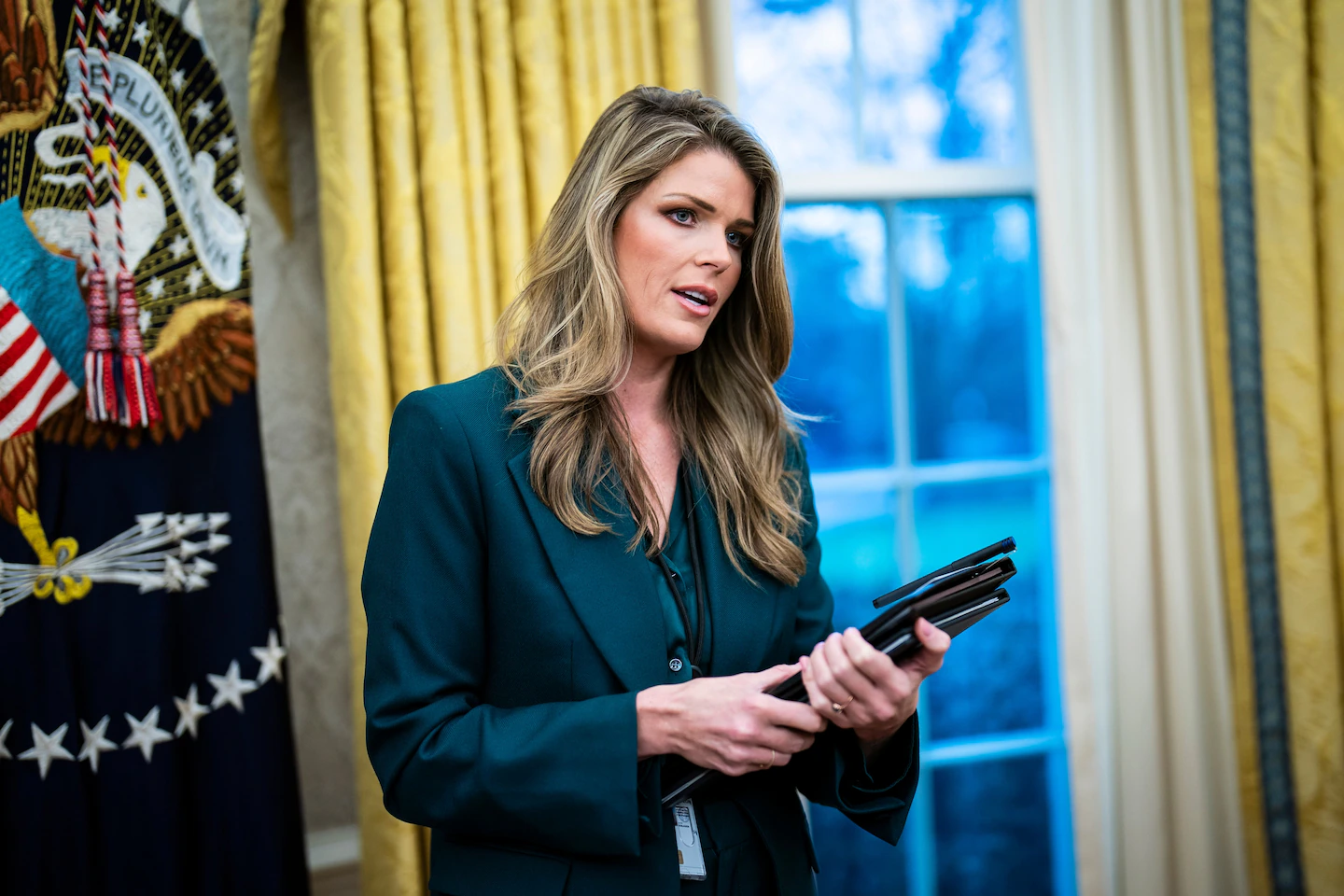
President Trump’s attempt to appoint Lindsay Halligan as U.S. attorney in Virginia faces opposition from Democratic senators due to her lack of prosecutorial experience and concerns over political influence, highlighting ongoing tensions over judicial and attorney appointments and the use of the blue slip process in the Senate.
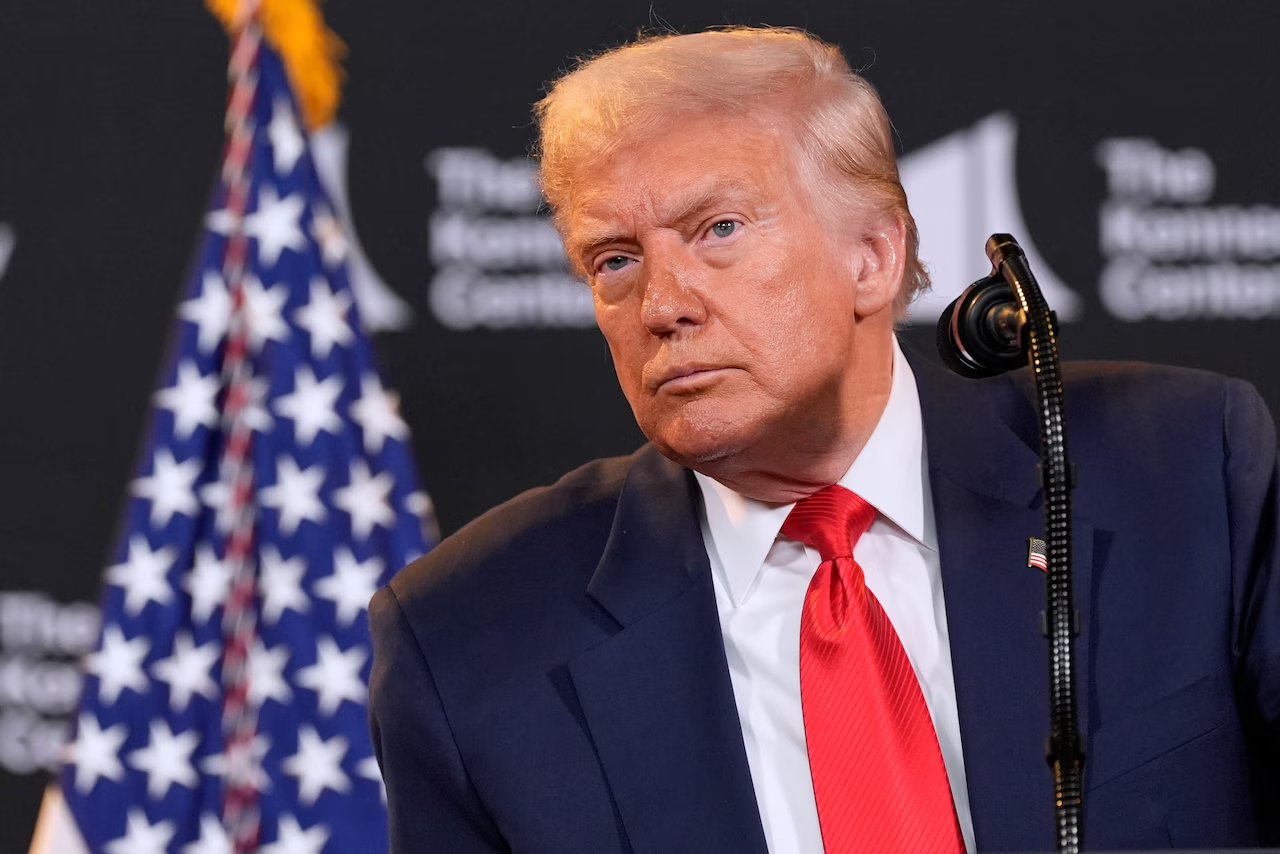
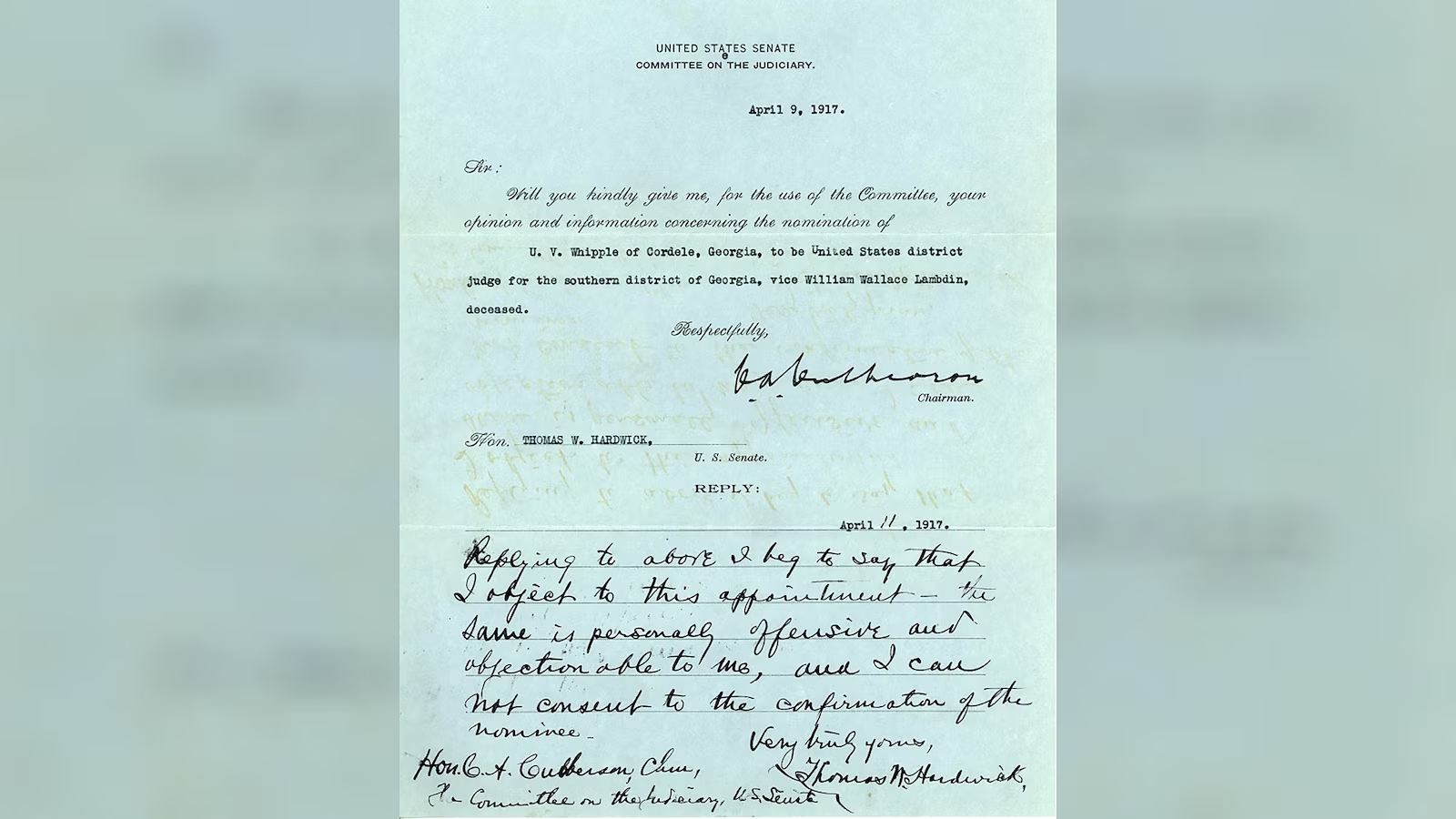
President Donald Trump criticizes the century-old Senate tradition of the blue slip process for judicial nominations, calling it outdated and unconstitutional, while Republicans defend it as a necessary safeguard, amid ongoing disputes over judicial appointment procedures and Senate rules.
President Trump is pushing to end the century-old Senate 'blue slip' tradition that allows home state senators to approve or object to judicial nominees, facing resistance from Senate Republicans like Chuck Grassley who defend the tradition. Trump argues the process is unconstitutional and plans to file a lawsuit, while Senate Republicans warn that abolishing it could lead to more liberal judges being confirmed, emphasizing the tradition's importance in Senate governance.
The article discusses the potential for former President Trump to influence Washington D.C.'s judicial system by filling vacancies in the understaffed local courts, which are crucial for public safety and crime management, amid ongoing debates about the authority of the Judicial Nomination Commission and the challenges in confirming local judges.
The article discusses how the contentious confirmation of Judge Bove, amid lingering tensions from Brett Kavanaugh's saga, continues to deepen partisan divides in the Senate, with ongoing debates over judicial nominations, procedural norms, and the influence of political loyalty in the process.
President Donald Trump has called for the elimination of the 'Blue Slip' tradition in the Senate, a process that allows home-state senators to veto judicial and federal prosecutor nominations, arguing it is a 'SCAM' and seeking to influence judicial appointments.
Senate Majority Leader John Thune rejected President Trump's call to end the longstanding bipartisan 'blue slip' tradition in judicial nominations, emphasizing its importance and noting both parties have historically used it to block nominees. Trump had urged breaking the tradition to expedite stalled nominations, but most Senate Republicans support maintaining it, citing the need for community-based judicial appointments and opposition to partisan obstruction.
Senate Judiciary Chair Chuck Grassley expressed offense at President Trump's public pressure to end the blue slip policy for judicial nominations, highlighting ongoing partisan debates over judicial appointment processes amid broader political tensions. Trump has been urging Grassley to change the policy, which allows home state senators to object to judicial nominees, but Grassley and other Senate leaders have shown resistance, emphasizing the importance of bipartisan support and established procedures.
The Senate confirmed Emil Bove to the Third Circuit despite allegations from three whistleblowers and Democratic opposition, with Republicans largely supporting the nomination and concerns raised about Bove's impartiality and past actions.
Senate Republicans are considering changing rules or allowing recess appointments to expedite President Trump's judicial nominations amid frustrations with Democratic delays, with discussions about potential rule modifications and the possibility of adjourning the Senate to enable recess appointments, though no decisions have been made yet.
The White House is using a legal maneuver to keep Trump ally Alina Habba as New Jersey's acting US attorney after her interim term was set to expire, amid a broader struggle to confirm Trump's US attorney nominees due to political and judicial conflicts, delays, and controversial selections, impacting the Department of Justice's effectiveness and stability.
The article discusses the controversial nomination of Emil Bove, a former Trump lawyer, to the US Court of Appeals, highlighting concerns about cronyism and the potential for Bove to influence the Supreme Court, reflecting broader issues of loyalty and ideology in judicial appointments.
Senate Democrats protested the committee's move to advance Trump's judicial nominee Bove, citing concerns over the nominee's past conduct and the process's decorum, while Republicans defended the procedure, highlighting past bipartisan actions. The controversy centers on allegations against Bove related to court conduct and temperament, with Democrats seeking further testimony before a vote, which was rejected by Republicans.
Over 900 former DOJ employees have urged the Senate to reject Emil Bove's nomination to the Third Circuit Court of Appeals, citing concerns over his leadership style, actions during the Trump administration, and alleged disregard for judicial norms. Bove's nomination faces opposition from Democrats and support from Republicans, amid controversy over his past conduct and whistleblower allegations. The vote is scheduled as part of the Senate Judiciary Committee proceedings.
The article discusses the renewed partisan battles over federal judicial nominations during Trump's presidency, highlighting the contentious hearing for Emil Bove, a Trump appointee, and the broader implications for the judiciary's role in politics amid ongoing political tensions.