Tag

Oxygenation

All articles tagged with #oxygenation

science2 years ago

Unraveling the Origins of Oxygenating Algae: Scientists Shed Light on Ancient Formation

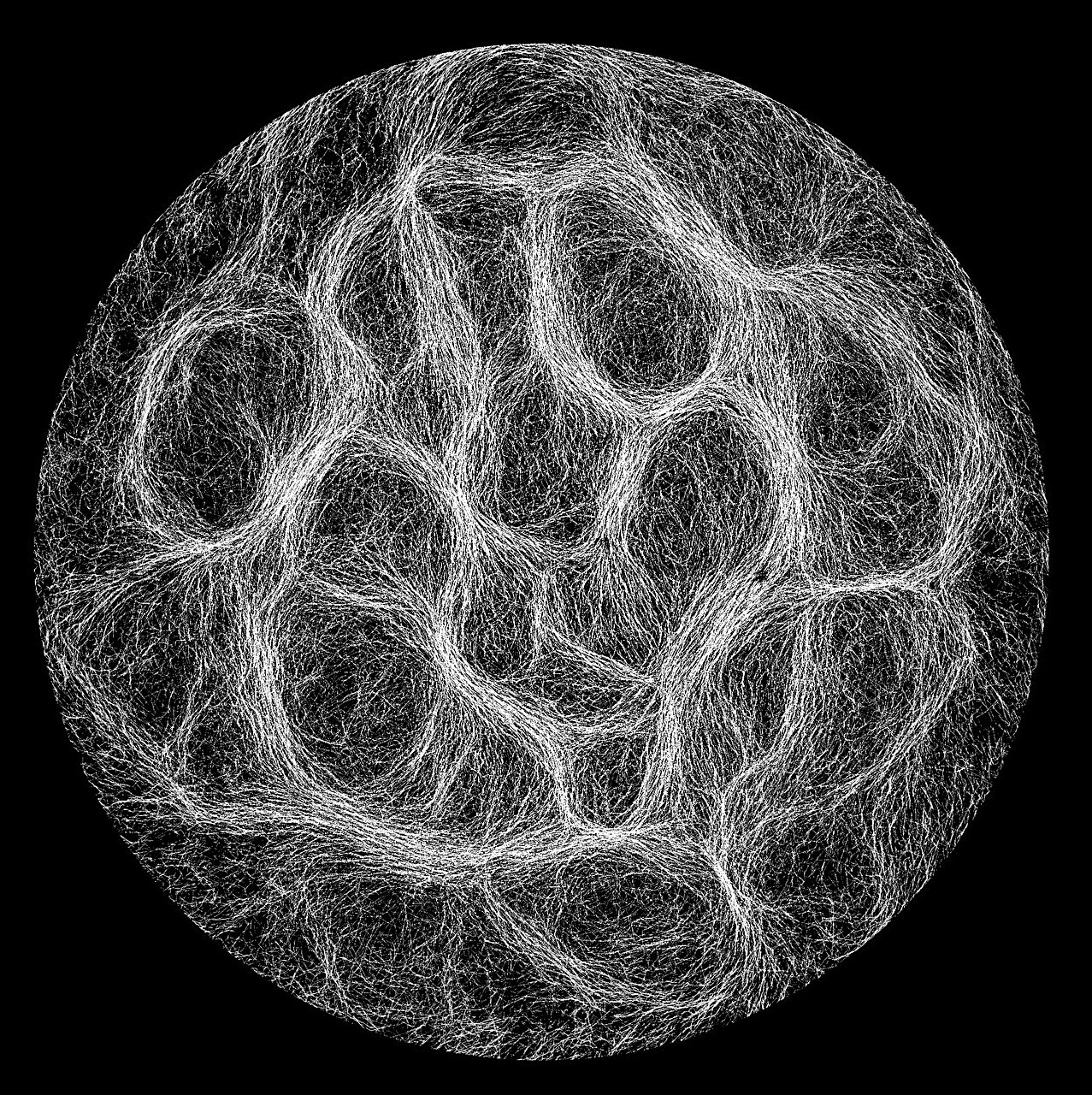
Scientists have discovered the physical mechanism behind the web-like structures formed by cyanobacteria, ancient algae that played a crucial role in the evolution of our planet by developing photosynthesis and oxygenating the Earth. Using advanced microscopy techniques, simulations, and theoretical models, researchers found that interactions between the filaments of cyanobacteria cause them to bundle together and build structures. The findings provide insights into how different types of bacteria self-organize and could improve our understanding of bacterial biofilms and their impact on human infections, environmental degradation, and bioengineering.

science2 years ago

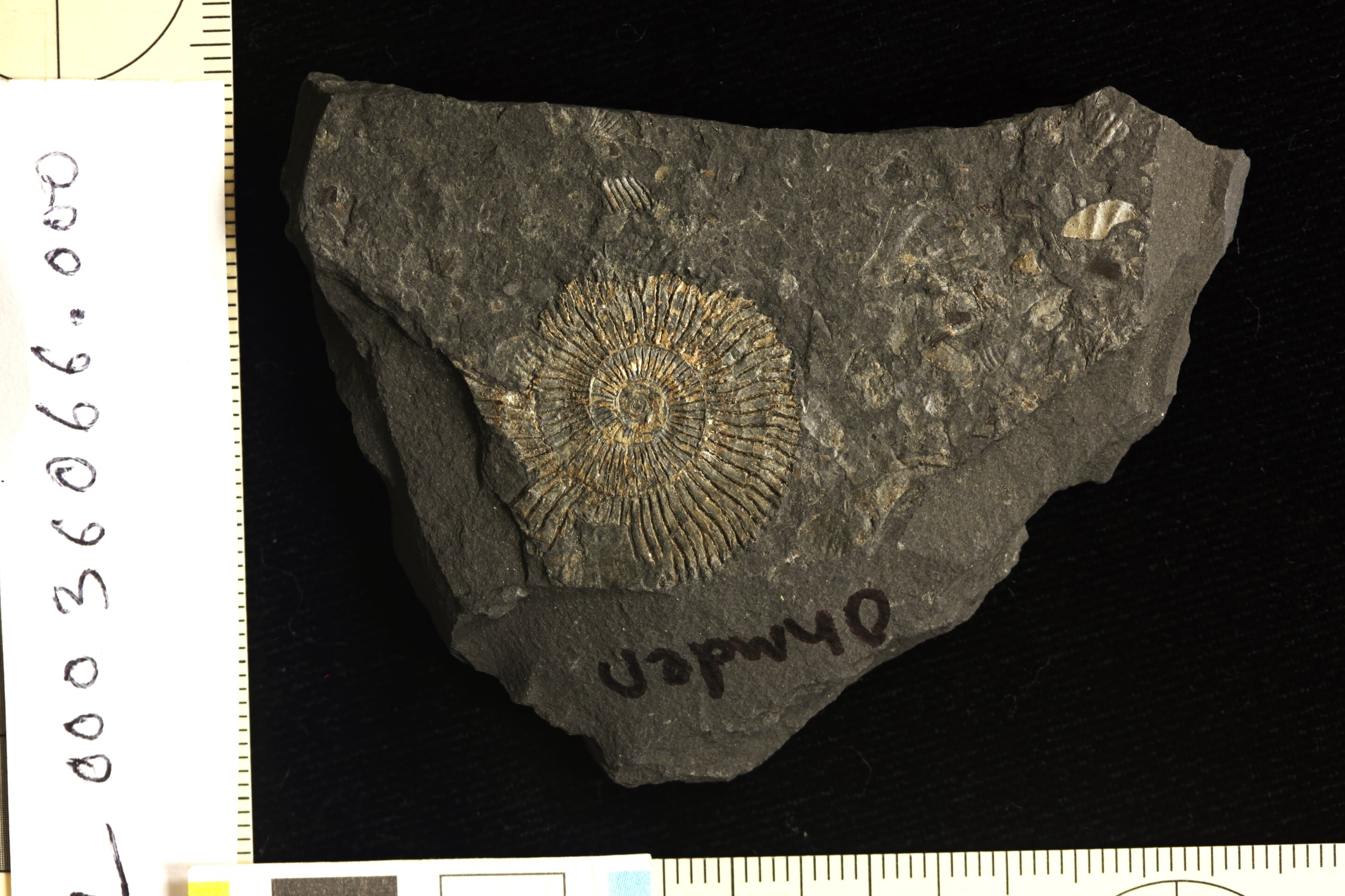
The Secret Behind the Radiant Glow of "Golden" Fossils Revealed

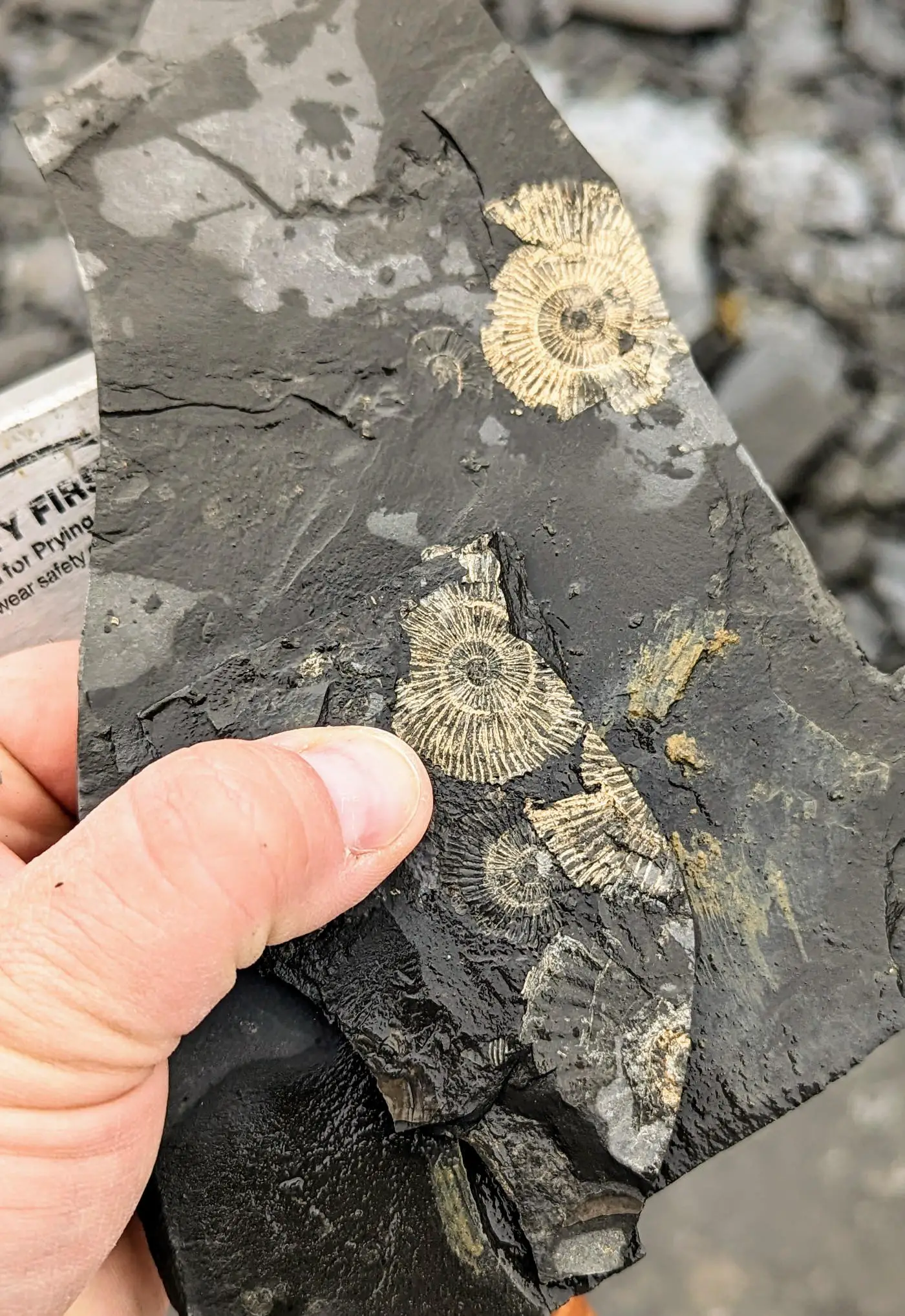
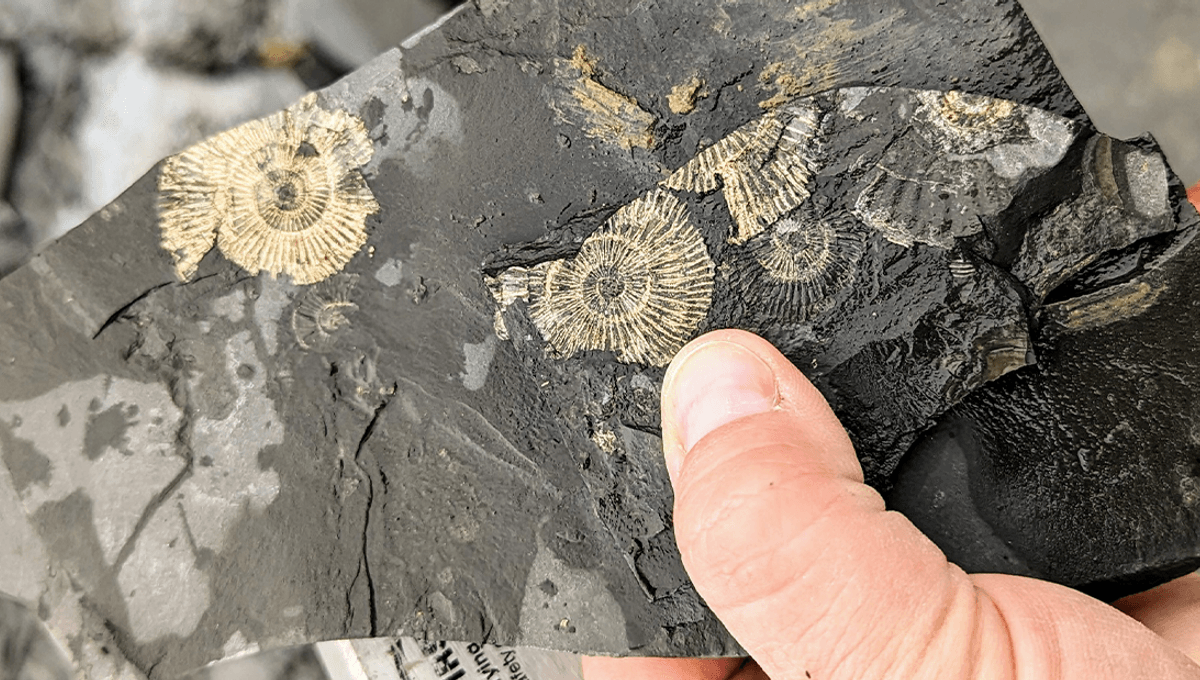
Scientists from The University of Texas at Austin have discovered that the golden shimmer of fossils from Germany's Posidonia shale is not due to pyrite (fool's gold) as previously believed, but rather a blend of minerals. The fossils, which are among the world's best-preserved specimens of sea life from the Early Jurassic, primarily consist of phosphate minerals. This finding provides insights into the fossilization process and the role of oxygen in their formation. The research challenges long-standing theories about exceptional fossil preservation and highlights the importance of oxygenation in enhancing preservation.

science2 years ago

"Link Found Between Earth's Oxygen and Evolution of Animals"

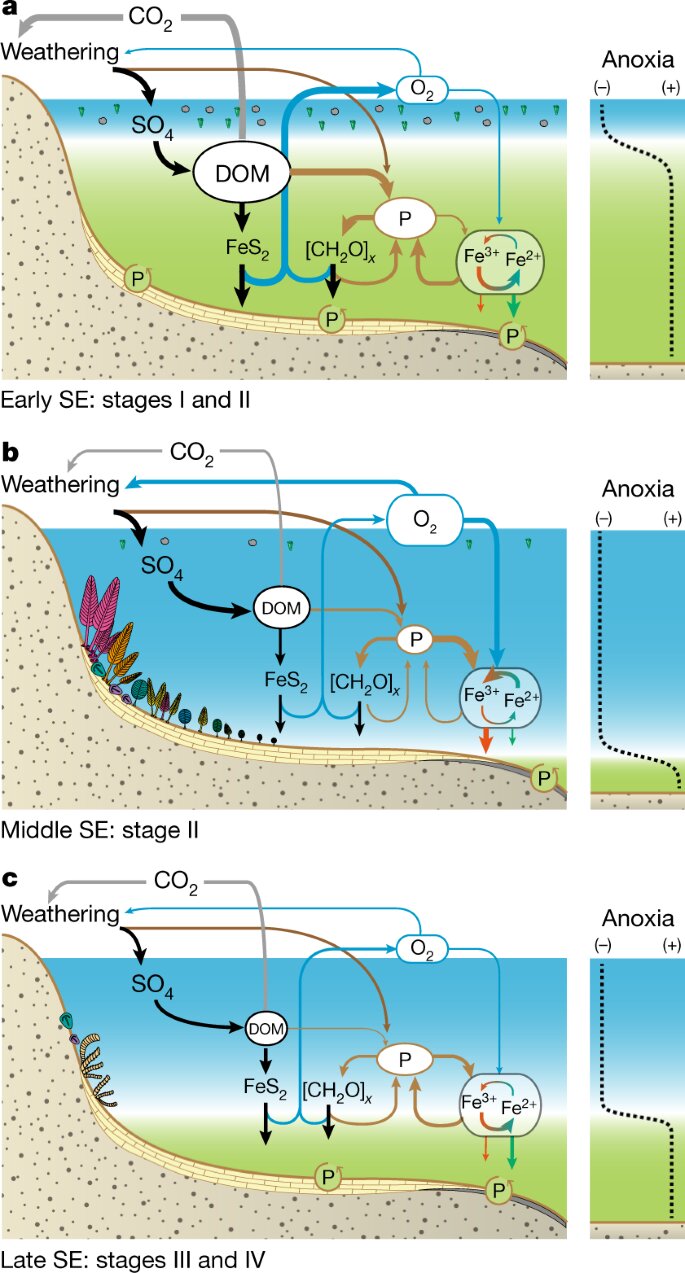
A new study suggests that sulfate, rather than phosphorus, was the main control in the oxygenation of the planet during the first major evolution of complex life, which could explain the prolonged low levels of oxygen throughout Earth's history and the late evolution of animal life on Earth. The study also holds implications about the possibility of intelligent life on other planets, suggesting that planets around stars larger than the sun may not develop complex intelligent life due to the relatively short lifetime of large stars.

science2 years ago

The Evolution of Earth's Breathable Atmosphere.

The Great Oxygenation Event, which occurred around 2.4 billion years ago, transformed Earth's atmosphere from an unbreathable environment to a breathable one. The rise of oxygen is attributed to both the evolution of life and the evolution of the planet. Life began producing oxygen through photosynthesis, but it took two more big lifts of oxygen over the succeeding 2 billion years before it reached breathable levels. Earth's loss of hydrogen pushed it towards an oxidizing environment, which helped in the rise of oxygen. This history affects how we might interpret signs of life on exoplanets.

science2 years ago

The Evolution of Earth's Breathable Atmosphere.

The Great Oxygenation Event, which occurred around 2.4 billion years ago, transformed Earth's atmosphere from an unbreathable environment to a breathable one. However, it took two more big lifts of oxygen over the succeeding 2 billion years before it reached breathable levels. The question of whether the evolution of life or the evolution of the planet was more responsible for oxygen's rise on Earth remains unanswered. The rise of oxygen on Earth affects how we might interpret signs of life on exoplanets.

nature2 years ago

Golden Fossils Unveil Fossilization Process from 183 Million Years Ago

Researchers have discovered that the golden shine on 183 million-year-old fossils found in the Posidonia Shale in southwest Germany is not due to pyrite, but rather the fossils are mostly made up of phosphate minerals. The fossils, particularly those of soft-bodied sea life, were preserved in anoxic conditions, but an influx of oxygen was needed to encourage the chemical processes needed for this kind of fossilization. The study sheds light on the environment in which these fossils were formed and is published in Earth Science Reviews.

paleontology2 years ago

Uncovering the Origins of Exceptional Fossil Preservation.

Scientists at The University of Texas at Austin and collaborators found that the golden hue of fossils from Germany's Posidonia shale is not from pyrite, but from a mix of minerals that hints at the conditions in which the fossils formed. The fossils, which are among the world's best-preserved specimens of sea life from the Early Jurassic, are primarily made up of phosphate minerals, revealing key details about the fossilization environment. The research suggests that although an anoxic seafloor sets the stage for fossilization, it took a pulse of oxygen to drive the chemical reactions needed for fossilization.