
Uncovering the Origins of Exceptional Fossil Preservation.
TL;DR Summary
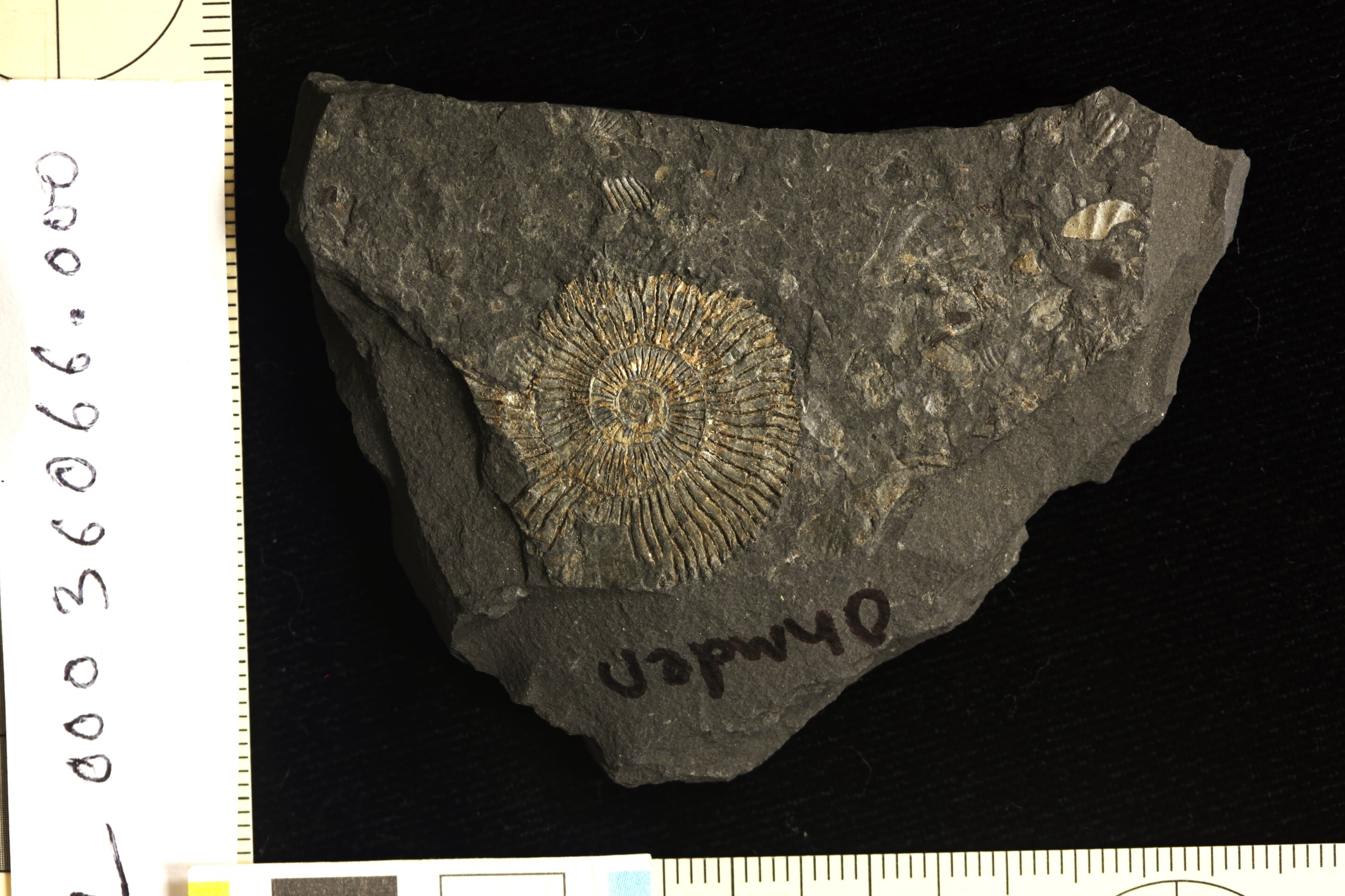
Scientists at The University of Texas at Austin and collaborators found that the golden hue of fossils from Germany's Posidonia shale is not from pyrite, but from a mix of minerals that hints at the conditions in which the fossils formed. The fossils, which are among the world's best-preserved specimens of sea life from the Early Jurassic, are primarily made up of phosphate minerals, revealing key details about the fossilization environment. The research suggests that although an anoxic seafloor sets the stage for fossilization, it took a pulse of oxygen to drive the chemical reactions needed for fossilization.
Reading Insights
Total Reads
0
Unique Readers
1
Time Saved
3 min
vs 4 min read
Condensed
86%
692 → 98 words
Want the full story? Read the original article
Read on Phys.org