A new study suggests that the weathering of sulfate rocks, not increasing ocean phosphorus levels, was crucial to the oxygenation of Earth’s atmosphere, influencing the late evolution of animal life. The study also indicates that potential for complex intelligent life on other planets might require longer incubation times.
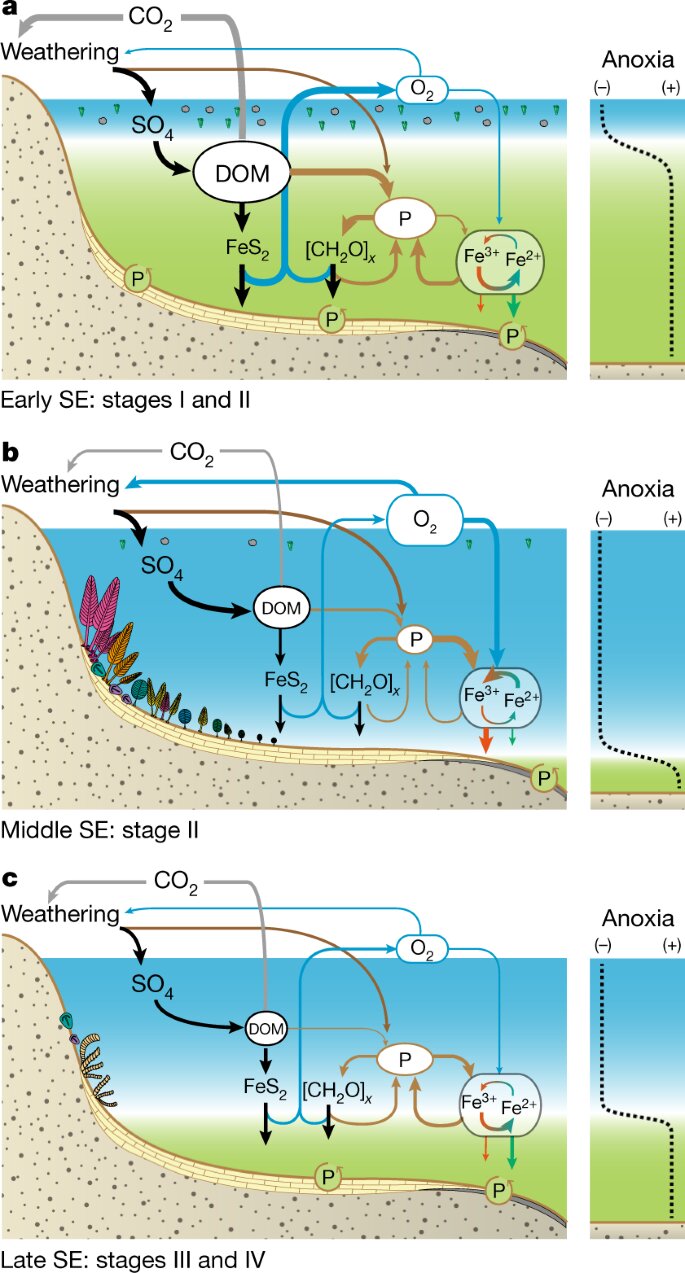
A new study suggests that sulfate, rather than phosphorus, was the main control in the oxygenation of the planet during the first major evolution of complex life, which could explain the prolonged low levels of oxygen throughout Earth's history and the late evolution of animal life on Earth. The study also holds implications about the possibility of intelligent life on other planets, suggesting that planets around stars larger than the sun may not develop complex intelligent life due to the relatively short lifetime of large stars.
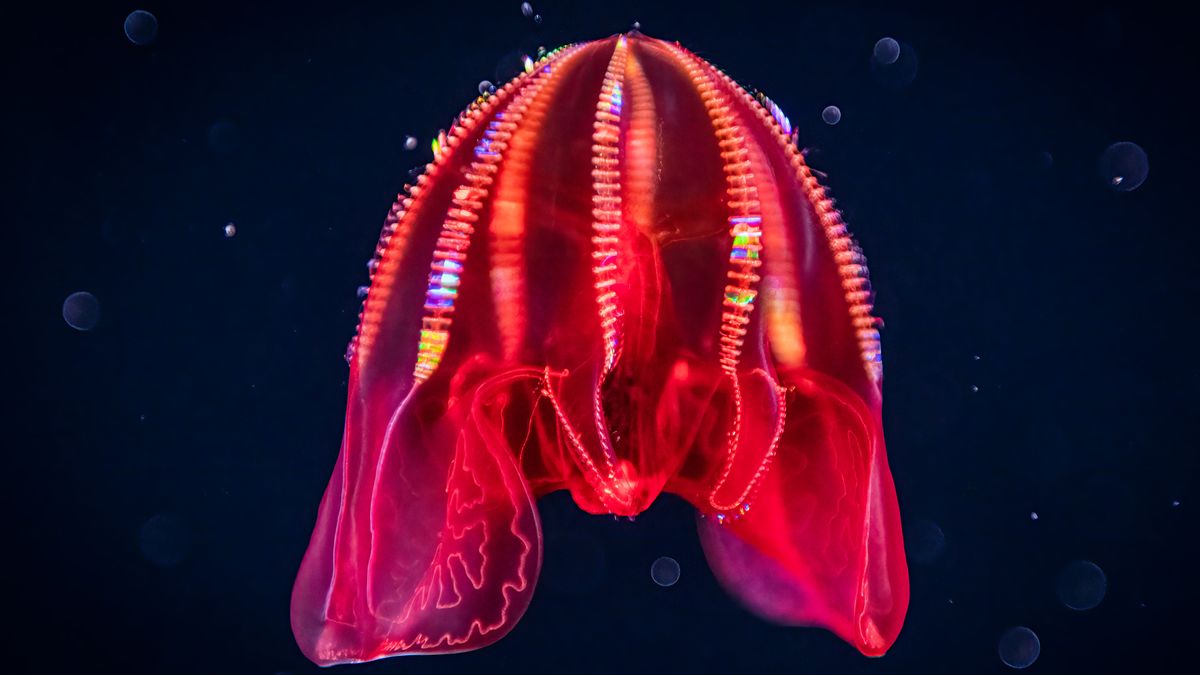
Scientists have identified the most recent ancestor of the sister to all animals via the novel use of chromosomal analysis, settling a central question about the evolution of the entire tree of animal life. The study has resolved the long-running debate over whether sea sponges or comb jellies are most closely related to the sister group. The team found 14 groups of genes that appeared on separate chromosomes in comb jellies and their single-celled, non-animal relatives, indicating that they are descendants of the sister group that broke from the animal family tree before the mixing occurred.
Scientists have identified the most recent ancestor of the sister to all animals through the use of chromosomal analysis, settling a long-running debate about the evolution of the entire tree of animal life. The study found that comb jellies are descendants of the sister group that broke from the animal family tree, before the mixing occurred. The findings resolve the controversial question over the lineage of the entire animal tree of life.