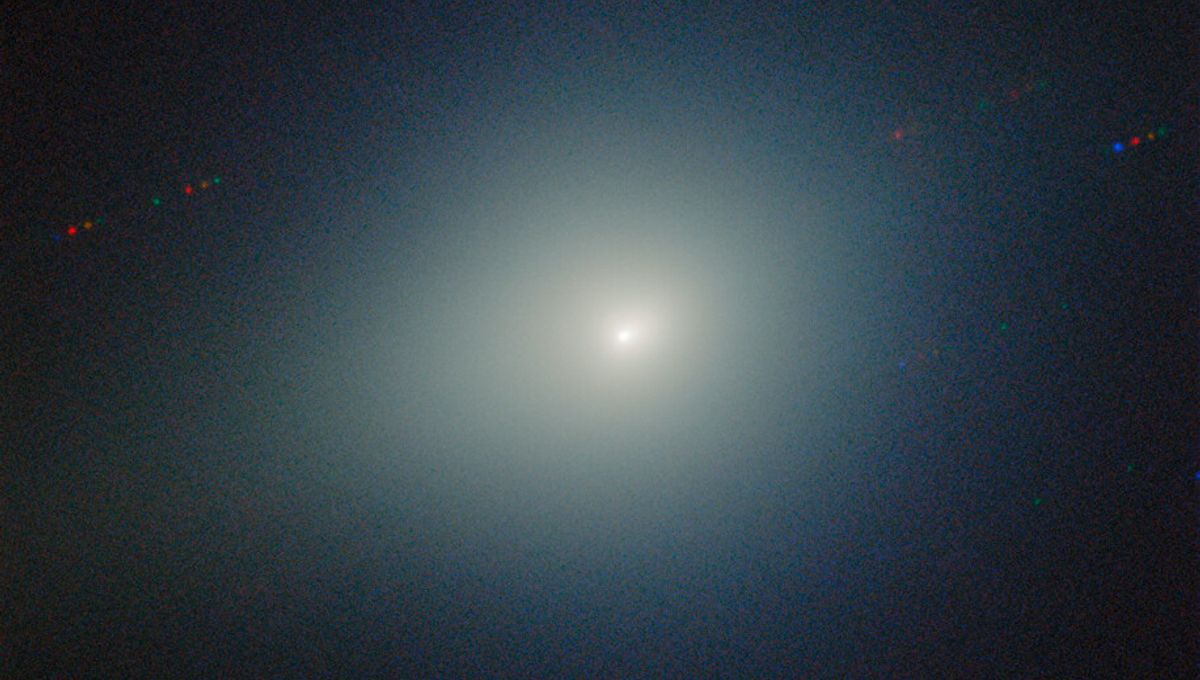
Interstellar comet 3I/ATLAS is experiencing a small, normal non-gravitational acceleration caused by outgassing as it approaches the Sun, which affects its orbit but does not indicate any artificial propulsion or spacecraft activity.
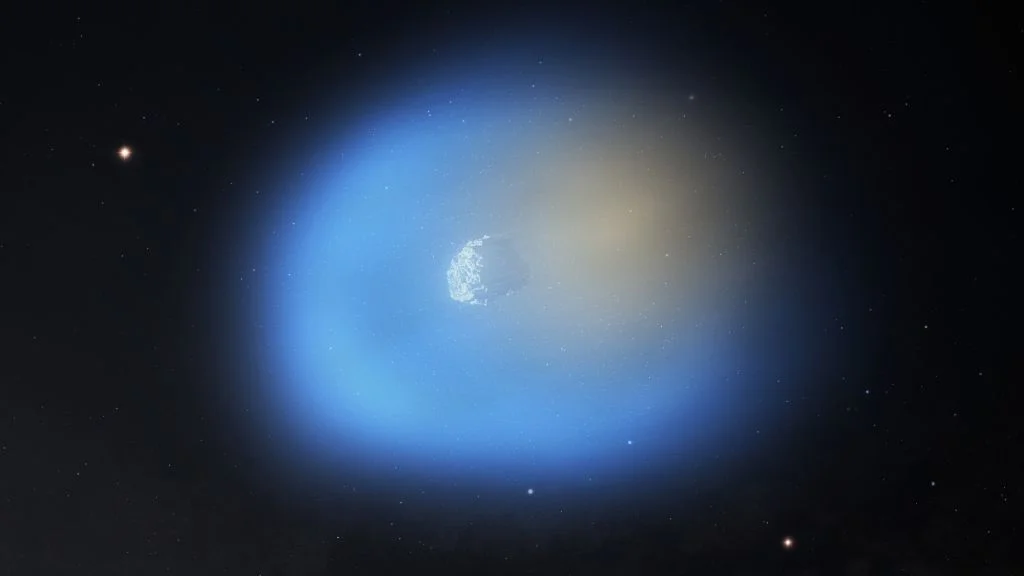
A giant comet, C/2014 UN271 (Bernardinelli-Bernstein), the largest ever detected from the Oort Cloud at 137 km wide, is approaching the inner Solar System and has exhibited active jets of carbon monoxide, providing new insights into its behavior as it nears Earth, with closest approach in 2031, though it won't be visible to the naked eye.
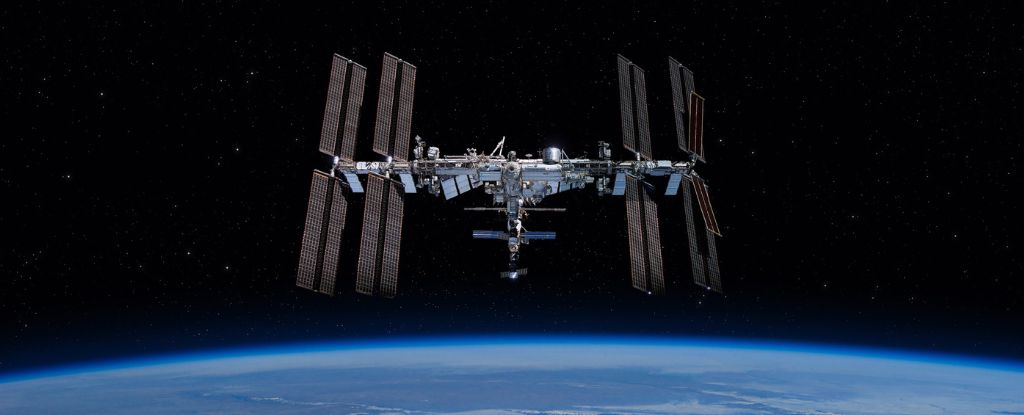
A mysterious odor from a recently docked Russian cargo spacecraft prompted the International Space Station crew to seal off the module and use air scrubbers. The smell, attributed to outgassing, raised concerns due to the confined environment of the ISS, although no threat to the crew was reported. Outgassing can release odorous gases in space, potentially affecting equipment and health, highlighting the importance of using low-outgassing materials in space missions.
Warming waters in the Arctic Ocean, particularly in the Beaufort Sea region, are causing the ocean to release more carbon dioxide than it absorbs, according to a study by NASA's Jet Propulsion Laboratory. The culprit is the runoff from Canada's Mackenzie River, which carries carbon and sediment into the ocean, resulting in outgassing. The warmer temperatures in recent years have led to increased thawing and runoff, triggering a net release of carbon dioxide equivalent to the annual emissions of 28,000 gasoline-powered cars. This study highlights the significant impact of small changes in the ocean on the global carbon cycle.