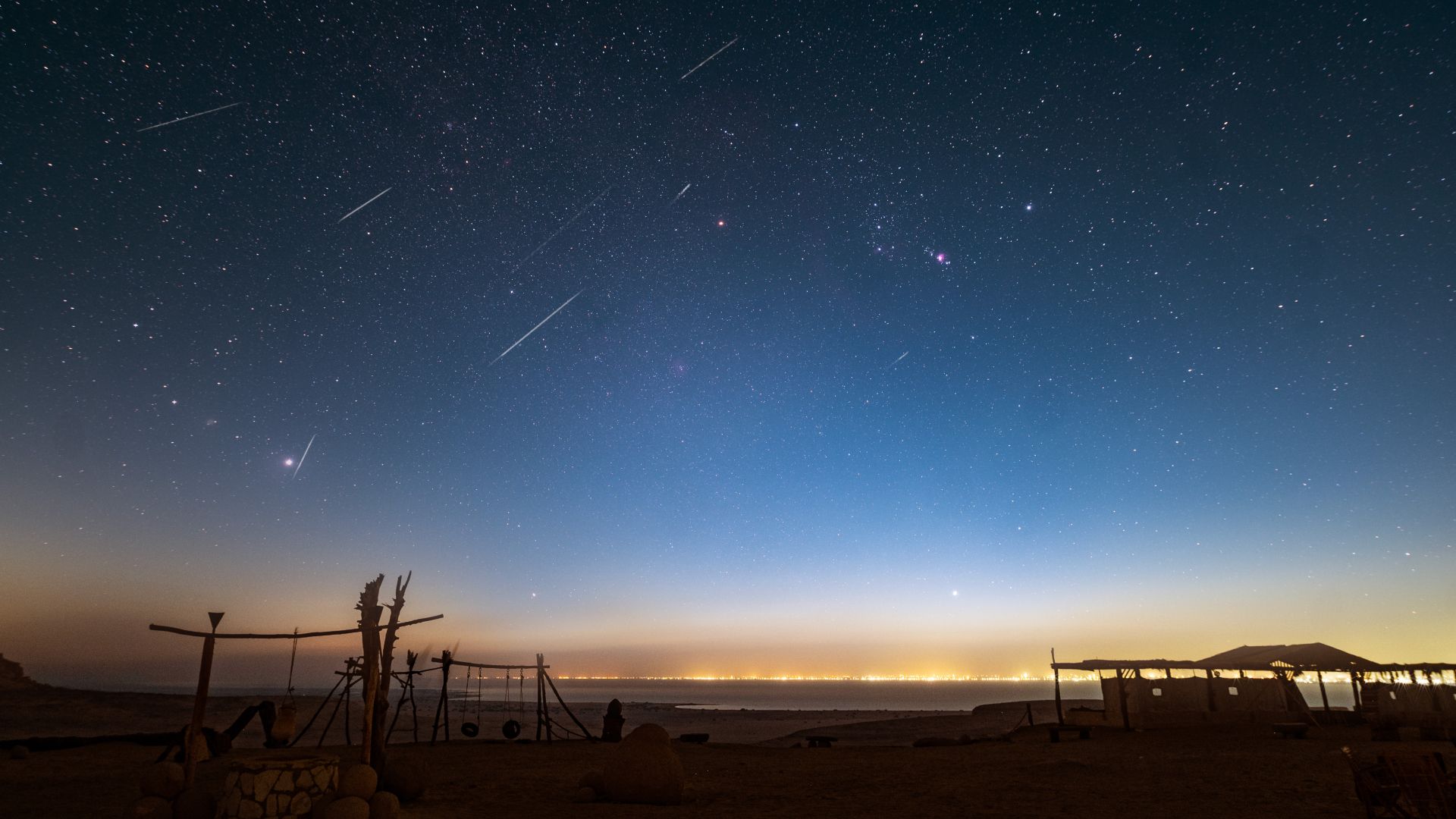
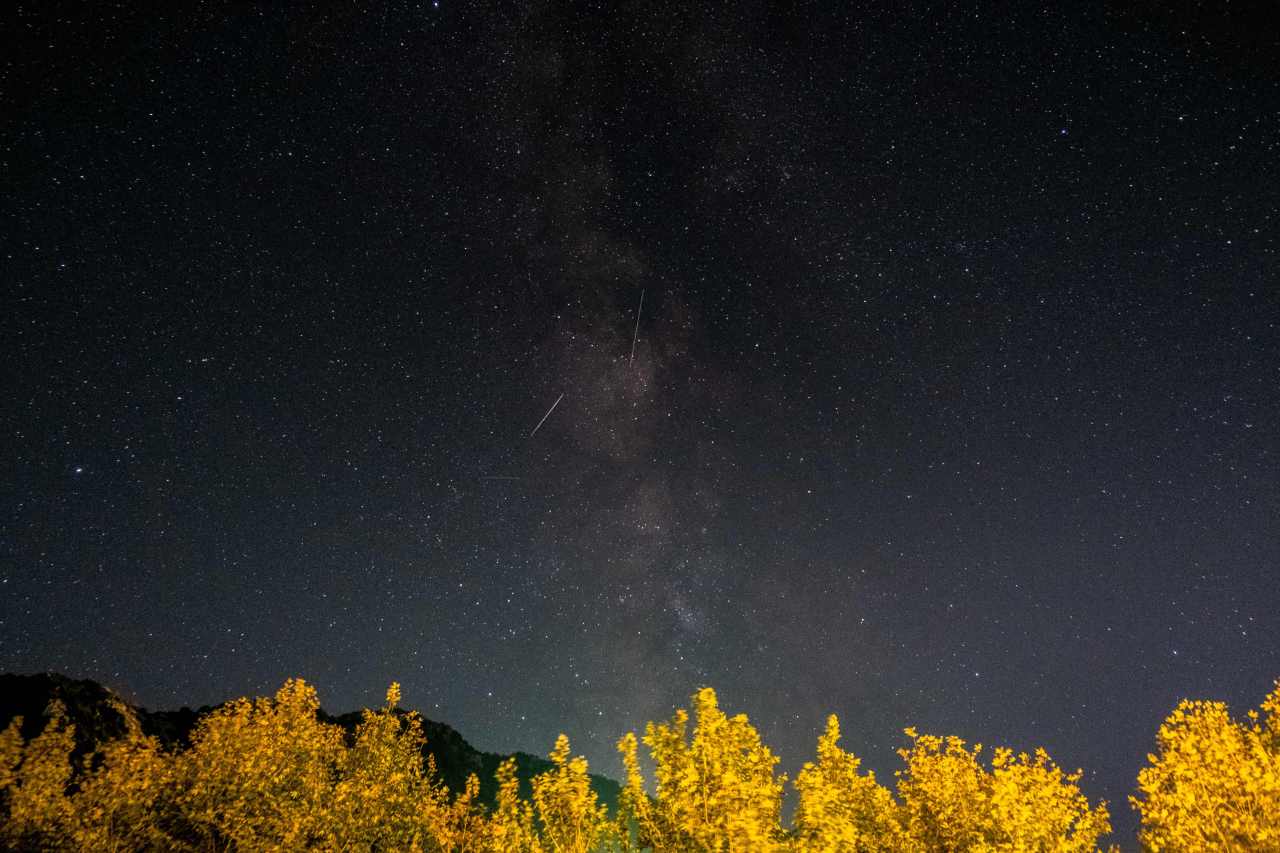
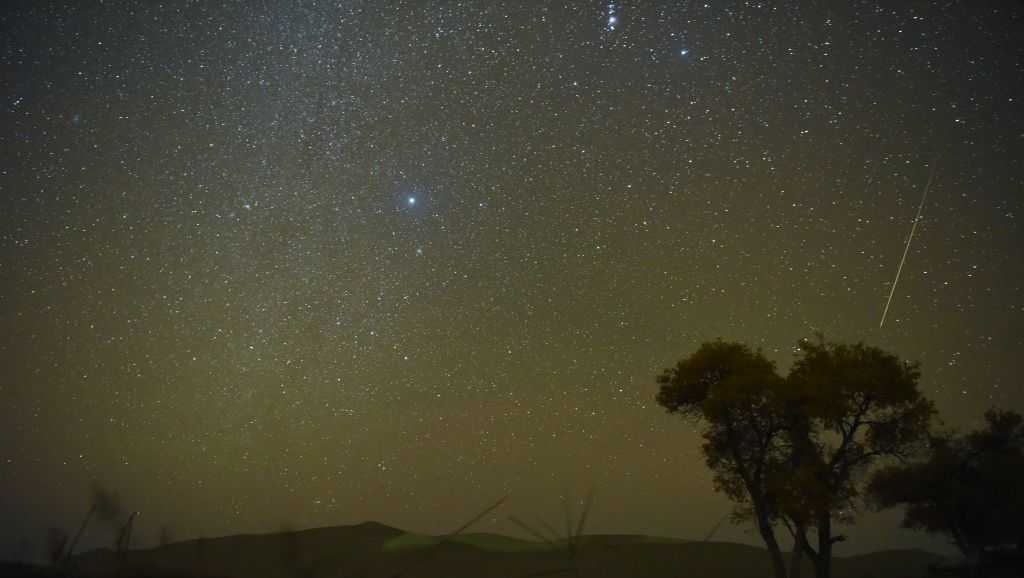
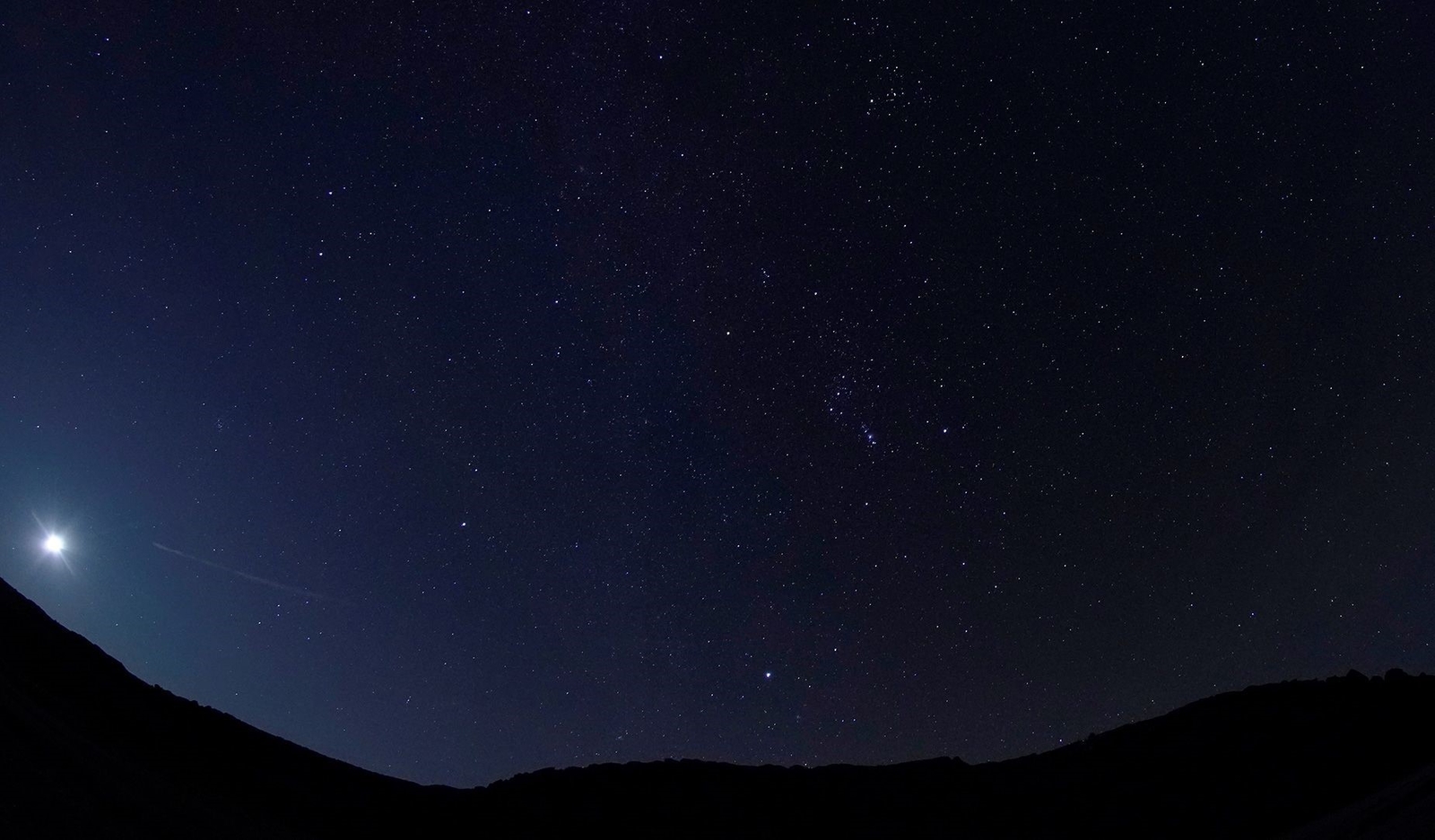
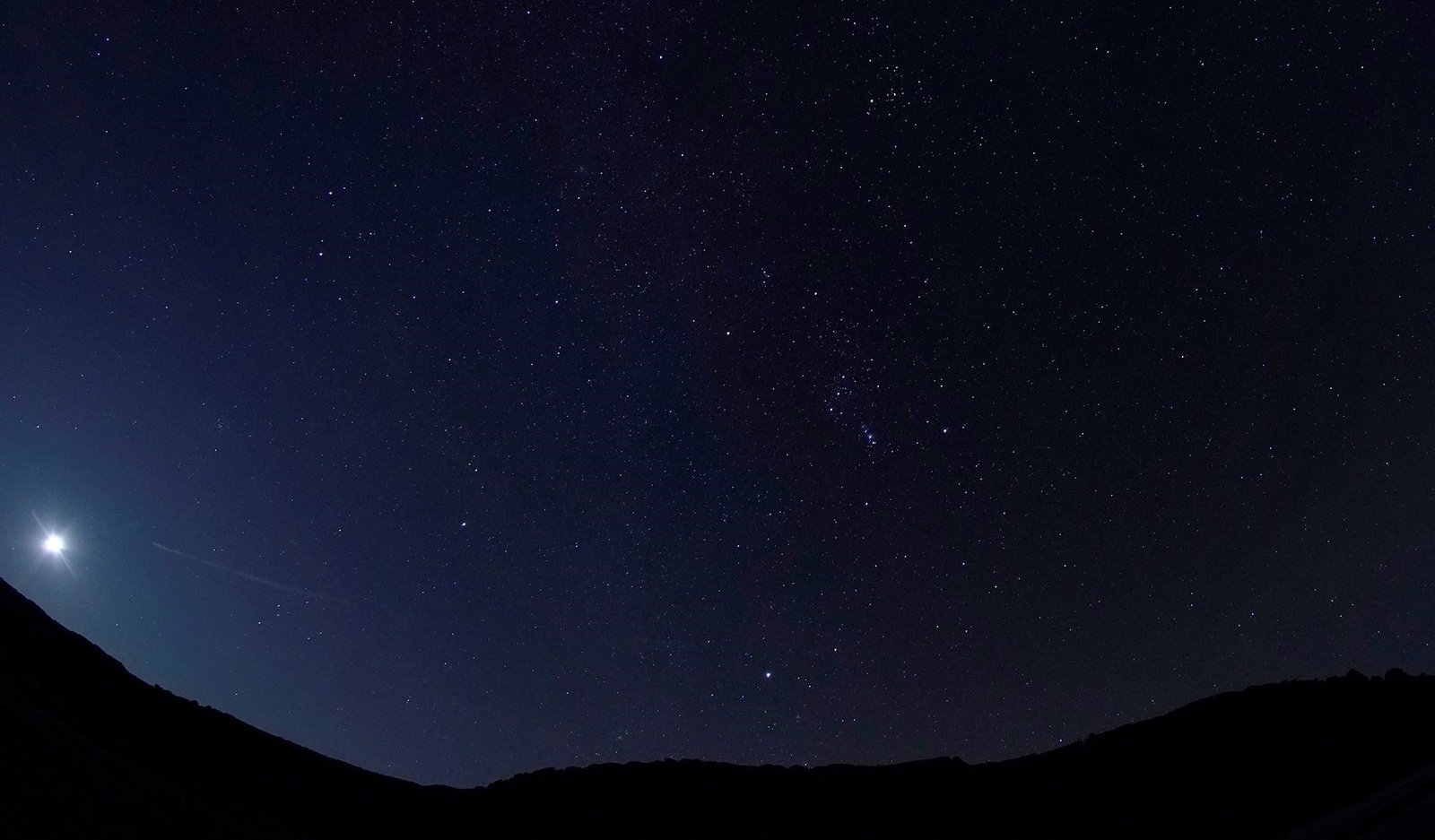
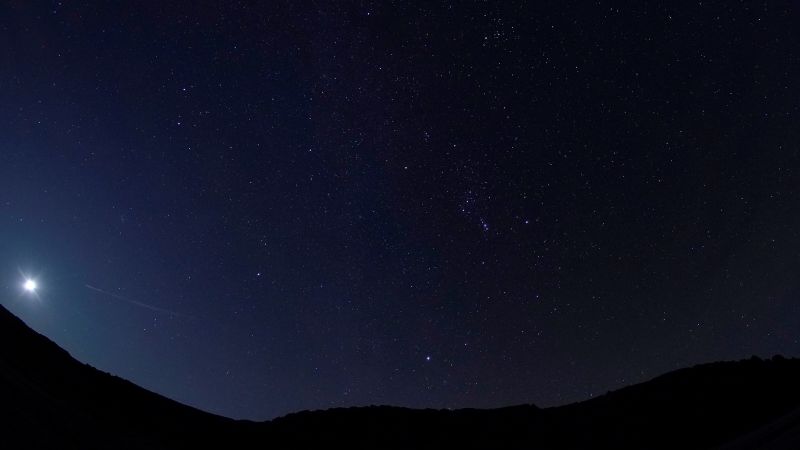
The 2025 Orionid meteor shower peaked between October 21-23, with stunning meteor displays over Fayoum, Egypt, captured by photographer Osama Fathi, coinciding with a new moon for optimal viewing, and upcoming nights still promising good meteor activity.
The October new moon provides ideal dark skies for viewing the Orionid meteor shower and the rare Comet Lemmon, which is closest to Earth on October 21, 2025. The meteor shower peaks around October 20-21, with 10-20 meteors per hour, visible from dark locations between midnight and pre-dawn. Comet Lemmon can be seen near the Big Dipper in the northwest, brightest until late October. The new moon on October 21 offers optimal conditions for stargazing, with brighter stars and minimal moonlight interference.
The article highlights past Orionid meteor shower photos from around the world, including Arizona, as the October peak approaches, showcasing meteors created by debris from Halley's Comet streaking across the night sky.
Tuesday night marks the peak of the Orionid meteor shower, with the best viewing conditions after midnight before dawn, especially since the moon won't interfere, making it an ideal night for stargazing and possibly spotting meteors and Comet Lemmon.
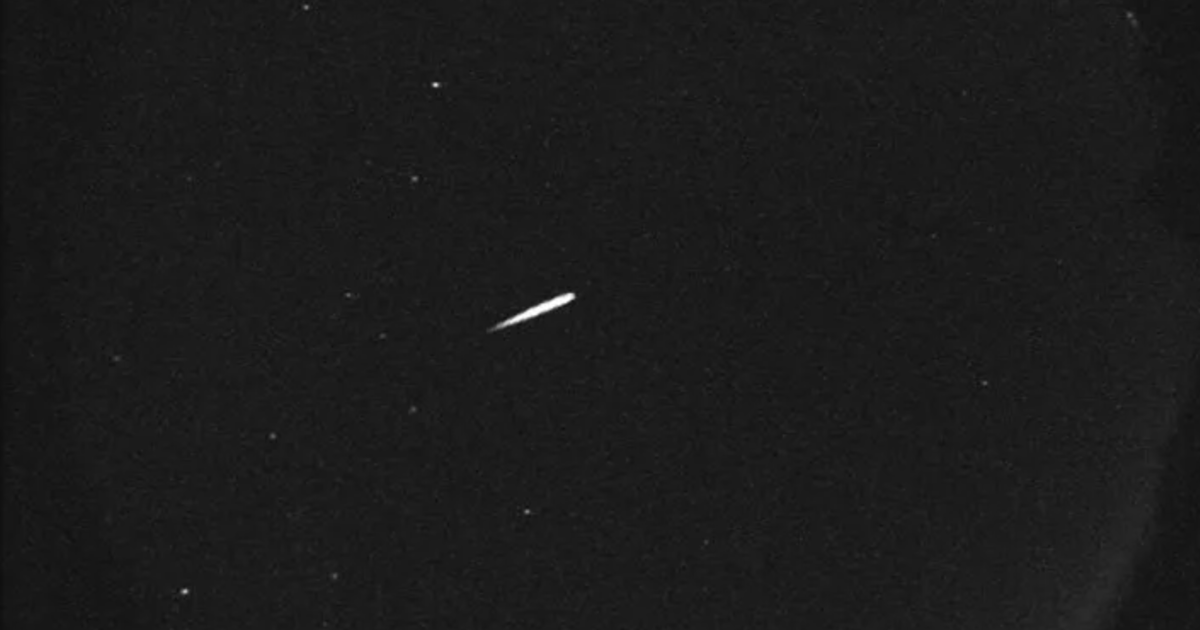
A fireball, believed to be an Earth grazer meteor, was spotted streaking across the evening sky over North Georgia. Witnesses reported sightings in multiple locations across Georgia and neighboring states. The bright flash occurred around dusk and lasted only a few seconds. The meteor may have been part of the Orionid meteor shower, which originates from Halley's Comet and peaks in late October. The shower can still be observed until November 22.
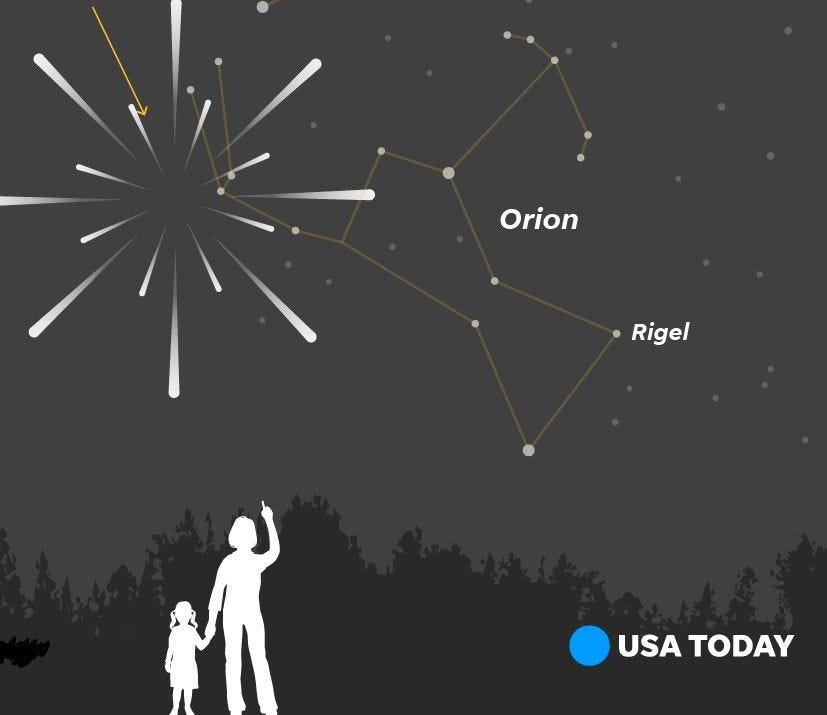
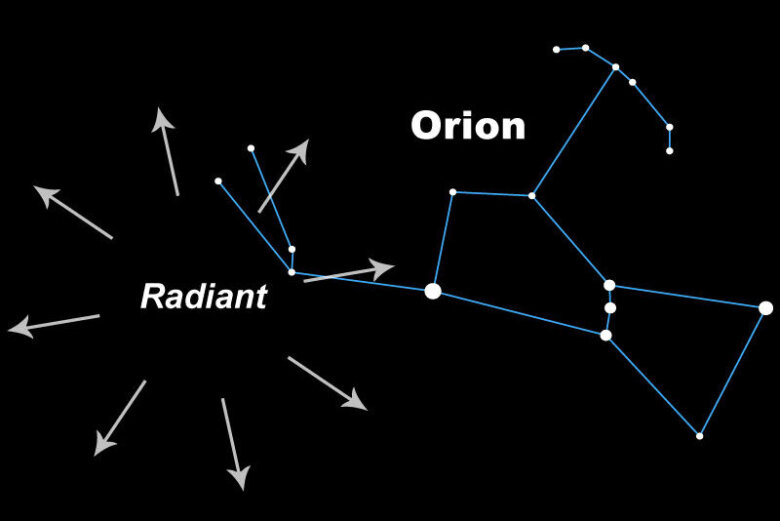
The Orionid meteor shower, consisting of particles from Halley's Comet, is set to peak on Sunday evening across the United States, with a rate of 10 to 20 meteors per hour. Known for their brightness and speed, the meteors can be seen without a telescope, but clear skies are necessary. NASA advises finding a dark area away from city lights, lying flat on your back facing southeast, and being patient as the show will last until dawn.
The Orionid Meteor Shower is set to peak this weekend as Earth passes through Halley's Comet dust, while actor Matthew McConaughey has been granted a five-year restraining order against a woman claiming to be his "common law wife." Other news includes a recall of pot products in Arizona, an inmate charged in a decades-old cold case murder, and a University of Utah gymnast retiring amid allegations of verbal and emotional abuse from her coach.
The Orionid meteor shower will be visible in Central Florida from Saturday night to Sunday morning. With clear skies in the forecast, the best time to view the meteor shower will be around midnight. The Orionids come from Halley's Comet, and the shower will exhibit a maximum of 10 to 20 meteors per hour. The comet will also generate the Eta Aquariids meteor shower in early May.
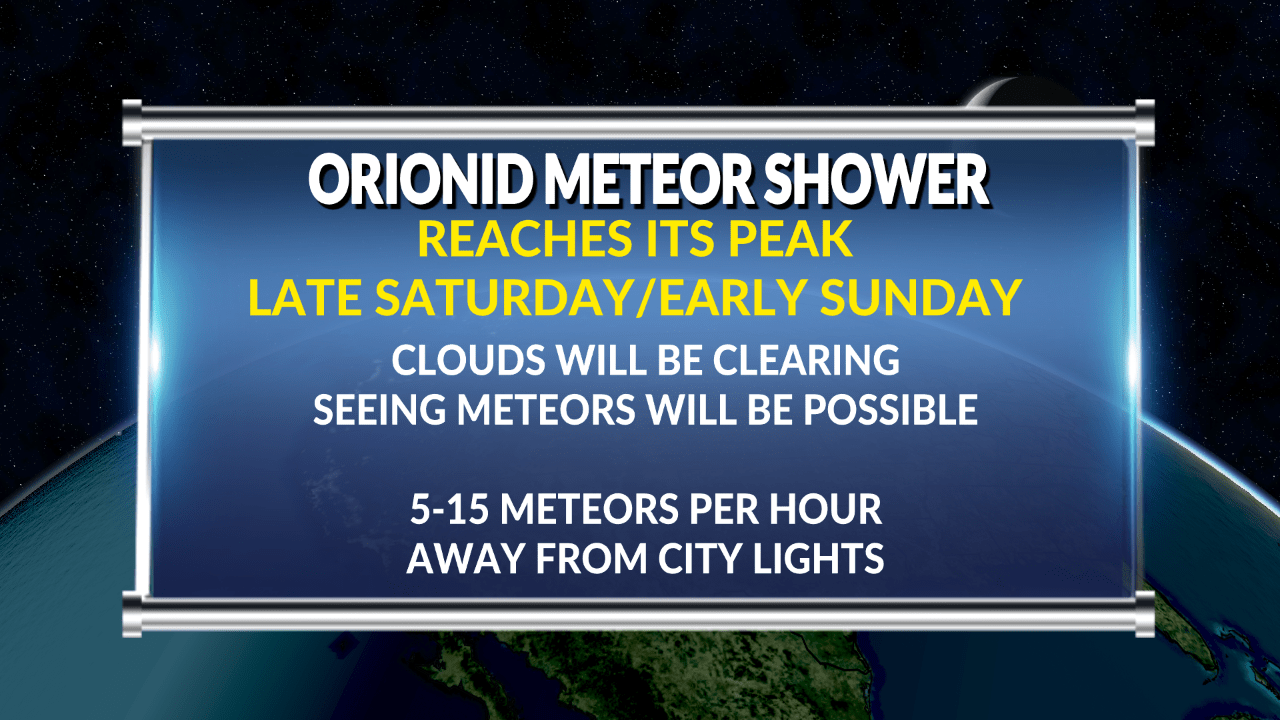
The Orionid meteor shower's peak will continue through early Sunday morning, providing an excellent opportunity for astronomy-lovers to catch a glimpse of shooting stars. Approximately 5 to 15 meteors will pass per hour in northeast Indiana and northwest Ohio, but it is important to be away from city lights to minimize light pollution. The meteor shower is created from fragments of Halley's Comet.
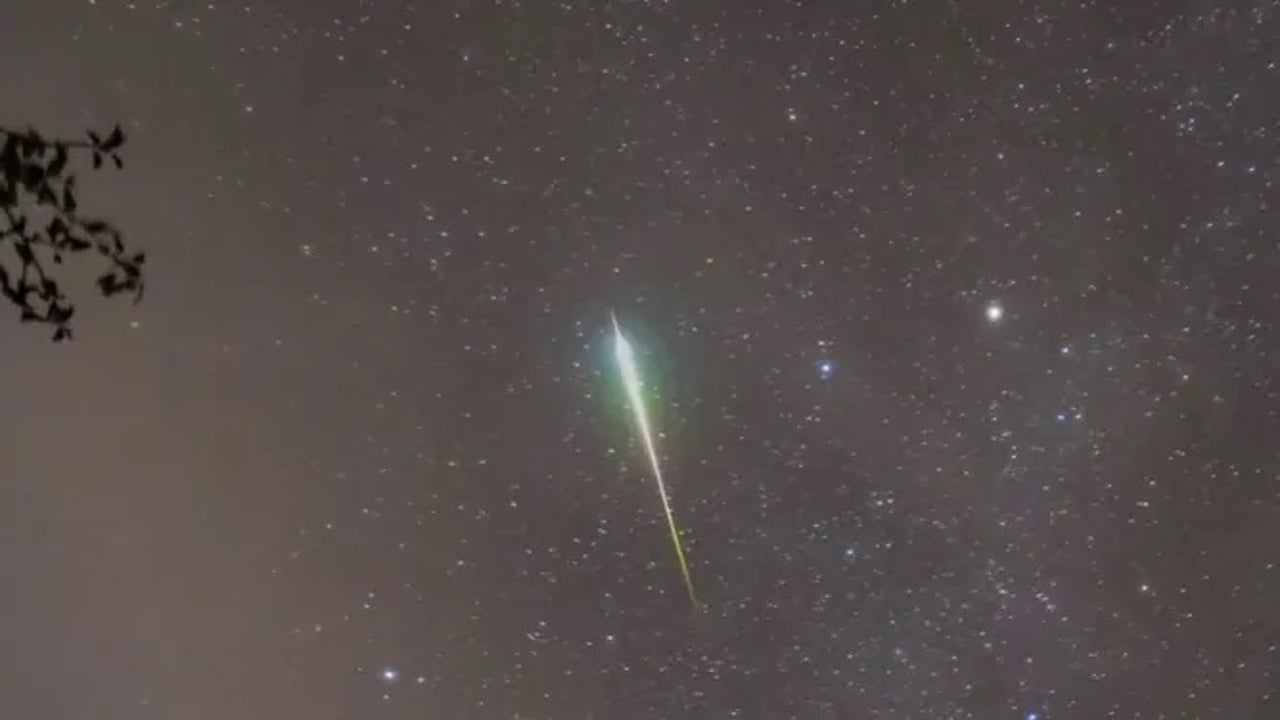
The Orionid Meteor Shower, originating from Halley's Comet, will peak on October 21, offering skygazers the best chance to see the meteors in action. Known for their speed and brightness, the Orionids can produce colorful streaks of light and fireballs. However, cloud cover may hinder visibility in many regions of the US on the night of peak activity. Those in Southern California, the Southwest, southern Plains, mid-Atlantic, and the Southeast have a better sky-gazing forecast. The meteor shower will continue to be active into November but will be harder to spot toward the end of October due to the full Hunter's Moon.
The Orionid meteor shower will peak on Sunday night, but meteors can be seen throughout the weekend at a rate of 10 to 20 per hour. The best time to spot a meteor is in the early morning hours, and it is recommended to wait for the moon to set for better visibility. The Orionids come from Comet Halley's debris trail and are known for their bright and fast-moving meteors. Other upcoming meteor showers and celestial events are also mentioned.
The Orionid meteor shower will peak on Sunday night, but meteors can be seen throughout the weekend at a rate of 10 to 20 per hour. The best time to spot a meteor is in the early morning hours, and it is recommended to wait for the moon to set for better visibility. The Orionids come from Comet Halley's debris trail and are known for their bright and fast-moving meteors. Other upcoming meteor showers and celestial events are also mentioned.
The 2023 Orionid meteor shower will be visible in eastern Nebraska and western Iowa between Friday night and Saturday morning. Clear skies are expected, with the best viewing time being between midnight and dawn. The Orionids come from Halley's Comet and it's possible to spot up to 30 meteors per hour, although 10 to 20 per hour is more likely under a dark sky with no moon.
The Orionid meteor shower, described as one of the most beautiful showers of the year, is set to peak on October 21. Known for their brightness and speed, the meteors travel at about 148,000 miles per hour. The shower will be visible in both the northern and southern hemispheres, and viewers are advised to look at the night skies during the hours after midnight, away from light sources. The next meteor shower after October 2023 will be the Leonids, which will begin on November 3. The Orionids are caused by dust from Halley's Comet, which takes 76 years to orbit the sun and will not enter the solar system again until 2061.
The Orionid meteor shower will peak on Sunday night, but meteors can be seen throughout the weekend at a rate of 10 to 20 per hour. The best time to spot a meteor is in the early morning hours, and it is recommended to wait for the moon to set for better visibility. The Orionids are caused by debris from Halley's Comet, and they are known for their bright and fast-moving meteors. Other upcoming meteor showers include the Southern Taurids, Northern Taurids, Leonids, Geminids, and Ursids.