Researchers have developed a new ultra-thin, tunable optical device inspired by butterfly wings, enabling dynamic control of nonlinear optical processes at visible wavelengths, with potential applications in camouflage, biosensing, and quantum computing.
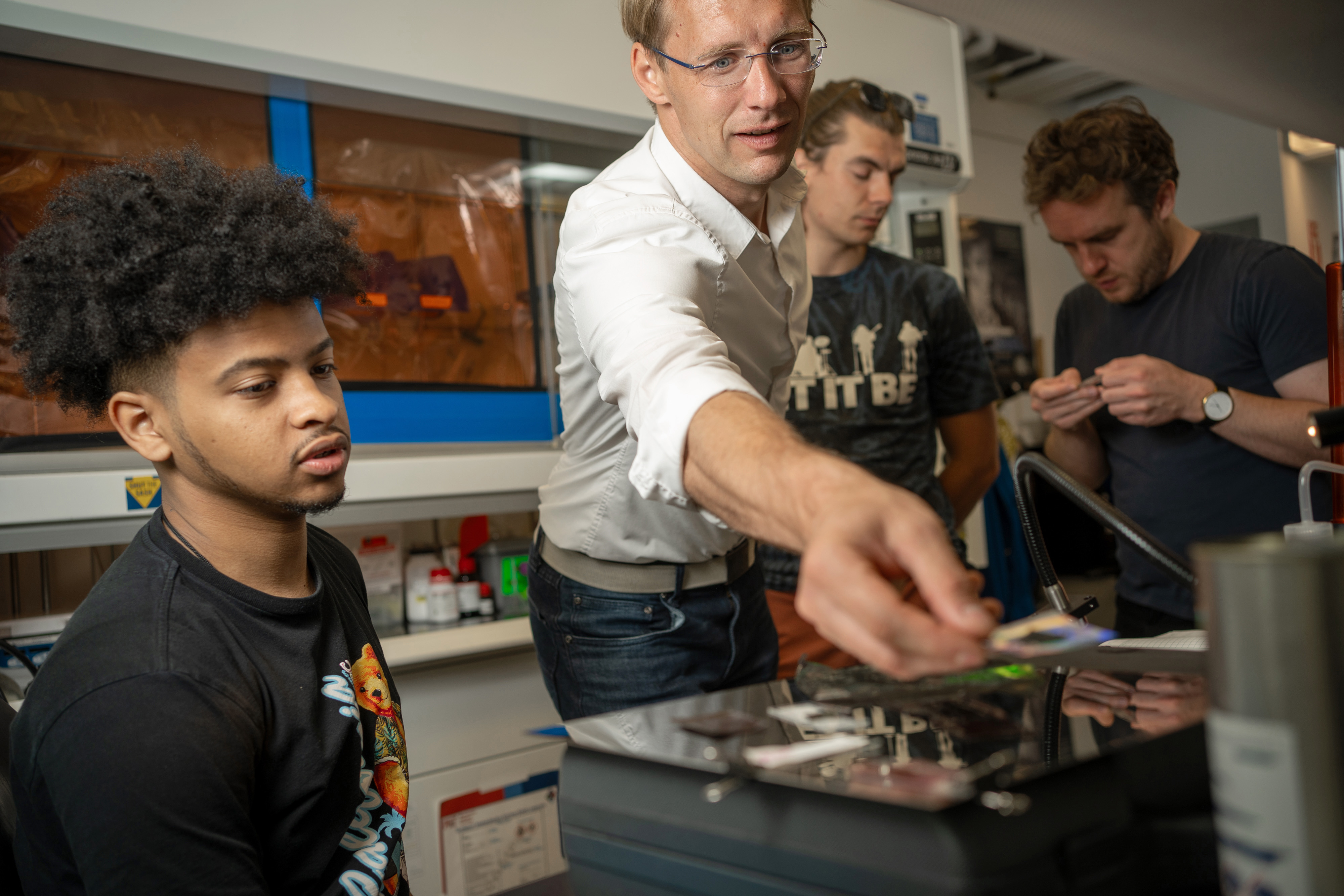
Mathias Kolle, an associate professor of mechanical engineering at MIT, is studying the microstructure of butterfly wings and other optically interesting organisms to replicate and improve upon their structural, light-bending effects. Inspired by nature, Kolle and his students are designing materials that exhibit advanced optical functions, including color-changing sheets and fibers that can be integrated into medical bandages or used for strength-testing knots. They aim to create materials that generate colors without chemicals, using the structure itself to produce brilliant and vibrant colors.
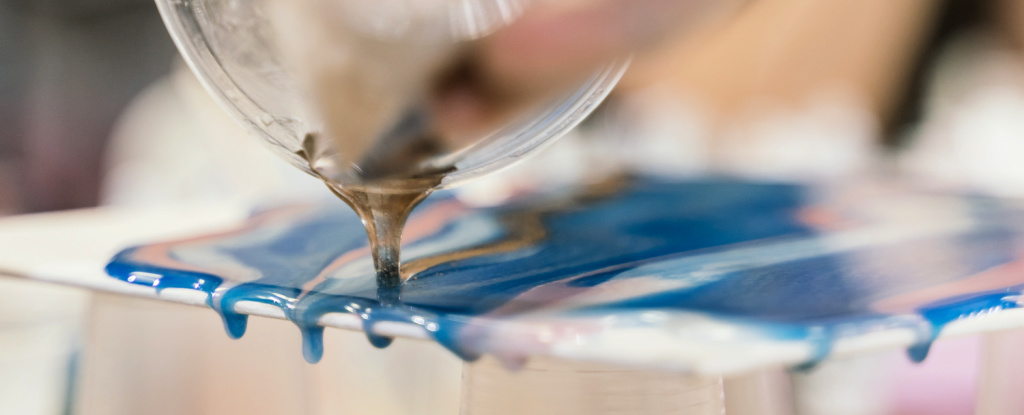
Scientists have developed a new energy-saving paint called "plasmonic paint" that repels heat, comes in any color, and is the lightest paint created to date. The paint is made from nanoparticles of aluminum and aluminum oxide arranged in different ways to control how light is scattered, reflected, or absorbed, creating structural color. It would only take 3 pounds of plasmonic paint to cover a Boeing 747, compared to 1,000 pounds of conventional commercial paint. The paint reflects the entire infrared spectrum, keeping surfaces underneath it cooler, and could significantly reduce the amount of greenhouse gases required for flight.