A study by the RECOVER Consortium found that nearly 70% of COVID-19 survivors tested had impaired sense of smell years after infection, often without awareness, and this olfactory dysfunction may be linked to cognitive impairment and neurodegenerative diseases.
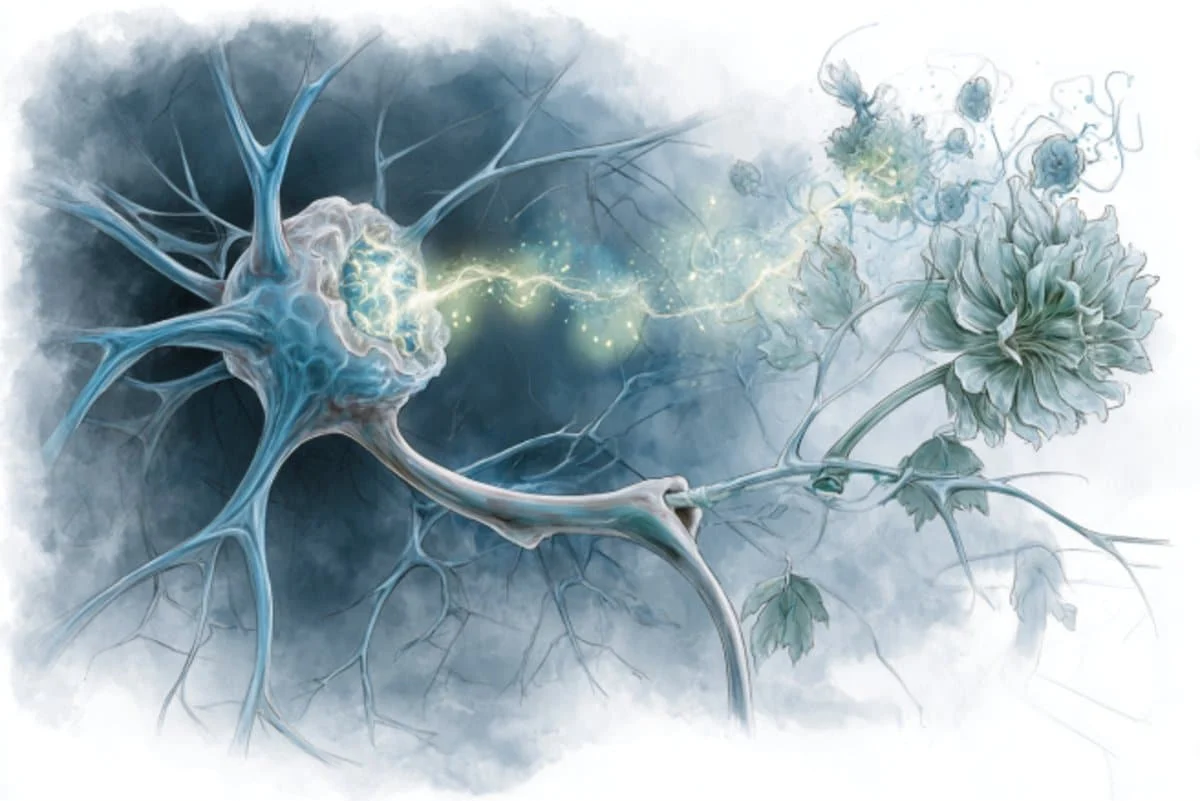
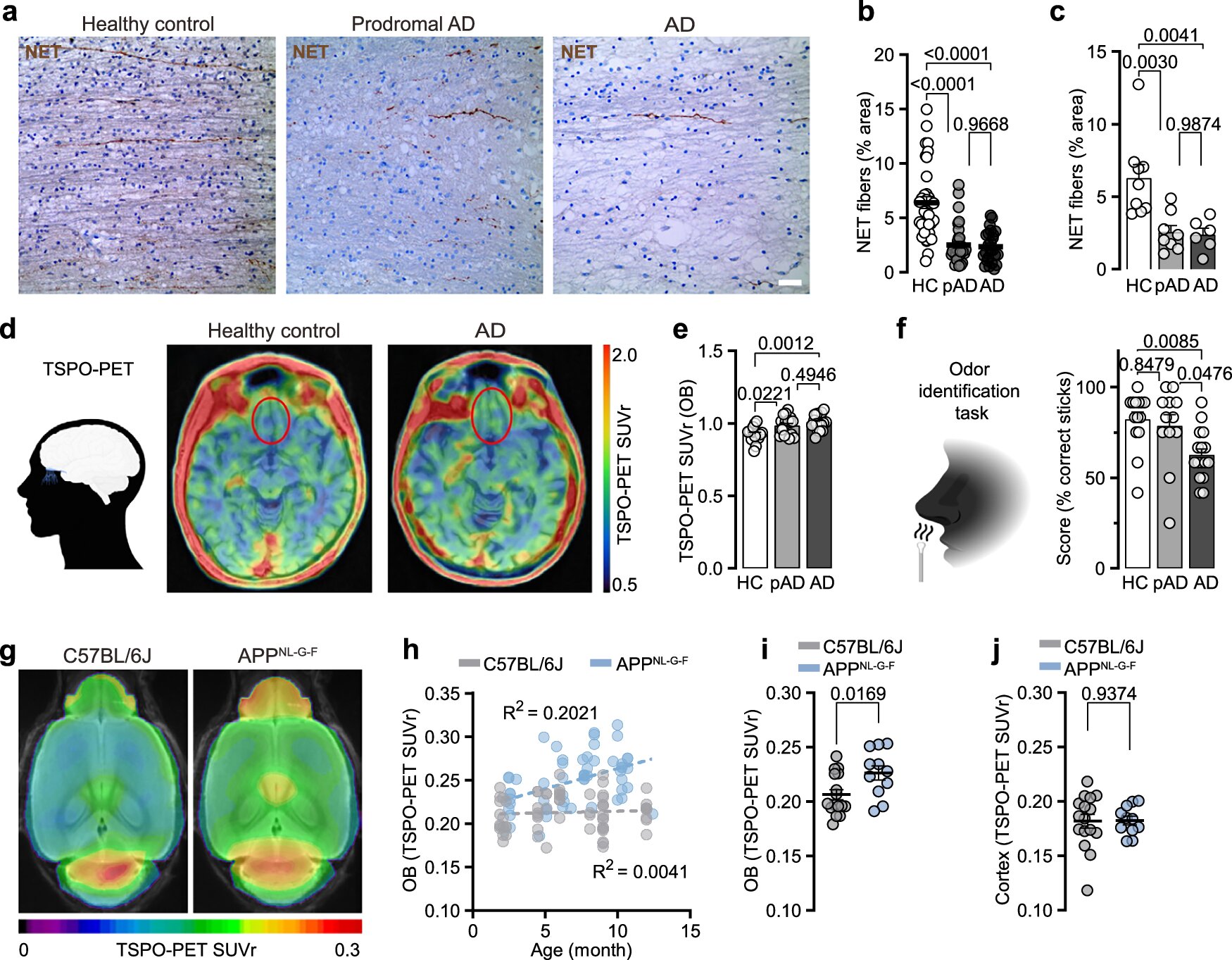
German researchers have identified early olfactory dysfunction as a symptom of Alzheimer's disease, caused by microglia mistakenly destroying nerve connections from the locus coeruleus to the olfactory bulb, which occurs before memory loss and can aid early diagnosis. The study highlights the importance of smell loss as a clinical marker and emphasizes managing modifiable risk factors to reduce dementia prevalence.
A new study suggests that radio waves can be used to safely and painlessly restore the sense of smell by targeting brain nerves, showing promise for treating olfactory loss without surgery or chemicals, though further research on affected individuals is planned.
Research indicates that immune cells in the brain mistakenly attack nerve fibers connecting key regions involved in smell, which may serve as an early warning sign of Alzheimer's disease, potentially allowing for earlier diagnosis and treatment before cognitive symptoms appear.
Research indicates that in early Alzheimer's, the brain's immune cells attack nerve fibers linking the olfactory bulb and locus coeruleus, causing smell loss, which could serve as an early diagnostic marker and aid in timely treatment.
Doctors are warning that anosmia, or loss of smell, could be an early indicator of dementia, including Alzheimer's and Parkinson's diseases. This symptom can appear years before a formal diagnosis, as the neurodegenerative process affects brain areas responsible for smell. While anosmia can result from common conditions like colds or allergies, its presence, especially in older adults, may warrant neurological evaluation. Studies show a significant correlation between olfactory dysfunction and increased dementia risk, highlighting the importance of early detection and medical consultation.
A study conducted by the University of East Anglia and Fifth Sense reveals that individuals with olfactory dysfunction face significant safety concerns, with over a third experiencing gas safety scares and food safety issues in the past five years. The research emphasizes the impact of smell loss on personal safety and emotional well-being, highlighting the need for safety measures such as 'scratch and sniff' cards for safety education and the use of detectors to enhance the well-being of those with smell disorders.