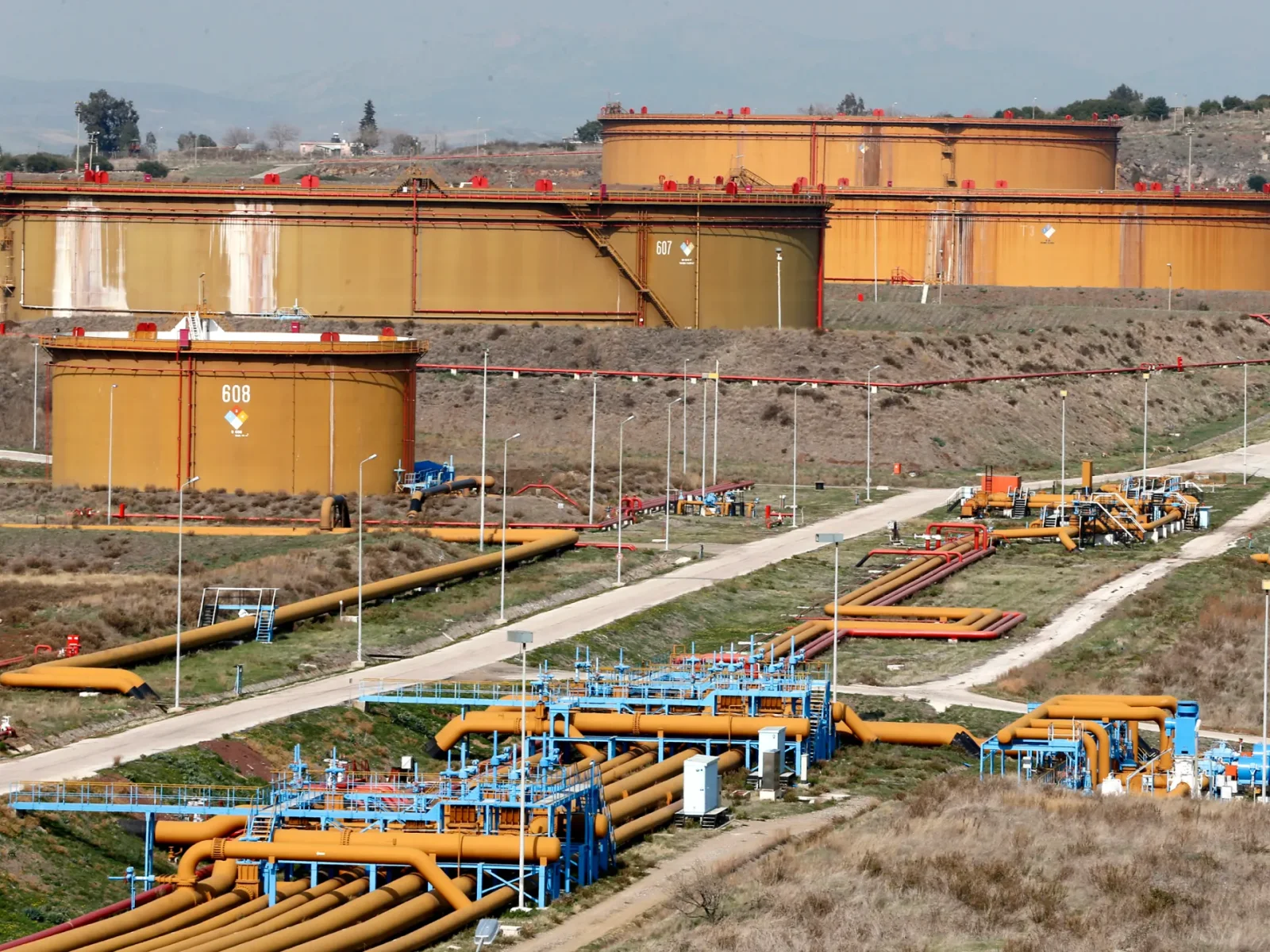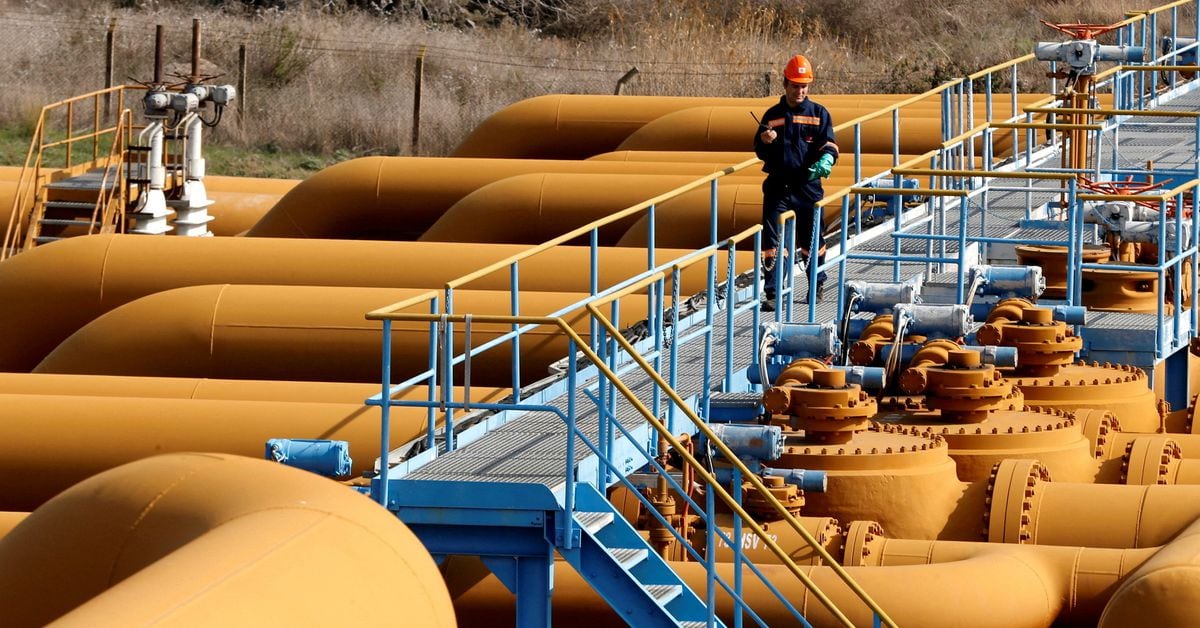
Iraq has resumed Kurdish oil exports to Turkiye after a 2.5-year halt, following an agreement between Baghdad, the Kurdistan regional government, and international oil companies, allowing about 180,000 to 190,000 barrels per day to be exported through the Ceyhan port, aiming to boost Iraq's oil revenues and stabilize regional relations.
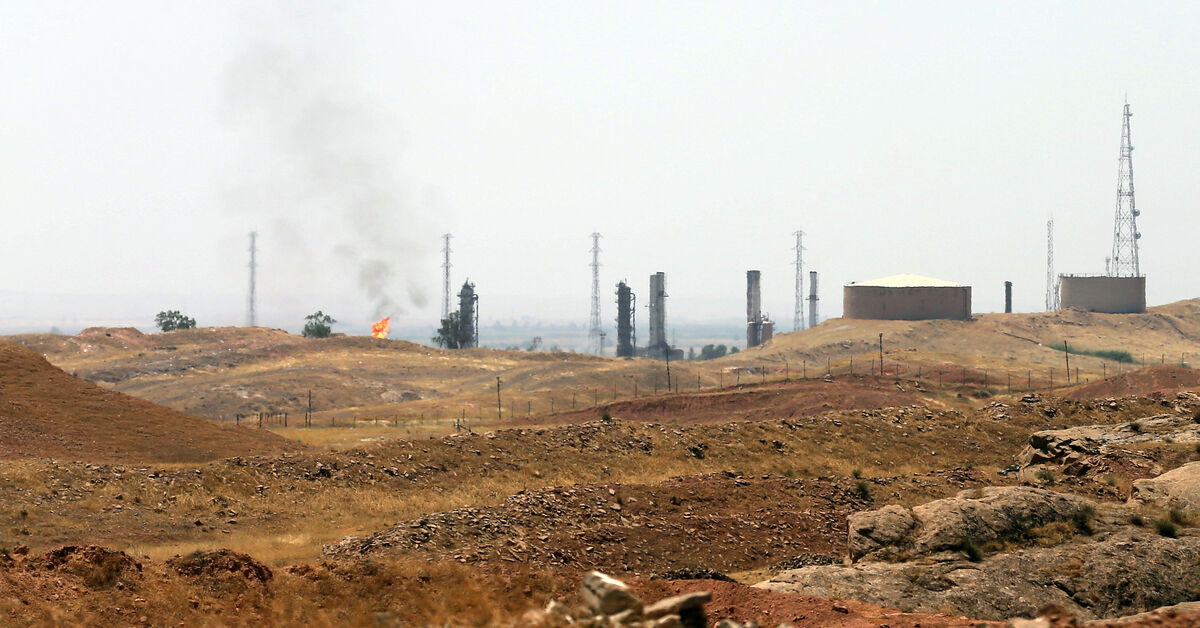
The US condemns recent drone attacks on oil fields in Iraqi Kurdistan, emphasizing their threat to Iraq's stability and urging the Iraqi government to protect its territory and citizens.
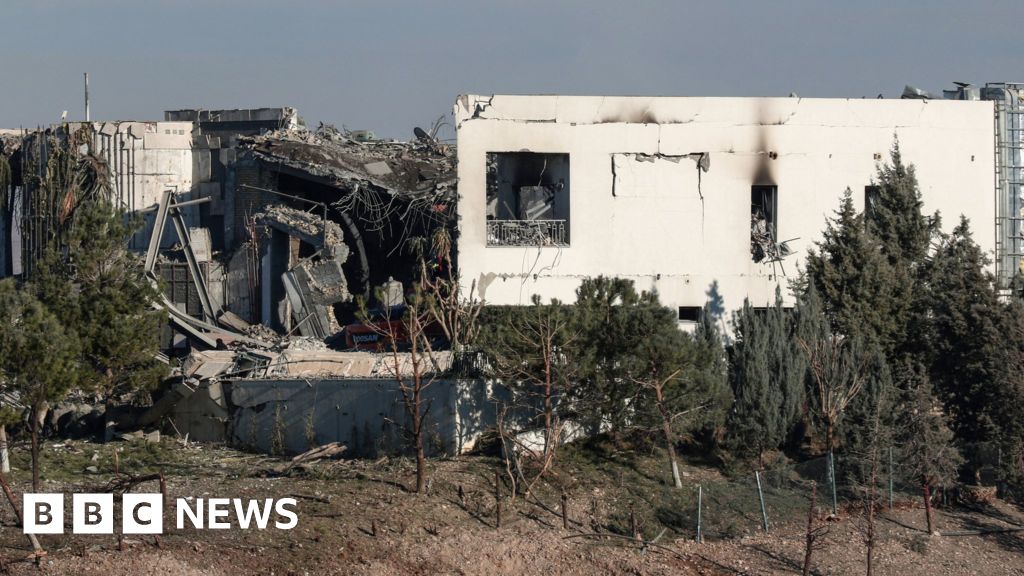
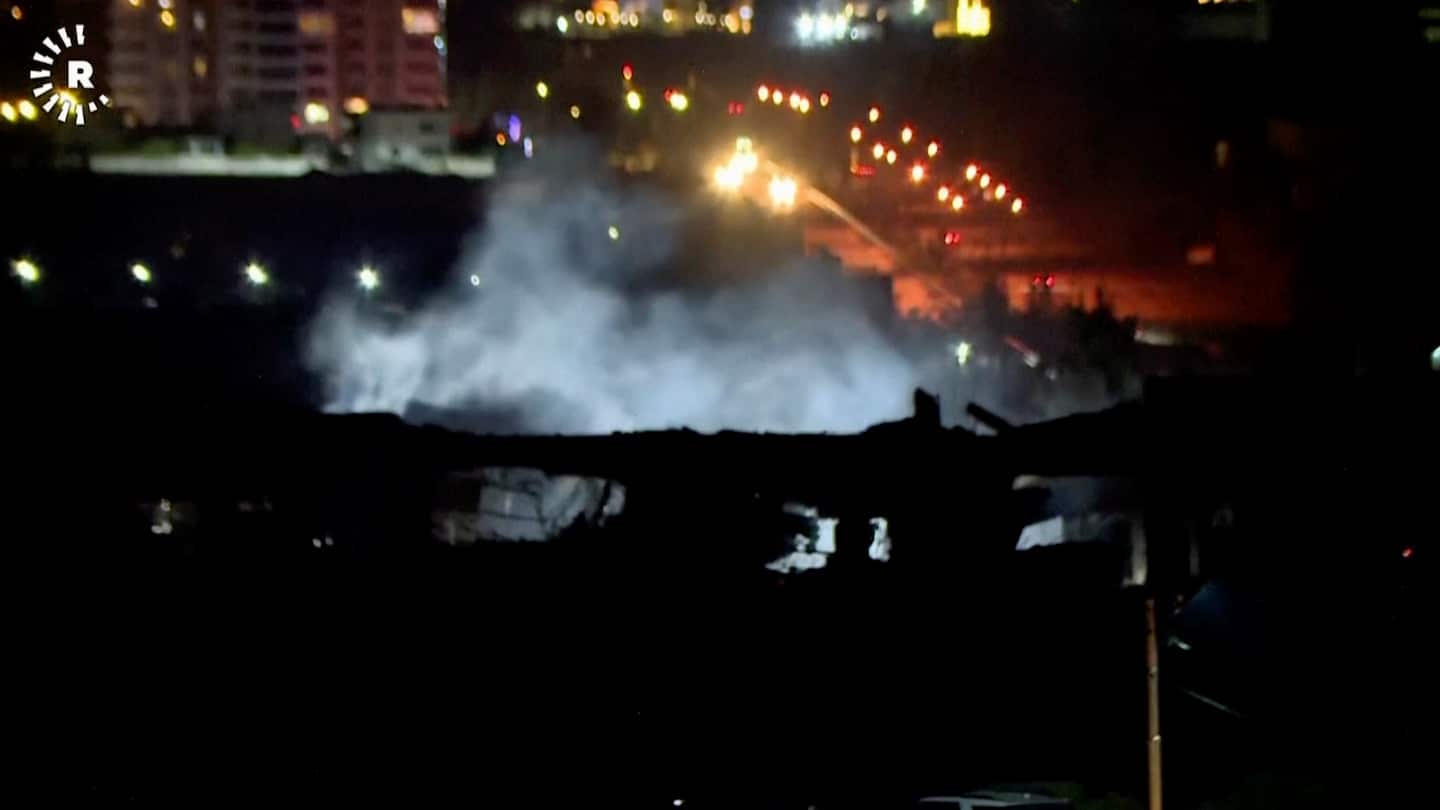
Iran launched a ballistic missile attack on a Mossad facility in Erbil, Kurdistan, killing three alleged Mossad agents and a Kurdish businessman. The attack signifies a significant escalation in hostilities between Iran and Israel, with Iran sending a clear message that it will retaliate against Israeli actions. The passports of the alleged Mossad agents were published by an Iranian news website affiliated with the Revolutionary Guards, but their authenticity has not been independently verified.
The US has condemned Iran for launching ballistic missile attacks near Iraq's northern city of Irbil, calling them "reckless and imprecise." Iran's Revolutionary Guards claimed to have targeted Israeli "spy headquarters" in Iraq's Kurdistan Region, resulting in four deaths and six injuries. Iraq denounced the attacks as a violation of its sovereignty, while Israel has not commented on the Iranian claims. The strikes come amid escalating tensions in the region, with Iran also targeting Islamic State positions in Syria in retaliation for a recent suicide bombing in Iran.
Iran's Islamic Revolutionary Guard Corps claimed responsibility for using ballistic missiles to destroy an alleged Israeli spy site in Iraq's Kurdistan region, resulting in casualties and escalating tensions in the Middle East. Kurdish officials deny the claims, and Iraq has recalled its ambassador from Tehran. The strike comes amid a series of escalatory attacks in the region, including Iranian missile launches against Islamic State militants in Syria and the shooting down of bomb-laden drones near a U.S. military base in Kurdistan. The United States strongly condemns Iran's actions, which have targeted both U.S. forces and commercial shipping.
Three members of the Iraqi counter-terrorism service were killed and three others wounded in a drone strike on the small military airport of Arbid in Iraq's Kurdistan region. The drone entered Iraqi airspace through Turkey's border. The attack targeted a suspected Kurdistan Workers Party (PKK) position. Iraqi Kurdish security forces sealed off the area, and the Iraqi government has vowed to investigate the incident.
Nashville is close to adding Erbil, the capital of the Kurdistan region of Iraq, as its 10th Sister City, and the first in the Middle East. A group of leaders from Nashville visited Erbil in May to discuss what Nashville could offer as a Sister City. Nashville is home to over 25,000 Kurdish residents, making forming a relationship between the two cities sensible. A photography exhibition at the Historic Metro Courthouse displayed 30 photos showing the effects of the war against ISIS in Kurdistan and everyday life in Kurdistan. Metro Council members are expected to vote on a resolution that would make Erbil a Sister City at the meeting on July 6.
Iraq's northern oil exports to Turkey have not yet resumed, leaving several fields shut in the semi-autonomous Kurdistan region. Turkey halted flows of about 450,000 barrels per day via a pipeline from Iraq's Kirkuk fields to Turkey's Ceyhan port on March 25 after Iraq won an arbitration case. Iraq's federal government and the KRG signed a temporary agreement on Tuesday to restart northern oil exports through Turkey, but pipeline operators have yet to receive any instruction to restart flows.
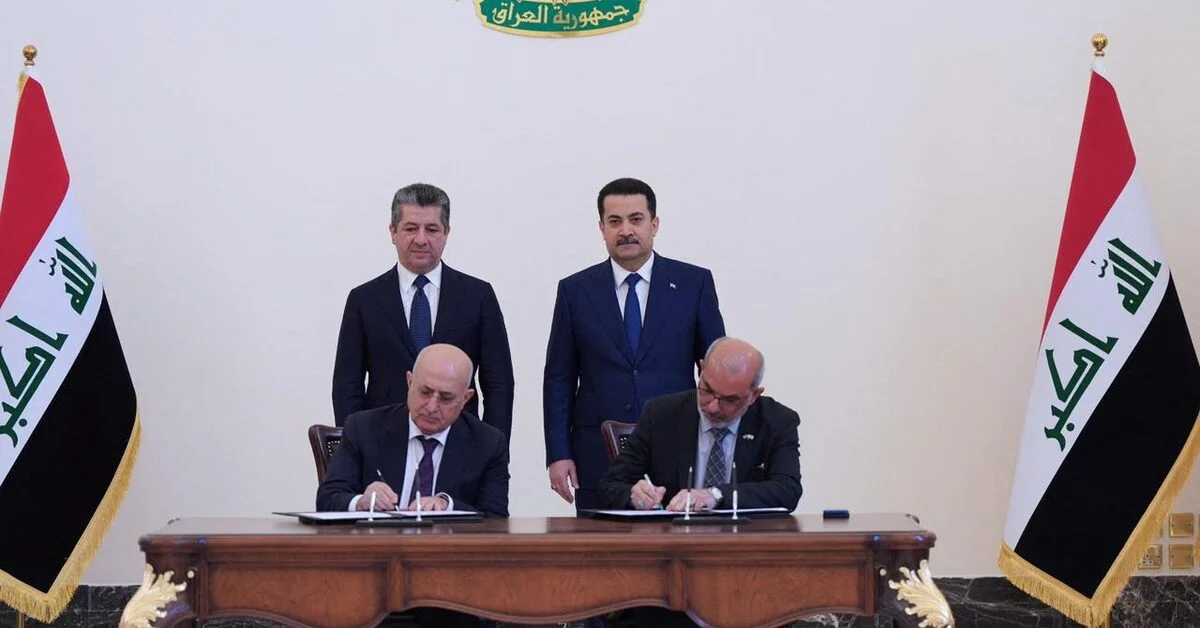
The Hassira oilfield in Kurdistan has resumed production to full capacity following an agreement between Kurdistan and Iraq on the resumption of oil exports. The federal government of Iraq and Kurdistan reached an agreement to resume exports via an Iraq-Turkey pipeline and the port of Ceyhan on the Mediterranean. Kurdistan’s crude oil exports were halted in late March by the federal government of Iraq, but the recent agreement brings much-needed revenues to the country.
The Kurdistan Regional Government (KRG) in northern Iraq has reached an initial agreement with the federal government to restart oil exports, which have been cut off since March 25th. The agreement would remain in effect until the Iraqi Parliament approves the new oil and gas law governing oil exports and revenue from the Kurdistan Region of Iraq. However, Turkey, which shut off the export pipeline immediately following the court ruling, would also have to approve the resumption deal. The international ruling takes some 450,000 barrels per day off the market.
Iraq's federal government and the Kurdistan Regional Government (KRG) are close to reaching a deal to resume northern oil exports, which were halted after Turkey lost an arbitration case brought by Baghdad. The initial agreement states that Iraq's northern oil exports will be jointly exported by Iraq's state-owned marketing company SOMO and the KRG's ministry of natural resources (MNR), with revenues deposited in an account managed by the MNR and supervised by Baghdad. Discussions are ongoing to resolve other issues, including contracts of foreign companies operating in Kurdistan and Kurdish debts. Turkey wants a second arbitration case relating to the 1973 pipeline agreement for the period from 2018 onwards to be resolved before reopening the pipeline.
Iraqi and Turkish officials are set to meet to discuss a new arrangement for Iraqi oil exports via Turkey after an international tribunal penalized Turkey last week over Kurdish oil exports without Baghdad’s consent. The Paris-based International Chamber of Commerce (ICC) ruled in favor of Iraq last week and ordered Ankara to pay Baghdad some $1.4 billion in damages for 2014-2018. The halt of oil flow prompted Washington to urge Ankara and Baghdad to resume the flow. A win-win solution appears unlikely between the sides in the short run, but at least all parties appear open to discuss a new road map to avoid falling into a lose-lose trap.
Oil prices are on the rise due to a supply disruption in Kurdistan and a significant drop in US inventories, with Brent approaching $80 per barrel. However, new US inflation data could derail this momentum. Meanwhile, the European Union has approved a bill to end sales of new carbon-emitting cars in 2035, and California has approved a regulatory cap on refining profits. Kazakhstan is suing its key producer for environmental protection fines, and QatarEnergy is buying stakes in Canadian offshore exploration blocks.
Kurdistan's oil exports, which were halted last week by the federal government of Iraq, could be suspended for another week as officials from Kurdistan are set to return to Baghdad next week for a new round of talks on the resumption of crude exports from Kurdistan via a pipeline to the Turkish Mediterranean port of Ceyhan. Talks between officials from Kurdistan and from the Iraq federal government have failed in recent days, and oil companies operating in the semi-autonomous region of Kurdistan have already started to shut down oil fields as storage capacity is limited while they had been instructed to temporarily cease deliveries to the Iraq-Turkey Pipeline destined for the port of Ceyhan.
DNO ASA, which pumps a quarter of Kurdistan's crude oil exports, has started an orderly shutdown of its oil fields in the semi-autonomous region of Iraq following the suspension of oil exports from Kurdistan via the Turkish port of Ceyhan. Kurdistan's crude oil exports were halted last week by the federal government of Iraq after the International Chamber of Commerce ruled in favor of Iraq against Turkey in a dispute over crude flows from Kurdistan.