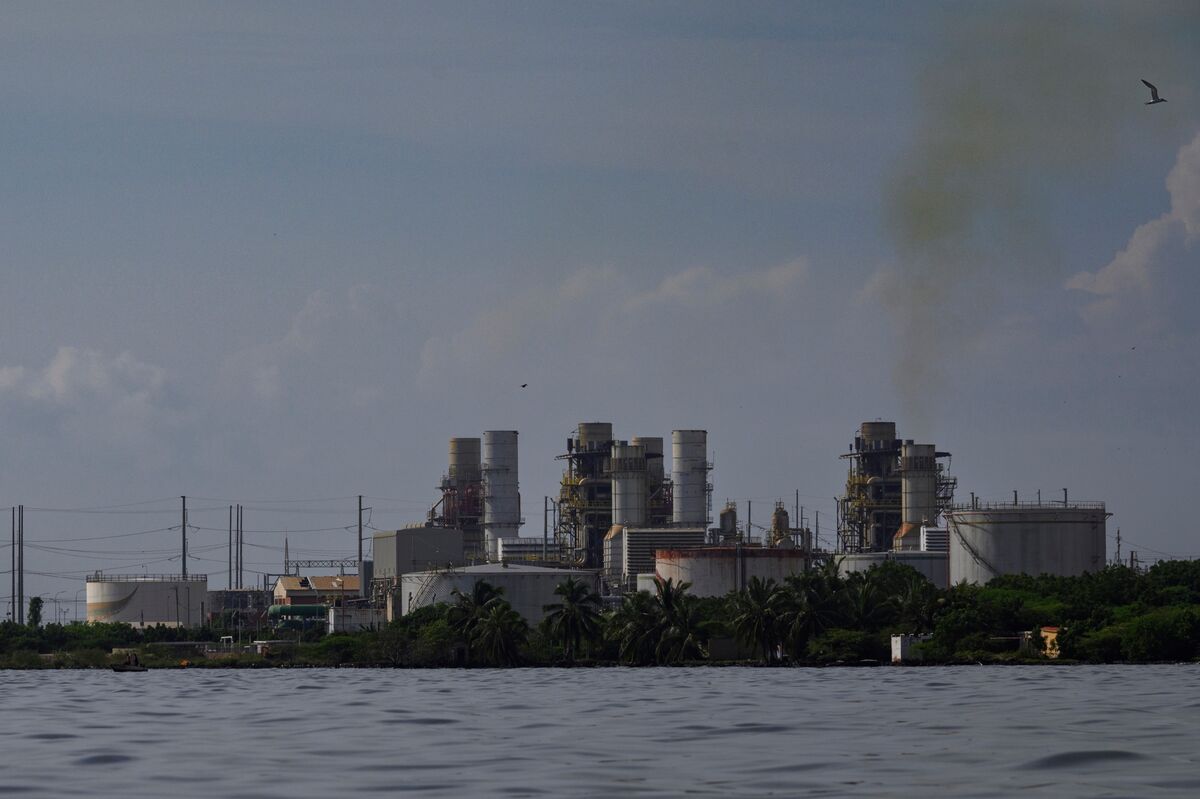
US oil executives are cautious about President Trump's push to invest $100 billion in Venezuela's oil sector, citing legal and security concerns, despite some companies showing interest. Trump aims to revive Venezuela's oil industry and leverage its reserves, but industry experts highlight the challenges and risks involved, including political instability and environmental issues.
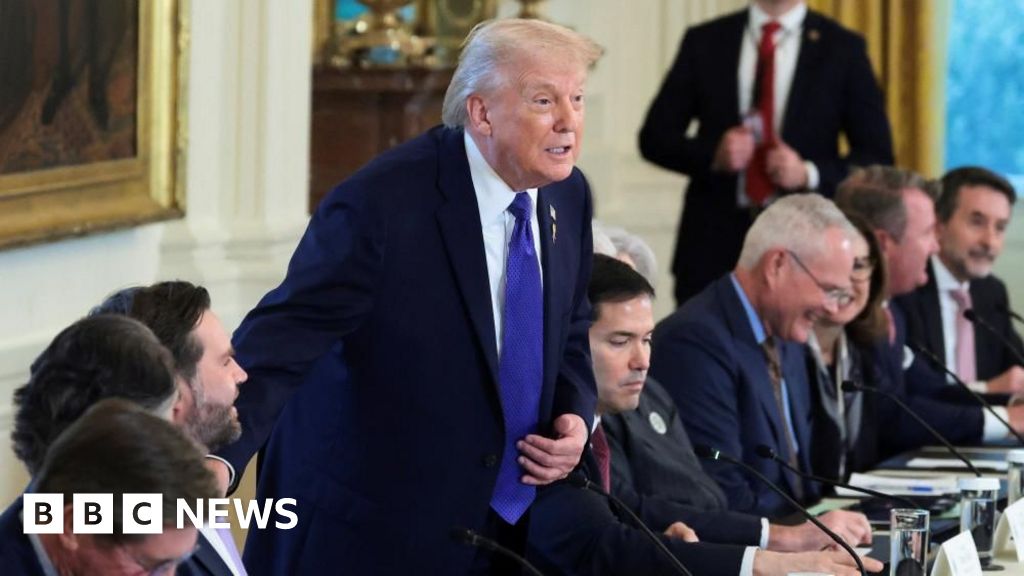
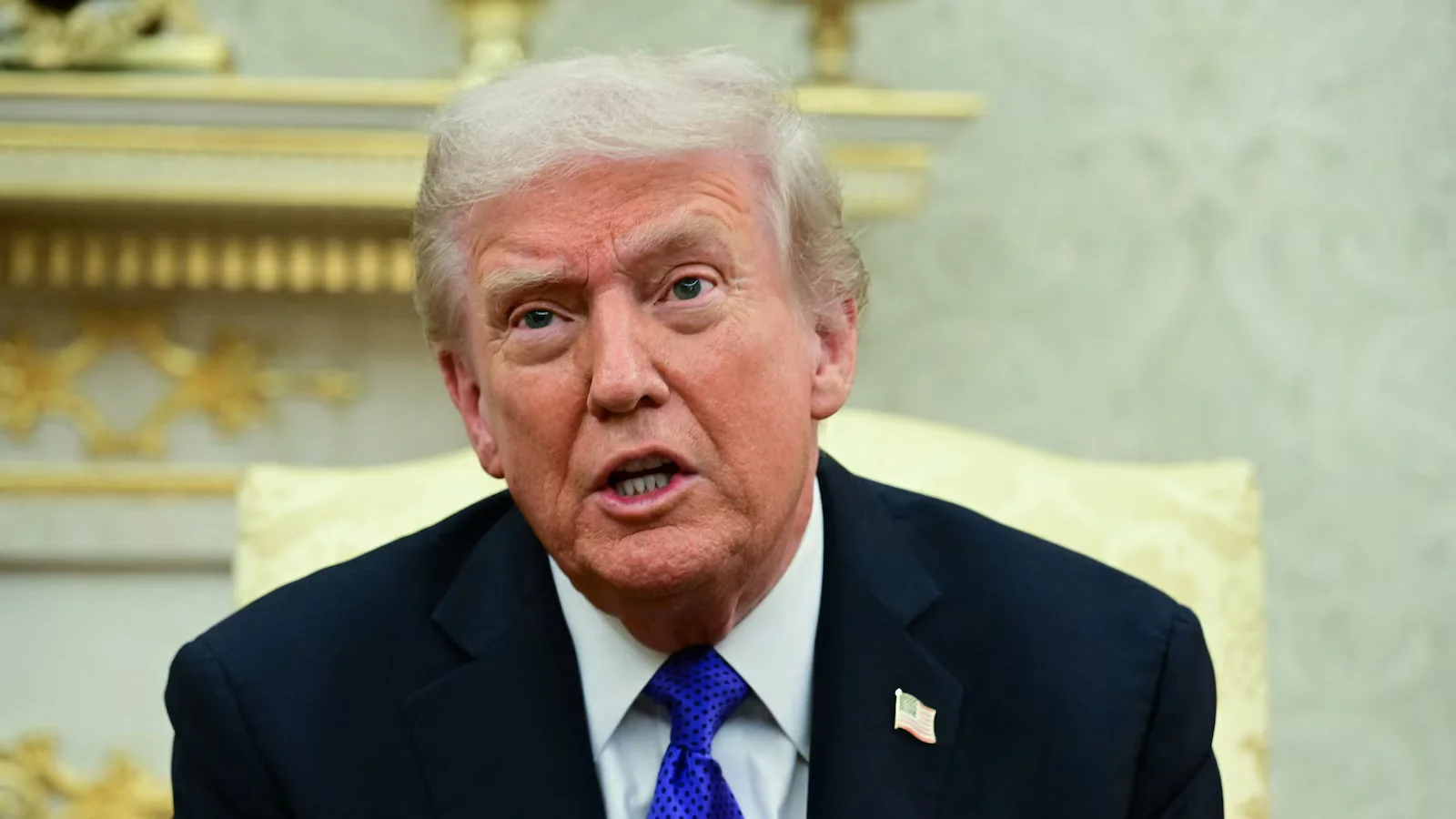
US President Trump met with oil executives to discuss investments in Venezuela's oil industry, but no major commitments were made due to concerns over political stability, security, and the country's investment climate. Major companies like ExxonMobil and Chevron expressed cautious optimism, but emphasized the need for significant internal changes and stability before large investments can be considered.
Donald Trump admitted to speaking with oil companies before and after the controversial US operation to capture Venezuelan President Nicolás Maduro, prompting criticism and concerns over unauthorized actions and insider information sharing.
The Trump administration is actively encouraging US oil companies to invest in Venezuela's oil industry, despite concerns over political instability and security risks, with officials planning formal outreach to industry leaders to revive the country's oil production.
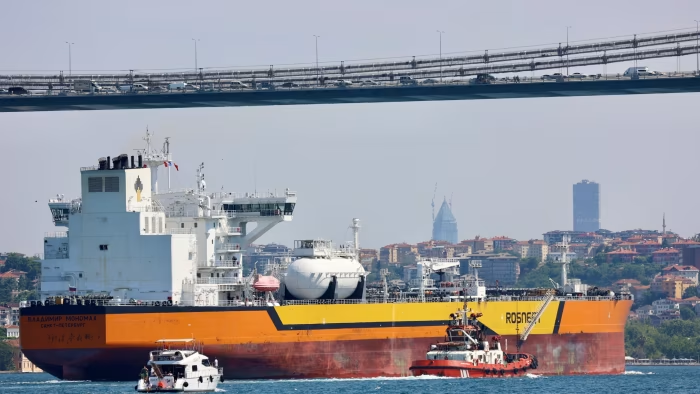
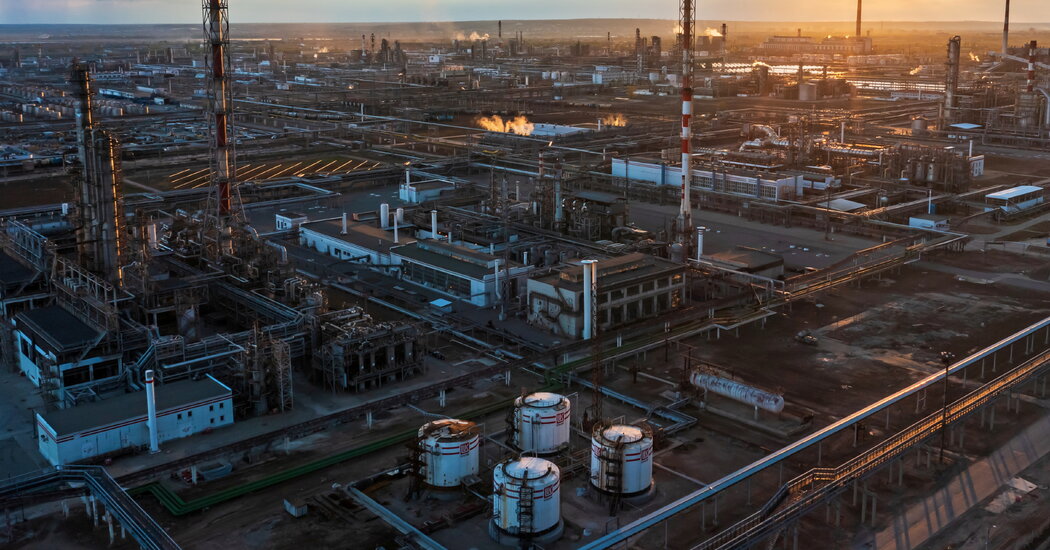
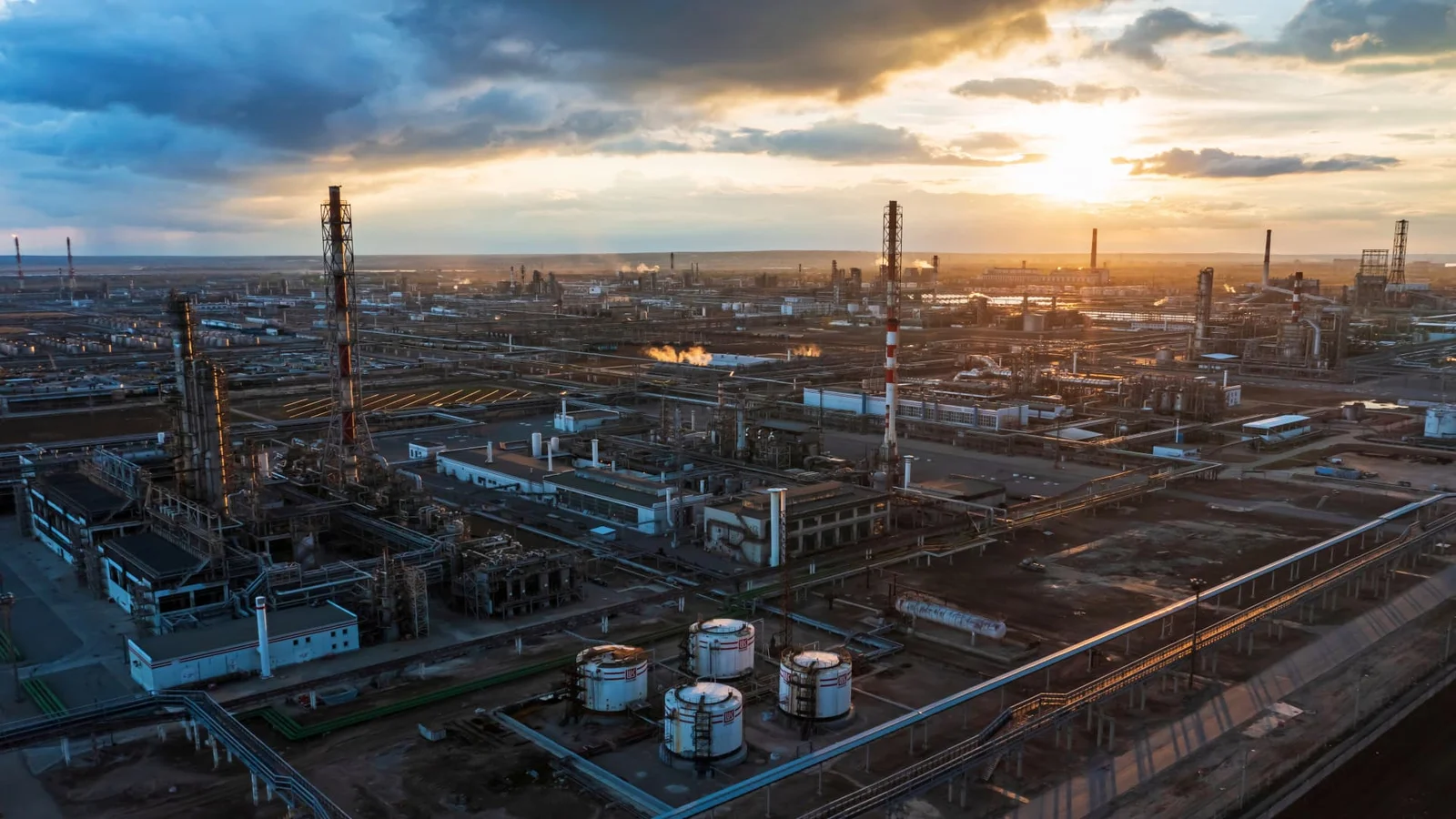
The US has imposed new sanctions on Russia's top four oil companies, including Rosneft and Lukoil, aiming to weaken Moscow's war economy amid ongoing tensions over Ukraine. These measures, combined with EU energy sanctions, target a significant portion of Russia's oil exports, potentially increasing economic pressure on Russia despite its president Putin's willingness to endure economic harm for strategic gains. The effectiveness of these sanctions will depend on enforcement and responses from China and India.
President Trump announced new sanctions on Russia's largest oil companies, Lukoil and Rosneft, as a response to frustrations with Putin and the ongoing Ukraine conflict, marking a significant move in US-Russia relations amid diplomatic tensions and European concerns.
The Trump administration imposed sanctions on Russia's two largest oil companies, Rosneft and Lukoil, in response to Russia's ongoing invasion of Ukraine, which has resulted in missile and drone attacks across Ukrainian cities. Despite international efforts and discussions about ceasefire negotiations, the conflict continues, with Ukraine calling for increased sanctions and military support, and Russia demonstrating its nuclear capabilities. The situation remains tense as diplomatic and military pressures persist.
President Trump announced new sanctions targeting Russia's two largest oil companies, Rosneft and Lukoil, as part of an effort to pressure Vladimir Putin to end the Ukraine conflict, marking the first sanctions against Russia since his presidency began.
The Trump administration imposed sanctions on Russia's largest oil companies, Rosneft and Lukoil, to pressure Russia to cease its war in Ukraine, citing lack of progress in peace efforts and aiming to weaken Russia's revenue sources for the conflict.
A lawsuit in Washington state accuses oil companies like ExxonMobil, BP, and Chevron of being responsible for the death of Julie Leon during a record-breaking heat wave in Seattle, claiming they knew about the climate risks but deceived the public. This case is notable as the first to link oil companies directly to a person's death in a climate disaster, highlighting ongoing legal battles over fossil fuel industry accountability for climate change impacts.
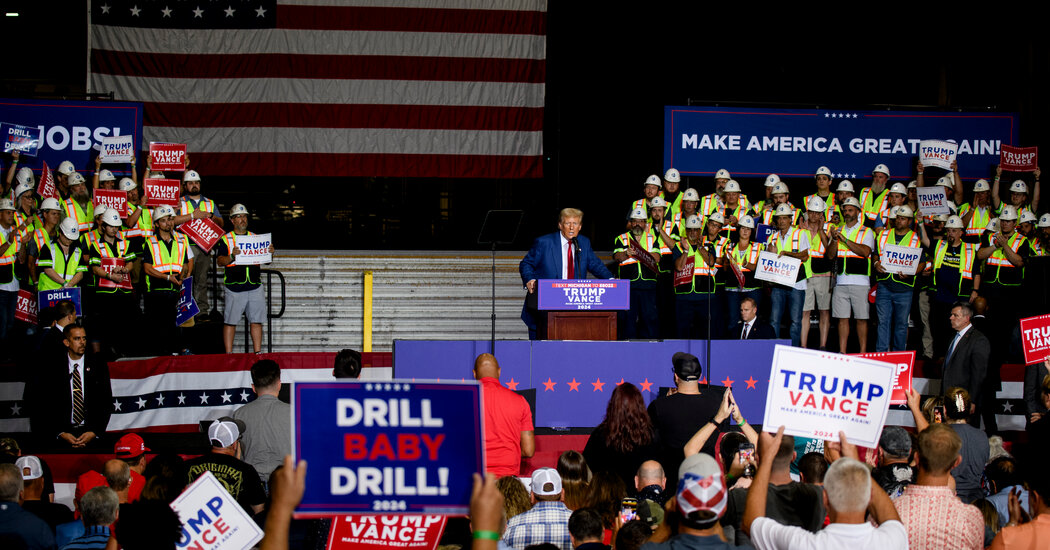
Trump's energy policies present a complex scenario for oil companies, offering potential benefits through deregulation and increased drilling opportunities, but also posing challenges due to market volatility and environmental concerns.
The potential re-election of former President Trump could benefit oil companies by rolling back regulations, but may also lead to higher gas prices if he imposes stricter sanctions on Iran. Analysts suggest that while geopolitical tensions could cause price spikes, the U.S. might mitigate this by increasing drilling. Despite these risks, gas prices are expected to remain around $3 per gallon, with a possible decrease by the end of the year.
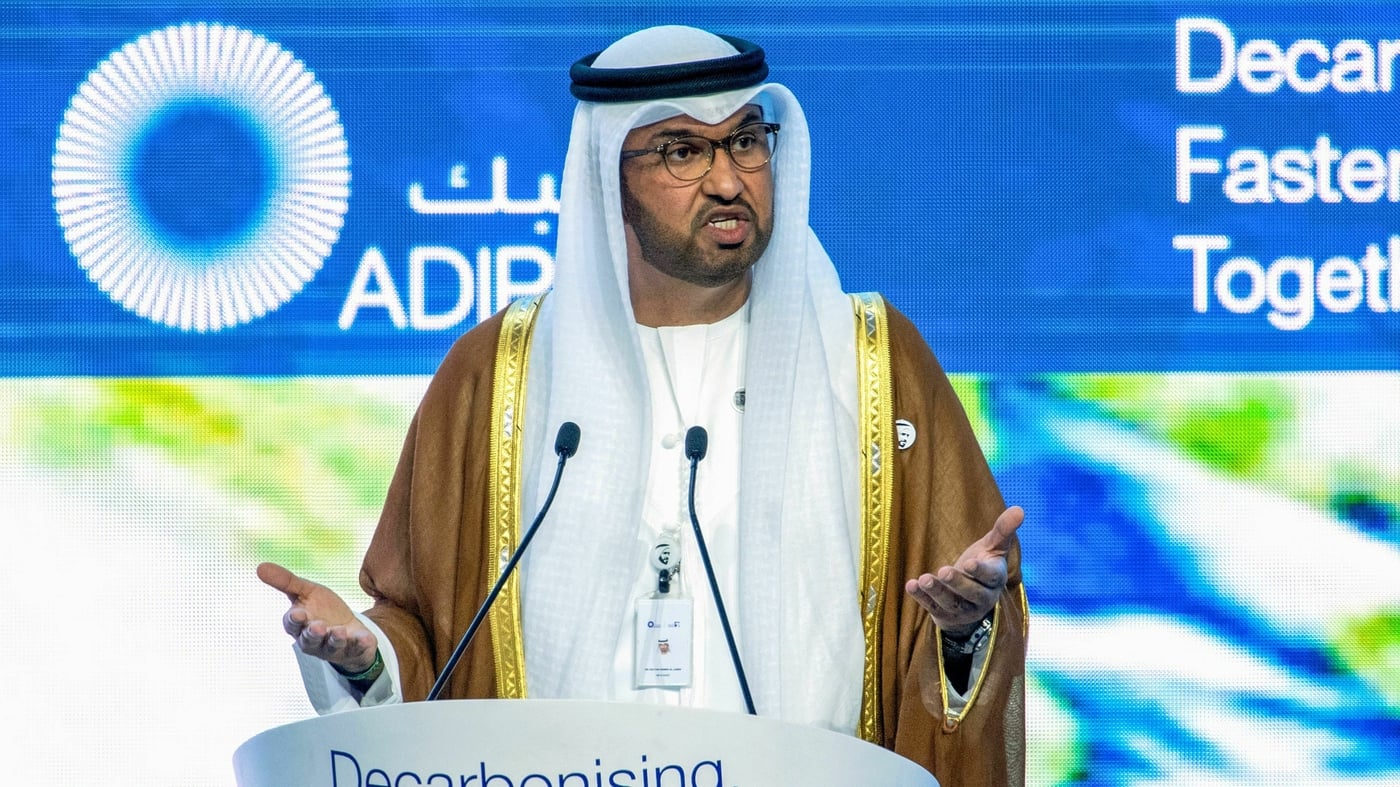
The rise of artificial intelligence is pushing major oil companies like Adnoc to invest more in renewable energy, as AI's energy demands grow. Sultan al-Jaber, CEO of Adnoc, highlighted the need for a model integrating various energy sources, including renewables, to meet AI's power needs. Adnoc is investing $23 billion in low-carbon technology using AI, aiming to reduce emissions and achieve carbon reduction targets. The company is also developing AI agents to enhance operational efficiency and carbon storage capabilities.
Oil companies have a significant presence at the climate talks, and their language is crucial as it can influence policy decisions. While most oil companies acknowledge climate change, they advocate for continued use of fossil fuels, albeit with cleaner extraction and processing methods. Key phrases used by oil companies, such as "low carbon" and "net zero," can be misleading, as they often refer only to emissions from their operations and not the emissions from the oil they sell. The industry also emphasizes the importance of reliable and affordable energy, which is often seen as a dig at renewable energy sources. The world is currently grappling with how to meet the Paris Agreement goals, and the oil industry argues against a complete transition away from oil and gas.
Hedge fund manager Jeff Ubben, who recently closed his sustainable investing firm, criticizes the "echo chamber" of traditional climate summitry, expressing concern that entrenched points of view are hindering progress in climate talks. Ubben, an advocate for bringing oil companies to the table, joined Exxon Mobil's board in 2021 and is now on the advisory committee of COP28 in Dubai. The COP28 summit has drawn criticism for potentially becoming a deal-making venue for oil majors and the finance industry. Ubben argues that carbon-emitting companies need to be part of the conversation and that company balance sheets are crucial for driving change. His firm's closure coincides with a challenging year for climate investing, as green stocks have slumped.