The Trump administration is actively encouraging US oil companies to invest in Venezuela's oil industry, despite concerns over political instability and security risks, with officials planning formal outreach to industry leaders to revive the country's oil production.
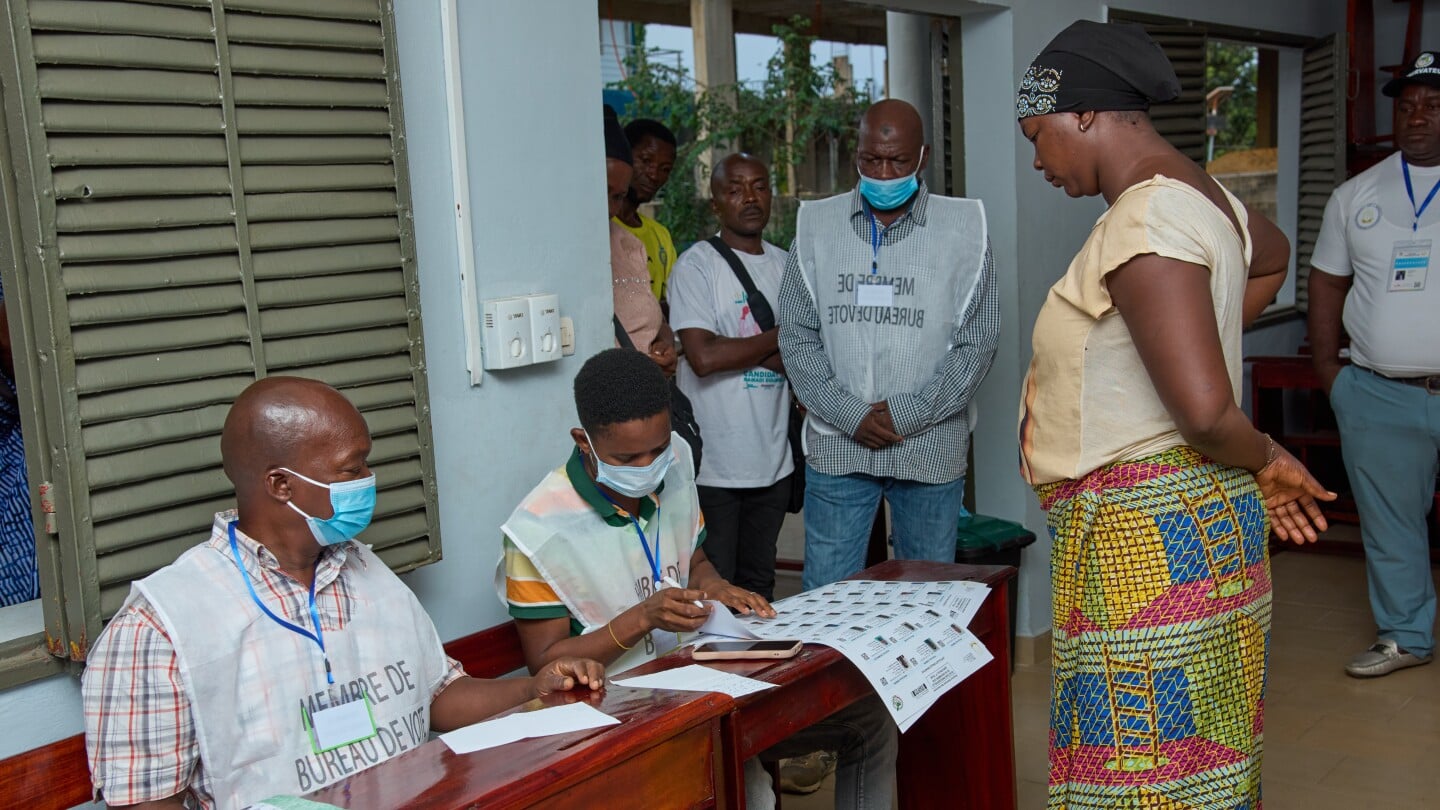
Guinea is holding its first presidential election since the 2021 coup, with junta leader Mamadi Doumbouya favored to win amid a weakened opposition and ongoing political repression, as the country faces economic challenges despite its rich mineral resources.
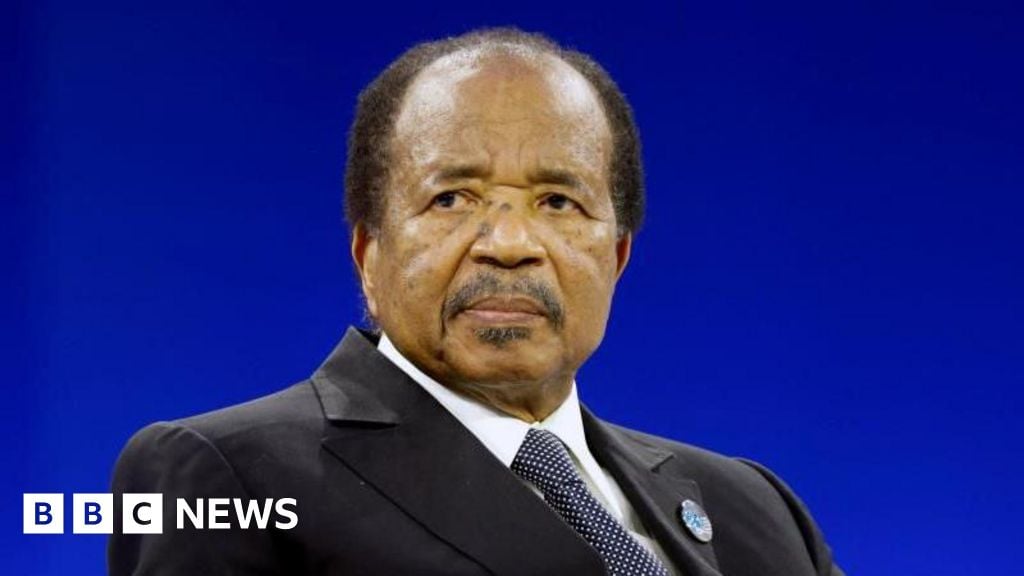
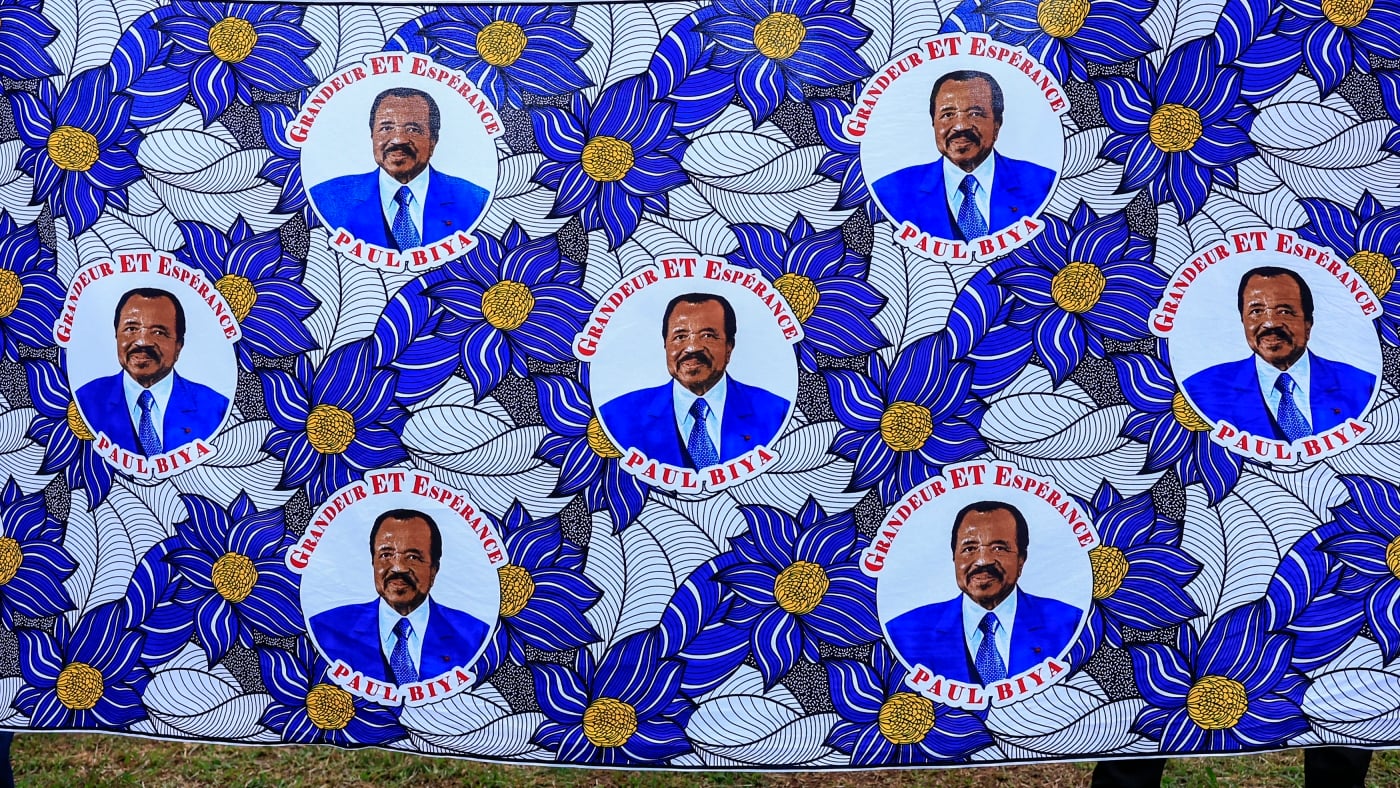
92-year-old President Paul Biya has been re-elected for an eighth term in Cameroon amid controversy, questions about his health and governance style, and ongoing social and regional tensions, highlighting his long-standing and complex rule in the country.
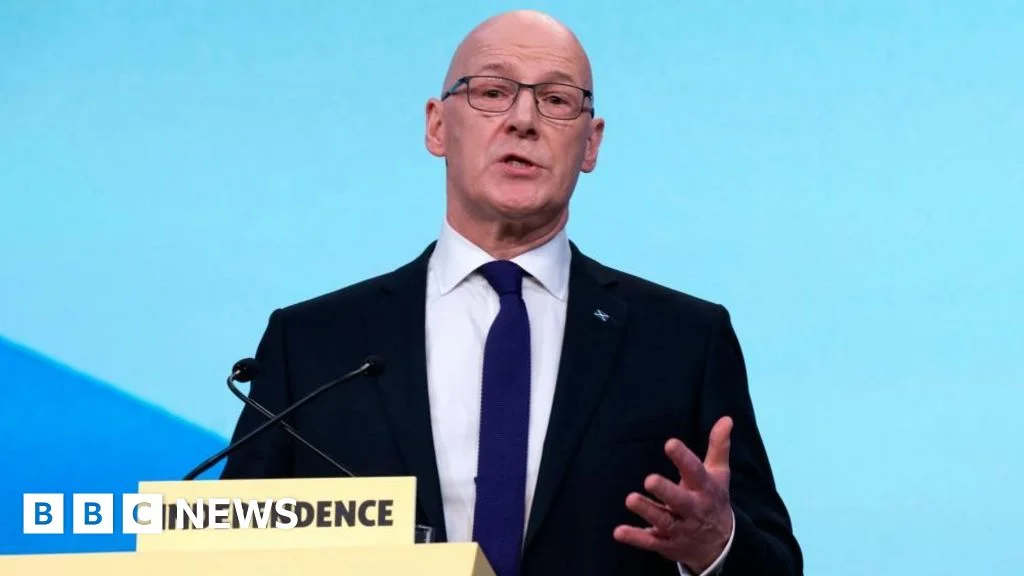
The SNP has experienced significant turmoil over the past year but is now showing signs of stability and competitiveness ahead of the Scottish Parliament elections, with potential to secure a majority and push for another independence referendum, amidst a highly fragmented political landscape in Scotland.
Many African countries are led by very old leaders, with Cameroon’s Paul Biya, at 92, being the oldest, seeking an eighth term amid ongoing issues like violence and corruption. Other long-serving leaders include Malawi's Peter Mutharika, Ivory Coast's Alassane Ouattara, Equatorial Guinea's Teodoro Obiang, and Zimbabwe's Emmerson Mnangagwa, all in their 80s. Despite the prevalence of gerontocracies, youth protests and emerging younger leaders signal potential shifts in Africa's political landscape.
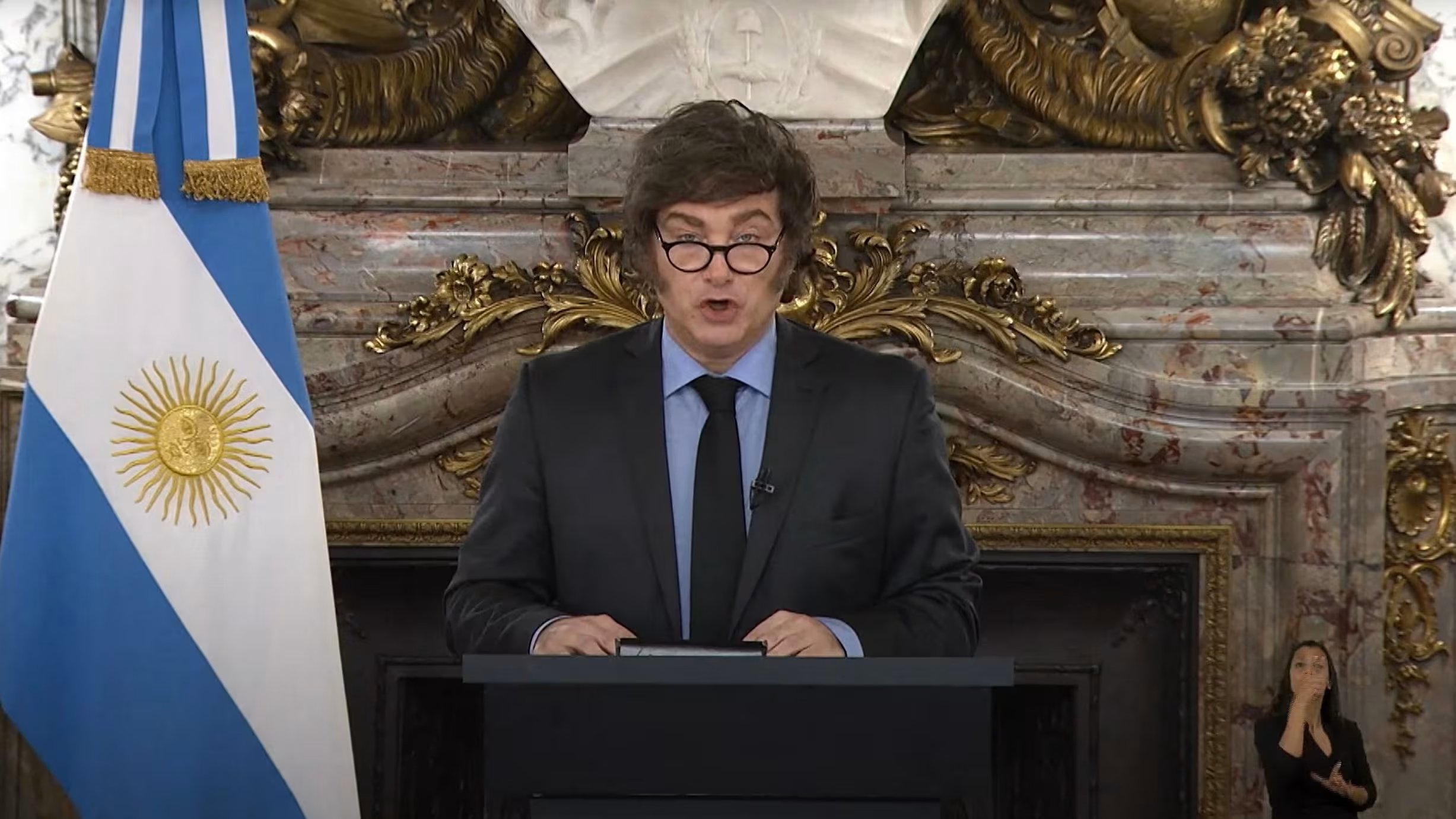
Javier Milei, facing criticism and challenges, appeals to the weary Argentine public for patience as he navigates the country's ongoing economic and political difficulties.
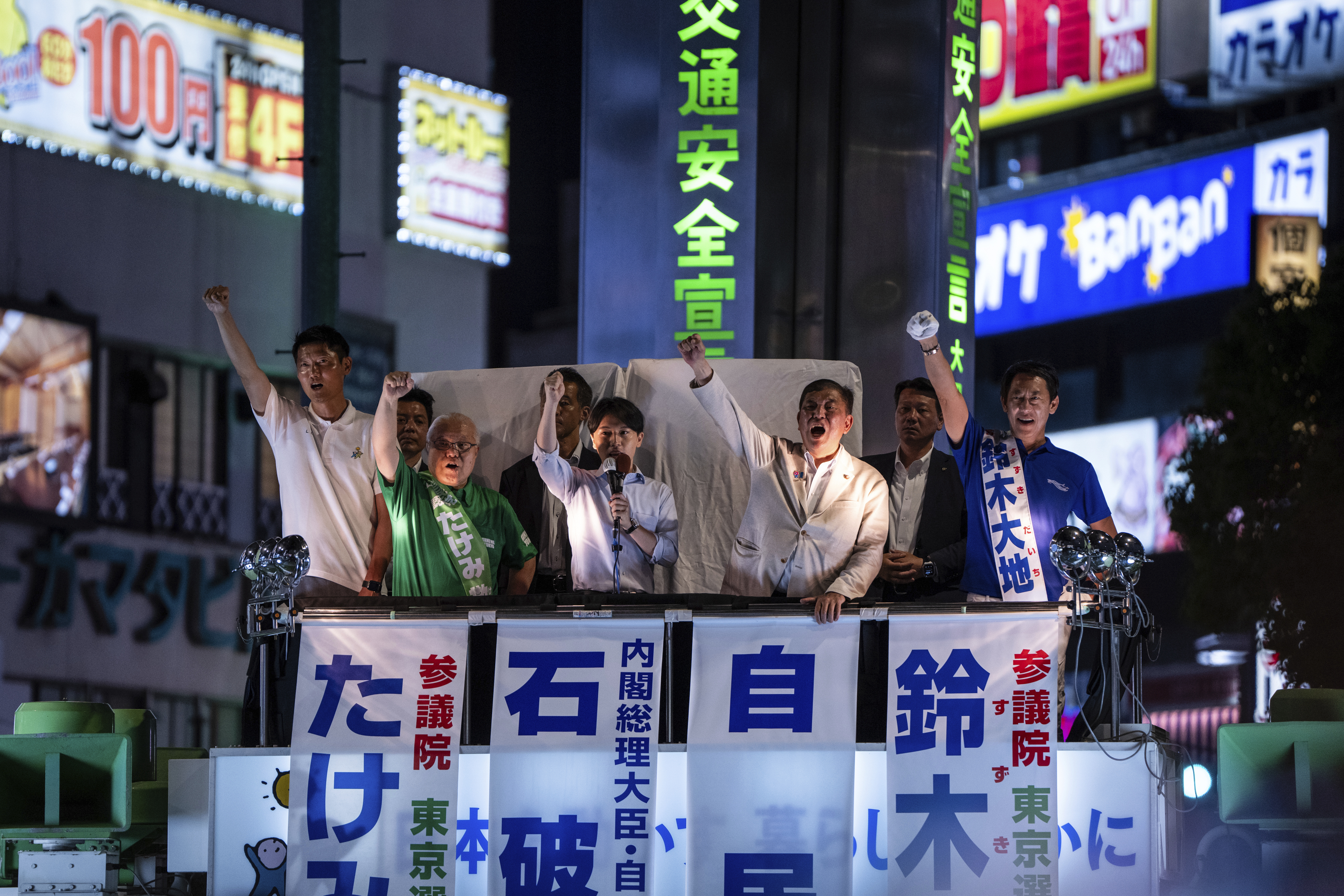
Exit polls indicate Japan’s ruling coalition, led by Ishiba, is likely to suffer significant losses in the election, reflecting voter frustration over economic issues and social policies, which could lead to political instability and calls for leadership changes.
Opposition leader Lee Jae-myung is on track to become South Korea's next president after winning a snap election, with the ruling party's Kim Moon-soo conceding defeat. The election follows a period of political chaos, including martial law and government disarray, and is seen as a move towards stability. Lee, a controversial figure with a background in law and politics, faces significant economic and regional challenges, but his victory is expected to restore normalcy and facilitate policy progress.
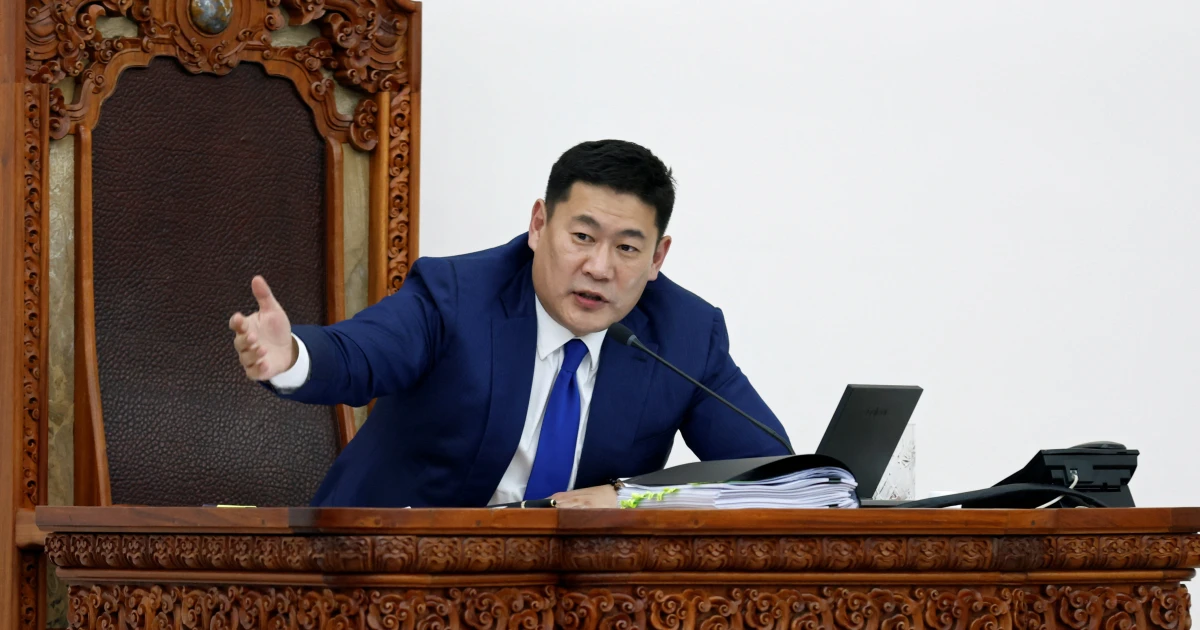
Mongolia's Prime Minister Oyun-Erdene Luvsannamsrai resigned after failing to secure enough support in parliament amid protests over his son's lavish spending and concerns about political stability and democratic development.
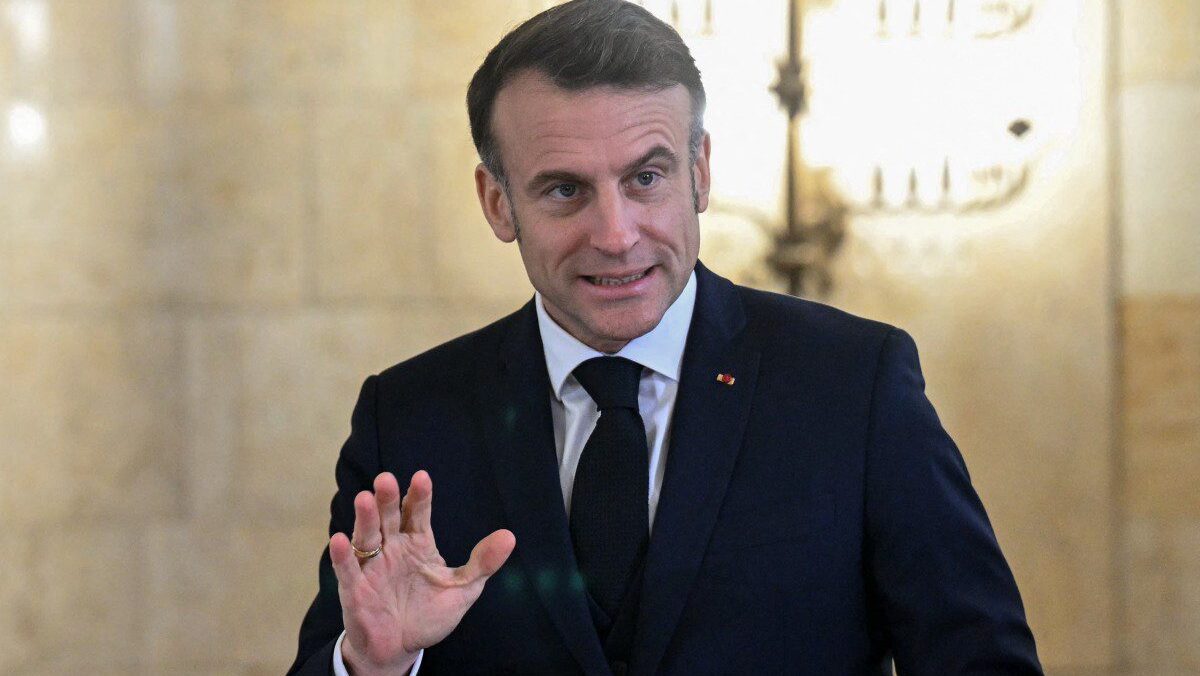
French President Emmanuel Macron is expected to appoint a new prime minister soon, amid challenges in expanding his political support base. Macron is reportedly working on a 'no-censure pact' to ensure government stability, as he struggles to form a broader coalition beyond the current center and center-right parties. Potential candidates for the prime minister position include François Bayrou and Bernard Cazeneuve. Meanwhile, Marine Le Pen's popularity is rising, with her party, the Rassemblement National, positioning itself as the main opposition. Macron's decision may be announced after his trip to Poland.
Brazilian President Luiz Inácio Lula da Silva is recovering in intensive care after undergoing emergency brain surgery to remove a haematoma caused by a fall in October. The 79-year-old leader is stable and expected to return to Brasília soon, though his health raises questions about his potential re-election in 2026. Vice-president Geraldo Alckmin is temporarily assuming some of Lula's duties. Lula's presidency faces challenges, including economic concerns and a recent alleged assassination plot.
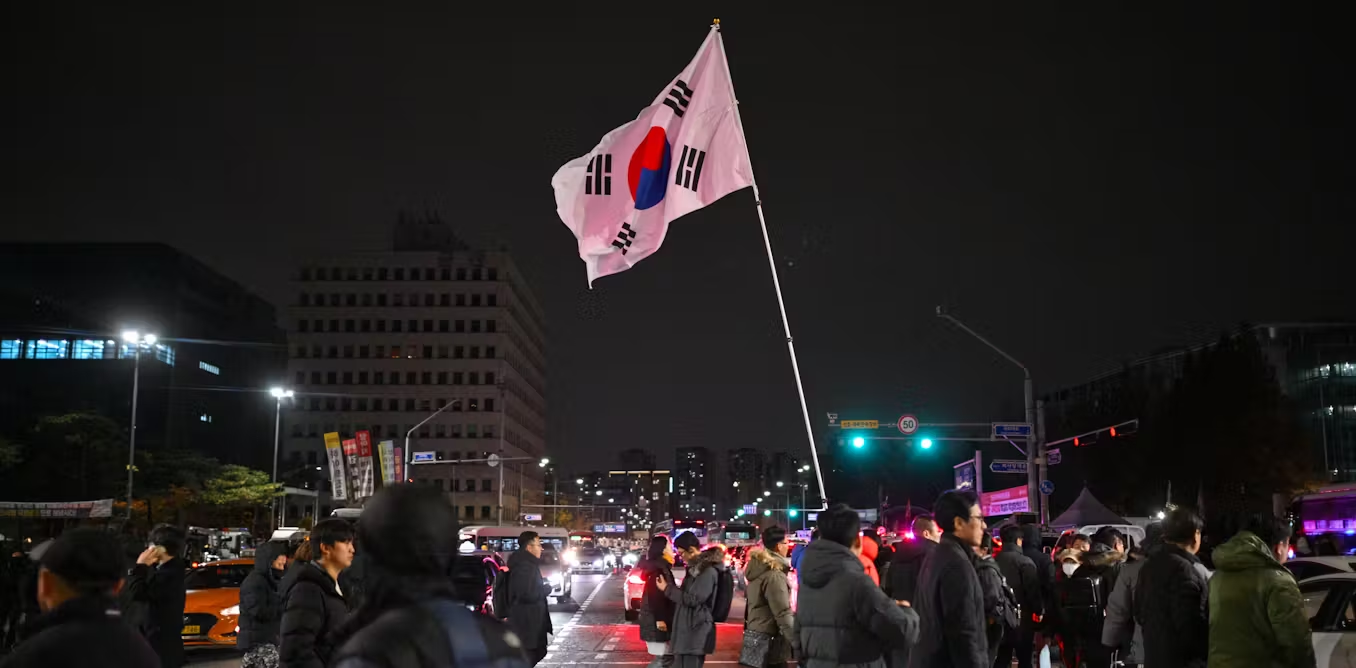
The brief imposition of martial law in South Korea highlights the challenges facing its democracy and the political position of President Yoon. This situation underscores the delicate balance between maintaining order and upholding democratic principles, raising questions about the resilience of South Korea's democratic institutions and the leadership strategies of President Yoon.
Yamandú Orsi of the Broad Front has won Uruguay's presidential run-off, defeating Álvaro Delgado of the centre-right party. Orsi's campaign focused on 'safe change' and moderation, appealing to a political climate that favors stability and convergence. Despite challenges like growth, education, and crime, Orsi's victory reflects a preference for cautious, centrist policies in Uruguay's political landscape.
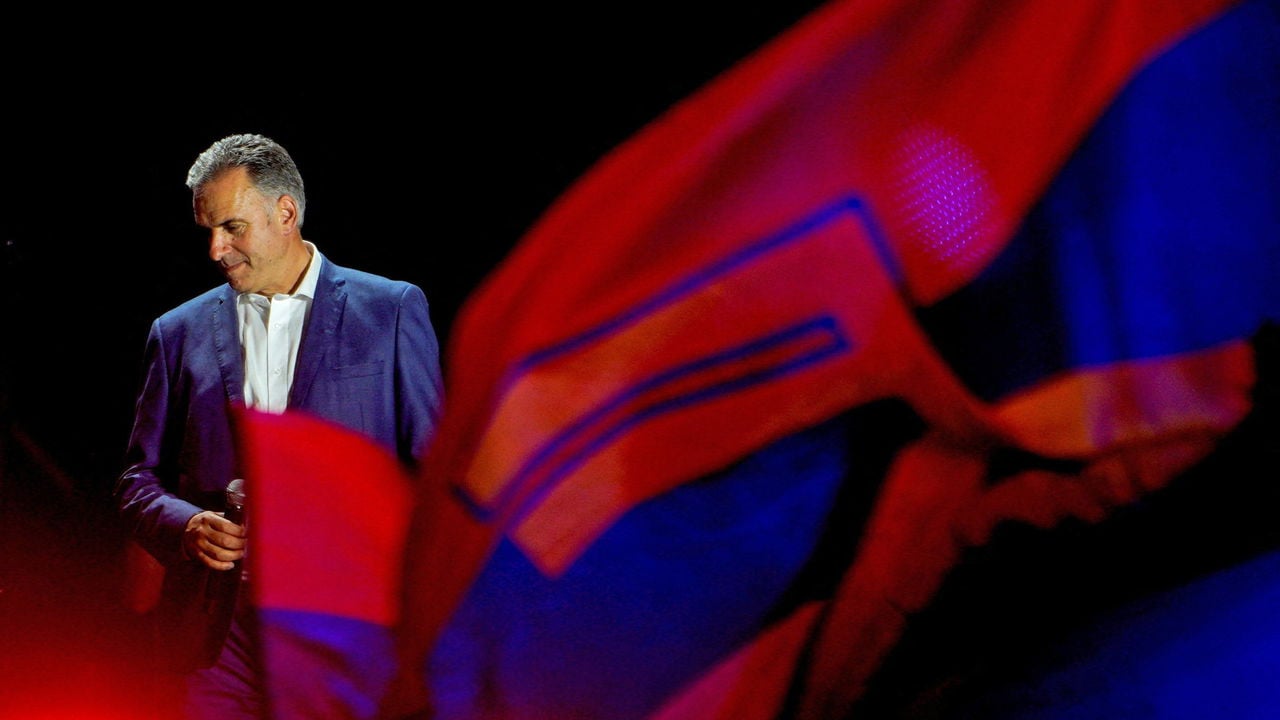
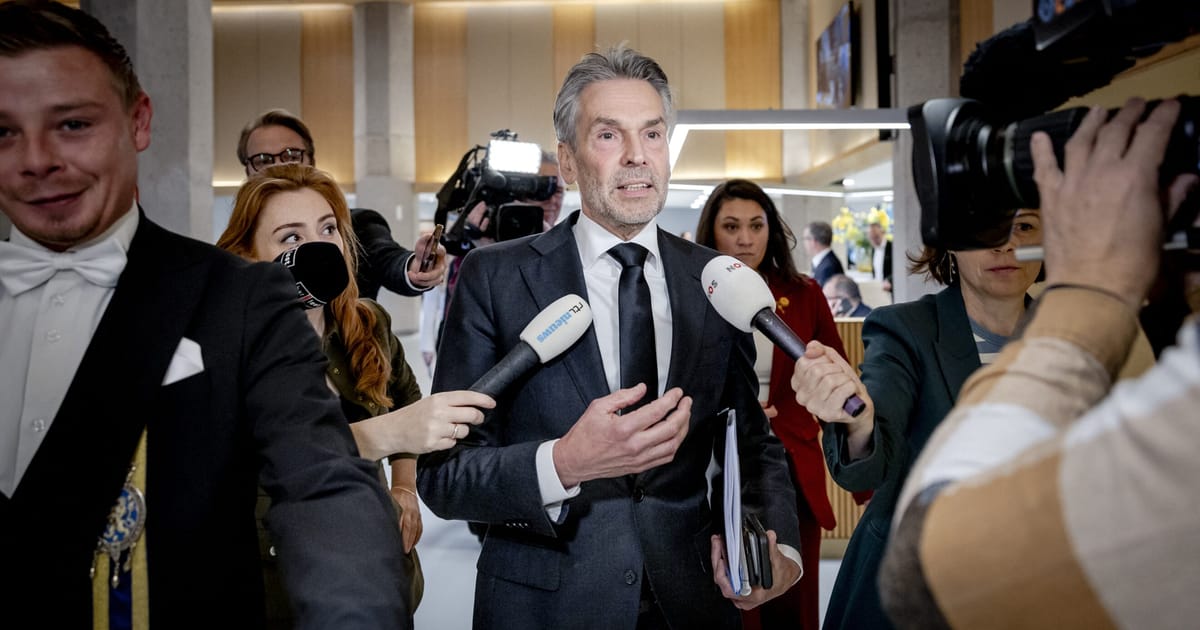
The Dutch coalition government has managed to maintain its stability despite recent turmoil instigated by the controversial far-right politician Geert Wilders. Wilders, known for his provocative rhetoric, has been a significant source of political tension, but the coalition has so far withstood the challenges posed by his influence.
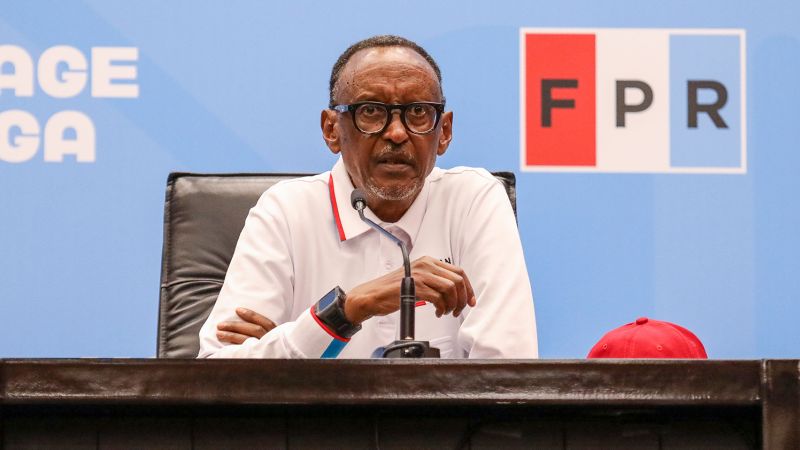
Rwandans are voting in an election where incumbent President Paul Kagame is expected to secure a fourth term, extending his nearly 25-year rule. Despite opposition from Frank Habineza and Philippe Mpayimana, analysts predict Kagame's victory. While praised for economic development and ending the 1994 genocide, Kagame faces criticism for alleged human rights abuses and political repression. The election also includes voting for members of the lower house of parliament, with results expected by July 20.