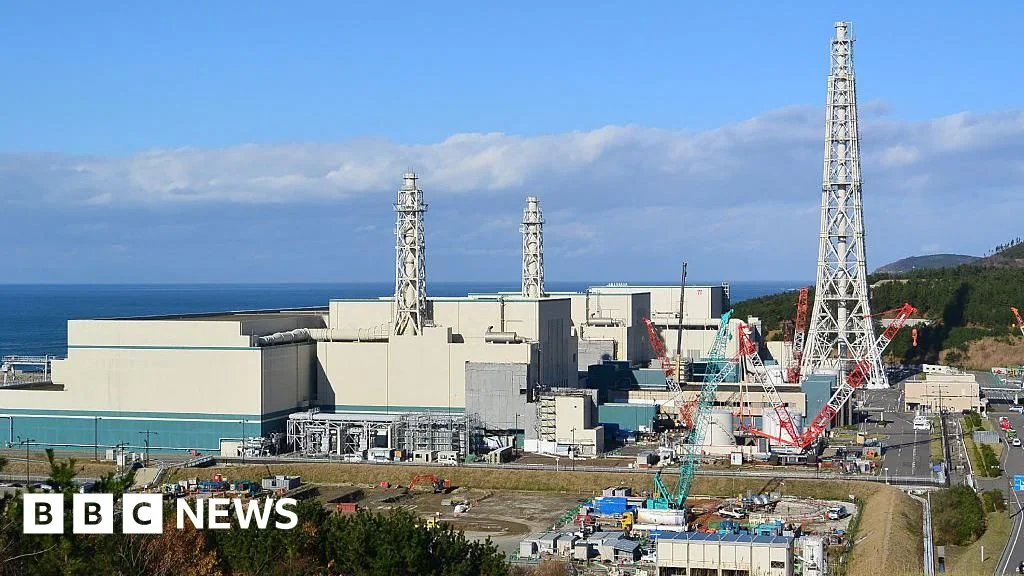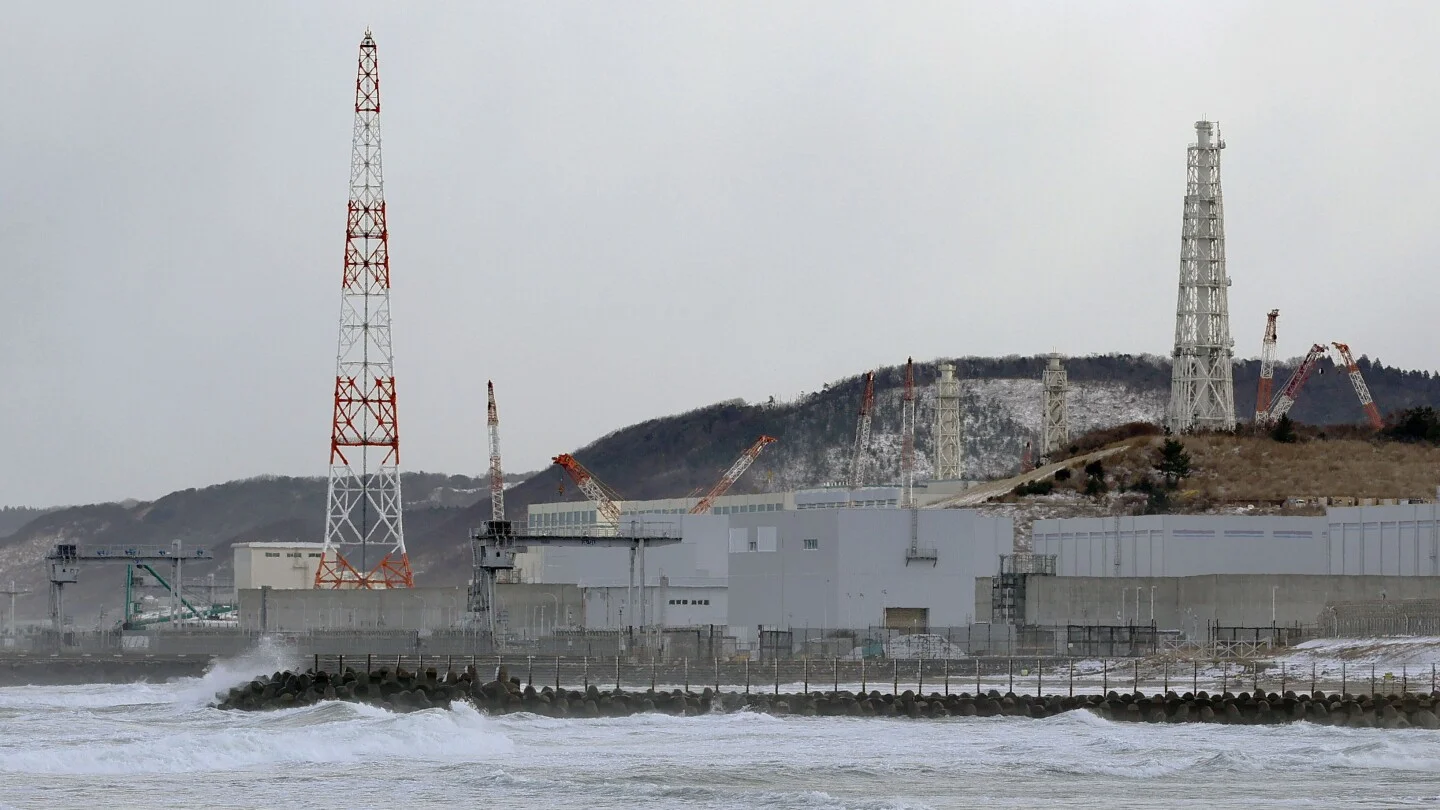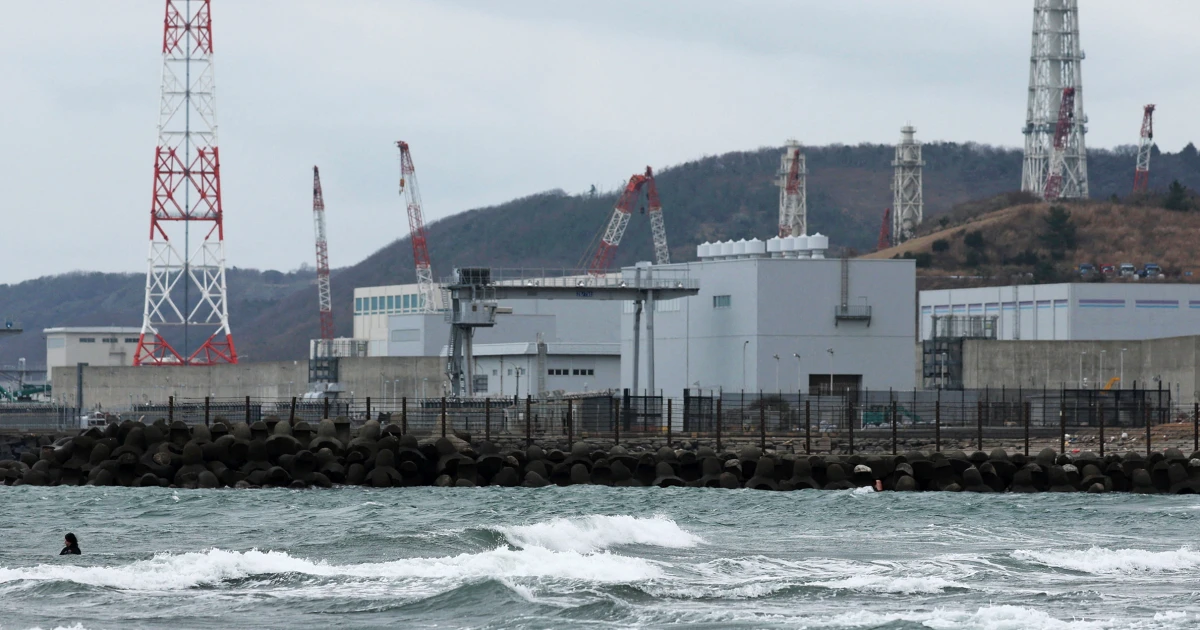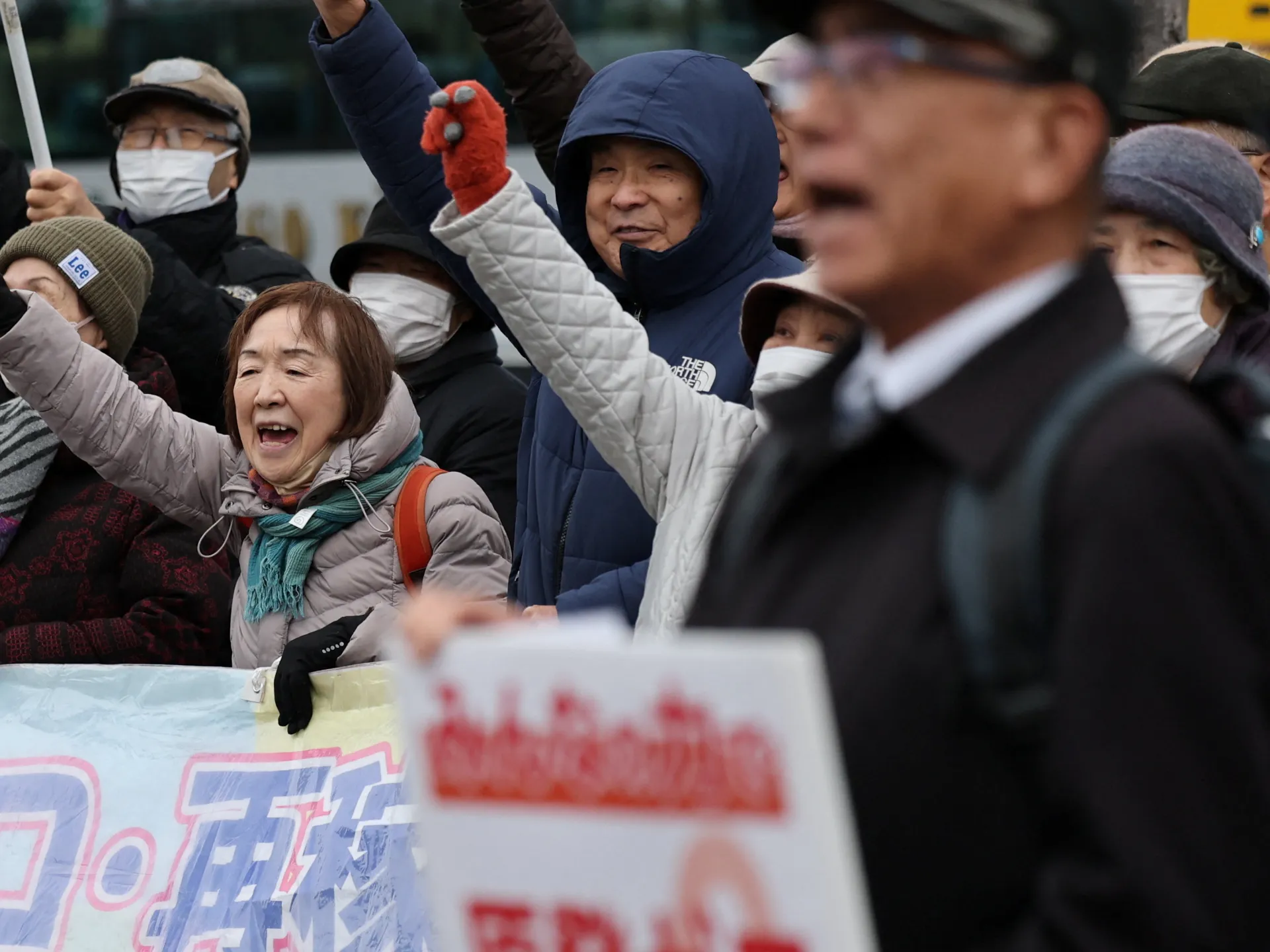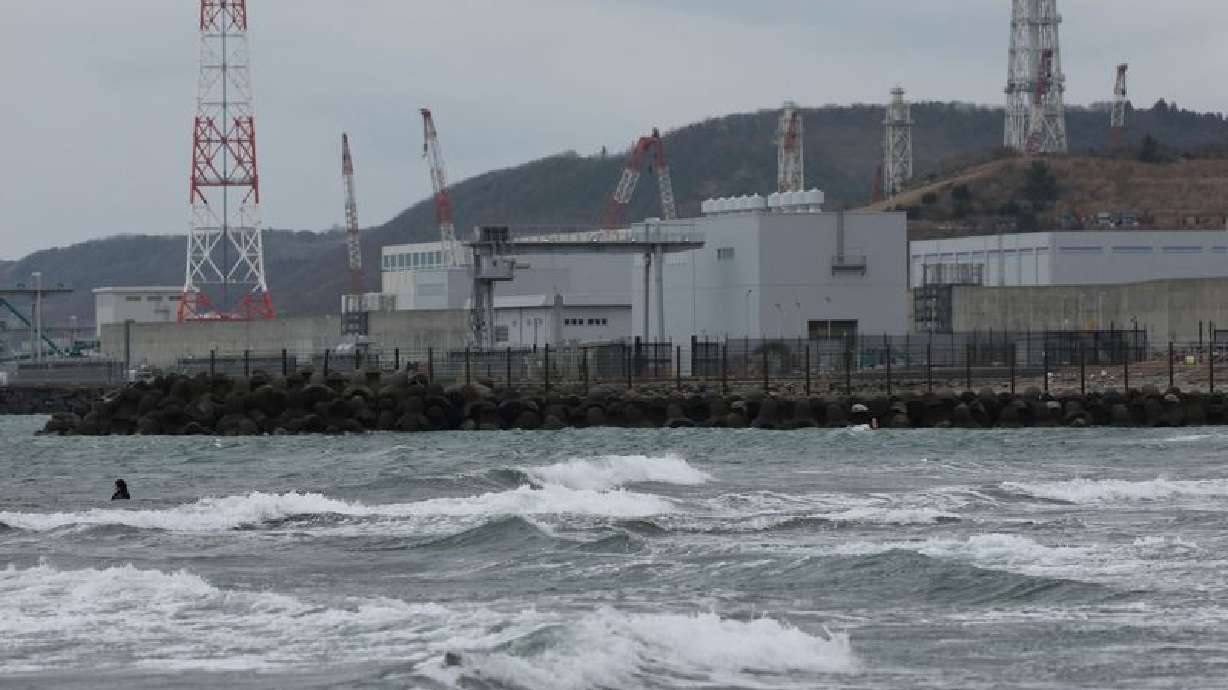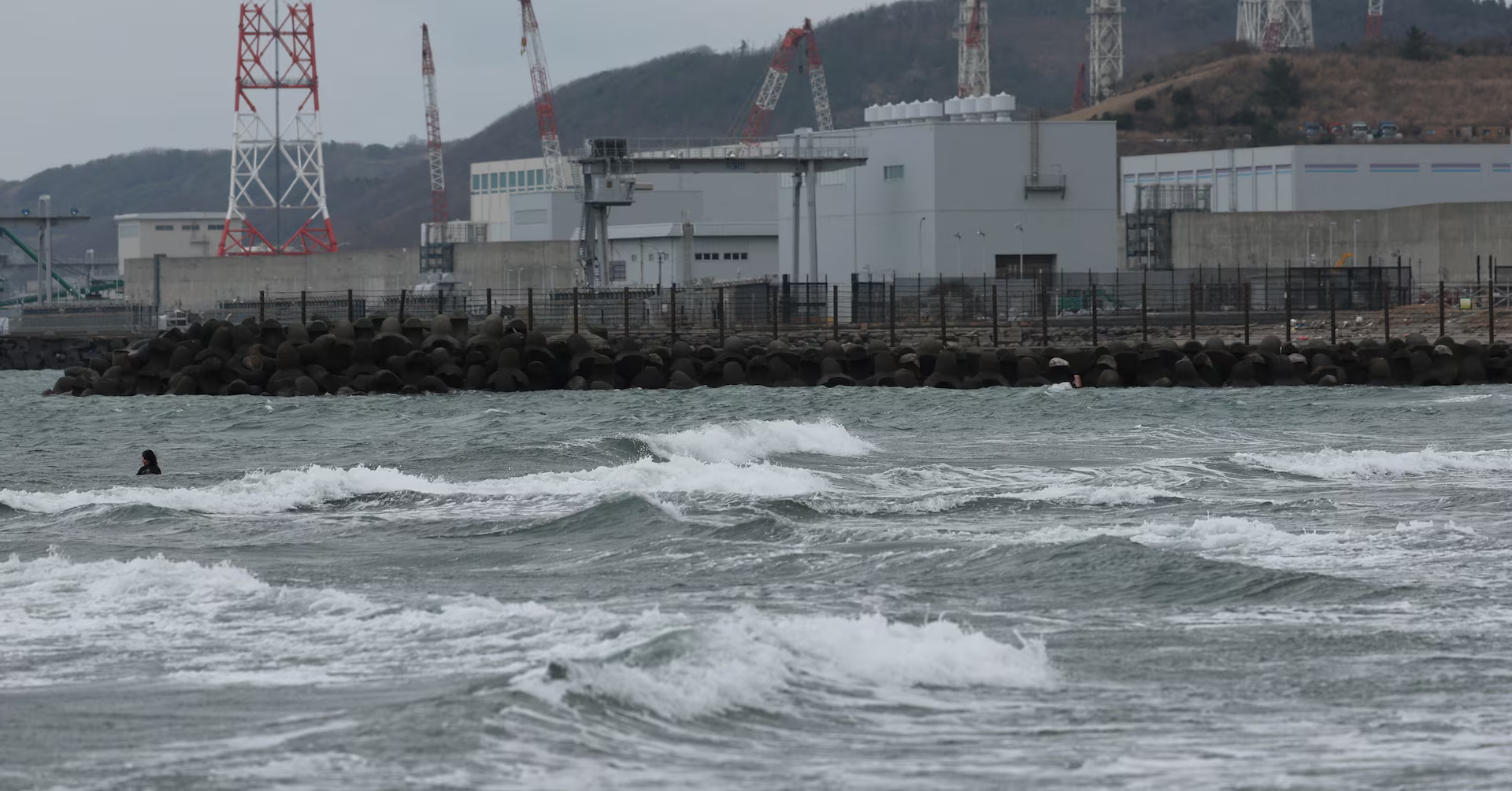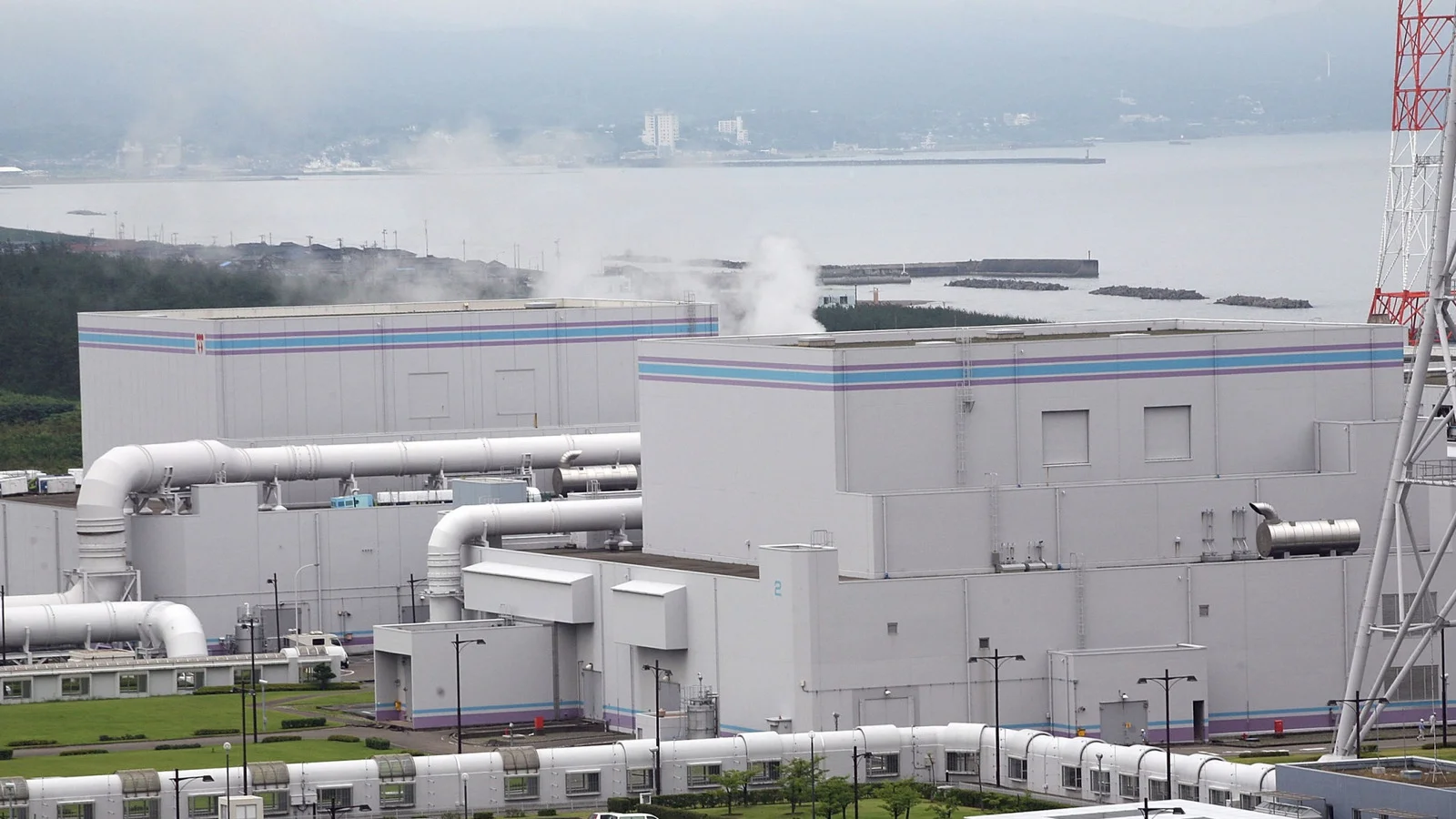
Japan is considering restarting the Kashiwazaki-Kariwa nuclear plant, the world's largest, after 15 years since Fukushima, amid public protests and concerns over safety, as the government aims to boost energy security and meet decarbonization goals.
Japan is set to restart the Kashiwazaki-Kariwa nuclear power plant, the world's largest, after a 15-year hiatus following the Fukushima disaster, amid public protests and political support, as the country seeks to reduce reliance on fossil fuels and enhance energy security.
Japan is set to restart the Kashiwazaki-Kariwa nuclear plant, the world's largest, marking a significant step in its return to nuclear energy post-Fukushima, despite local opposition and safety concerns, as the country aims to reduce reliance on fossil fuels and meet future energy demands.
Japan is set to approve the restart of the Kashiwazaki-Kariwa nuclear plant, the world's largest, marking a significant step in its return to nuclear energy post-Fukushima, despite local opposition and safety concerns, as the country aims to reduce reliance on imported fossil fuels and meet future energy demands.