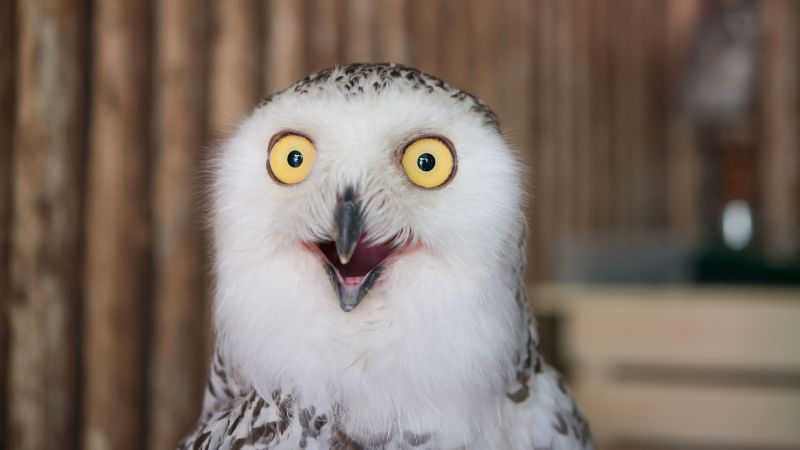
A small typo has led to an internet phenomenon of flooding the web with owl photos ahead of the Super Bowl, bringing attention to these fascinating creatures and aiding conservation awareness. Owls are skilled predators with keen senses and unique characteristics, and communities across the US are hosting educational events about them. There are over 250 owl species, each with its own distinct features and behaviors, and those interested in supporting conservation efforts for these superb owls can find vetted organizations to donate to through CNN's Impact Your World.
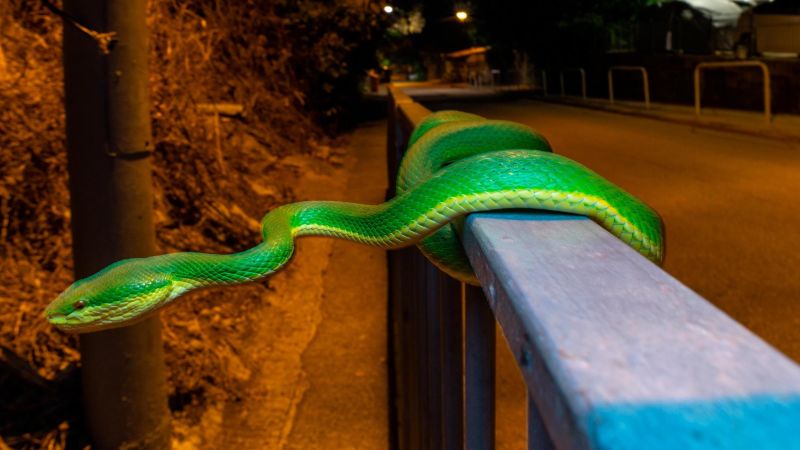
Wildlife photographer Lawrence Hylton captures stunning images of Hong Kong's diverse nocturnal wildlife, including snakes, geckos, and bees. Despite being one of the most densely populated places in the world, Hong Kong is home to over 1,000 animal species and boasts one third of all bird species in China. Hylton's mission is to promote conservation through his artistic approach to nature photography, hoping to change people's perception of animals and emphasize their right to live. While Hong Kong's protected areas and hilly terrain provide refuge for wildlife, biodiversity loss remains a concern. Hylton believes that education is key to preserving Hong Kong's natural habitats and fostering a greater appreciation for nature.
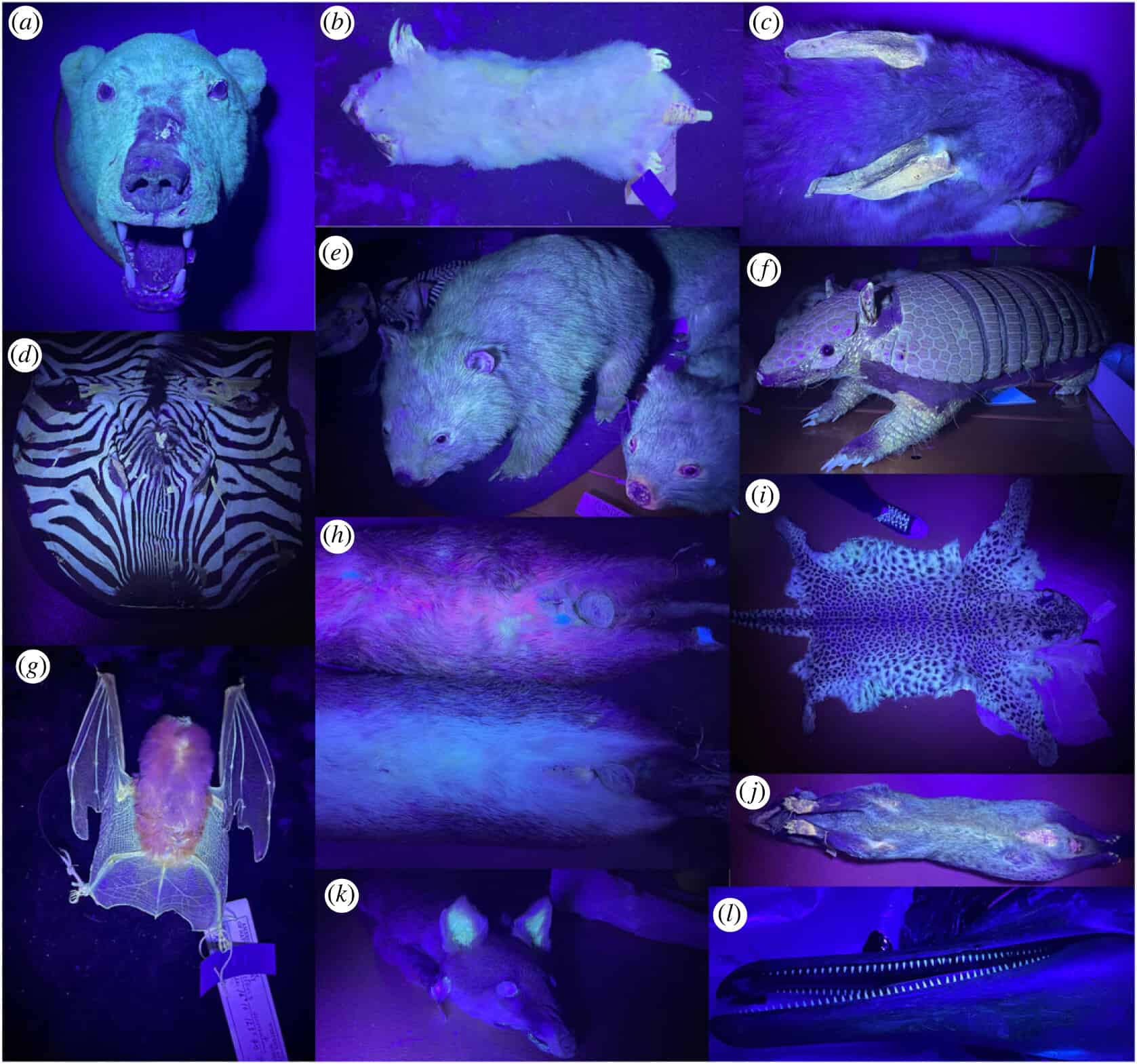
A study conducted by researchers from Curtin University and the Western Australian Museum has revealed that fluorescence, the ability to emit visible light under ultraviolet (UV) light, is much more common in mammals than previously thought. The researchers studied 125 species, finding that all of them exhibited some form of fluorescence, with areas such as fur, claws, teeth, and skin glowing under UV light. The study also found that white and light-colored fur was more likely to be fluorescent, while dark pigmentation prevented fluorescence. The discovery raises questions about the ecological impacts and evolutionary advantages of fluorescence in mammals, providing new avenues for future research.