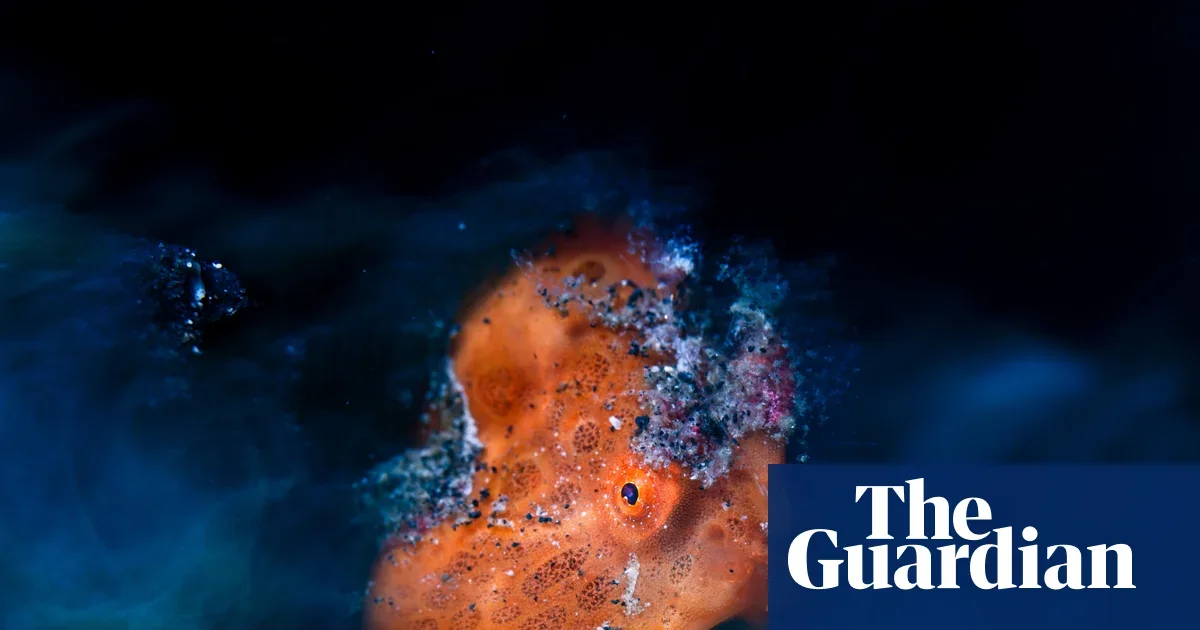
Top Wildlife Photos of 2025
The article highlights the best wildlife photos of 2025, showcasing rare and stunning images of animals worldwide, captured by talented photographers, emphasizing conservation efforts and scientific insights.
All articles tagged with #wildlife photography

The article highlights the best wildlife photos of 2025, showcasing rare and stunning images of animals worldwide, captured by talented photographers, emphasizing conservation efforts and scientific insights.

The Sony A7 V, an affordable full-frame mirrorless camera, performs impressively in wildlife photography, including challenging conditions like snowstorms, thanks to its fast burst rate, subject detection autofocus, and weather sealing, though it faces some competition and has limitations in low-light sensitivity.

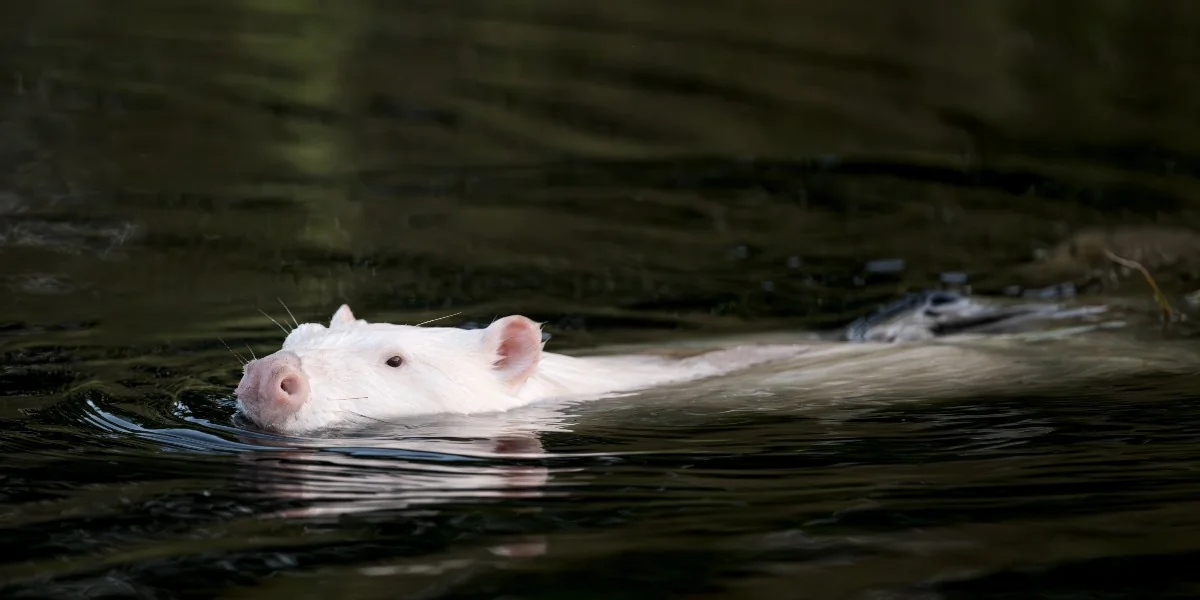
Wildlife photographer Dennis Jackson encountered and documented a rare leucistic white beaver in Ontario, an unusual sight that surprised even experts, inspiring curiosity and appreciation for these common animals.

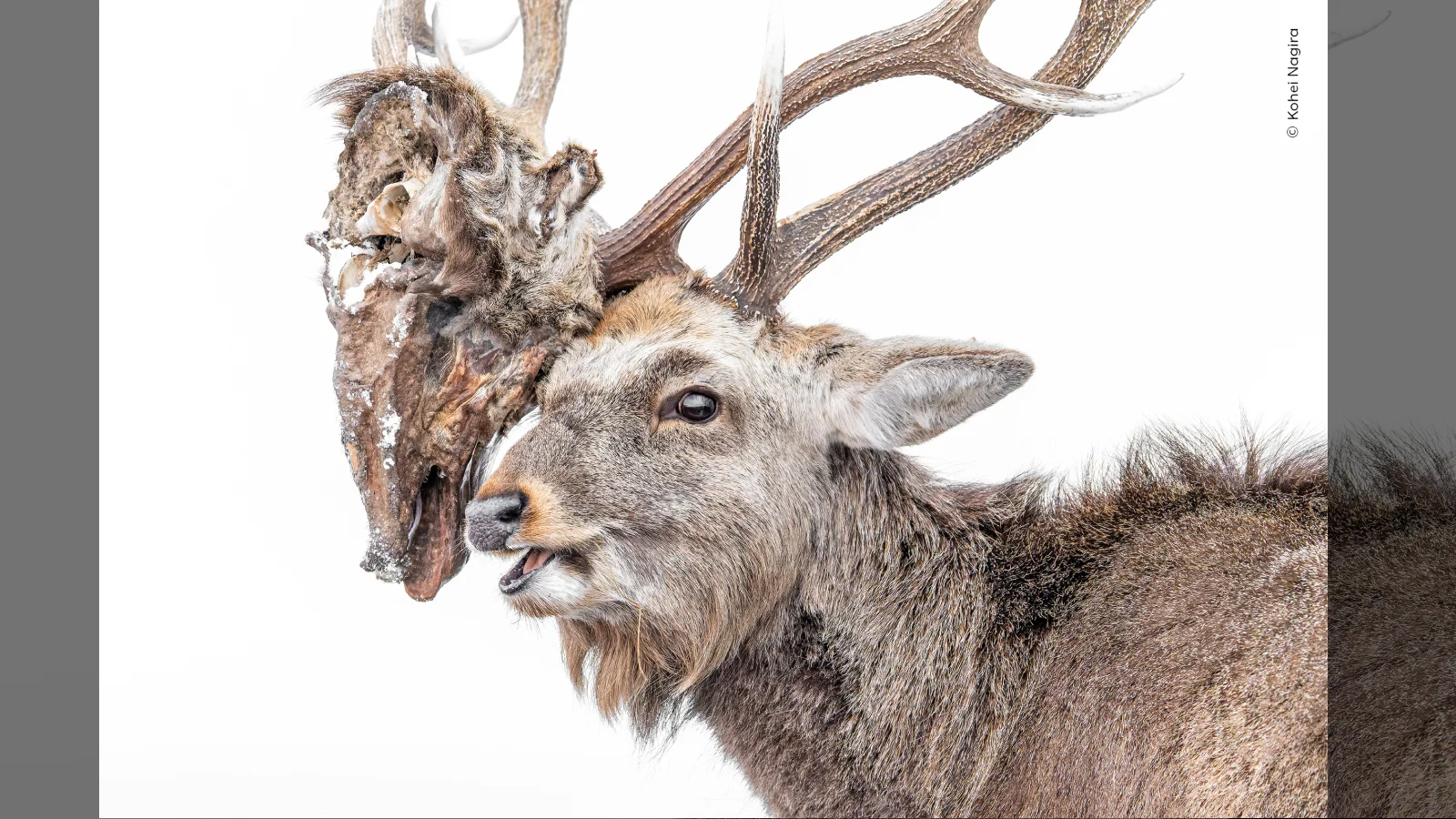
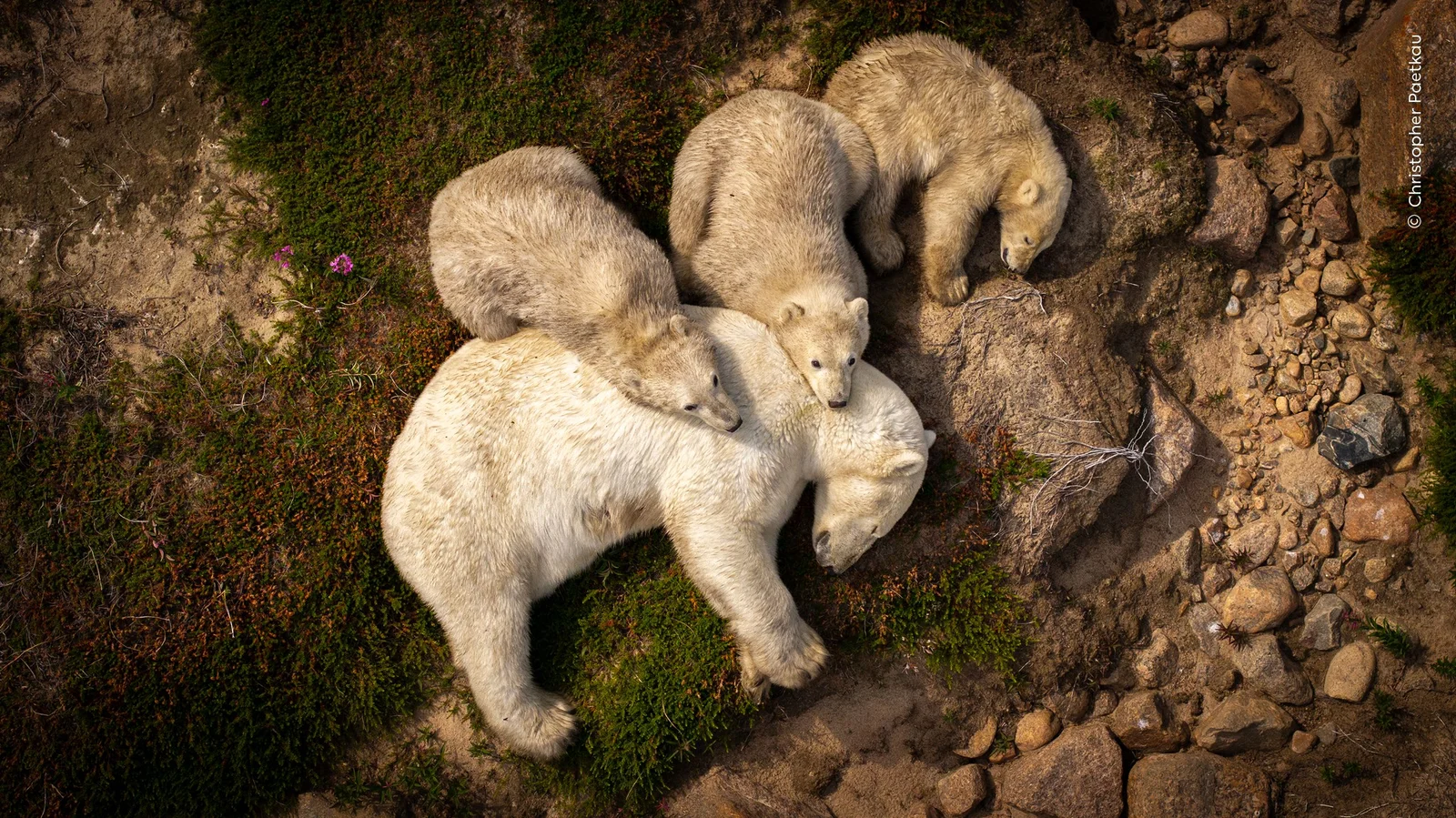
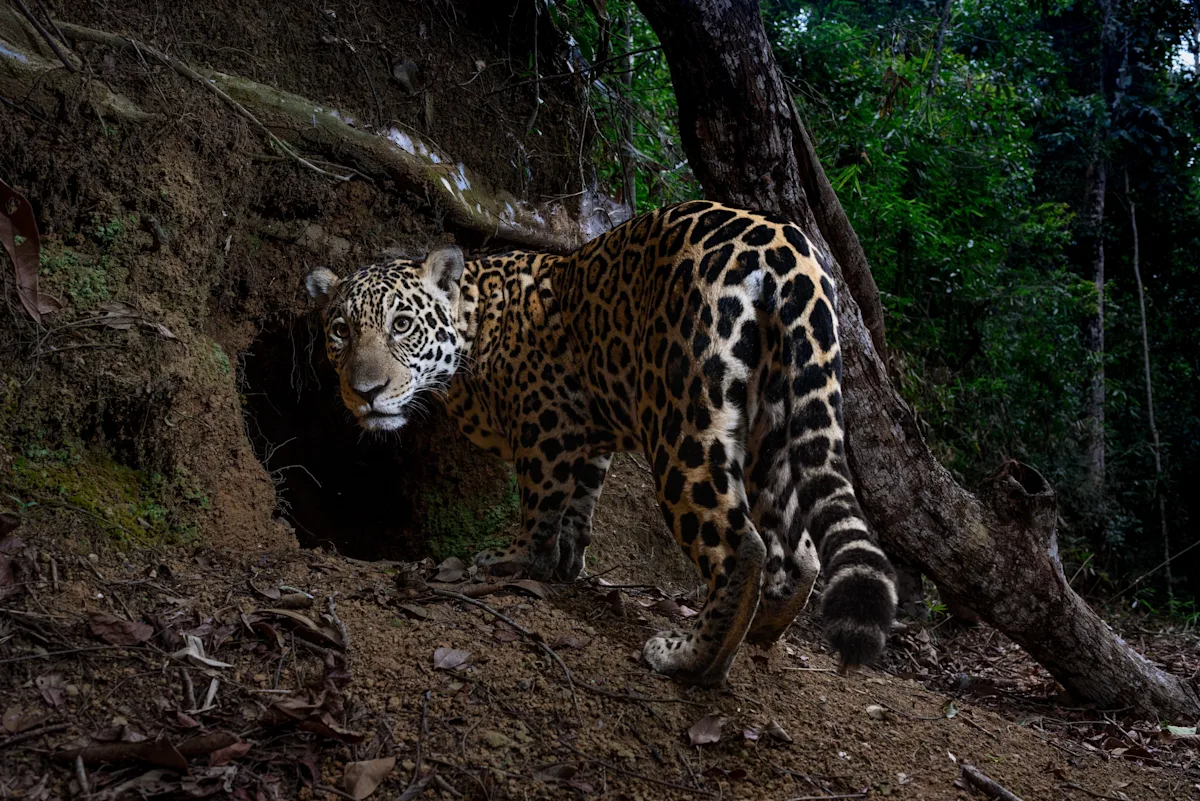
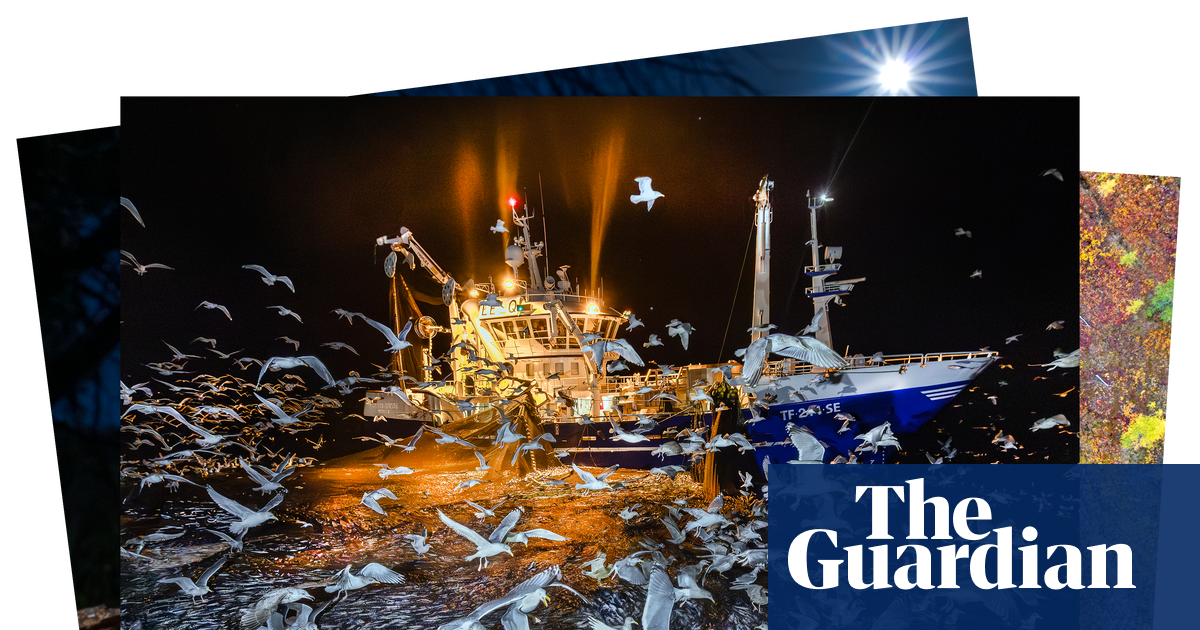
The article showcases winners from the Wildlife Photographer of the Year awards across various categories, highlighting stunning images of animals, plants, and ecosystems, and emphasizing the importance of conservation efforts and scientific breakthroughs to protect wildlife and habitats.

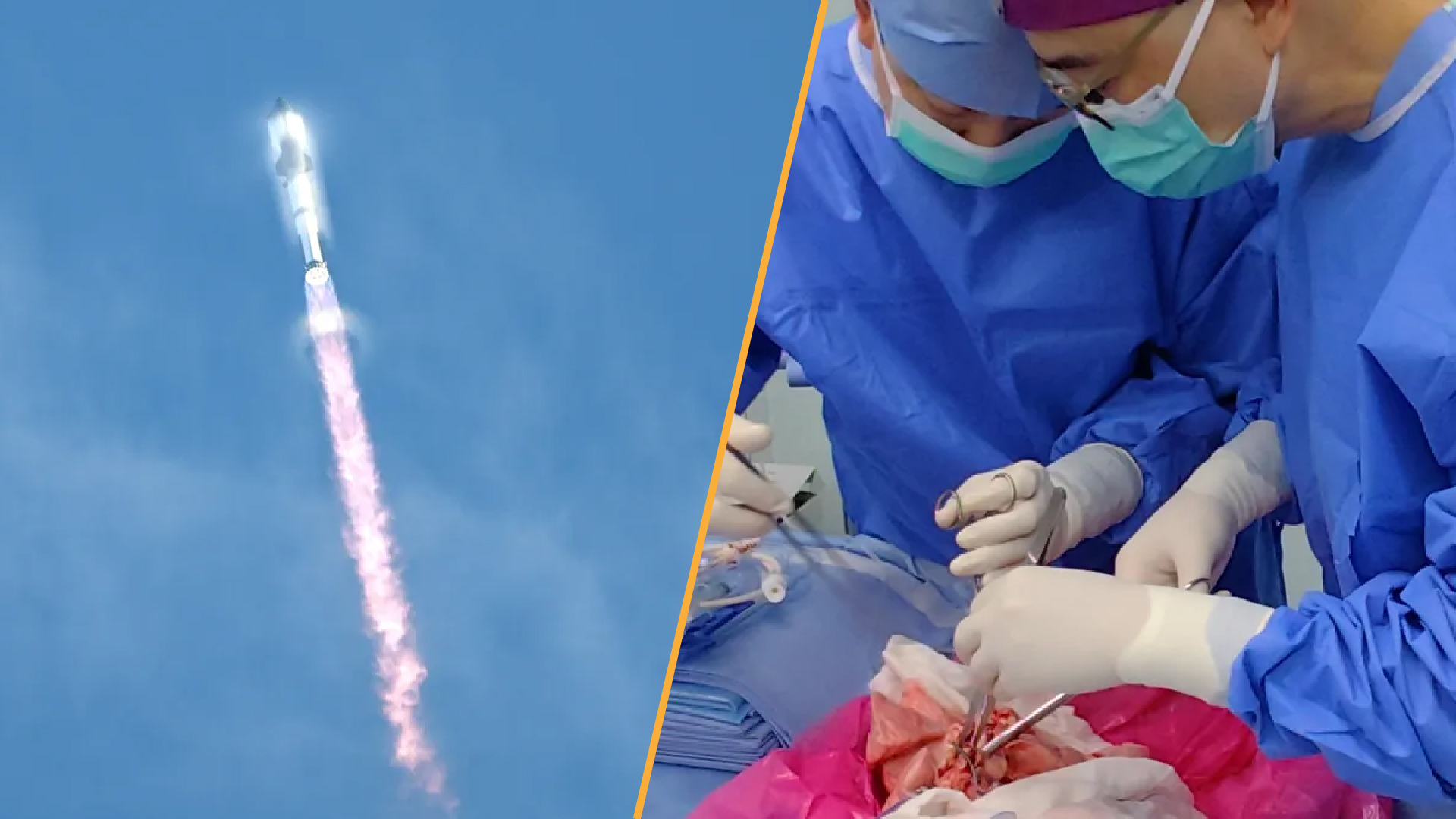
This week in science features a groundbreaking pig-to-human lung transplant experiment in China, SpaceX's successful Starship test flight after multiple failures, advancements in wearable fiber computing technology, developments in biological age measurement, and stunning wildlife photography highlights.

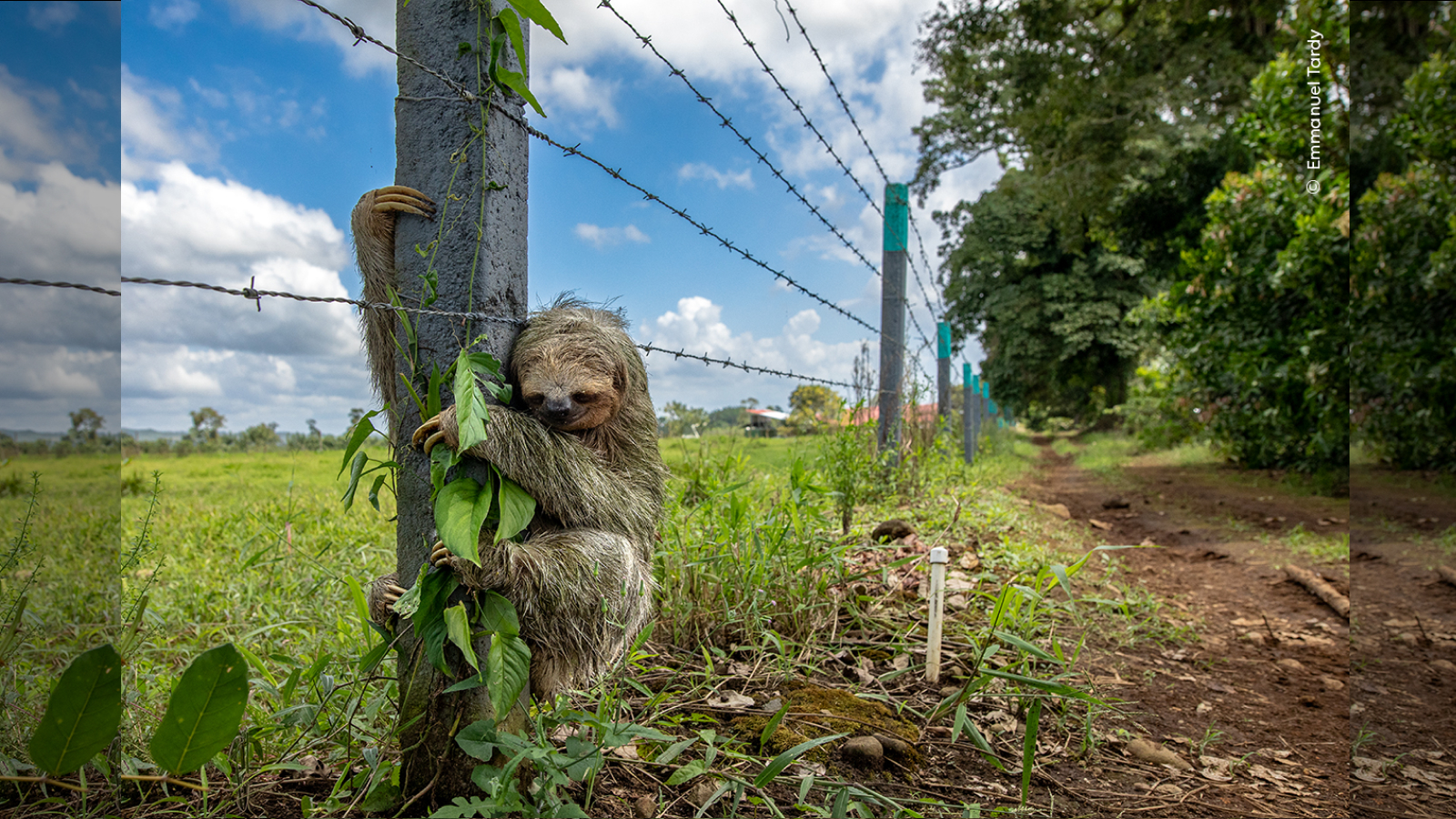
A poignant photo of a sloth clinging to a barbed wire fence in Costa Rica highlights the impact of habitat fragmentation on wildlife, as the species struggles to find trees to cross between due to human development. The image is part of the Wildlife Photographer of the Year 2025 competition, which showcases stunning and thought-provoking images of nature and animals worldwide.

The 2025 Wildlife Photographer of the Year competition, organized by the Natural History Museum in London, has selected striking images from over 60,000 entries worldwide, showcasing stories of wildlife resilience and habitat challenges. The winners will be announced at a ceremony on October 14, with an exhibition opening on October 17, featuring 100 powerful photographs that highlight the beauty and fragility of nature.

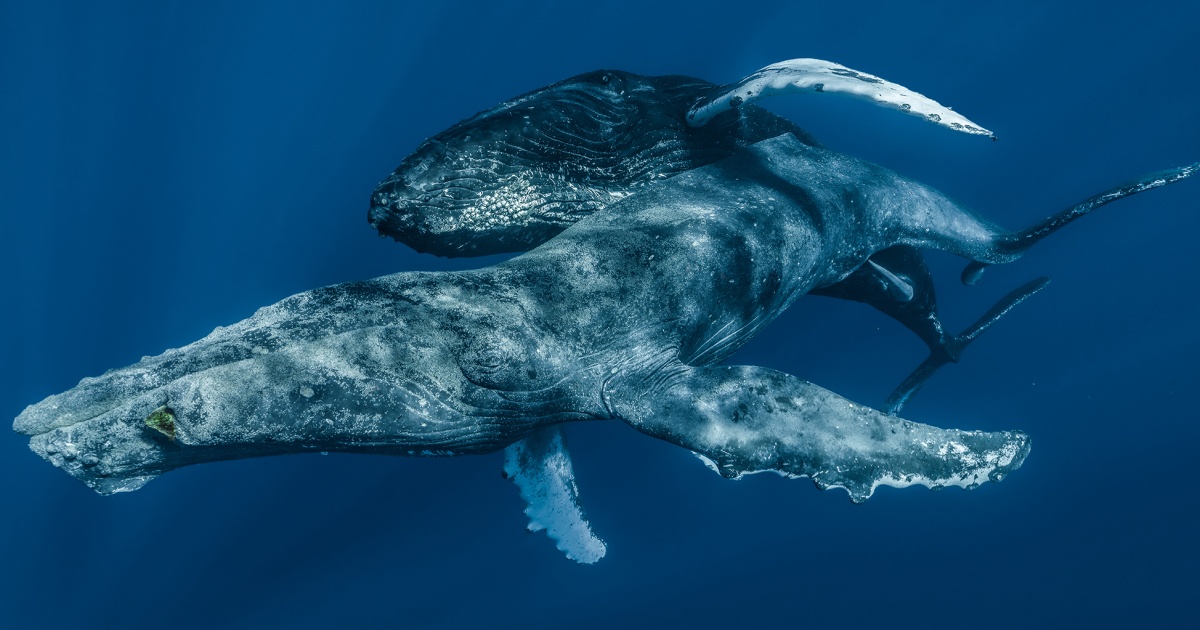
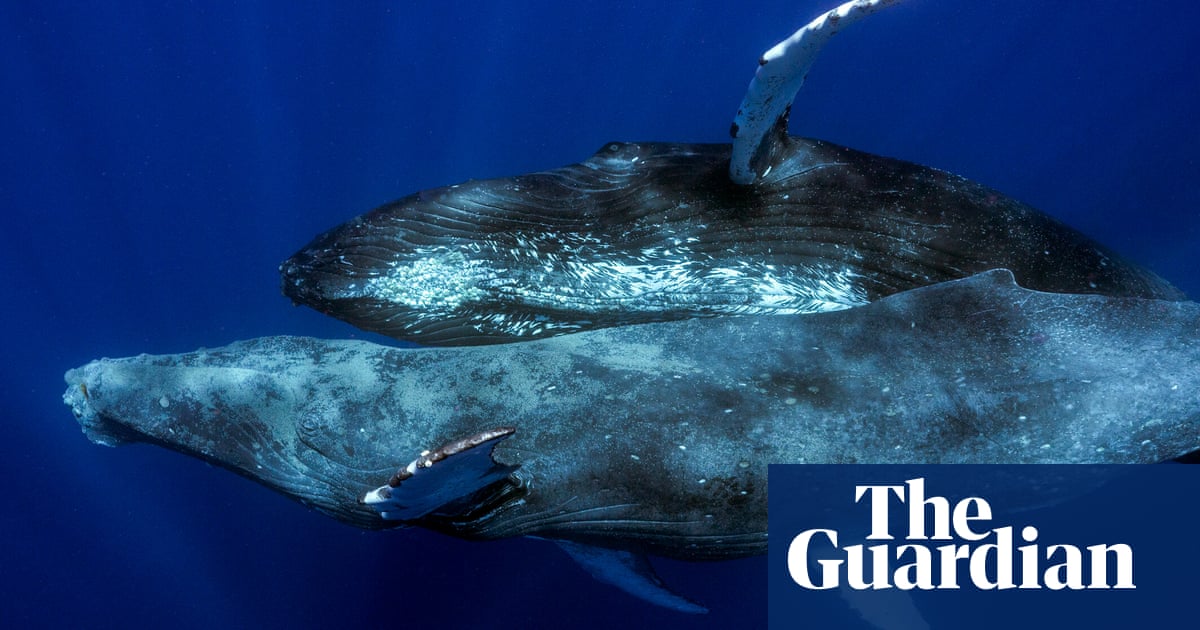
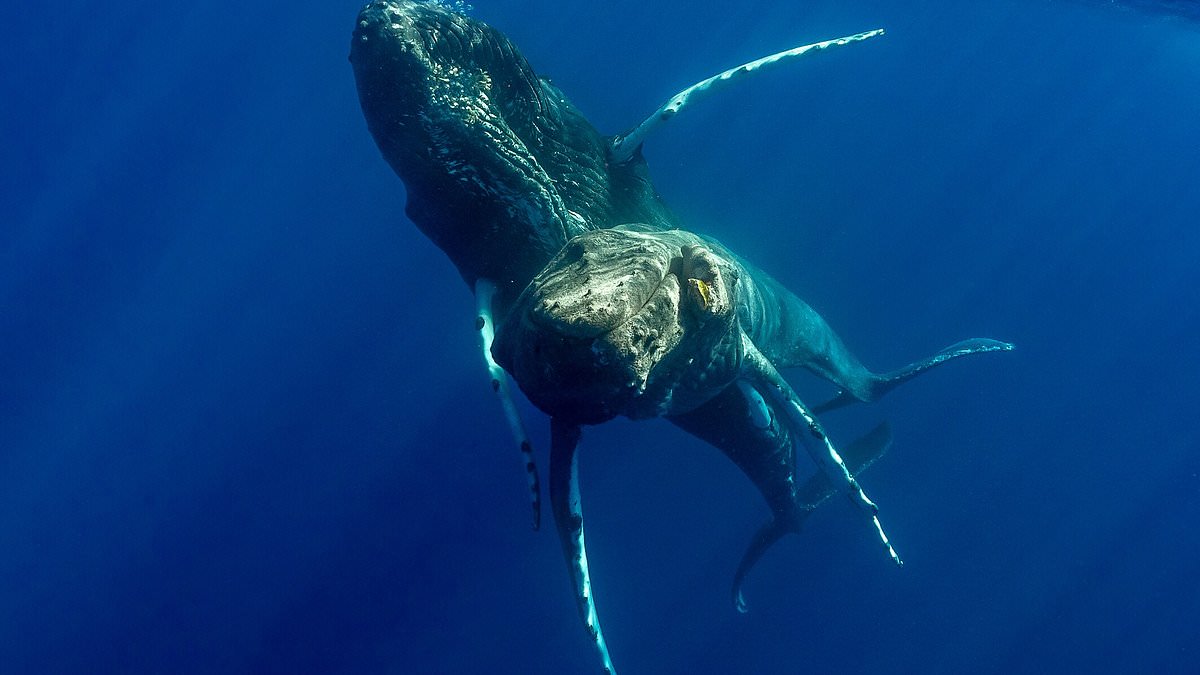
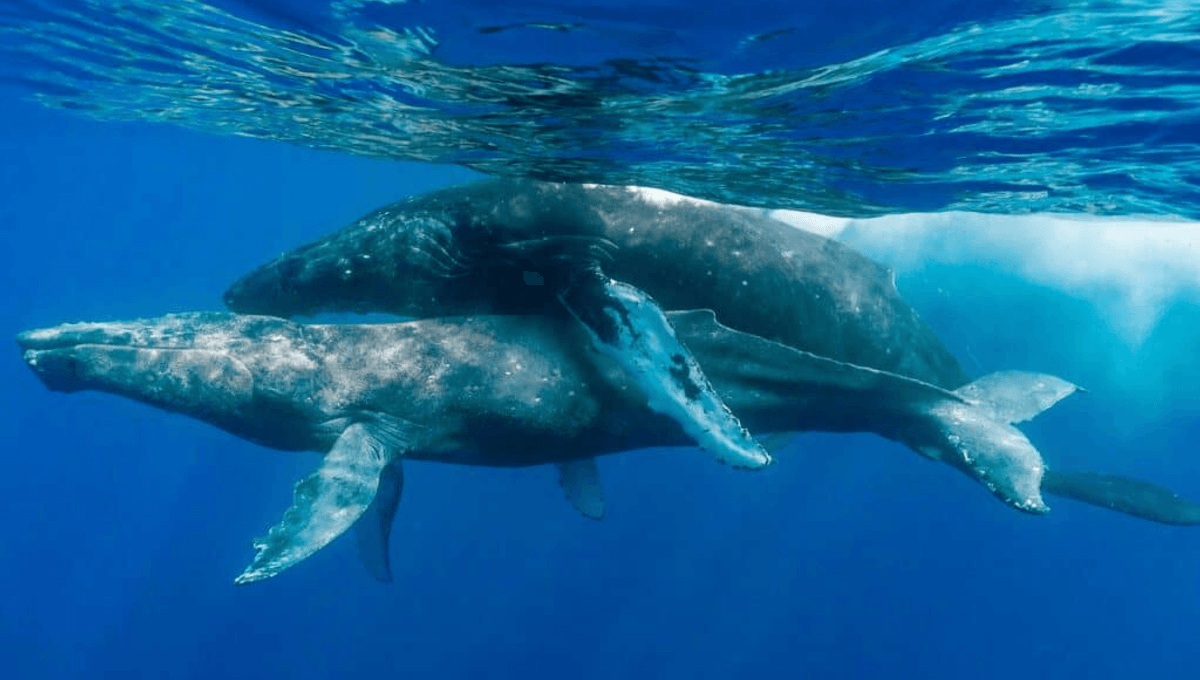
Photographers captured the first documented instance of two male humpback whales engaging in sexual activity, with one whale penetrating the other in waters west of Maui. The encounter, observed for approximately 30 minutes, took place roughly 15 feet below the surface. The authors of the study, including marine biologist Stephanie Stack and the photographers, emphasized the scientific significance of the photographs and the importance of understanding the social behavior of humpback whales. Same-sex behavior is common in the animal kingdom, and while it has been observed in other marine mammals, this is the first documented instance for humpback whales.

For the first time, humpback whales engaging in sexual activity have been photographed, and both whales involved were male. The encounter, captured off the coast of Hawaii, challenges previous notions about humpback whale behavior and represents the first evidence of homosexual behavior in the species. The sighting, confirmed by scientists, occurred in January 2022 and has been detailed in a newly published study. The research suggests that cetaceans like humpback whales may engage in same-sex copulation for various reasons, including reproductive behaviors or social alliances.

Wildlife photographers captured the first-ever photos of male humpback whales engaging in sexual activity off the coast of Maui, Hawaii. The encounter revealed that one of the whales was in poor health, with injuries and signs of emaciation. The behavior, previously undocumented in humpback whales, sheds light on their mating habits and raises questions about the well-being and consent of the animals involved. The images provide valuable insights for marine biologists and conservationists studying these majestic creatures.

Photographers captured the first-ever footage of two male humpback whales engaging in sexual activity off the coast of Maui, Hawaii, challenging preconceived notions about humpback whale behavior. The discovery sheds light on same-sex sexual behavior in animals and raises questions about the frequency of such encounters. Researchers are eager to expand observations of humpback whale copulation to better understand their sexual behavior and social dynamics. However, concerns have been raised about the health and well-being of one of the whales involved, suggesting the possibility of non-consensual interaction.

Researchers are using new technology to virtually unwrap charred Herculaneum scrolls, revealing nearly complete passages from the philosopher Philodemus, while a study suggests Saturn's moon Mimas may have a hidden ocean, potentially changing our understanding of ocean worlds in the solar system. Additionally, Australian scientists are using spiderwebs to track endangered species, a serene image of a polar bear wins the Wildlife Photographer of the Year People’s Choice Award, and the treacherous Drake Passage remains a challenge for ship captains ferrying tourists.

A photo of a polar bear sleeping on an iceberg has won the Natural History Museum's Wildlife Photographer of the Year award, highlighting the impact of climate change on polar bear habitats. The bear is one of an estimated 3,000 living in the Barents Sea, facing crisis as melting ice forces them to swim longer distances and seek food on shore. Researchers have linked greenhouse gas emissions to the survival of polar bear cubs and are calling for stronger protections under the Endangered Species Act. Despite the challenges, experts believe that curbing fossil fuel emissions could still help conserve polar bear populations.

An image of a napping polar bear on an iceberg has won the Wildlife Photographer of the Year People's Choice Award, drawing attention to the impact of climate change on polar habitats. The photo, taken by amateur photographer Nima Sarikhani, aims to inspire hope while highlighting the vulnerability of polar wildlife due to the climate crisis. With only around 22,000 polar bears left in the wild, the image serves as a poignant reminder of the urgent need for conservation efforts to protect these animals and their shrinking habitats.

Nima Sarikhani wins the Wildlife Photographer of the Year award for her captivating image of a polar bear sleeping on sea ice in Norway's Svalbard archipelago, highlighting the beauty and fragility of the planet. The image serves as a poignant reminder of the detrimental impacts of climate warming and habitat loss on polar bear populations, as the Arctic region faces decreasing sea ice due to rising temperatures. Sarikhani's photograph aims to inspire hope and raise awareness about the urgent need for wildlife conservation amidst the challenges posed by climate change.