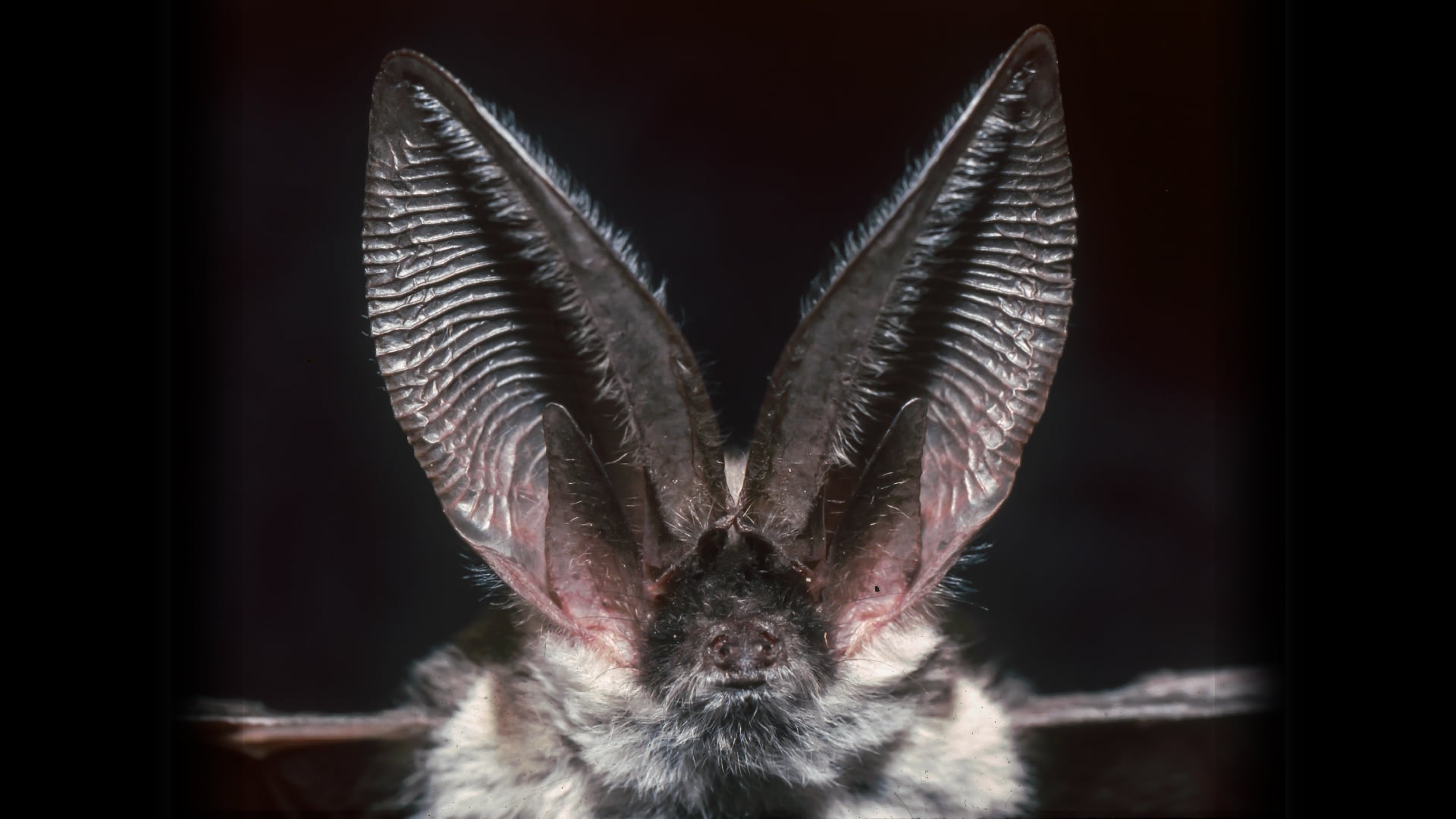
The article explores animals with exceptional hearing capabilities, highlighting bats and wax moths for high-frequency detection, barn owls for precise prey localization, dolphins and bats for echolocation, and pinnipeds for hearing both above and below water, emphasizing the diversity and specialization of animal auditory systems.
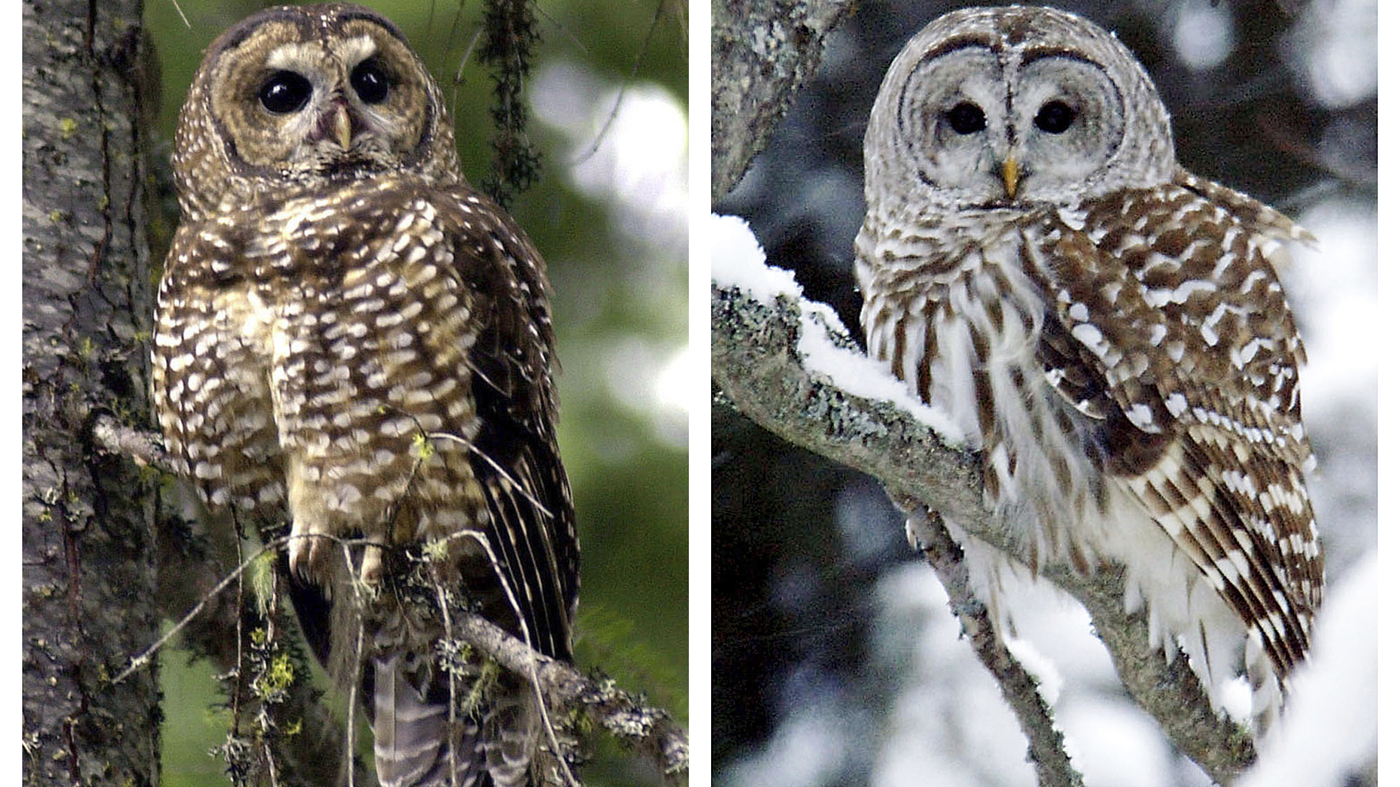
The U.S. Fish and Wildlife Service's proposal to cull roughly half a million barred owls to protect the northern spotted owl has sparked controversy, with conservationists and animal welfare advocates debating the moral implications of killing one species to save another. While some argue that the plan is necessary to prevent the extinction of the threatened northern spotted owl, others believe it is unsustainable and prefer non-lethal management actions. The proposal aims to address the encroachment of barred owls, originally from the Eastern U.S., on spotted owl territory, a problem exacerbated by human-driven habitat destruction. The final decision on the proposal is expected in the spring or summer.
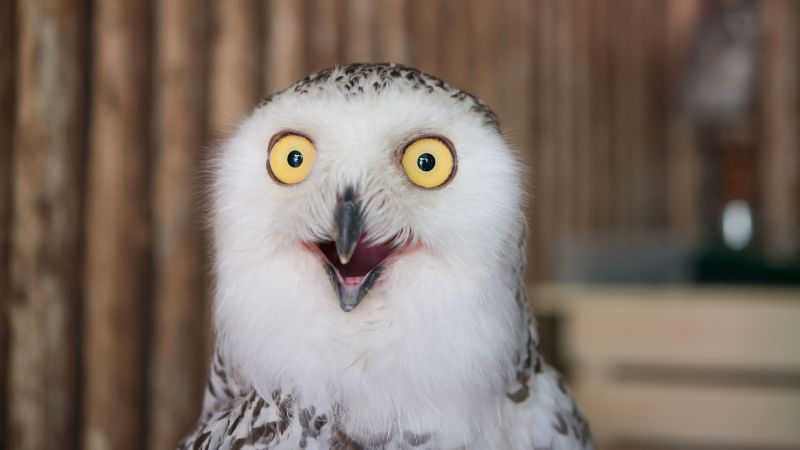
A small typo has led to an internet phenomenon of flooding the web with owl photos ahead of the Super Bowl, bringing attention to these fascinating creatures and aiding conservation awareness. Owls are skilled predators with keen senses and unique characteristics, and communities across the US are hosting educational events about them. There are over 250 owl species, each with its own distinct features and behaviors, and those interested in supporting conservation efforts for these superb owls can find vetted organizations to donate to through CNN's Impact Your World.
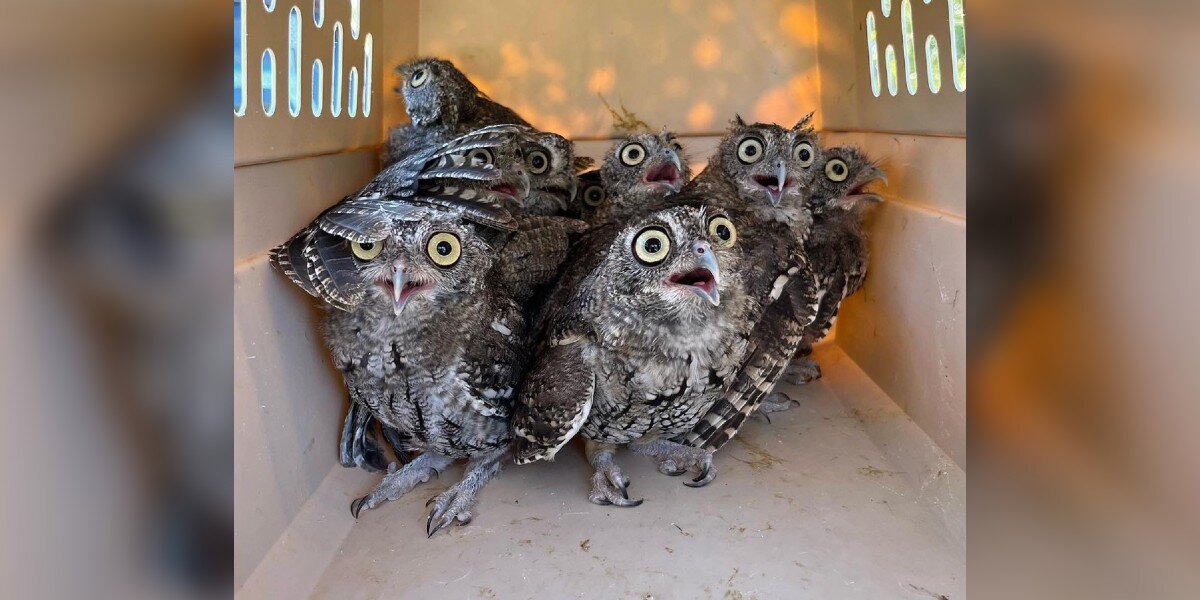
A family of baby screech owls, who were rescued and rehabilitated by Austin Wildlife Rescue, were released onto a wooded property in Elgin, Texas. Upon seeing their new surroundings, the owls were in awe and shock. They quickly flew into the trees, demonstrating their readiness to be on their own. For the animal care manager, witnessing rescue animals return to their natural habitat is the most rewarding part of her job.