Vitamin B12 plays a crucial role in red blood cell formation and neurological function, and its deficiency can lead to anemia and neurological issues. Certain groups, such as older adults, vegetarians, and vegans, are at a higher risk of deficiency. Symptoms may include fatigue, weakness, and poor memory, and treatment usually involves B12 supplementation orally or by injection.
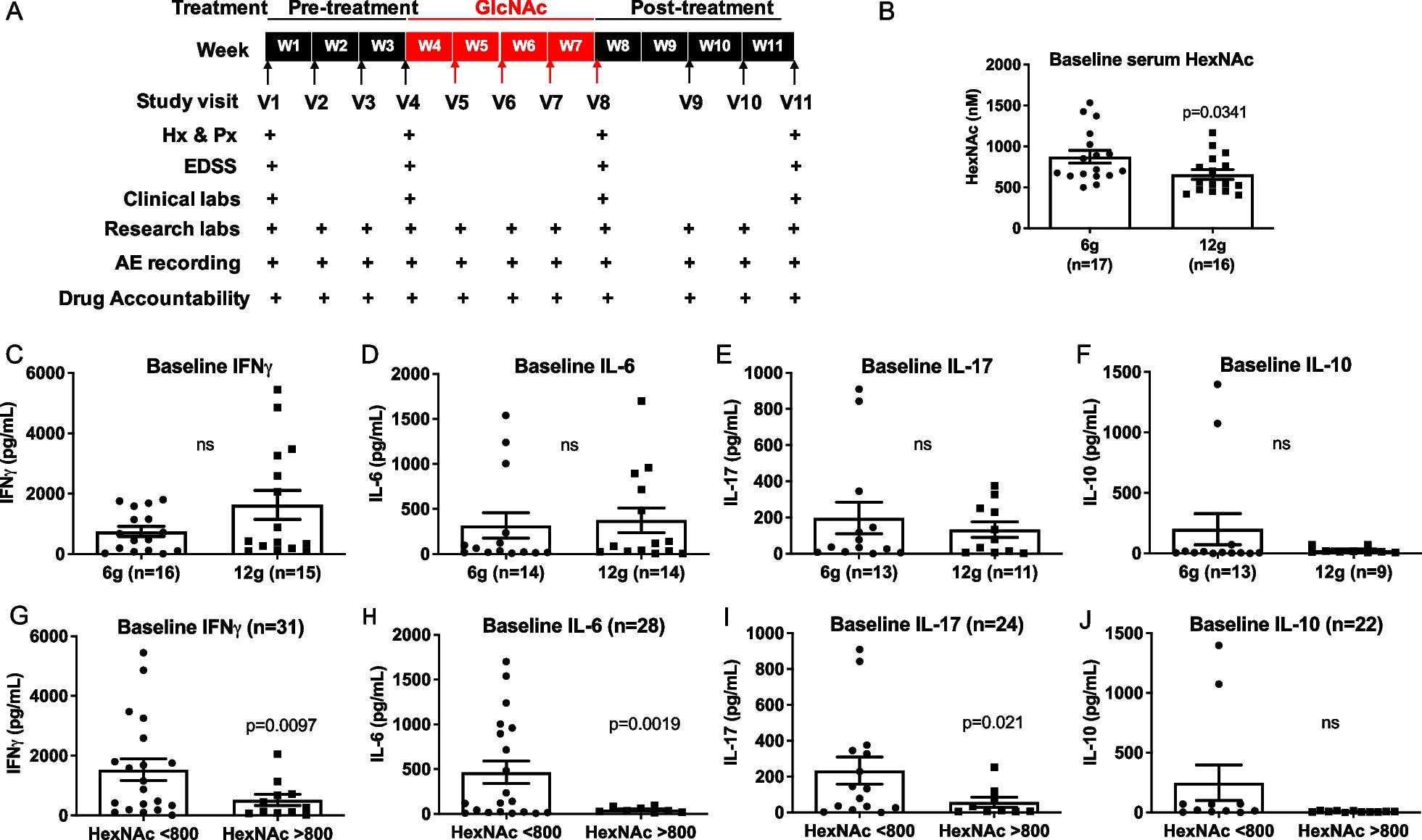
A clinical trial conducted by researchers at the University of California, Irvine (UCI) suggests that N-acetylglucosamine, a simple sugar, may restore neurological function in multiple sclerosis (MS) patients. The trial found that N-acetylglucosamine reduced inflammation and neurodegeneration markers in MS patients, and improved neurological function in 30% of the participants. The study highlights the potential of N-acetylglucosamine as a treatment for chronic-active neuroinflammation and myelin repair in MS, but further blinded studies are needed to validate its effectiveness.
A paralysed man has regained the ability to walk smoothly using only his thoughts, thanks to a new device that connects his brain and his spinal cord, bypassing an injury he suffered 12 years ago. When he thinks about walking, electrodes on his brain relay the message to electrodes on his spinal cord, stimulating the spine. After about 40 rehabilitation sessions using the brain-spine interface, the man regained the ability to voluntarily move his legs and feet, and even walk short distances without the device if he uses crutches.
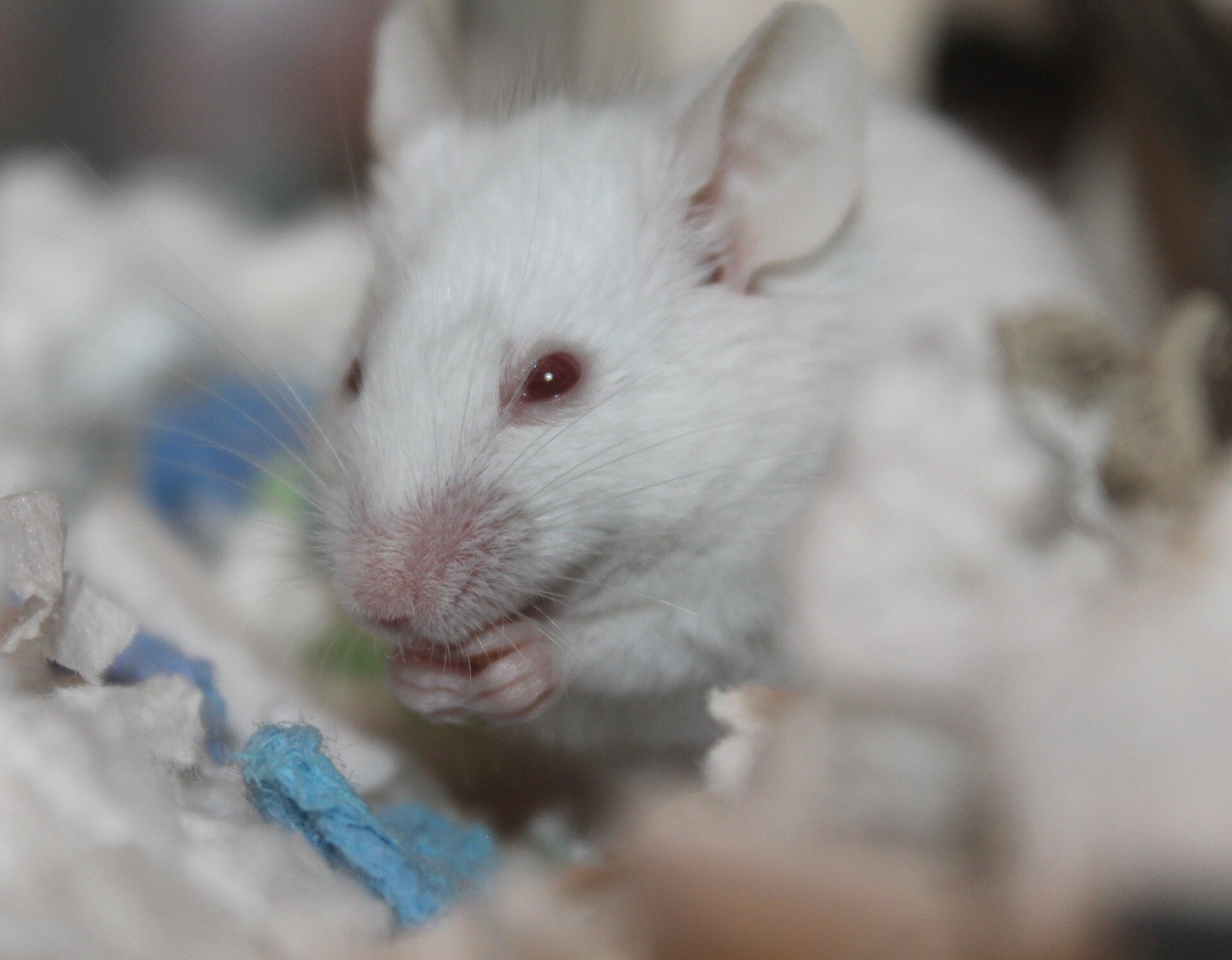
Reduced oxygen intake or "oxygen restriction" has been associated with longer lifespan in lab mice, according to a study by researchers at Massachusetts General Hospital. The mice in the oxygen-restricted environment lived about 50% longer than the mice in normal oxygen levels, with a median lifespan of 23.6 weeks compared to 15.7 weeks. The oxygen-restricted mice also had delayed onset of aging-associated neurological deficits. The findings support the anti-aging potential of oxygen restriction in mammals, including humans, but further research is needed to clarify its potential benefits and mechanisms.
A case of chronic wasting disease (CWD) was confirmed at a deer-breeding facility in Washington County, Texas. The Texas Parks & Wildlife Department and Texas Animal Health Commission officials have taken action to secure all deer at the facility and prevent the disease from spreading further. CWD is a degenerative disease that can severely inhibit a deer’s neurological function and is ultimately fatal. There is no evidence that the disease can infect humans, but precautions should be taken when consuming deer meat. Public meetings will be held to remind hunters of the situation and the precautions they need to take.