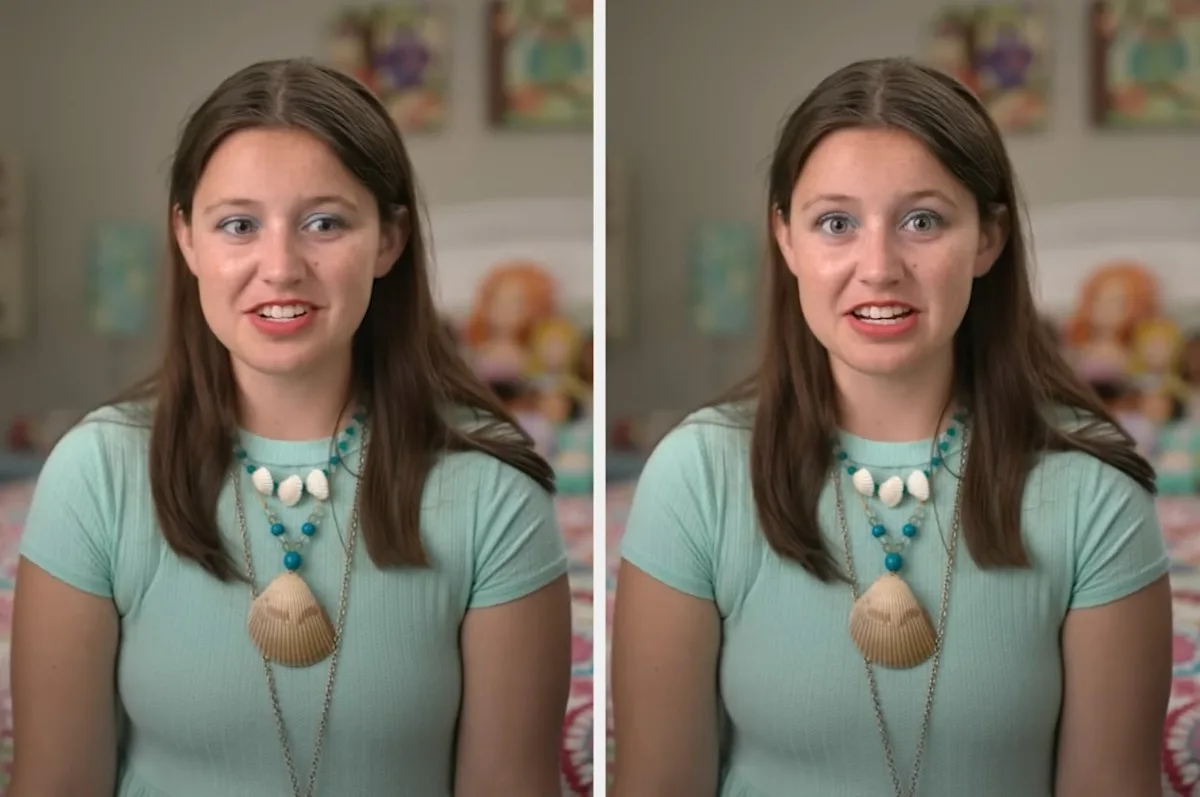
Many adults, especially women, may have undiagnosed autism due to societal adjustments, diagnostic biases, and focus on external signs. Key indicators include feeling 'different,' difficulty with social cues, complex relationship histories, sensory sensitivities, a need for routine, intense interests, dislike of small talk, and a preference for direct communication. Recognizing these signs can lead to validation and better understanding, with resources available for assessment and support.

The Sunday Butterfly Organizing Method is a flexible, focus-friendly approach to tidying that involves moving through your home and addressing tasks as they catch your attention, making it ideal for neurodivergent individuals or those with focus challenges. It emphasizes setting boundaries like timers and zones, and can be enhanced with music or audiobooks to boost motivation and reduce stress. The method promotes a flow state, making home organization more manageable and less overwhelming.
Chloé Zhao discusses her experience as a neurodivergent filmmaker, highlighting her heightened sensitivity to dissonance as a 'superpower' that influences her creative process, and shares insights about her films including 'Hamnet' and 'Eternals'.
The article argues that the concept of a single autism spectrum is misleading because autism encompasses a wide range of traits and needs that vary greatly among individuals. It suggests moving away from the spectrum model and related labels like 'profound autism' or 'Asperger’s' to better recognize the diversity of autistic experiences and avoid harmful societal hierarchies or judgments.
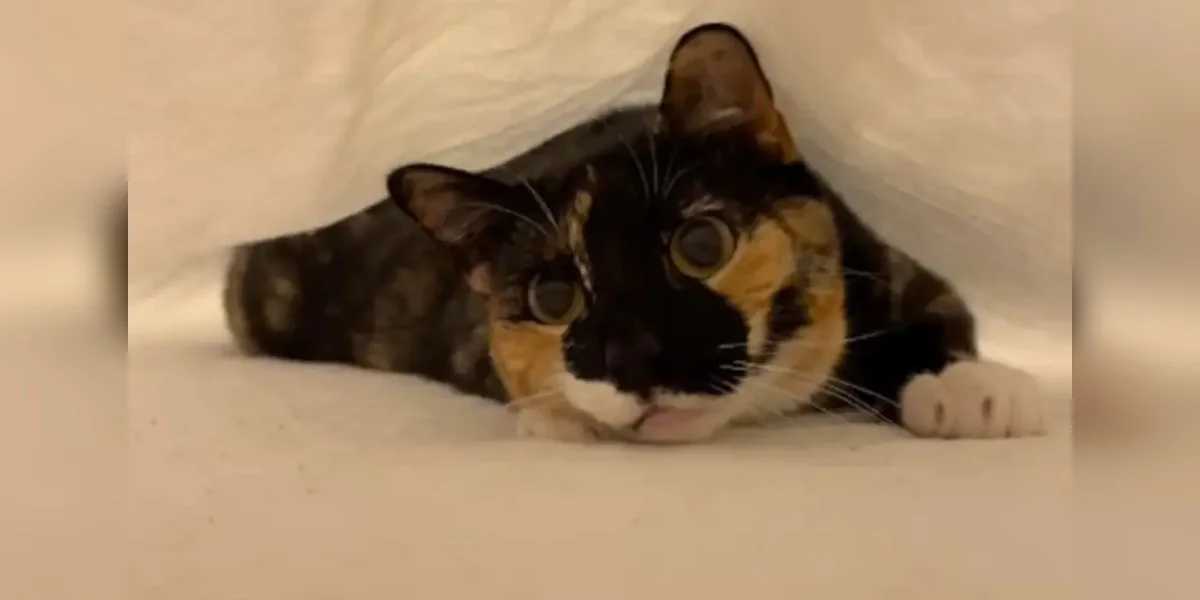
A kitten named Puddles, initially thought to be deaf by veterinarians due to her reactions, was later found to have a traumatic brain injury that caused her unique quirks. Despite her challenges, she is a loving and entertaining pet, and her story has resonated with many neurodivergent individuals. Her owner, Wren Yoder, shares her journey on Instagram, highlighting the love and resilience of Puddles.
AI tools like ChatGPT are helping neurodivergent individuals communicate more effectively and confidently, serving as empathetic and non-judgmental allies in social and professional interactions. While these tools offer significant benefits, experts warn about potential overreliance and the risks of reduced critical thinking and social engagement. Overall, AI is becoming a valuable resource for many in the neurodivergent community, though caution is advised.
The article explains that the perceived increase in autism diagnoses is due to better recognition and understanding of diverse presentations, especially in populations previously overlooked, rather than an epidemic. It emphasizes that diagnosis provides crucial support and understanding, and celebrates progress in visibility and acceptance of neurodivergent individuals.
A 'dopamine menu' is a list of positive activities designed to boost mood and motivation, particularly useful during the fall and winter months when seasonal depression is more common. This concept, popularized on social media, involves engaging in activities that provide a dopamine boost, such as physical exercise, social interactions, or creative hobbies. It is especially beneficial for neurodivergent individuals who may have lower dopamine levels. The menu can be customized with activities ranging from simple self-care to more involved tasks, helping individuals manage seasonal mood changes effectively.
"How to Dance in Ohio," a Broadway musical adaptation of the HBO documentary, follows neurodivergent young adults with autism as they navigate social anxiety and find romance. While the show's intentions are commendable, it struggles to find a clear focus and balance between drama and self-empowerment. The musical features a diverse cast of characters, including two queer people of color, but the storytelling feels scattered and contrived. The actors, who are autistic themselves, deliver charming performances, but the show's pop score and staging lack memorability. Overall, "How to Dance in Ohio" has its heart in the right place but falls short of its potential.
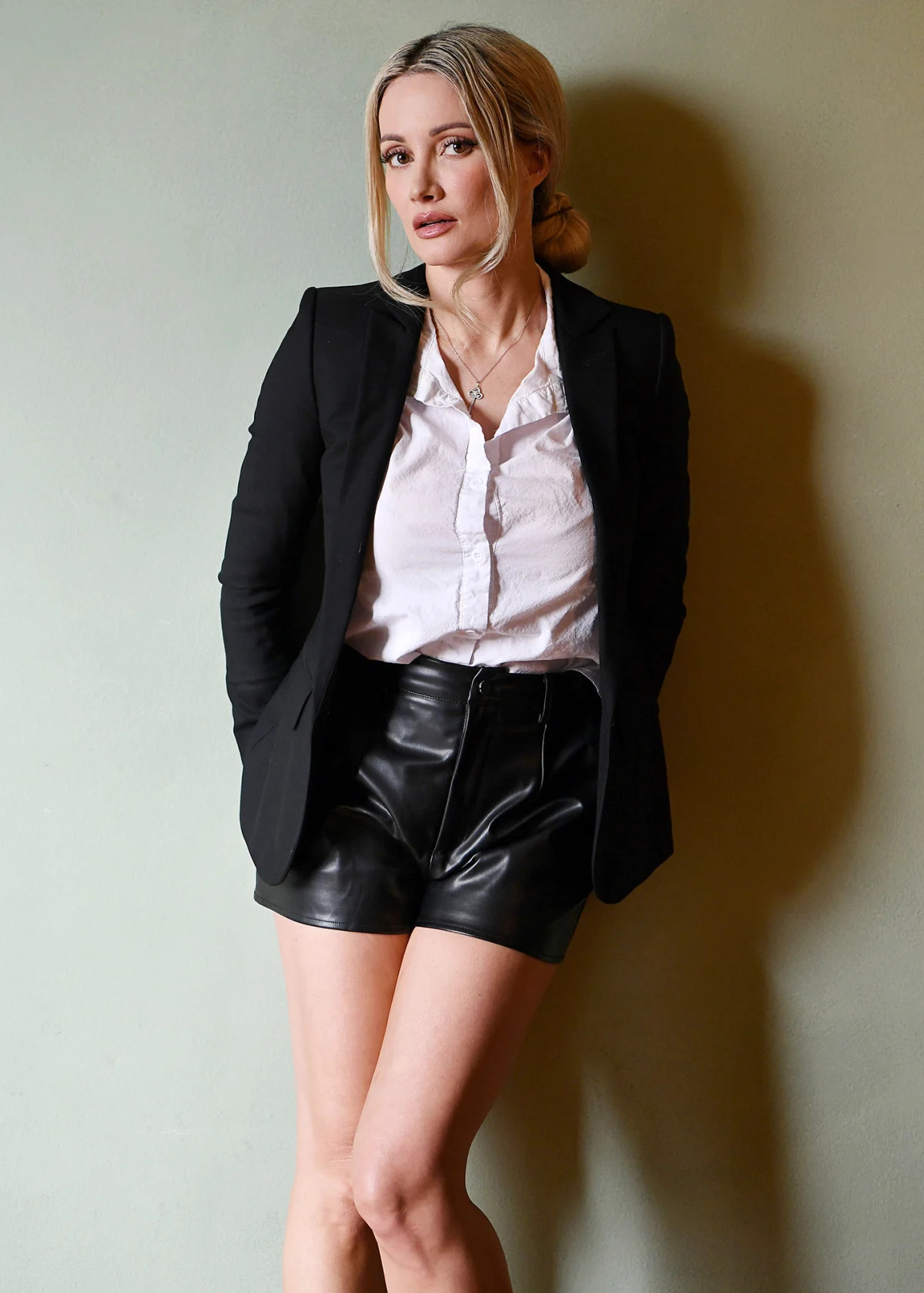
Former Playboy model Holly Madison revealed on a podcast that she has been diagnosed with high executive functioning autism. Madison had suspected it for a while due to her difficulty with recognizing social cues and frequently zoning out as a child. She explained that she often made excuses for her behavior, attributing it to being introverted or adjusting to social changes. Madison's diagnosis has helped her understand her social differences and work on improving her interactions with others. She emphasized the importance of patience and understanding when interacting with neurodivergent individuals.
The author, who was diagnosed with Autism and ADHD, shares their experience of discovering the six neurodivergent/autistic love languages, which differ from Gary Chapman's Love Languages. These love languages include parallel play, unusual gifts, unmasking, info dumping, support swapping, and deep pressure hugs. The author explains how understanding and embracing these love languages has made a significant difference in their relationships, allowing them to feel loved and understood in a way that aligns with their neurodivergent needs.
Kelly Baums, an ADHD coach, shares her experience of being diagnosed with Attention-Deficit/Hyperactivity Disorder (ADHD) at the age of 30. She discusses the symptoms she experienced throughout her life, such as feeling different, struggling with friendships, and difficulty concentrating. Kelly now helps other adults navigate life with ADHD and dispel misunderstandings about the condition. She emphasizes the importance of seeking a diagnosis from a doctor to access resources and support.
Parents of children with ADHD share what they wish they had known sooner about parenting a child with ADHD. They highlight that ADHD doesn't always look obvious and can manifest in emotional dysregulation and impulsivity. Medication is seen as a valuable tool that helps children grow and connect with others. It is important to reframe expectations and make use of accommodations in school. Parents also express guilt for not understanding their child's behavior earlier and emphasize the importance of getting a clear diagnosis, which can provide support and understanding for both the child and the family.
Catastrophic thinking can be challenging to manage, especially for individuals with a history of trauma or neurodivergent conditions like ADHD or OCD. Trauma-informed approaches, such as cognitive processing therapy or eye movement desensitization and reprocessing therapy, can help individuals process traumatic experiences. Neurodivergent conditions can exacerbate catastrophic thinking, making proper diagnosis and treatment crucial. Cognitive behavioral therapy may not be effective for everyone, and alternative approaches like mindfulness-based training or acceptance and commitment therapy can be beneficial in accepting and living with catastrophic thoughts. Seeking professional help is essential in managing catastrophic thinking effectively.
Dr. Megan Neff, a psychologist, was diagnosed with autism and ADHD at the age of 37, just as she was finishing her psychology PhD. The diagnosis came after her daughter was diagnosed with the same conditions, prompting her to recognize the symptoms in herself. The diagnosis helped her understand her strengths and be kinder to herself. It also led to a shift in her career focus, as she now works with neurodivergent patients and educates others about autism and ADHD through her Instagram account. Neff emphasizes the importance of accurate diagnosis in letting go of shame and embracing one's true self.