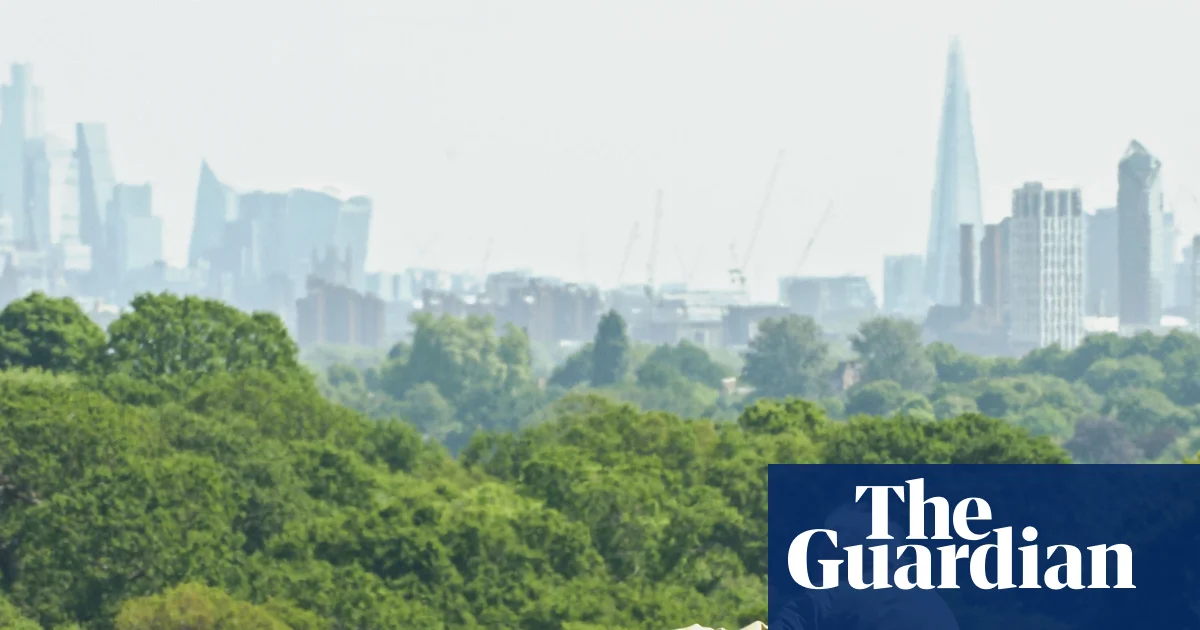
Sir David Attenborough, at 99 years old, explores London's hidden wildlife in a personal BBC documentary, highlighting the importance of urban green spaces and rewilding efforts, with scenes of foxes, beavers, and other city creatures, emphasizing nature's role in urban happiness.
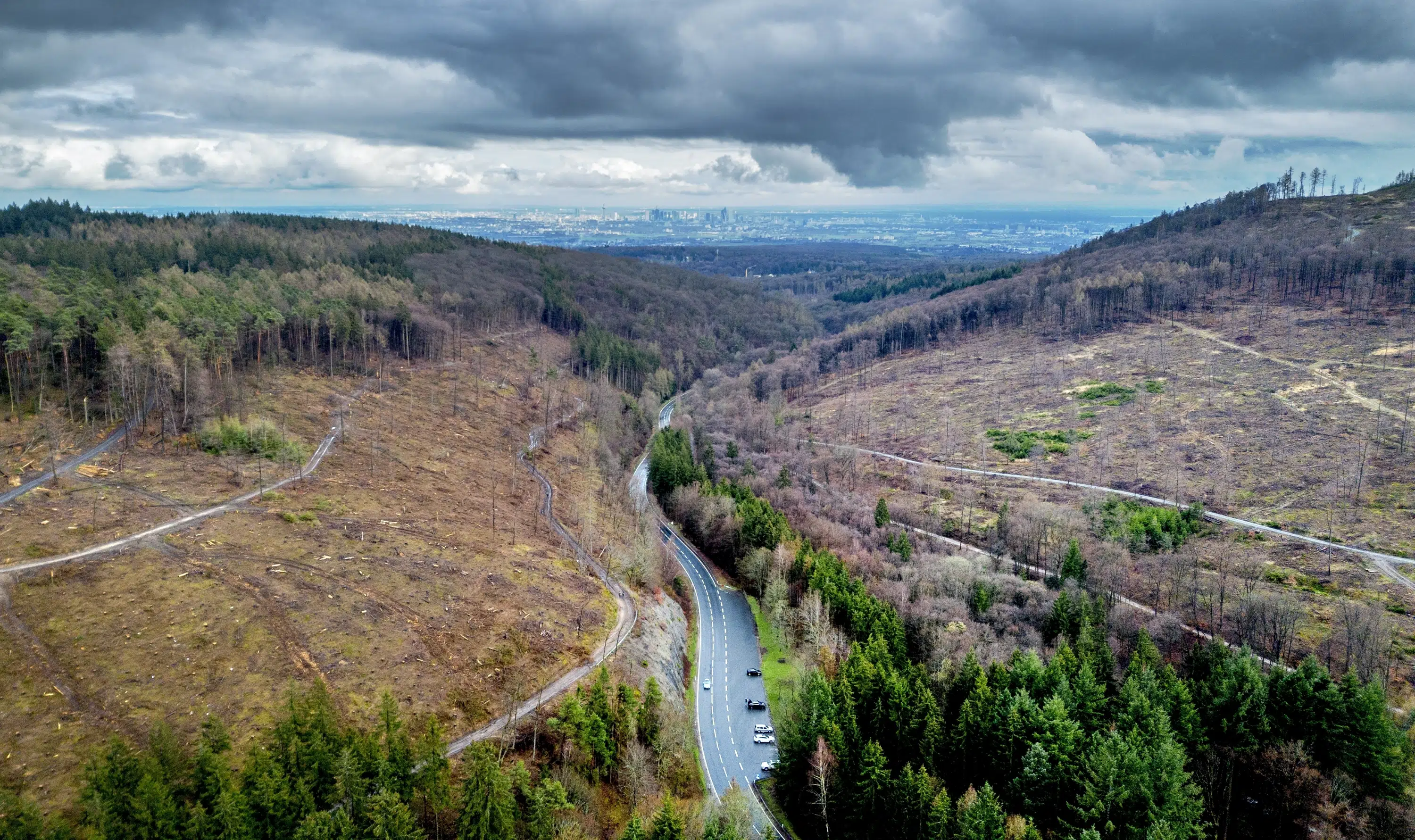
Negotiators from the European Parliament and EU member states have reached an agreement on a landmark biodiversity bill that aims to restore 20% of EU land and sea habitats by 2030 and all damaged ecosystems by 2050. The law, which still needs formal approval, addresses the poor condition of 80% of the EU's habitats, the potential extinction of 10% of bee and butterfly species, and the unhealthy state of 70% of soils. The bill faced opposition from the conservative European People's Party, resulting in some requirements being watered down. Increased funding for nature-boosting measures was also agreed upon.
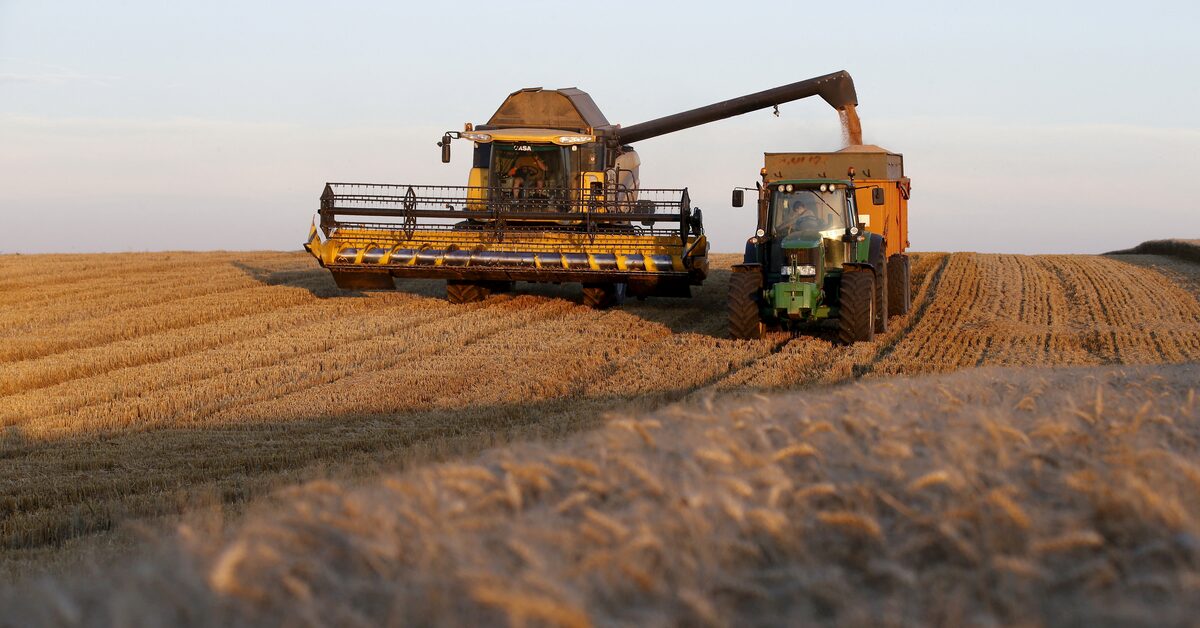
Over 3,000 scientists have signed an open letter defending the EU's flagship bill to restore nature, which aims to restore damaged environments on 20% of Europe's land and sea by 2030. The letter responds to claims made by the centre-right European People's Party (EPP) that the bill will hurt farmers and endanger food security. The scientists argue that the EPP's claims lack scientific evidence and contradict it. The biggest threats to food security are climate change and the degradation of nature, and action to restore nature and curb agricultural chemical use is needed to maintain sustainable food production. The nature bill is heading for two tight votes in the EU Parliament, the first on Thursday.
The European Union is facing pressure from within to pause new environmental efforts amid fears they will hurt the economy. Some leaders and lawmakers are concerned about antagonizing workers and voters with new binding legislation and restrictive measures and are urging the 27-nation bloc to hit the brakes. Cracks in the European united front against climate change have emerged in recent months, with France and Belgium calling for a pause on EU environmental regulation. The opposition to the nature restoration law has caused great concern among environmental NGOs, and Frans Timmermans, the EU Commission’s top climate official in charge of its Green Deal, warned he would not put forward an alternative proposal because there isn’t time.
The European Commission is facing increased political resistance to new EU laws to protect the environment, including two landmark nature bills - binding targets for countries to restore damaged natural habitats and a goal to halve chemical pesticide use by 2030. The European Parliament's biggest group, the European People's Party, has called for the nature law to be scrapped saying it would hurt farmers. French President Emmanuel Macron this month suggested a pause on new European environment regulation, to give industries time to absorb recently-agreed laws.