Tag

Nanoscale

All articles tagged with #nanoscale

science-and-technology1 year ago

"Breakthrough: Measuring Near-Field Subwavelength Thermal Radiation"

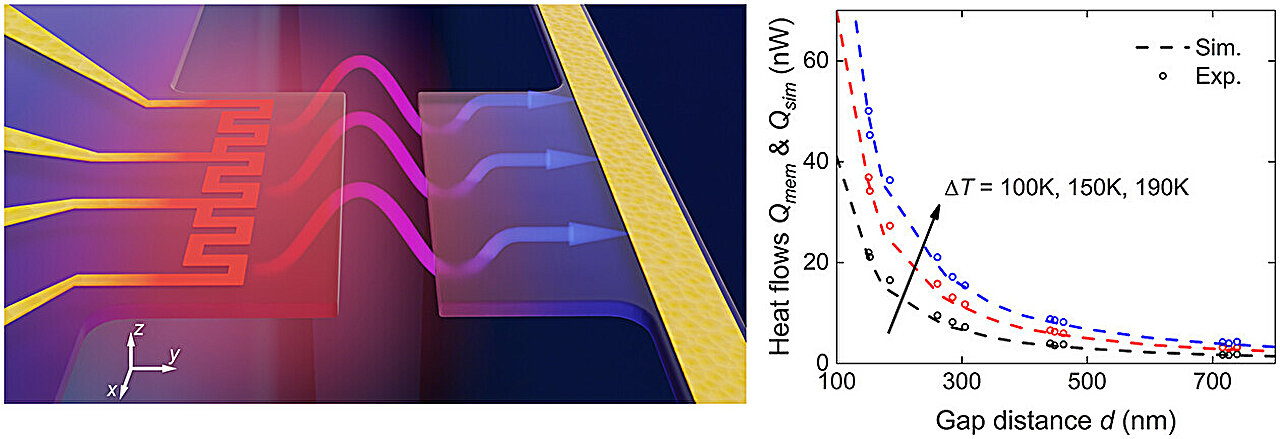
Researchers have successfully conducted the first near-field thermal radiation measurement between subwavelength nanodevices, breaking Planck's Law at the nanoscale. By fabricating an advanced instrument, they observed a 20-fold enhancement in heat transfer between two subwavelength surfaces with a separation gap of 150 nm, providing new insights into energy transport physics within nanodevices. This foundational physics has the potential to impact thermal engineering and photonics in the future.

physics1 year ago

"Uncovering a Startling Exception to a 200-Year-Old Law of Physics"

Researchers have discovered that the 200-year-old Fourier's Law of heat transfer might have exceptions when it comes to transparent and translucent materials. By testing translucent polymers and inorganic glasses in a vacuum, they found that heat can transfer through radiation in addition to conduction, which Fourier's Law alone cannot explain. This research provides a new understanding of heat transmission and could lead to new strategies for designing heat circuits.

science-and-technology2 years ago

"Revolutionizing Semiconductors: Polaritons Pave the Way"

Researchers at Purdue University are exploring the use of hybrid quasiparticles called "polaritons" to improve heat transfer in nanoscale semiconductors. While thermal energy is typically transferred through quantum particles called phonons, they are not efficient enough at the nanoscale. Polaritons, which are a combination of photons and phonons, offer a new approach to heat transfer. The researchers have found that polaritons become significant in heat transfer on surfaces thinner than 10 nanometers, making them particularly relevant for shrinking semiconductors. The study highlights the potential for incorporating polariton-based heat transfer principles into the design of future chips.

science-and-technology2 years ago

Self-Healing Metal Leaves Scientists Astonished

Scientists have observed a metal healing itself for the first time, a phenomenon that could revolutionize engineering. Using a specialized transmission electron microscope technique, researchers witnessed a crack in a 40-nanometer-thick piece of platinum mend itself after about 40 minutes of observation. The self-healing process occurred at the nanoscale and was driven by the shifting boundaries of tiny crystalline grains inside the metal. The discovery could have significant implications for repairing structures, machines, and devices, although further research is needed to understand and harness this self-healing ability in conventional metals and typical environments.

science-and-technology2 years ago

Advancements in Electrically Controlled Spin Transitions and Magnet-Wave Manipulation

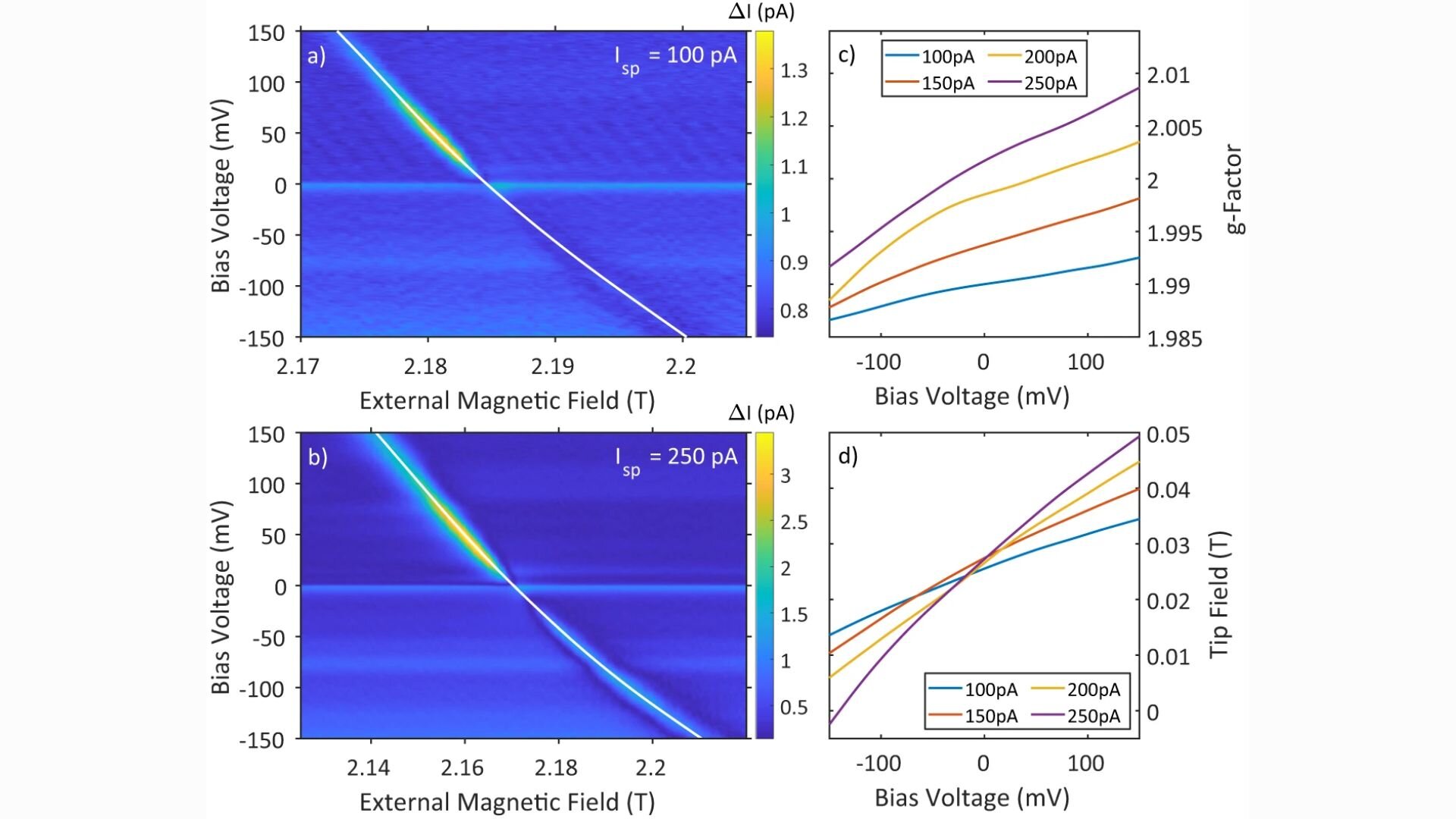
Scientists have demonstrated the electric control of atomic spin transitions using an external voltage, a significant development for the practical implementation of spin control at the nanoscale for quantum computing applications. By applying a bias voltage, researchers observed changes in the position of single titanium hydride molecules and their g-factor, indicating the manipulation of spin transitions. The study also explored the Zeeman effect and demonstrated direct electric control of spin transitions in coupled TiH dimers. This research opens the door for individual atoms to serve as spin qubits in quantum computers, offering faster and more efficient manipulation.

science-and-technology2 years ago

"Nanoscale Marvels: Harnessing Carbon-Based Quantum Technology"

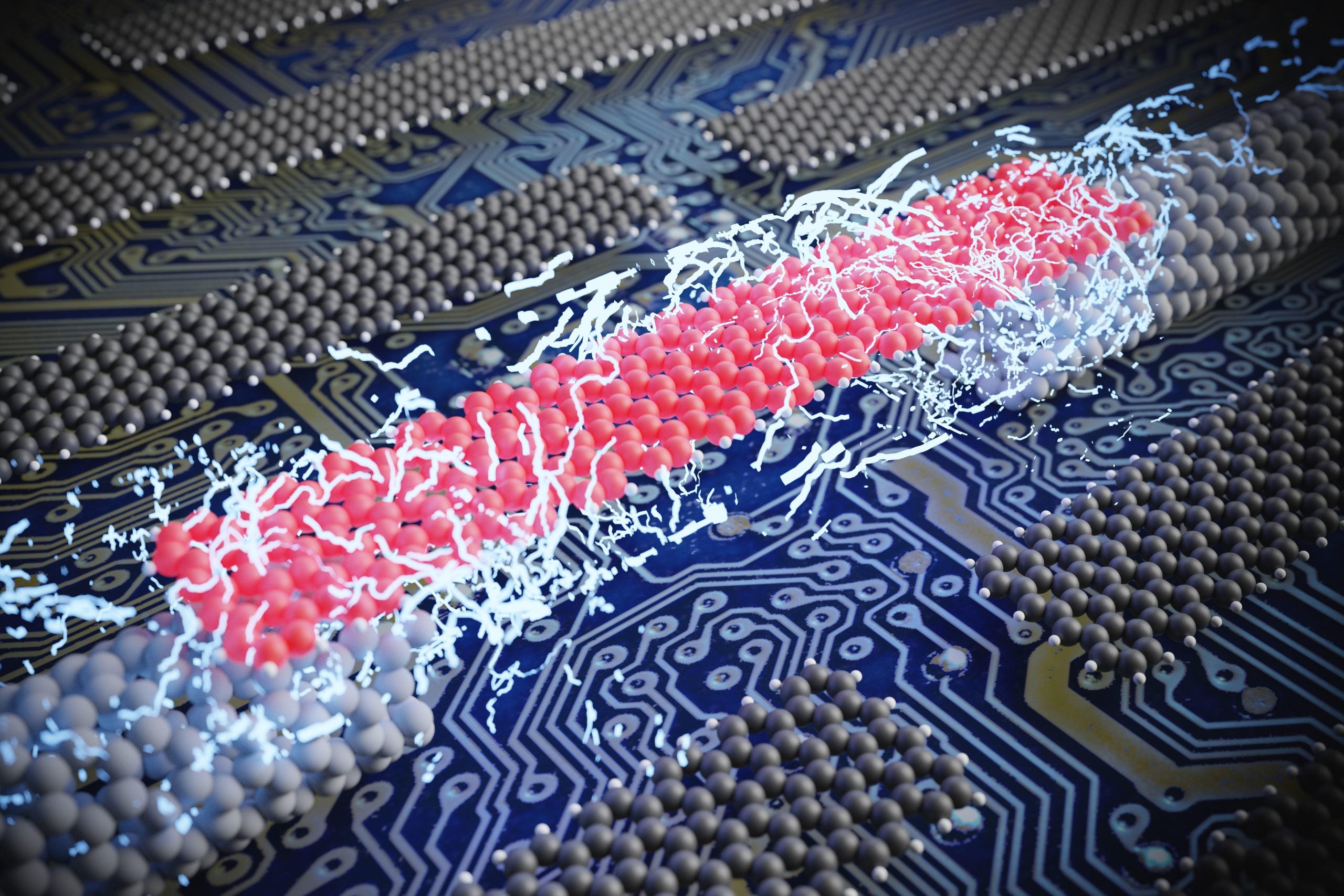
Researchers at Empa, in collaboration with international teams, have successfully contacted individual graphene nanoribbons using carbon nanotube electrodes. Graphene nanoribbons, which have unique electrical, magnetic, and optical properties, hold great potential for quantum technology applications. The researchers overcame the challenge of accessing and contacting the extremely narrow nanoribbons by using carbon nanotubes of similar size. The success of this experiment opens up possibilities for studying fundamental quantum effects and developing applications in quantum switching, sensing, and energy conversion. Further research aims to manipulate different quantum states on a single nanoribbon and explore the use of nanoribbons as highly efficient energy converters.

science-and-technology2 years ago

Surprising Benefit Unveiled by Nanoscale 3D Metal Printing Technique

Researchers at Caltech have developed a new technique for 3D printing metal objects at the nanoscale, which are three-to-five times stronger than similarly sized structures with more orderly atomic arrangements. The process involves selectively hardening a photosensitive hydrogel scaffold with a laser, infusing it with metal ions, burning out the hydrogel, and chemically stripping out the oxygen atoms. The resulting nanoscale metal objects have a disordered atomic structure that actually enhances their strength by preventing failure from propagating. This breakthrough could have applications in creating catalysts, storage electrodes, sensors, microrobots, and heat exchangers.

science2 years ago

"From Ancient Corvids to Modern Nanomanufacturing: Gold Tattoos on Cells"

Researchers at the University of Southern Florida have successfully transformed gold nanoparticles into anisotropic 2D leaves of gold, advancing the understanding of nanoscale metallic deformation. The Large Hadron Collider's LHCb experiment has observed a charged tetraquark and its neutral partner, providing evidence for the existence of these particles made of four quarks. Fossilized raven bones found in Beijing suggest an ancient association between corvids and humans. A Neptune-sized exoplanet, TOI-1853b, has been discovered to be twice as dense as any similarly sized planet, with a composition that suggests an extreme collision between water-rich planetary bodies. Researchers at the University of Notre Dame found that making meaningful connections between dreams and waking life can alter one's approach and attitude at work, leading to increased productivity.

science-and-technology2 years ago

"Nanoscale Goldbeating: Unveiling Ancient Art with Modern Nanotechnology"

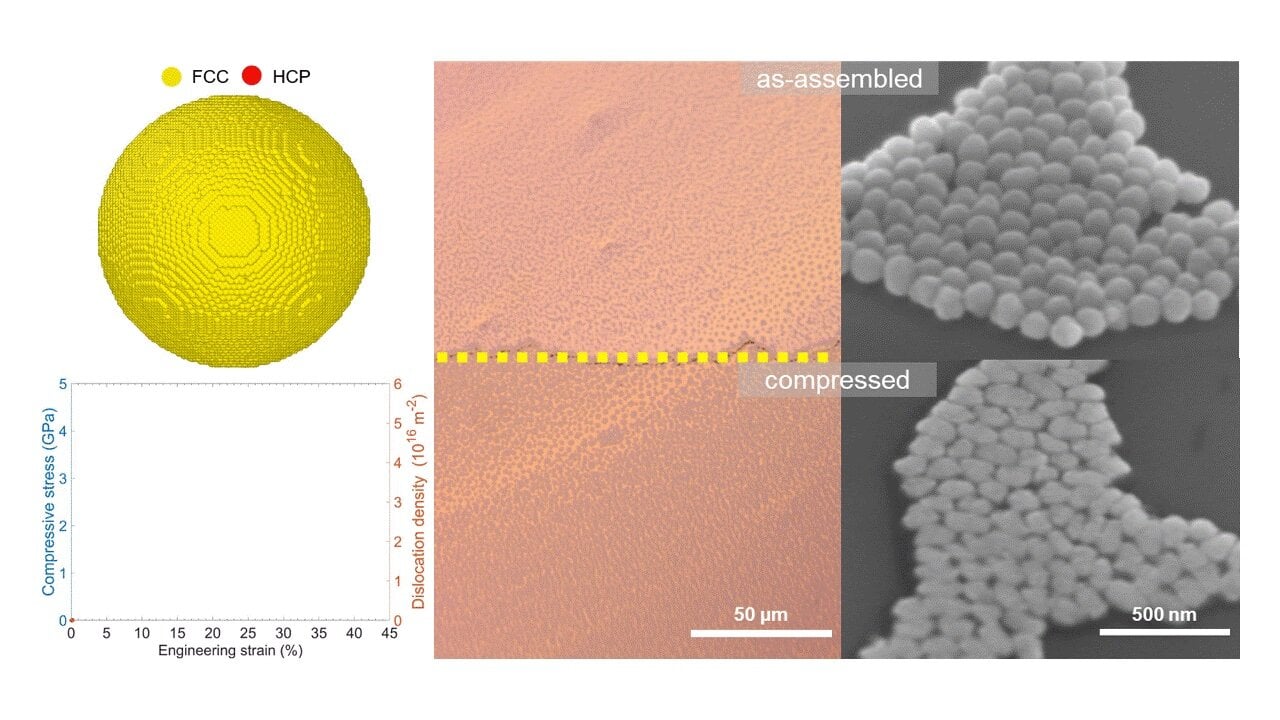
Researchers from the University of South Florida, Clemson University, and the University of Illinois at Urbana-Champaign have successfully compressed nanoscale gold particles into ultra-thin 2D sheets, replicating the ancient craft of goldbeating at the nanoscale. This breakthrough opens up new possibilities in nanotechnology and materials science, with potential applications in renewable energy, quantum computing, and nanomedicine. The study also highlights the timeless appeal of gold and its significance in shaping our past, present, and future.

science-and-technology2 years ago

Unveiling Nanoscale Vibrations: Listening to Avalanches and Earthquakes in Crystals

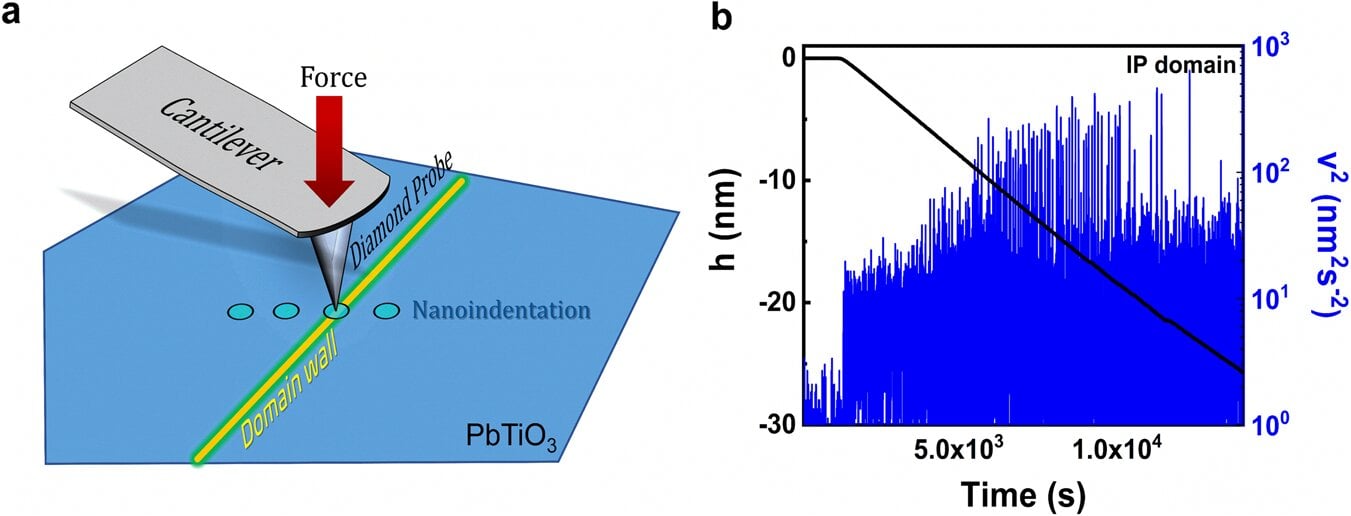
Researchers from UNSW and the University of Cambridge have developed a new method for listening to nanoscale avalanches of atoms in crystals. The method, based on scanning probe microscopy (SPM) nanoindentation, allows for the study of crackling noise in individual nanoscale features of materials, such as domain walls in ferroelectrics. By imaging the material surface before indenting it, researchers can identify and study specific nanoscale features. This new technique provides insights into the behavior of materials at the nanoscale and has potential applications in various fields, including electronics and material science.

science-and-technology2 years ago

"Unveiling the Mysteries of Nanoscale Gaps: A Quantum Leap in Understanding"

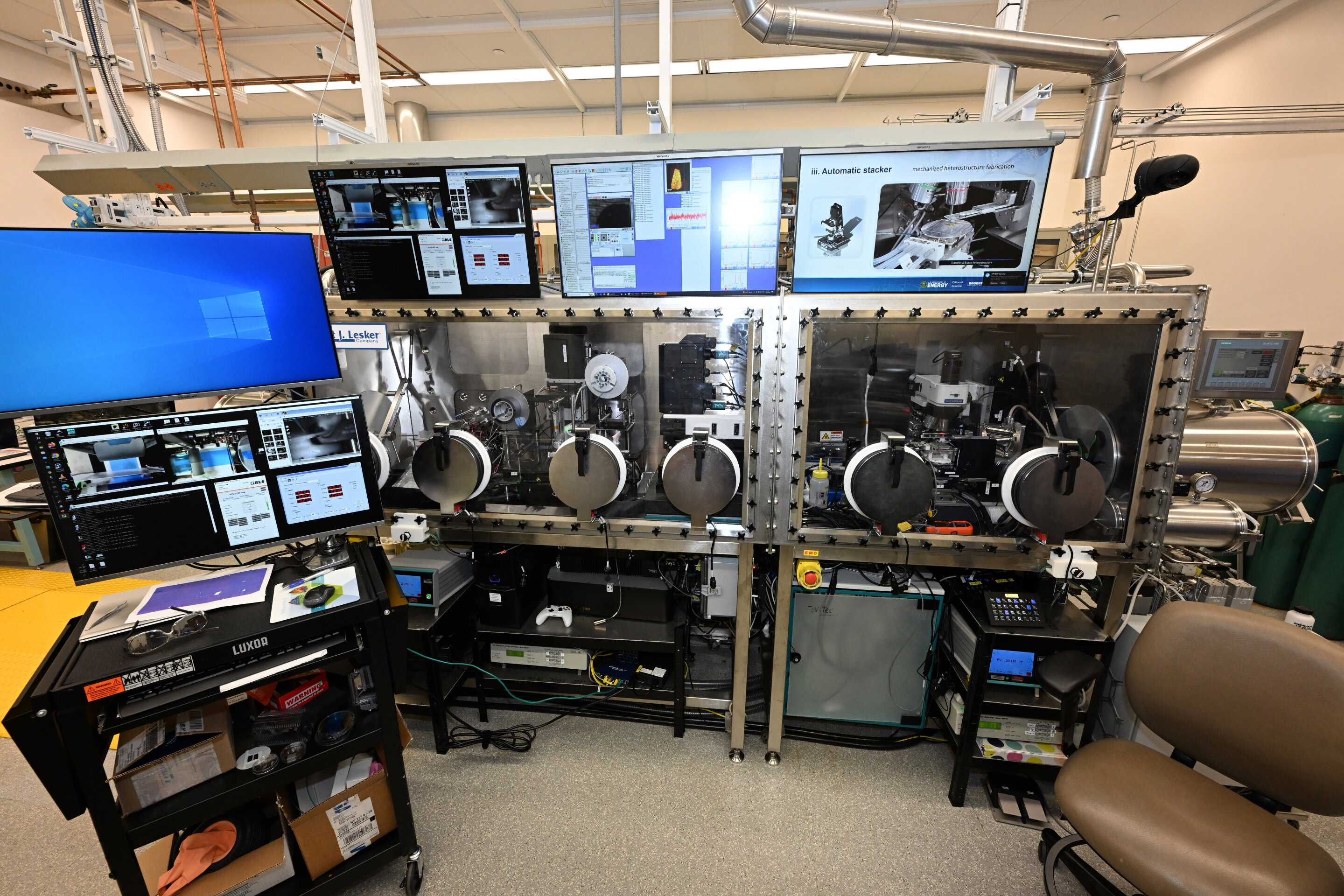
Scientists at the Center for Functional Nanomaterials (CFN) and the University of Warsaw have created a new layered structure using 2D materials that exhibit unique energy and charge transfer properties. By understanding these material properties, advancements in technologies such as solar cells and optoelectronic devices could be achieved. The researchers used the Quantum Material Press (QPress), a first-of-its-kind experimental tool, to extract, isolate, catalog, and build 2D materials. The QPress creates atomically thin layers and assembles them into heterostructures, which have extraordinary capabilities. By studying these heterostructures, scientists can develop better structures for improved energy absorption, charge transfer, and smaller electronic components.

science-and-technology2 years ago

Metallic Marvel: Scientists Witness Self-Healing Powers Unleashed

Scientists have observed a metal healing itself for the first time, a phenomenon that could revolutionize engineering. Using a specialized transmission electron microscope technique, researchers witnessed a crack in a 40-nanometer-thick piece of platinum mend itself after about 40 minutes of observation. The process, known as nanocrack healing, occurs when tiny crystalline grains inside metals shift their boundaries in response to stress. The self-healing occurred at room temperature in a vacuum, raising the possibility of its application in conventional metals. The discovery could have significant implications for repairing structures, engines, and other materials.

technology2 years ago

Advancements in 3D Printing Revolutionize Nanoscale Optical Devices

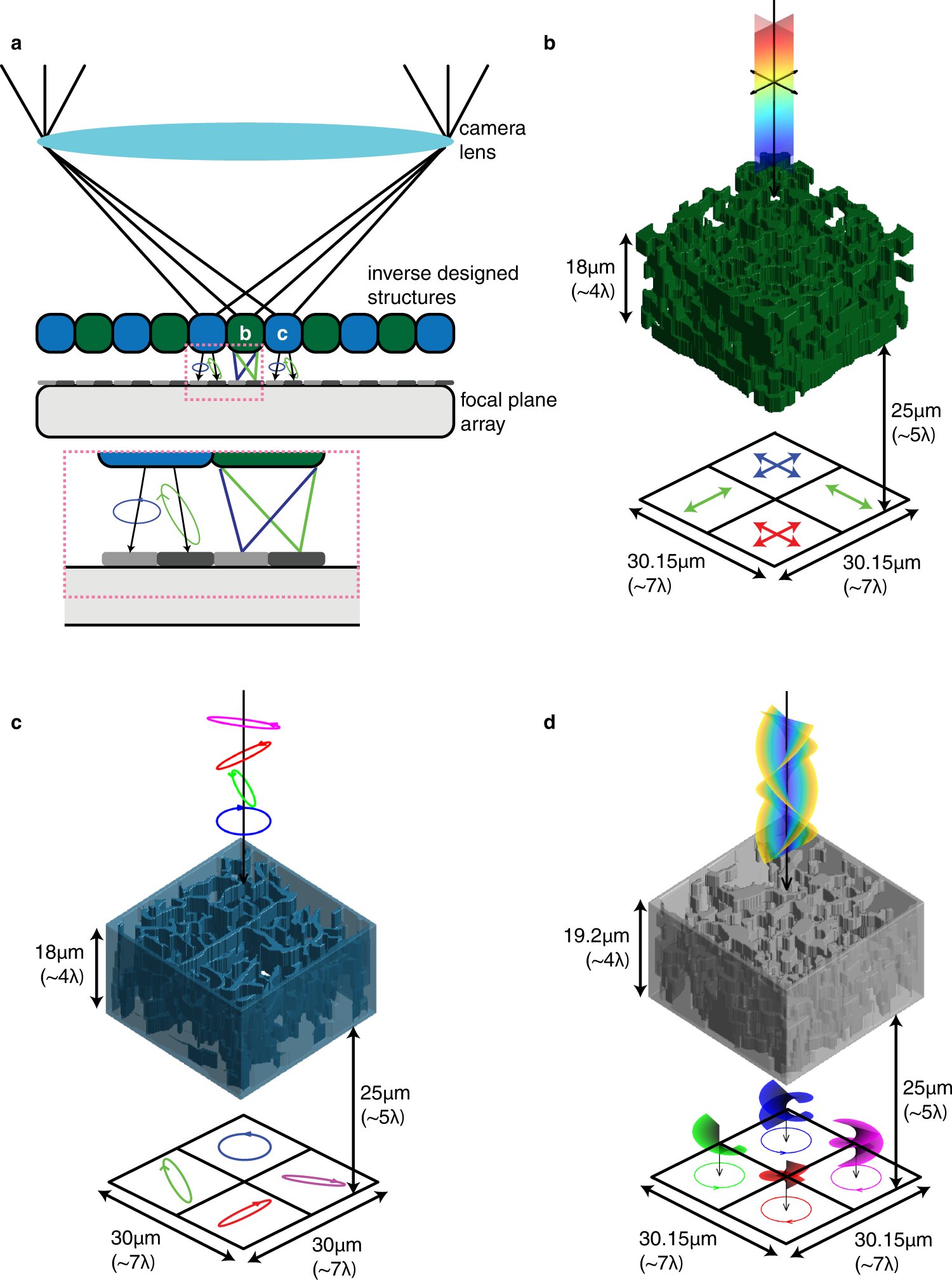
Researchers at Caltech have developed a new technique that combines 3D printing with optical metamaterials to create nanoscale optical devices. These devices, made of structures measured in nanometers, have the potential to detect and manipulate light properties at small scales, allowing for advancements in cameras and sensors. The devices can sort incoming light by wavelength and polarization, and could be used in visible light applications. The design process involves an algorithm that continuously evolves the device's structure until it meets the desired performance criteria. The researchers used two-photon polymerization (TPP) lithography to physically create the devices. While still a proof of concept, further research could lead to practical manufacturing techniques for these nanoscale optical devices.

science-and-technology2 years ago

Nanoscale Quantum Sensors Arranged with Precision on Desired Targets

Scientists at the University of Tokyo have successfully arranged quantum sensors at a nanoscale to detect extremely small variations in magnetic fields. The high-resolution quantum sensors have potential uses in quantum materials and electronic device research, including developing hard disks that use nano-magnetic materials as storage elements. The researchers used boron vacancies or lattice defects in the two-dimensional hexagonal boron nitride to create nano-sized quantum sensors on the surface of the measurement target. The boron vacancy defect acts as an atom-sized quantum sensor for magnetic field measurements, behaving like a nano-sized “magnetic needle”.