Tag

Carbon Nanotubes

All articles tagged with #carbon nanotubes

technology1 year ago

Carbon Nanotubes: The Future of High-Energy Clean Storage

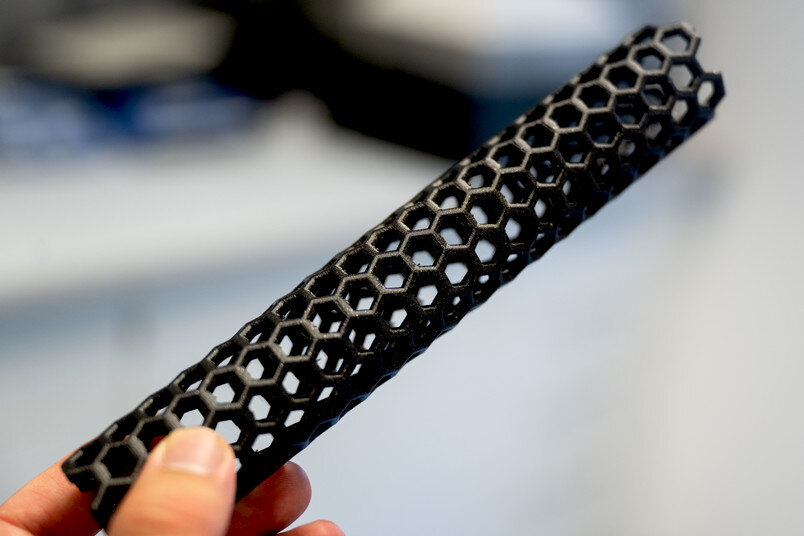
Researchers are exploring carbon nanotubes as a potential alternative to lithium-ion batteries, offering three times more energy storage per unit mass and greater temperature resilience. These nanotubes, which are stronger than steel, could revolutionize energy storage in medical devices by harvesting energy from body movements. While not yet ready to replace lithium-ion batteries in consumer electronics, carbon nanotubes present a promising future for clean energy solutions.

science-and-technology1 year ago

"Pollutant Key to Advancing Carbon Nanotube Films for Tech Applications"

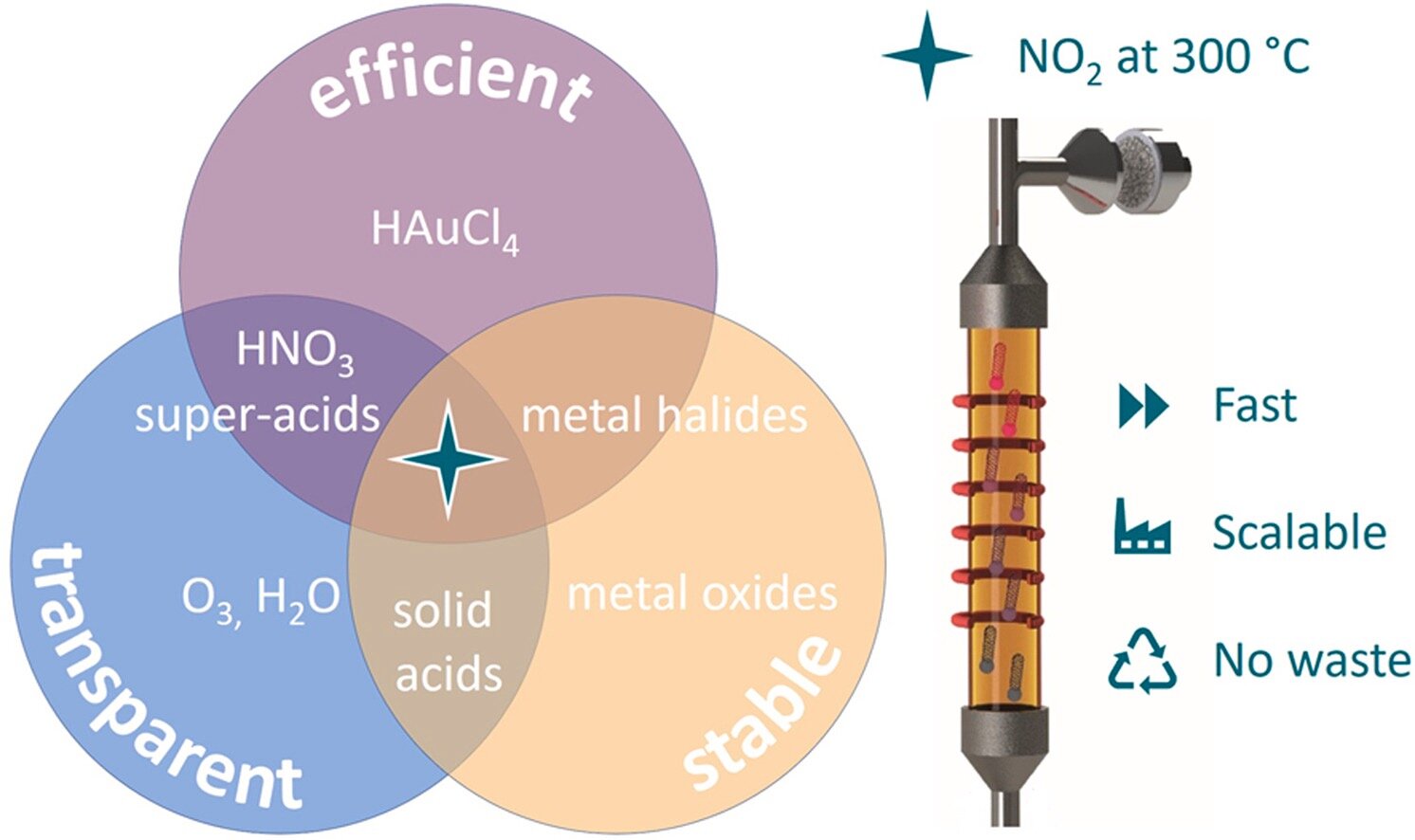
Skoltech scientists have discovered that treating carbon nanotube films with nitrogen dioxide at 300 degrees Celsius significantly enhances their electrical conductivity, transparency, and stability. This fast, scalable, and wasteless technique could improve the performance of solar panels, touchscreens, and other devices, offering a superior alternative to current doping agents.

science-and-technology2 years ago

"Revolutionary Plasma Technology Enables High-Temperature Synthesis in Stable Atmospheric Conditions"

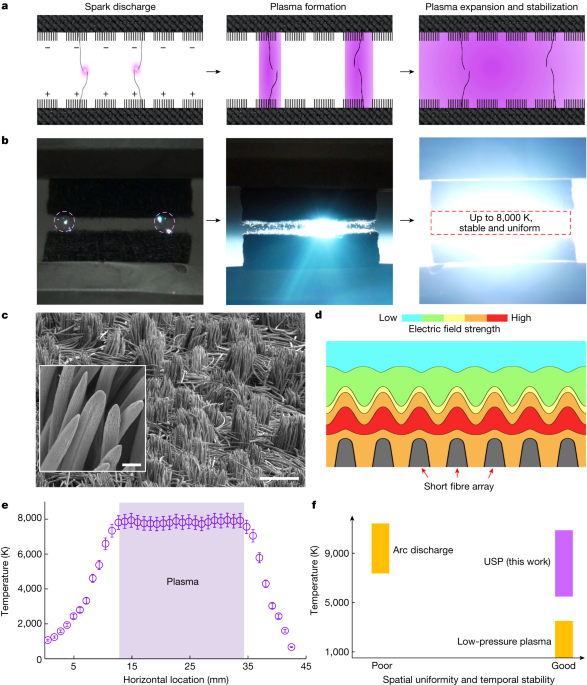
Researchers have developed a stable atmospheric-pressure plasma that enables extreme-temperature synthesis for various applications, including thin film deposition and carbon nanotube synthesis. The plasma, created using a novel electrode configuration, exhibits improved stability and avoids the instabilities typically associated with atmospheric plasmas. This breakthrough opens up new possibilities for high-temperature material synthesis and processing.

science-and-technology2 years ago

"Nanotube Revolution: Expanding the Family Beyond Carbon"

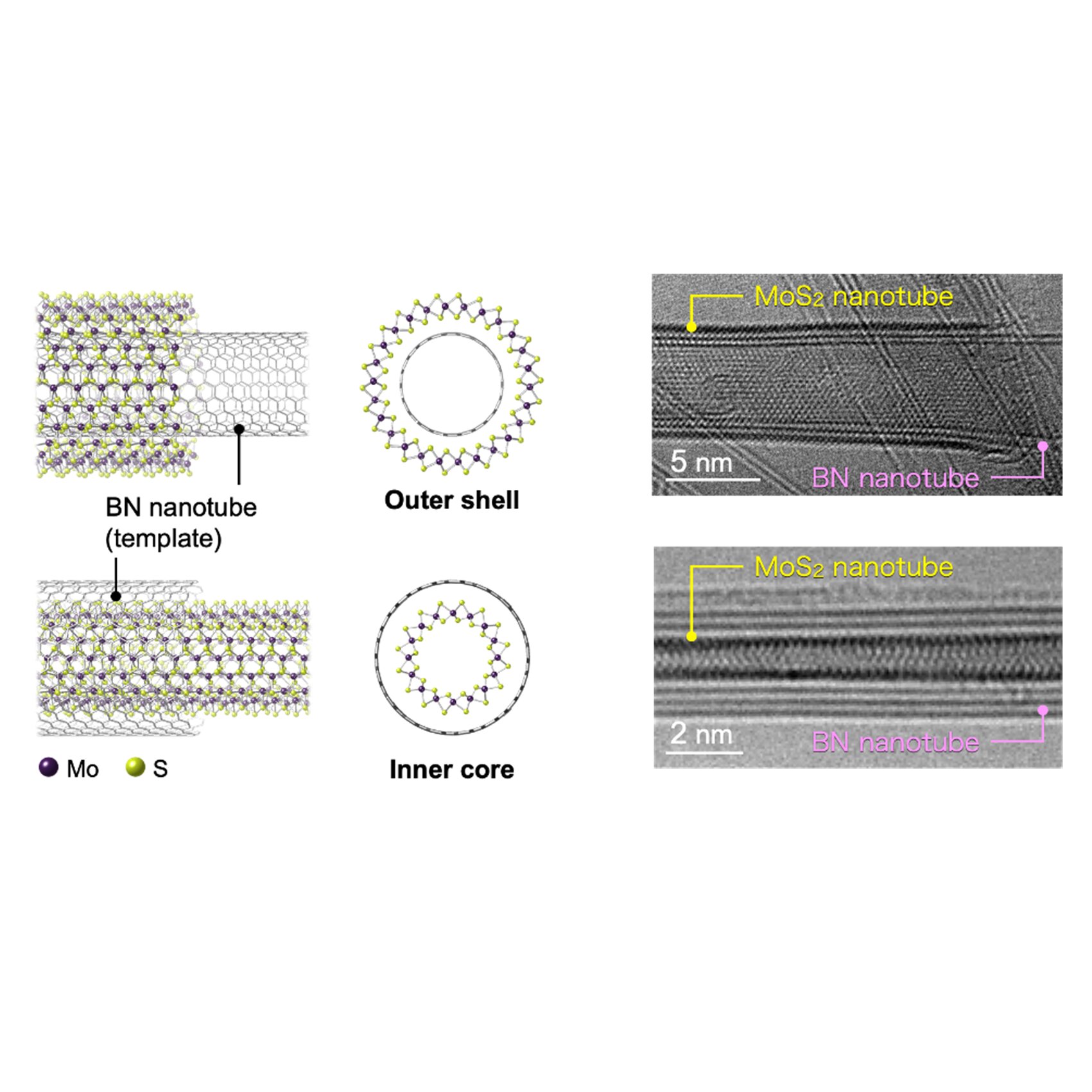
Researchers from Tokyo Metropolitan University have successfully engineered a range of new single-walled transition metal dichalcogenide (TMD) nanotubes with different compositions, chirality, and diameters by using boron-nitride nanotubes as templates. This breakthrough allows for the synthesis of diverse nanotube structures, providing insights into their growth mechanism and unique optical properties. The team also discovered randomly distributed chiral angles in the nanotubes, offering new understanding of the relationship between chirality and electronic states. The ability to create a variety of TMD nanotubes opens up possibilities for exploring their exotic properties and applications in semiconductors.

science-and-technology2 years ago

"Nanoscale Marvels: Harnessing Carbon-Based Quantum Technology"

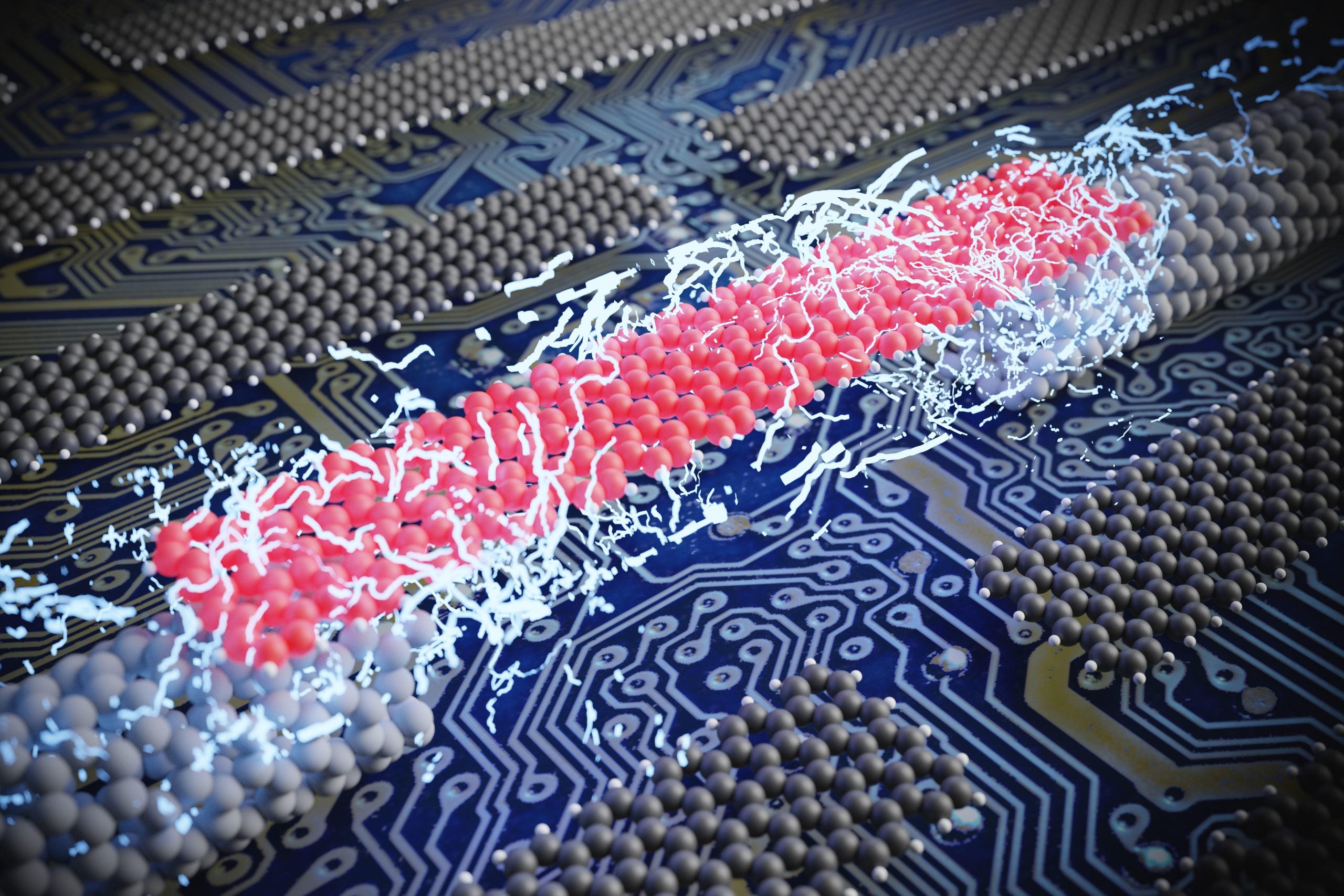
Researchers at Empa, in collaboration with international teams, have successfully contacted individual graphene nanoribbons using carbon nanotube electrodes. Graphene nanoribbons, which have unique electrical, magnetic, and optical properties, hold great potential for quantum technology applications. The researchers overcame the challenge of accessing and contacting the extremely narrow nanoribbons by using carbon nanotubes of similar size. The success of this experiment opens up possibilities for studying fundamental quantum effects and developing applications in quantum switching, sensing, and energy conversion. Further research aims to manipulate different quantum states on a single nanoribbon and explore the use of nanoribbons as highly efficient energy converters.

technology2 years ago

Advancements in Carbon Nanotube Transistors: Scaling to Sub-10 nm Nodes

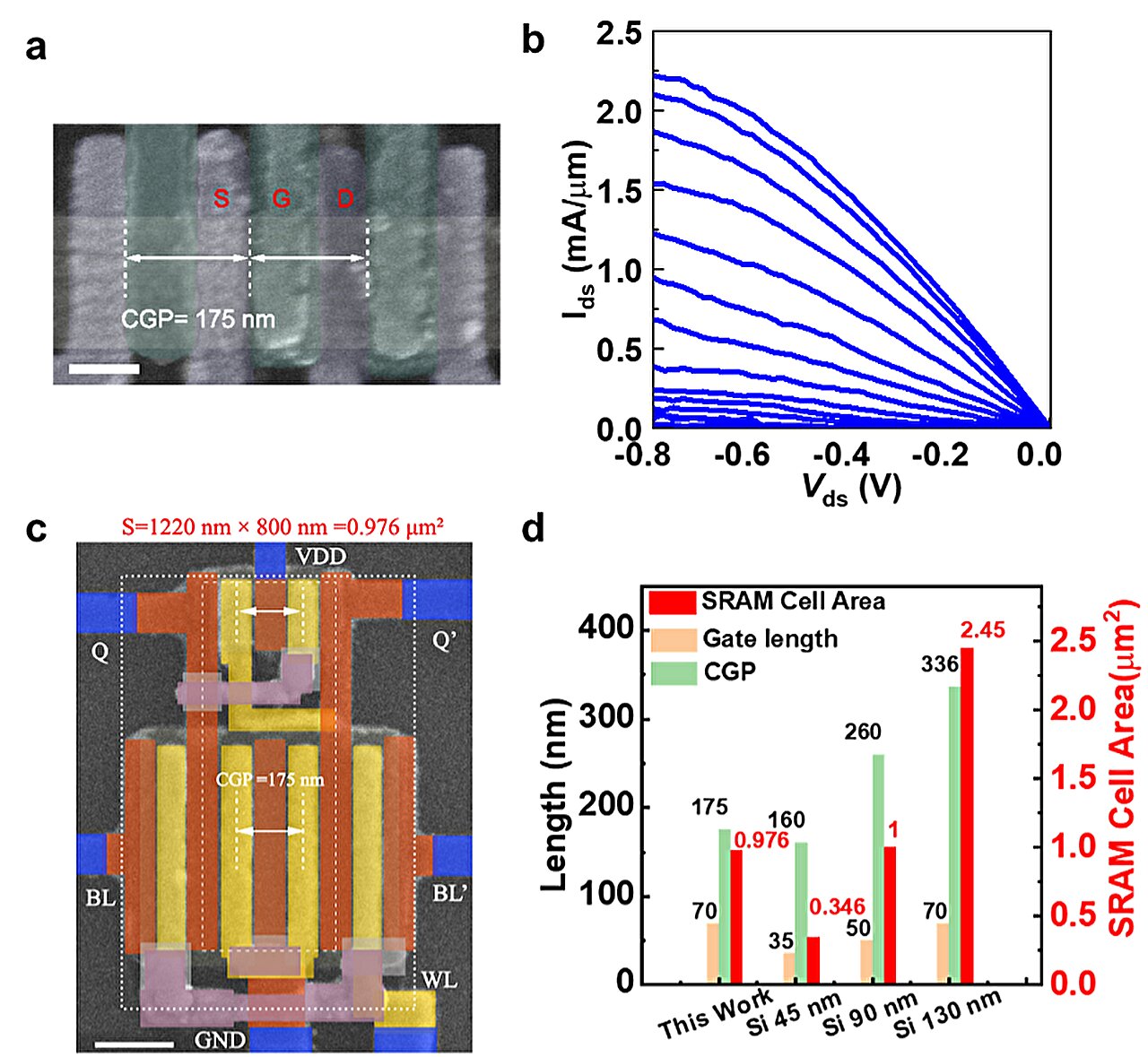
Researchers from Peking University and other institutes in China have demonstrated the scaling of carbon nanotube transistors to below sub-10 nm nodes, potentially outperforming silicon-based transistors. By implementing a new contact scheme called "full contact," the researchers were able to downscale the carbon nanotube transistors while maintaining their performance advantages. This breakthrough could lead to the development of smaller and more efficient carbon nanotube-based transistors, with implications for the advancement of electronics.

science-and-technology2 years ago

"Fluorescent Nanotubes: Customized Biosensors for Bacteria and Virus Detection"

Researchers have developed modular optical sensors using fluorescent carbon nanotubes and DNA anchors to detect viruses and bacteria. The nanotubes are customized with DNA structures that create defects in their crystal structure, altering their fluorescence. By attaching detection units to the DNA anchors, the sensors can identify specific viral or bacterial proteins. The sensors demonstrated high selectivity and stability, making them suitable for diagnostic applications in complex environments.

technology2 years ago

Revolutionary Coating Reduces Economic Losses from Friction and Wear.

Scientists at the Department of Energy's Oak Ridge National Laboratory have developed a coating made of carbon nanotubes that reduces friction in load-bearing systems with moving parts, such as vehicle drive trains and turbines, by at least a hundredfold. The coating reduces the friction of steel rubbing on steel to nearly zero, which could help reduce energy consumption and elongate the lifespan of systems. The ORNL coating could help reduce the US economy's annual loss of over $1 trillion to friction and wear, equivalent to 5% of the gross national product.

technology2 years ago

Bulletproof Suit Inspired by John Wick's Style

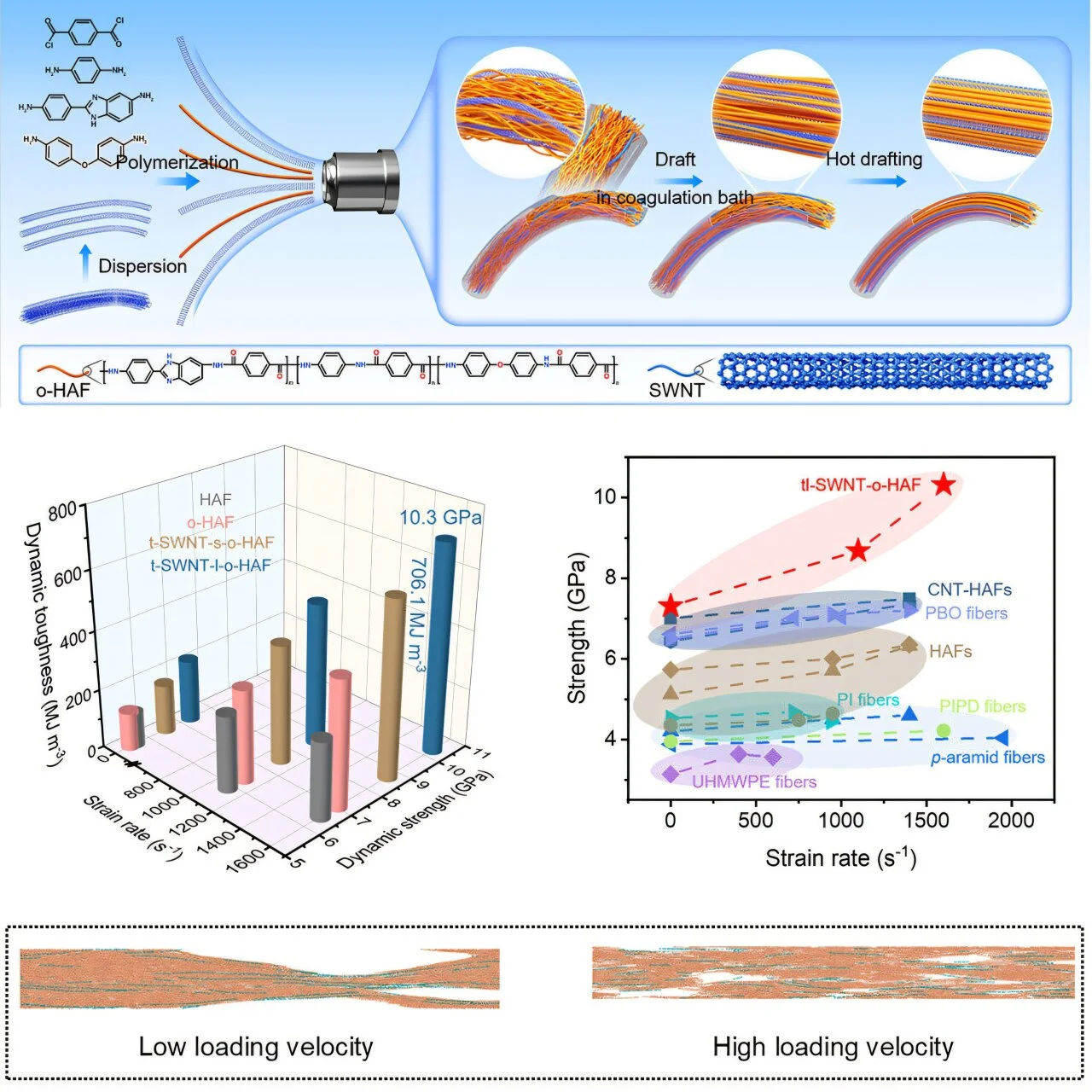
Bulletproof suits like the ones seen in the John Wick movies actually exist, but they don't have the magic physics-defying powers of the movie version. Most real-life body armor is made from Kevlar or similar ballistic fibers, but they are not completely bulletproof. A prototype Kevlar suit that supposedly cost a little under $100,000 to produce has been created, but carbon nanotubes from Garrison are the best option for a bulletproof suit. However, the laws of physics still apply, and serious damage is likely to occur even with a bulletproof suit.