The article explores the historical and cultural origins of vampire beliefs across different societies, highlighting how fears of the undead have led to exhumations and rituals to prevent the dead from harming the living, and argues that such practices are often therapeutic responses to societal stresses. It also critiques Bram Stoker's Dracula as being disconnected from actual historical beliefs.
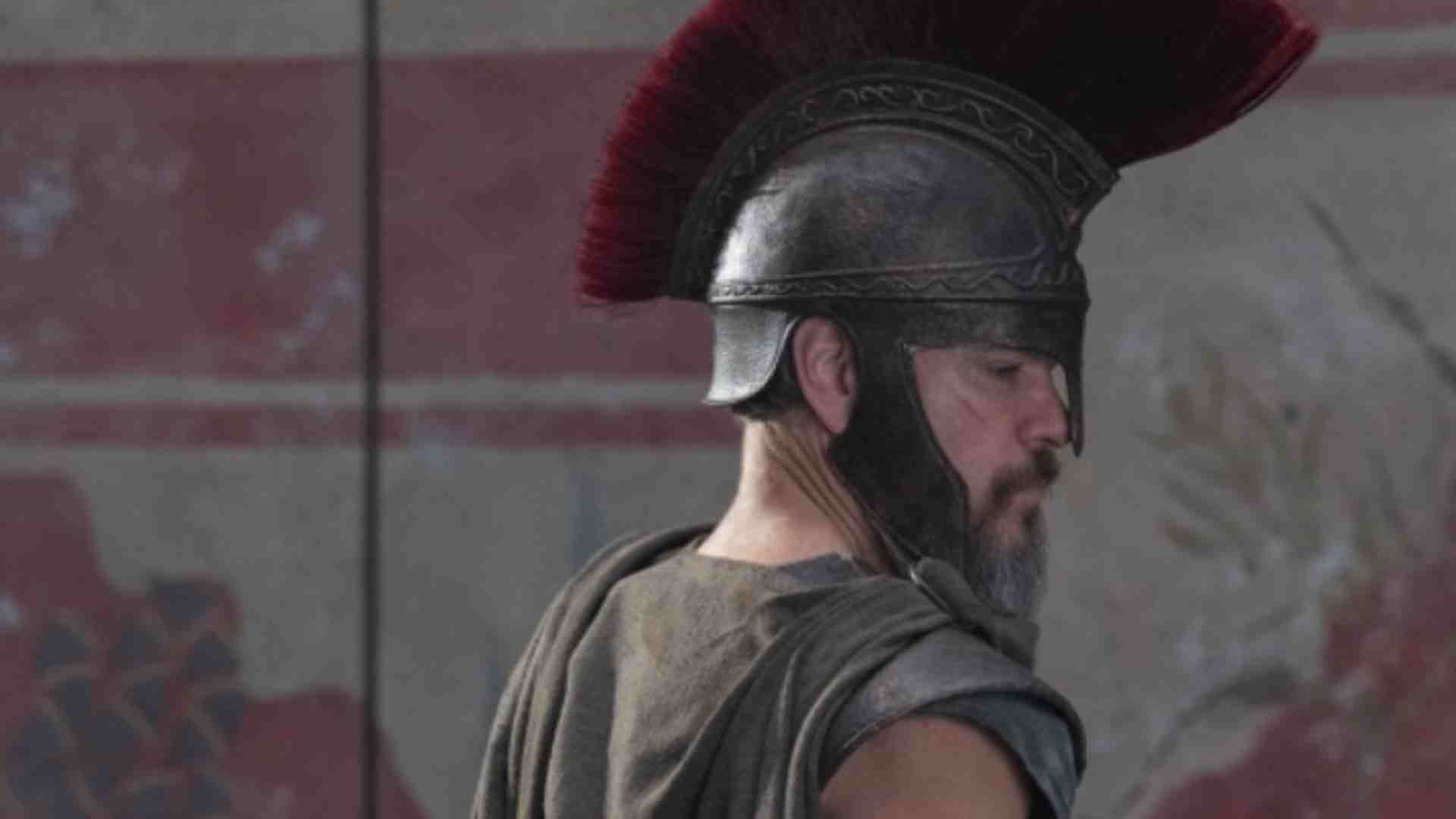
The trailer for Christopher Nolan's film 'The Odyssey' features Matt Damon as Odysseus, depicting his stormy journey home after the war, with a star-studded cast and filming on real seas to capture the myth's epic scale, set for release on July 17, 2026.
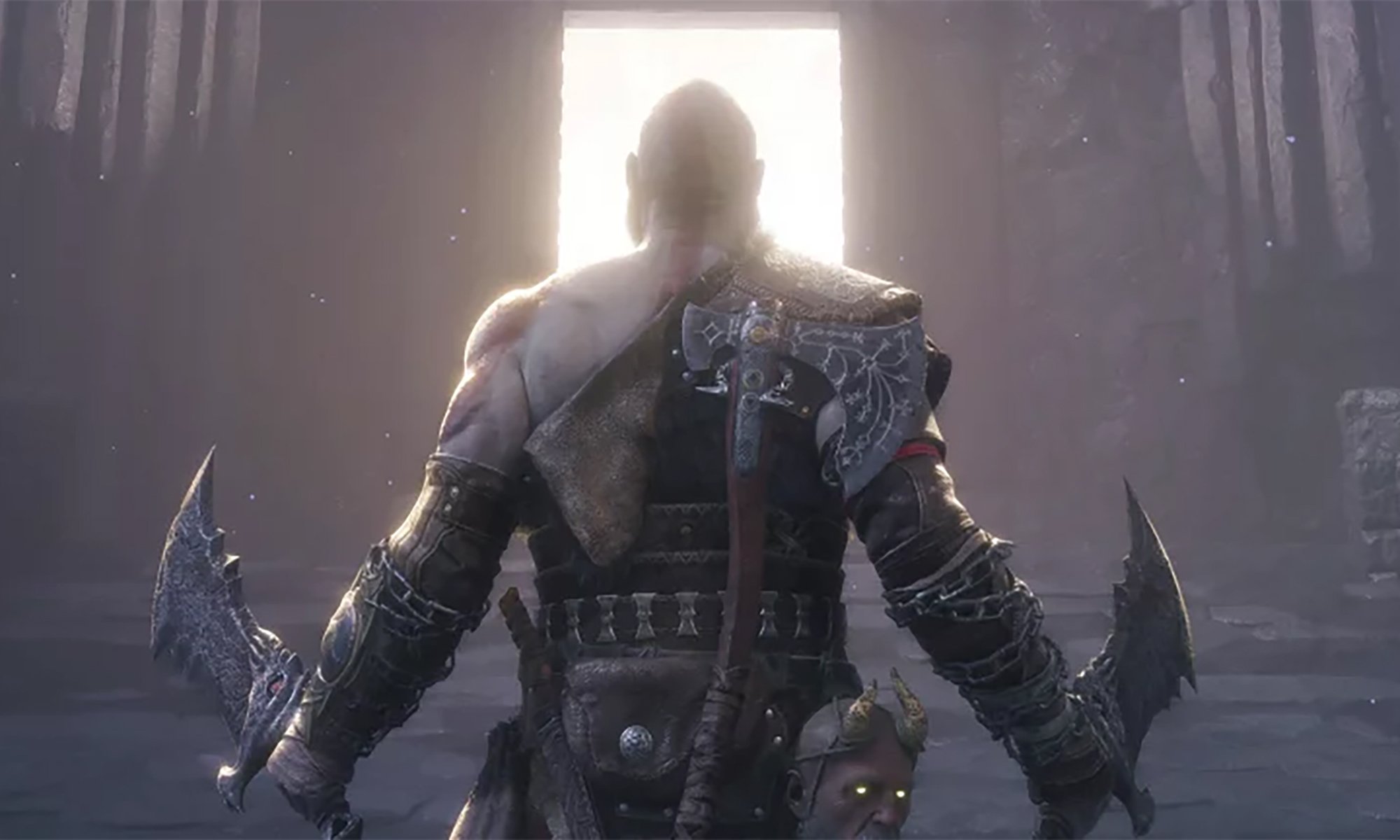
Kratos voice actor Christopher Judge hinted at the possibility of a new God of War game set in Egyptian mythology, suggesting a 'full circle' moment for his character, though he later backtracked, leaving the future of the series uncertain.
Rabbits in Colorado are developing horn-like growths and tentacles due to the Shope papilloma virus, which causes benign, horn-shaped keratin growths. This phenomenon has sparked social media interest and is linked to the myth of the jackalope in Wyoming, a legendary creature possibly inspired by infected rabbits. Experts confirm the virus is harmless to humans and not a threat to local wildlife, though it has fueled local folklore and tourism.
The article argues that Superman has always been an immigration story, symbolizing the American immigrant experience and the nation's values of acceptance and resilience, contrasting this with recent political debates and criticisms about politicizing the character.
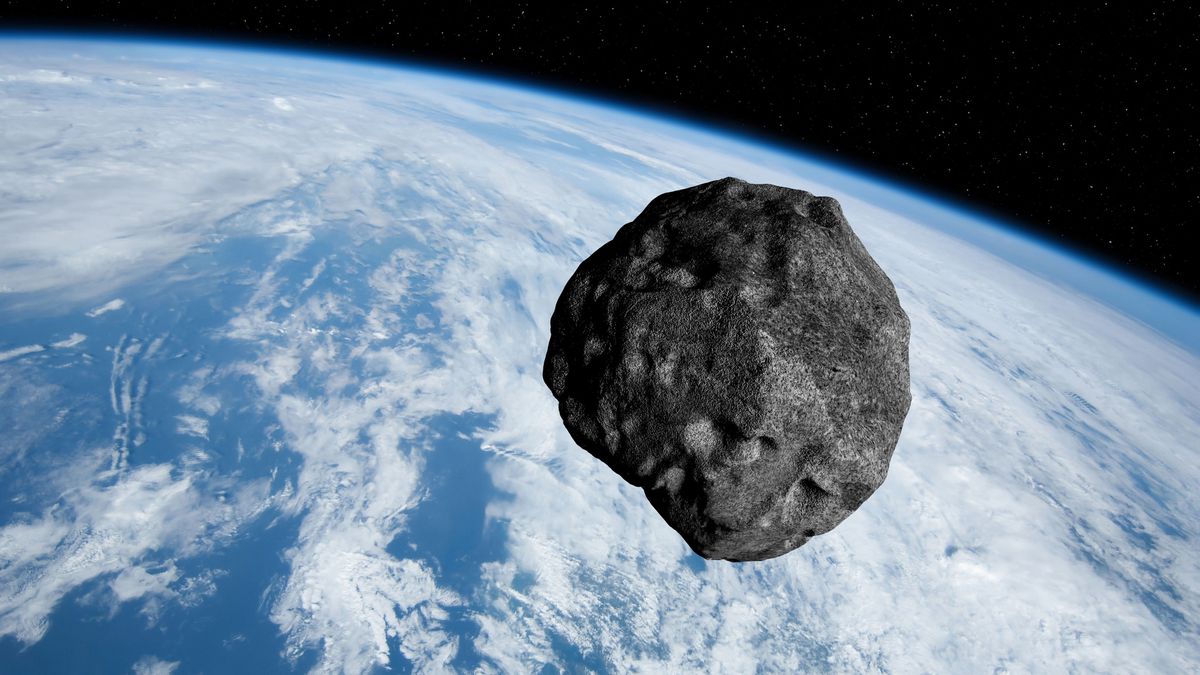
The International Astronomical Union (IAU) is overseeing a contest to name Earth's quasi-moon, 2004 GU9, with a requirement that the name be rooted in mythology. Despite humorous suggestions like "Moony McMoonface," the IAU emphasizes cultural significance and mythological connections. The final name options include mythological figures from various cultures, highlighting the complexity and cultural considerations involved in naming celestial objects.
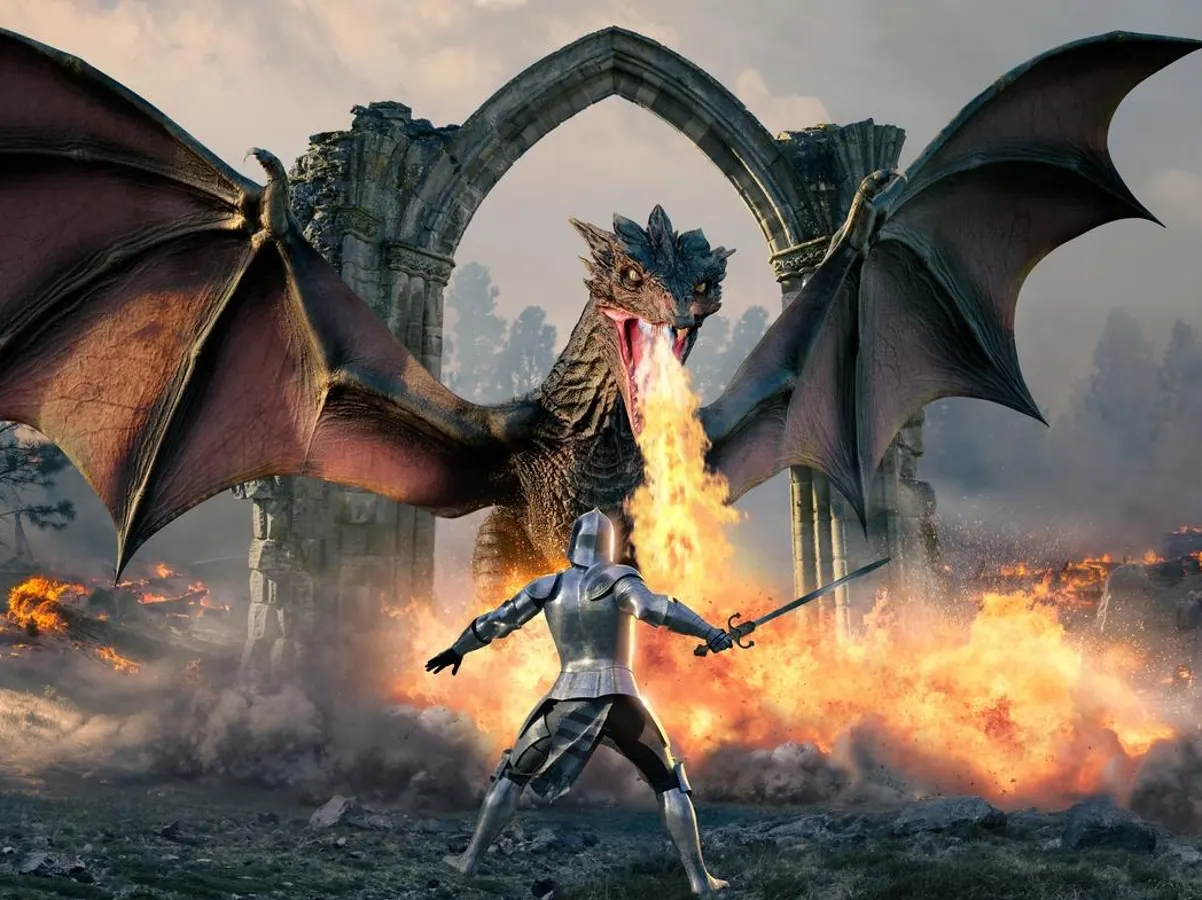
A recent media debate about the existence of dragons has been addressed by generative AI, including ChatGPT, which suggests that dragons, as depicted in mythology, did not exist. The AI proposes that ancient cultures might have been inspired by large animals or fossils, leading to dragon myths. The article highlights the importance of questioning AI's responses, as they are based on human data and not absolute truths. It also explores how AI can be prompted to simulate belief in dragons, demonstrating the flexibility and limitations of current AI technology.
The legend of King Arthur, a mythical Celtic warlord who resisted the Anglo-Saxon invasion of Britain, has left a trail of historical sites across the UK, sparking debate about his existence. Experts suggest Arthur may be an amalgamation of various historical figures rather than a single person. Sites like Tintagel Castle in Cornwall, linked to Arthur's conception, reveal significant archaeological findings from the Dark Ages, indicating a high-status settlement. Despite the lack of concrete evidence, Arthur's myth continues to captivate, reflecting diverse cultural identities and historical narratives.
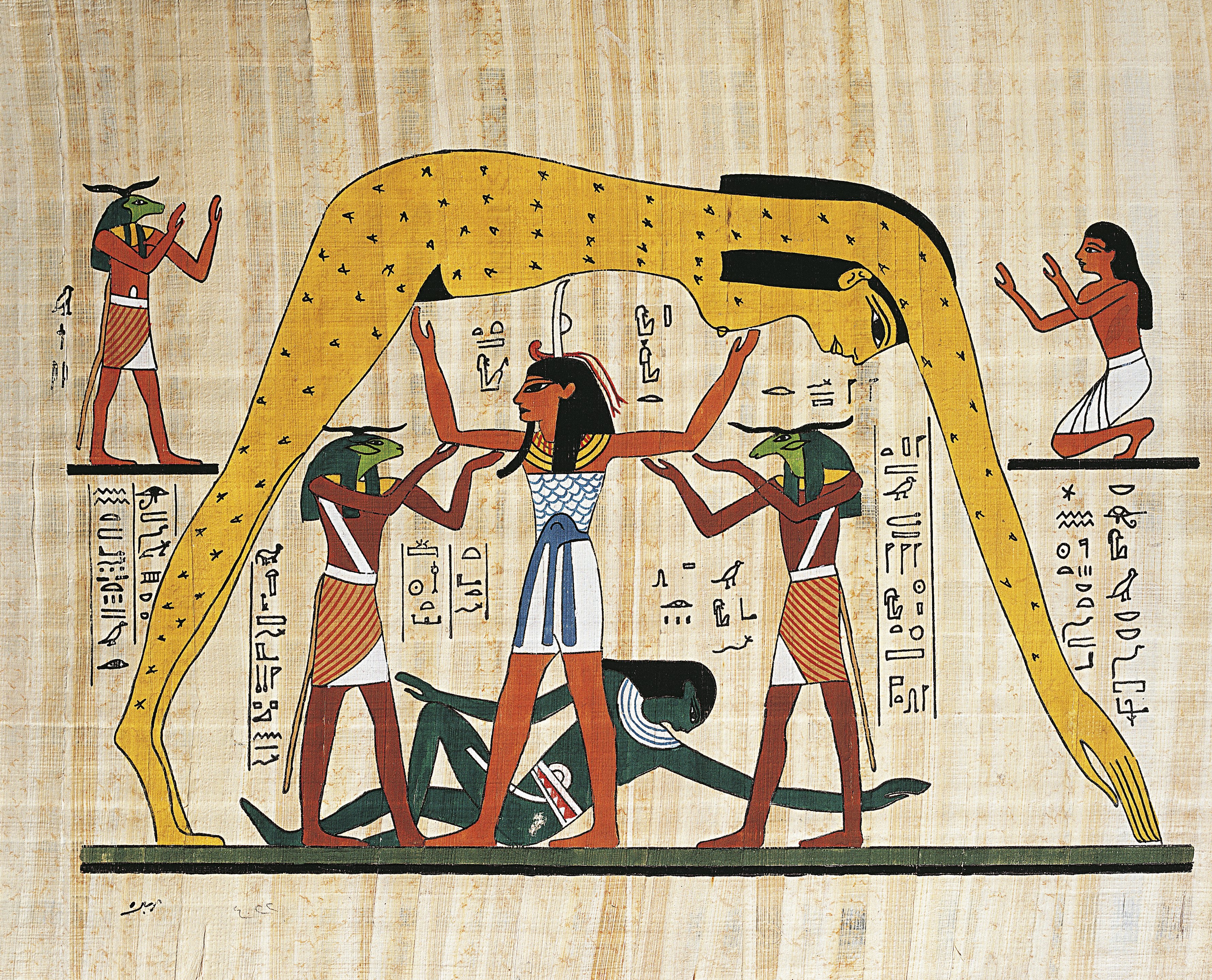
Astrophysicist Or Graur's study suggests a potential link between the ancient Egyptian sky goddess Nut and the Milky Way, shedding new light on how the ancient Egyptians viewed our galaxy. By combining modern astronomical simulations with ancient Egyptian texts, Graur proposes that the appearance of the Milky Way in the night sky aligns with the description of Nut in the Book of Nut, indicating a symbolic connection. While not providing definitive proof, the study offers an intriguing interpretation and fits into a larger framework of Milky Way creation stories across cultures.
Archaeologists excavating Pompeii have unearthed a large banqueting hall adorned with exquisite frescos depicting scenes from Greek mythology, including Helen of Troy and Apollo. The hall, believed to have been designed for evening banquets, features black walls and a mostly-complete mosaic floor made up of over a million tiles. The discoveries, including depictions of classical myths and a bakery, are providing new insights into the lives of ancient Romans, while also shedding light on the social functions of the frescos in inspiring conversation and reflections on human existence.
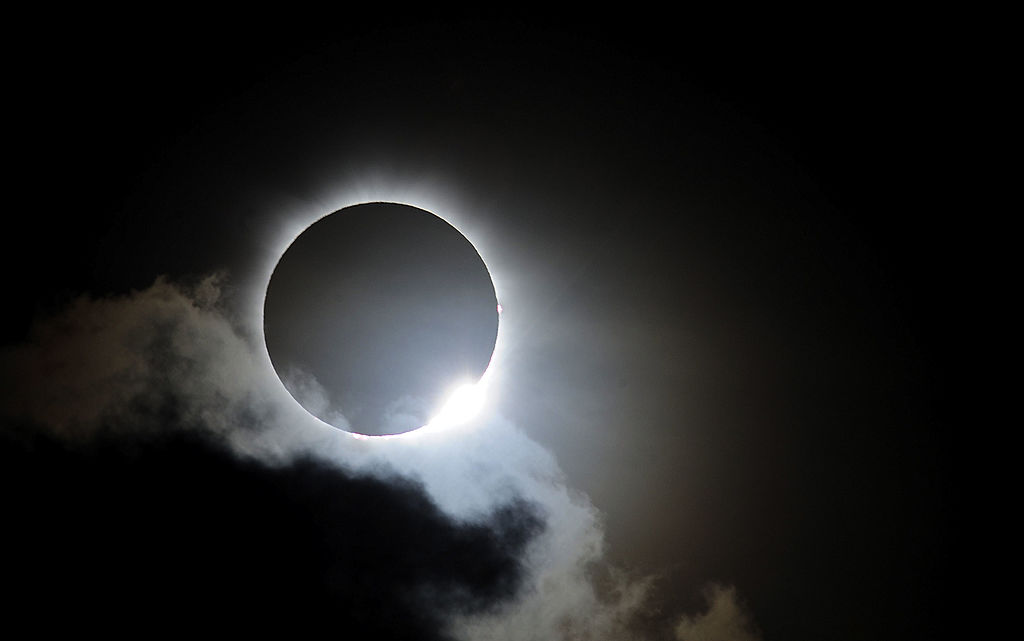
A total solar eclipse, steeped in history and mythology, will occur on April 8, 2024, across parts of the contiguous United States. The phenomenon has captivated sky-watchers and scientists for millennia, with ancient records and interpretations from various cultures. NASA is preparing for a mission during the upcoming eclipse to study its effects on the upper atmosphere, launching rockets and high-altitude balloons to capture scientific data.
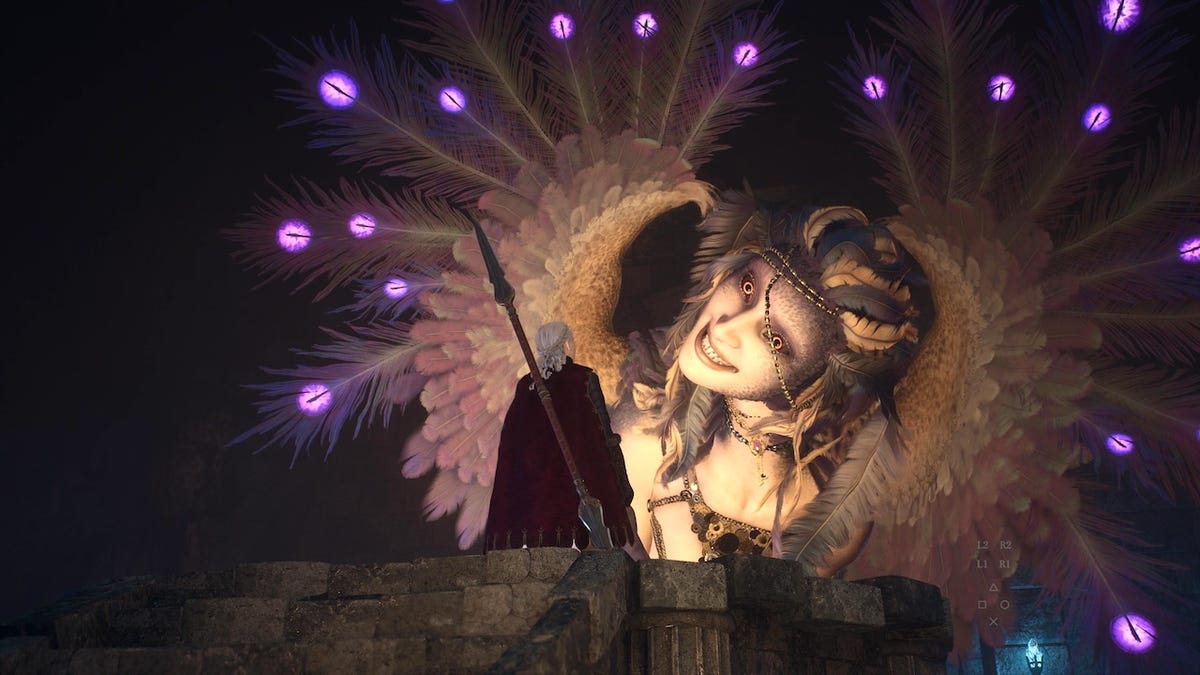
In Dragon’s Dogma 2, players encounter the Sphinx, a creature that challenges them with riddles instead of combat, reflecting the game's design. While most riddles reward understanding of game mechanics, one specific riddle, the Riddle of Wisdom, is criticized for its specific and luck-based solution, deviating from the game's usual interaction style. Overall, the Sphinx's riddles in Dragon’s Dogma 2 showcase both the game's successes and frustrations, providing a unique and thought-provoking experience for players.
Dev Patel reflects on his 10-year journey to make 'Monkey Man', a blood-spattered revenge thriller that marks his directorial debut and showcases his transformation into an action hero. The film, inspired by Indian mythology and action genre, faced numerous challenges during production, including delays and Patel's injuries from brutal fight scenes. Jordan Peele's production company stepped in to rescue the film, securing a theatrical release through Universal Pictures. Patel hopes the ambitious action-thriller will blend bone-crunching action with thoughtful mythology, fulfilling a lifelong dream.
Research astronomer Jay Reynolds discusses the historical significance of solar eclipses, including Christopher Columbus's use of an almanac to predict an eclipse and secure provisions. Various ancient cultures interpreted eclipses through superstition and mythology, with common themes of animals or mythic figures consuming the sun. The upcoming total solar eclipse on April 8 in Northeast Ohio is expected to last about 4 minutes, providing a rare spectacle. The article also delves into the historical and cultural significance of eclipses, from ancient Chinese beliefs to the experiences of different civilizations.
Astronomers suggest that the story of the Seven Sisters and Orion, found in various ancient cultures, may date back to 100,000 BCE, making it possibly the oldest story on Earth. The similarity in these myths from cultures with little historical contact is intriguing. Research indicates that the myth may have originated when the Pleiades star cluster appeared as seven stars, with one now too close to another to be distinguished. This finding raises the possibility that ancient human stories could have been shared around campfires in Africa thousands of years ago.