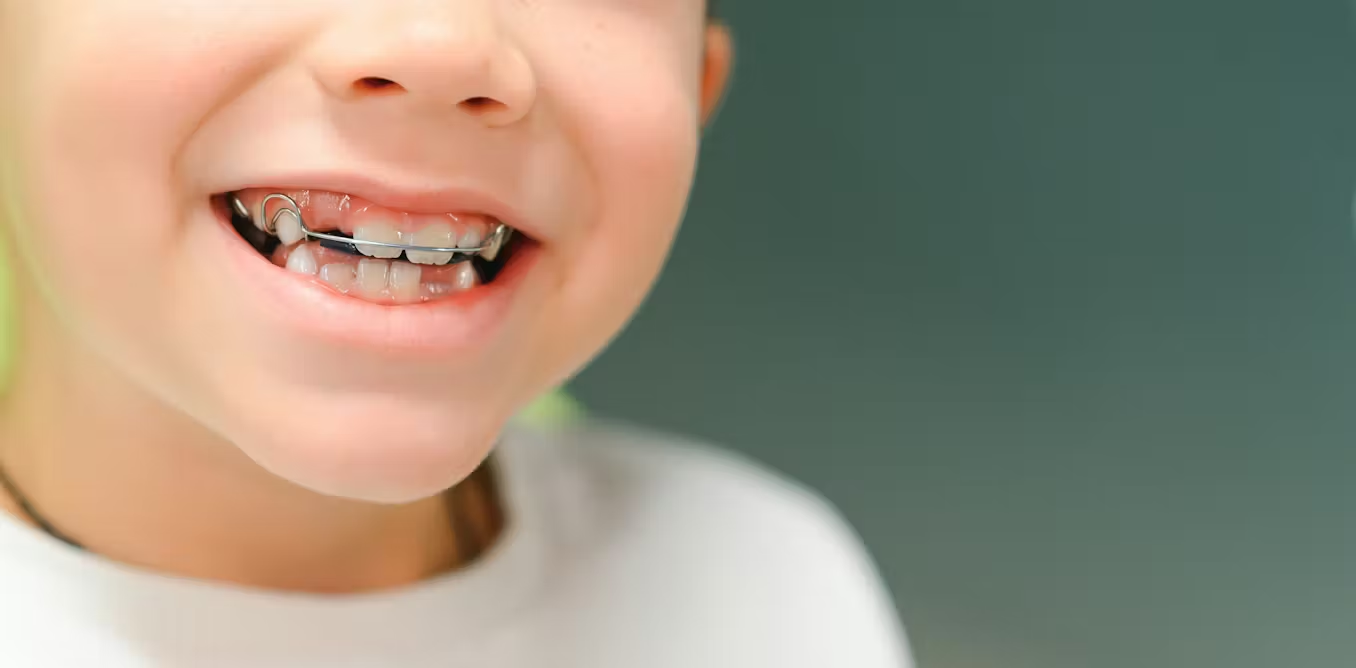
Ancient civilizations like Egypt and Etruscans used gold wires and bands not for straightening teeth but as prostheses or support for damaged teeth. The myth that they practiced orthodontics is debunked by evidence showing these devices were unsuitable for moving teeth, which was not necessary in ancient diets that kept jaws large and teeth aligned. Modern orthodontics began in the 18th century with scientific innovations, leading to the advanced treatments we have today. The popular image of ancient braces is a myth; real orthodontic treatment is a product of recent scientific progress.

The article examines the scientific evidence behind popular TikTok-favored supplements like chlorophyll and collagen, concluding that most health claims are exaggerated or unsupported by solid research, and emphasizing the importance of a balanced diet over supplements for health benefits.
Australian scientist Karl Kruszelnicki and organizations like NOAA argue that the Bermuda Triangle's reputation for mysterious disappearances is unfounded, attributing incidents to natural weather phenomena and human error rather than supernatural causes or conspiracy theories, emphasizing that the area experiences similar risks as other busy maritime regions.
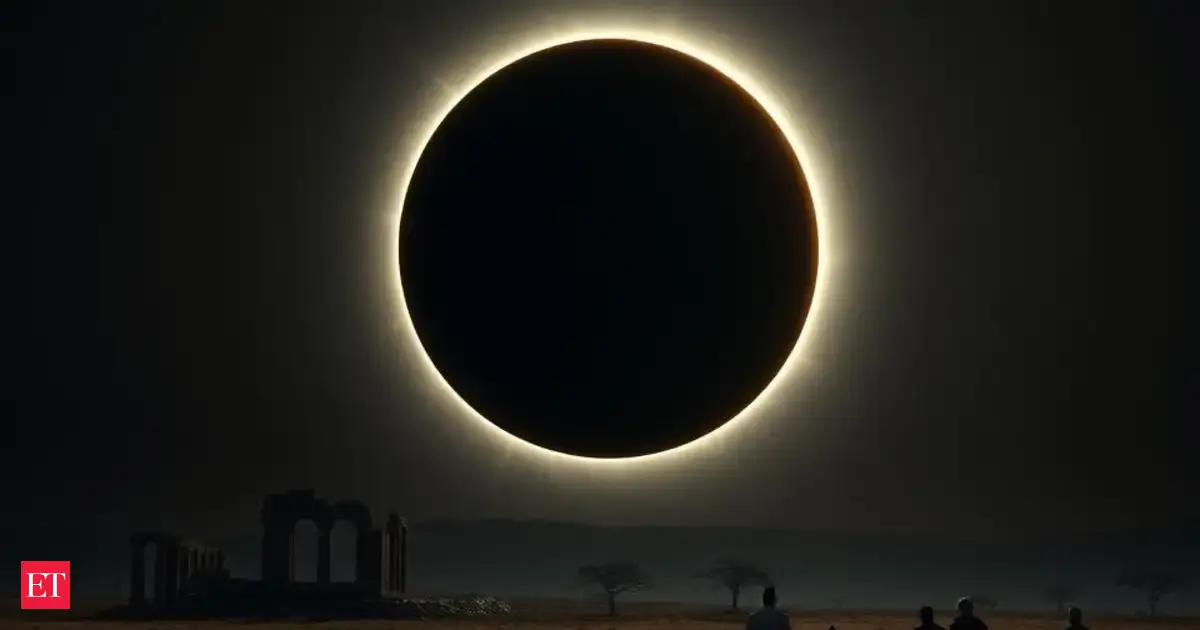
NASA clarifies that there will be no global blackout on August 2, 2025, despite viral rumors, and the next total solar eclipse will occur on August 2, 2027, lasting over six minutes and visible across parts of Europe, Africa, and the Middle East.
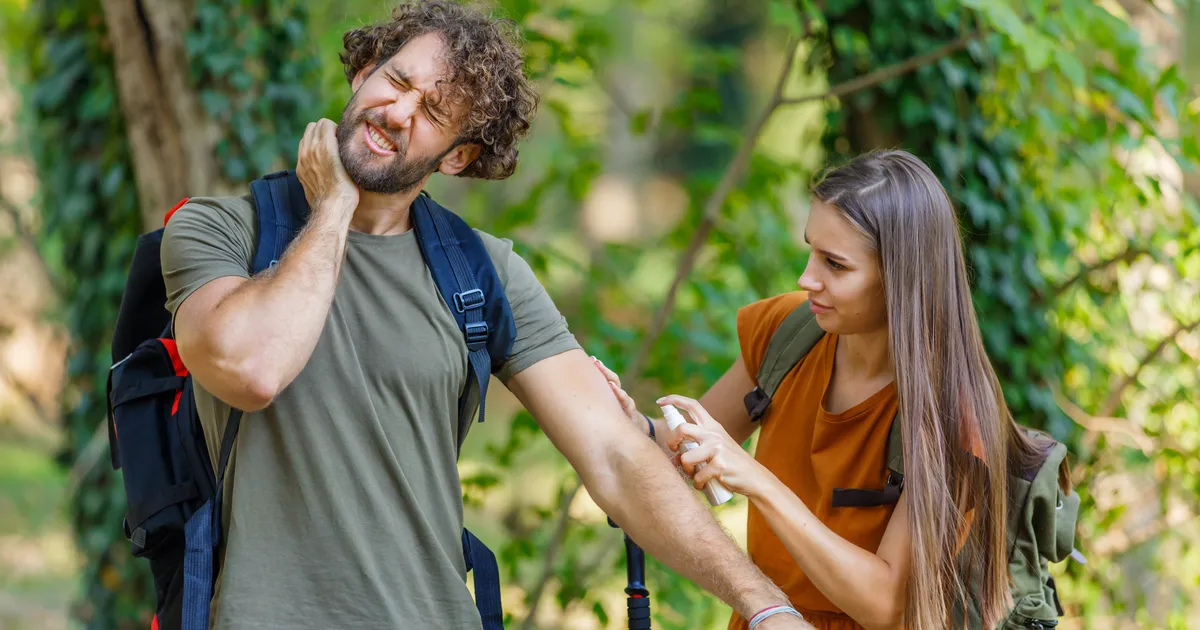
Many common beliefs about mosquitoes are misconceptions; for example, not all mosquitoes bite humans, they can bite through clothing, and natural repellents are less effective than EPA-registered products. Mosquitoes breed in any standing water, not just dirty or stagnant water, and they can transmit diseases even without feeling the bite. Effective control involves integrated pest management, and bats and birds do not significantly reduce mosquito populations. Cold winters do not eliminate all mosquitoes, as some can survive through hibernation or egg diapause.
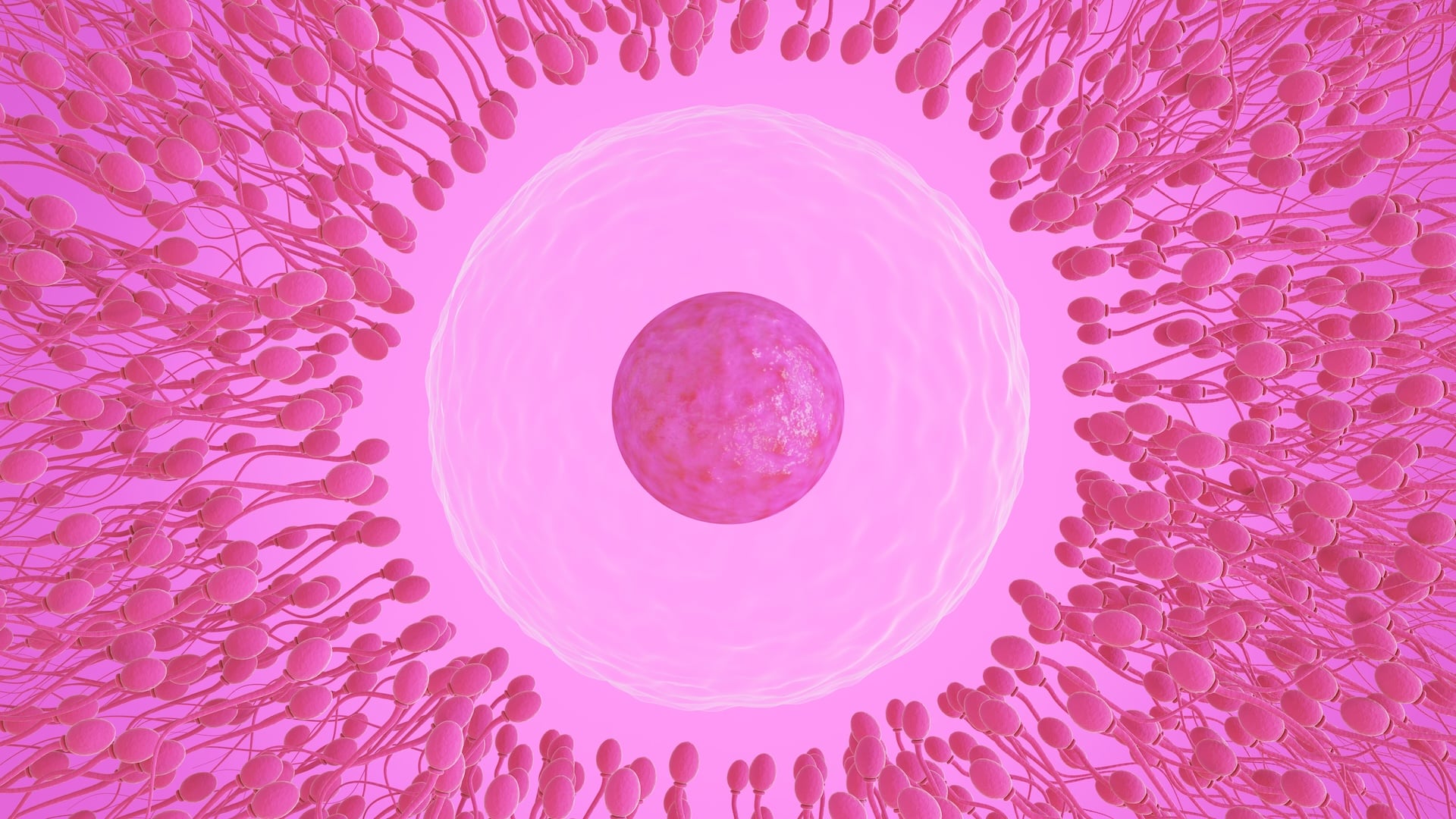
The article debunks the myth of 'racing sperm' by explaining that eggs, not sperm, are the active decision-makers in fertilization, selectively attracting or rejecting sperm based on biological cues, challenging long-held cultural narratives about reproduction.
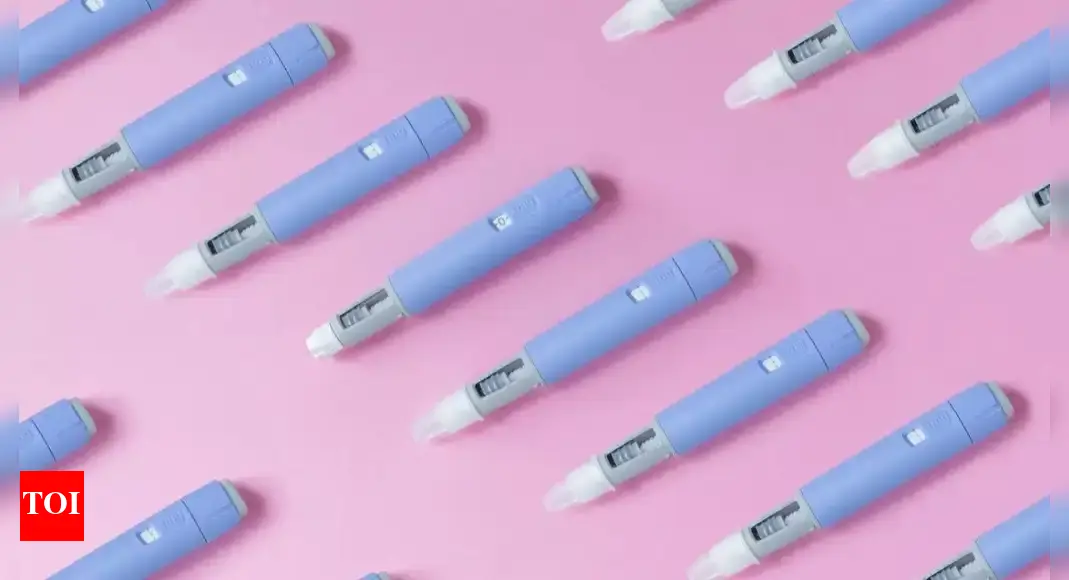
A viral social media claim that Ozempic increases penis size is false; any perceived changes are due to fat loss around the pubic area making the penis appear larger, with no scientific evidence supporting actual growth. Experts confirm that the drug does not directly affect male genitalia, and the phenomenon is a perception issue rather than a physiological change.
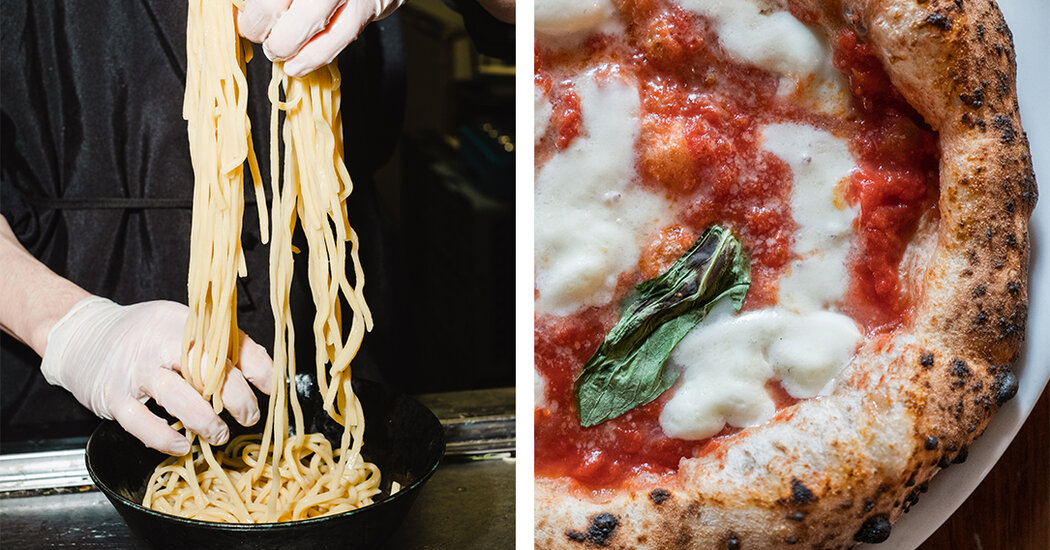
Anya von Bremzen's new book, "National Dish," explores how certain foods like pizza and ramen become symbols of their places of origin. Von Bremzen's journey takes her through five cities and countless restaurants, kitchens, and bars as she nibbles her way to an answer. Along the way, she talks to star chefs, food bloggers, agricultural scientists, and culinary historians. The book is a fast-paced, entertaining travelogue, peppered with compact history lessons that reveal the surprising ways dishes become iconic.
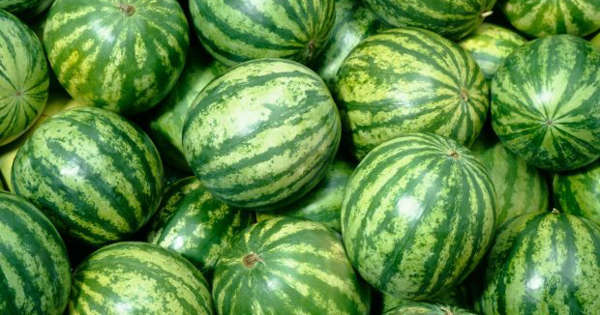
To pick a perfectly ripe, sweet and crisp watermelon, avoid the myths of the knock test, straw test, and relying on the rind. Instead, look for a watermelon that is free of dents, bumps, punctures, and gashes, and is heavy for its size. Turn the watermelon over to find the buttery yellow "ground spot" where it lay when ripening in the sun. A pasty or sunflower yellow ground spot indicates an imperfect watermelon. However, the only foolproof method is to slice it open.