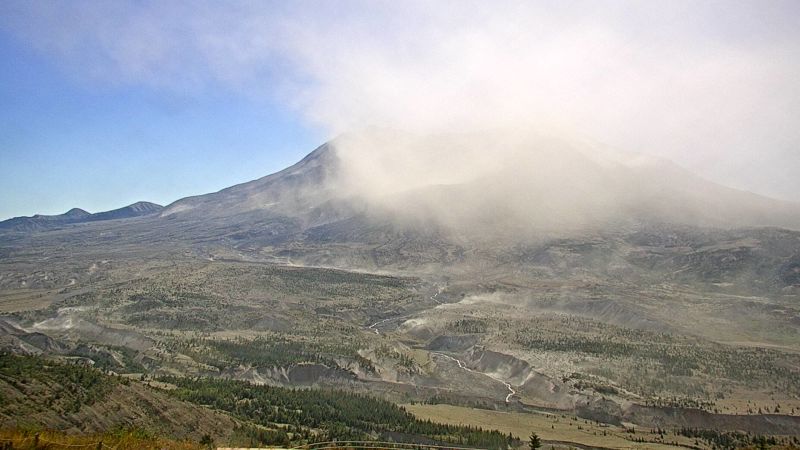
Mount St. Helens' Ash Remnants Resurface Amidst Windy Conditions
A wind-driven event stirred up old ash deposits at Mount St. Helens, creating a plume that resembled an eruption but was harmless, with no signs of renewed volcanic activity.

All articles tagged with #mount st helens
A wind-driven event stirred up old ash deposits at Mount St. Helens, creating a plume that resembled an eruption but was harmless, with no signs of renewed volcanic activity.
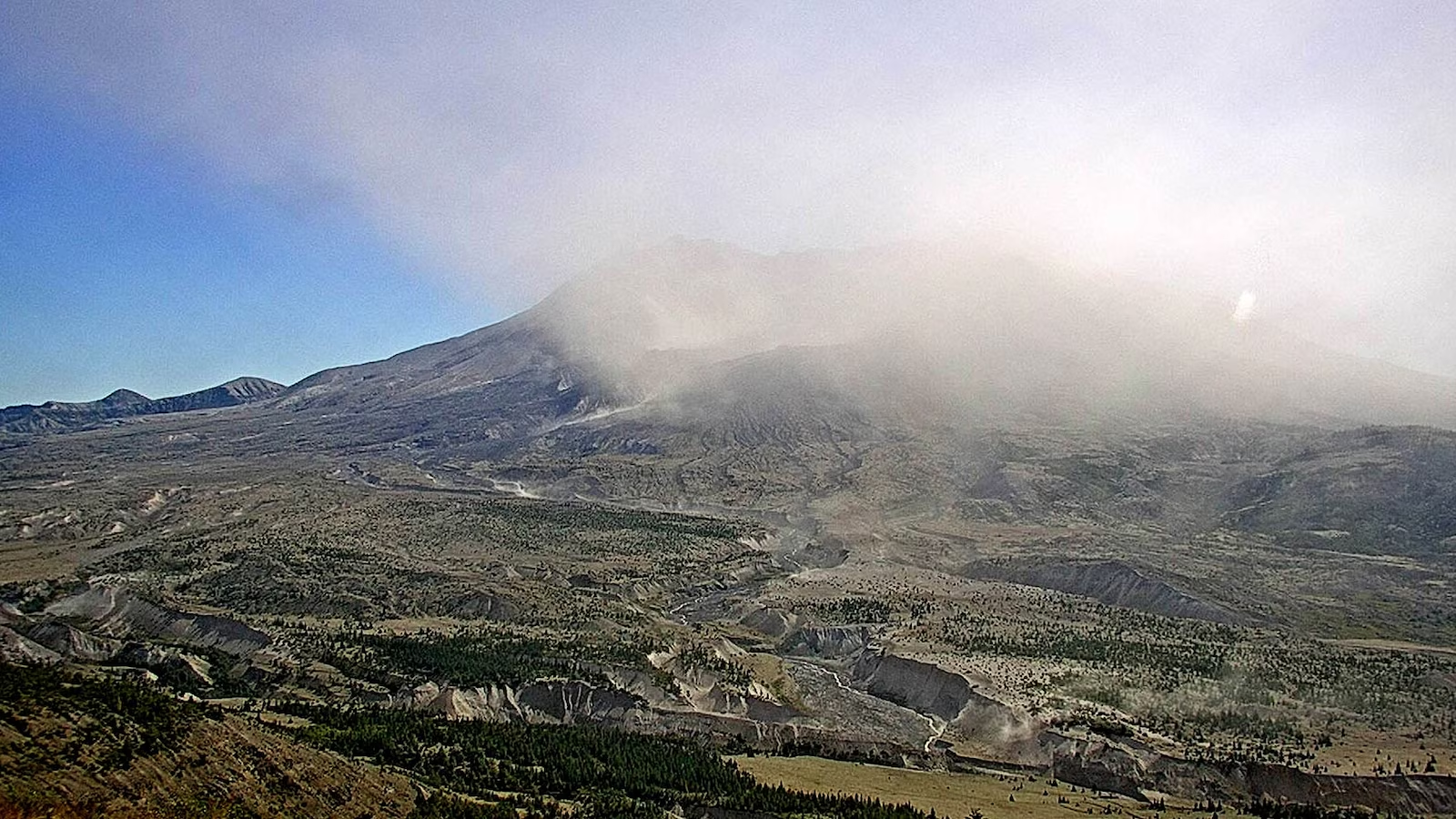
Strong winds in Washington have stirred up ash from the 1980 Mount St. Helens eruption, causing hazy conditions and potential hazards for aircraft and health, though the volcano remains at a normal alert level and no recent eruption has occurred.
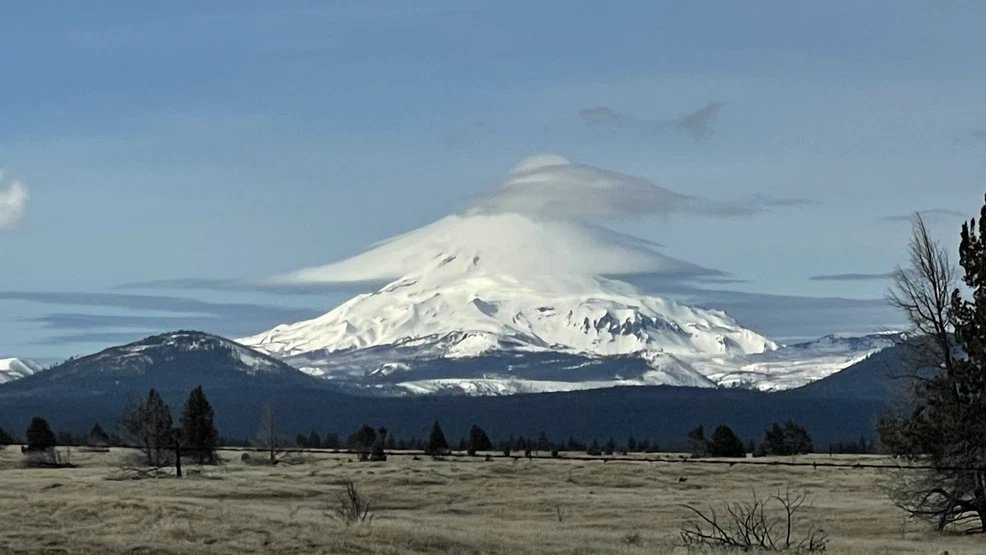
Scientists study the diverse behaviors of Cascade volcanoes, which are part of the Ring of Fire, to better understand their eruption patterns and hazards. The USGS monitors these volcanoes, including well-known ones like Mount St. Helens and less active ones like Mount Adams, using seismic data and hazard assessments to prepare for potential eruptions and protect communities.
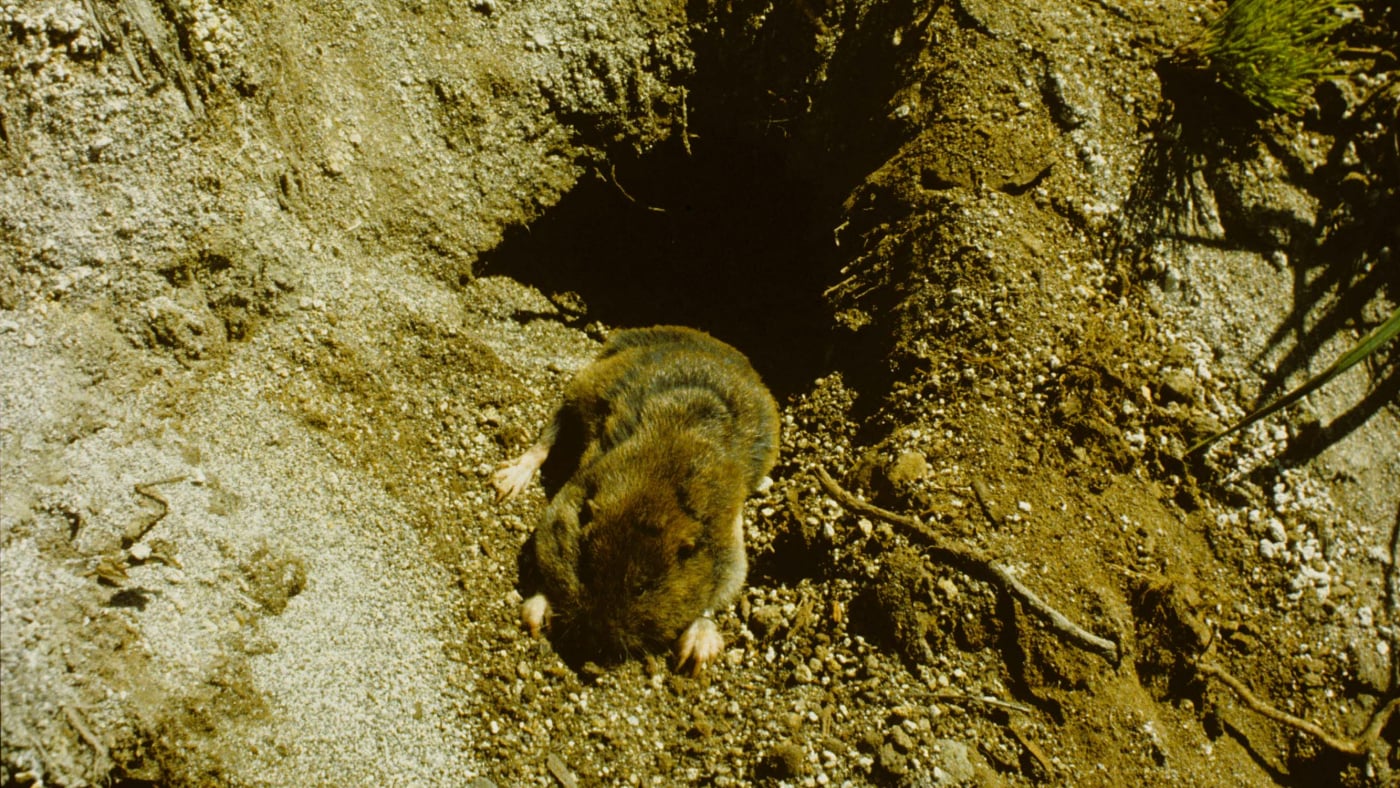
After the 1980 eruption of Mount St. Helens, scientists introduced pocket gophers to the devastated landscape to study their impact on ecosystem recovery. Despite their brief 24-hour stay, the gophers' digging and the introduction of spores and fungi significantly boosted plant growth, transforming barren areas into thriving ecosystems over decades. This experiment highlights the potential of using natural processes to aid habitat recovery after environmental disasters.
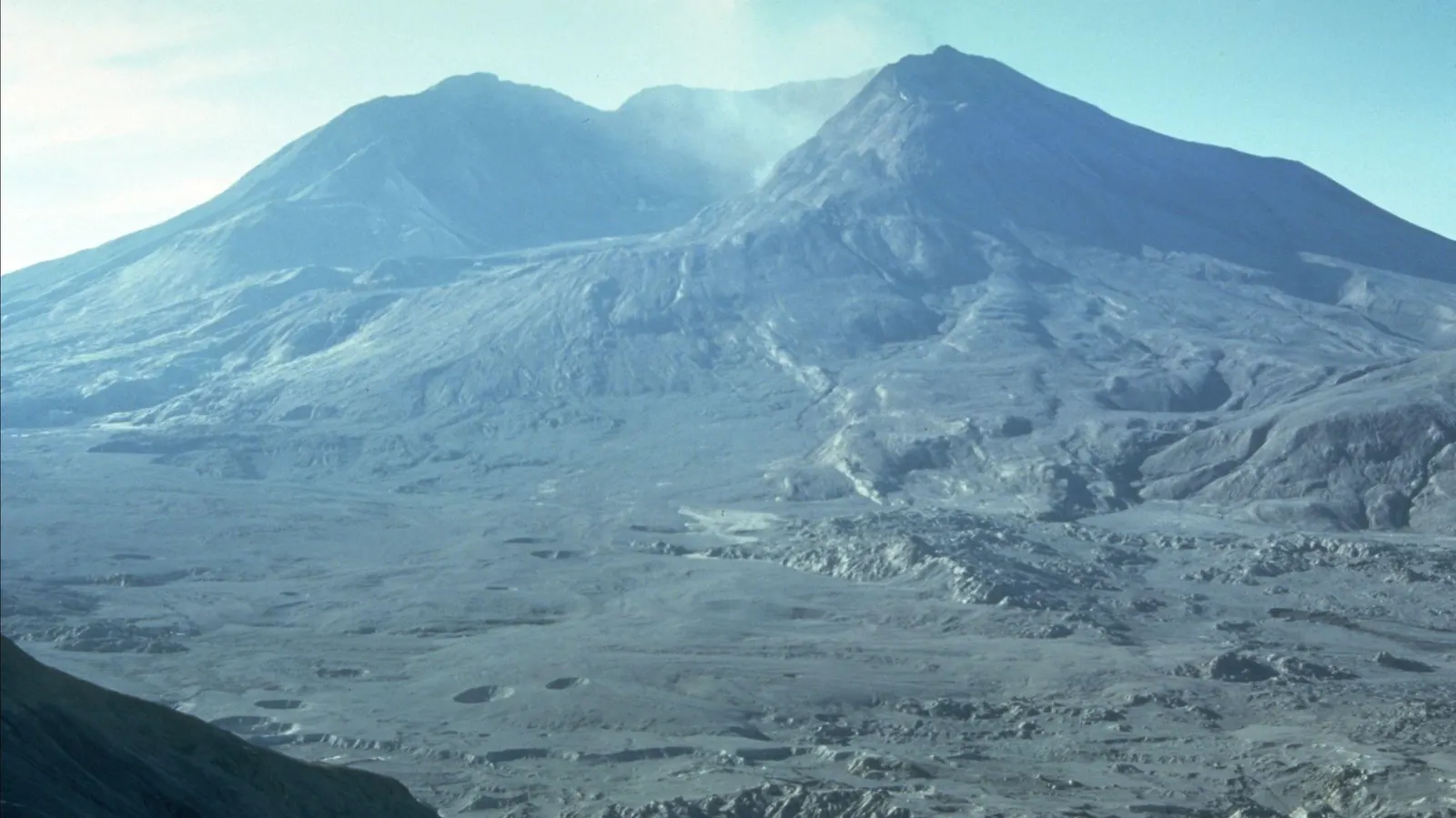
Scientists have discovered that northern pocket gophers can significantly aid in the restoration of devastated landscapes, such as Mount St. Helens after its 1980 eruption. By burrowing, these rodents help distribute beneficial microbes, including mycorrhizal fungi, which enhance plant growth and resilience. This process has led to a remarkable recovery of plant life in areas where gophers were introduced, highlighting the critical role of microbial communities in ecosystem recovery.

After the 1980 eruption of Mount St Helens, scientists introduced gophers to the area for a day to aid in ecosystem recovery. The gophers' digging activities helped bring nutrient-rich soil to the surface, fostering plant growth. Over 40 years later, areas with historic gopher activity show more diverse bacterial and fungal communities compared to surrounding forests. The study highlights the crucial role of fungi in nutrient cycling and ecosystem recovery, as evidenced by the rapid regrowth of nearby forests. The findings are published in Frontiers in Microbiomes.
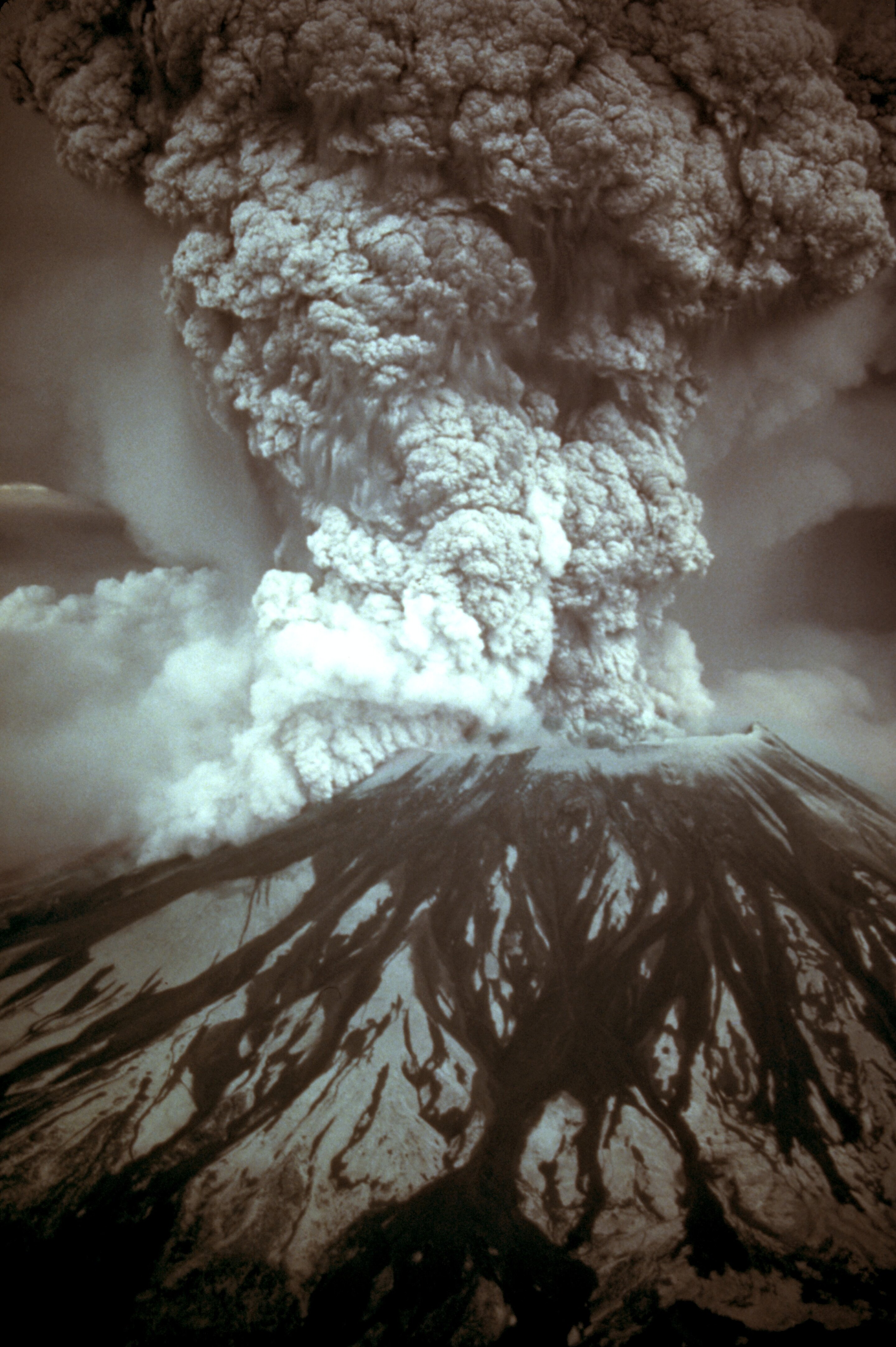
After the 1980 eruption of Mount St. Helens, scientists introduced gophers to the devastated landscape to test their potential in aiding ecological recovery. The gophers' activity helped bring beneficial bacteria and fungi to the surface, significantly enhancing plant regrowth. This experiment, initially intended to observe short-term effects, has shown lasting benefits, with the gopher-affected areas still thriving 40 years later. The study highlights the critical role of microbes and fungi in ecosystem recovery, as seen in the contrasting regrowth between old-growth and clearcut forests affected by the eruption.
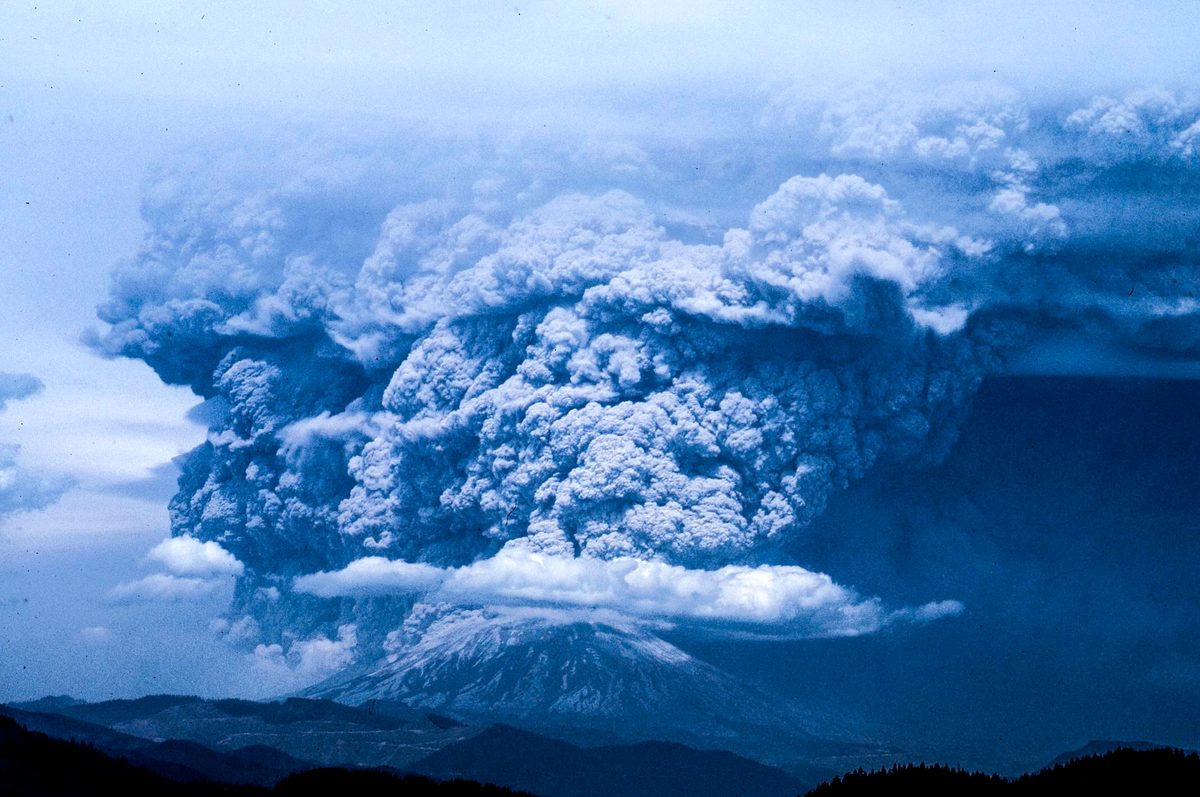
After the 1980 eruption of Mount St. Helens, scientists introduced gophers to the devastated landscape to aid in ecological recovery. The gophers' burrowing activities helped unearth beneficial microbes and fungi, significantly enhancing soil health and biodiversity. A recent study highlights the long-term positive impact of this intervention, showing increased microbial activity and plant growth in areas where gophers were introduced. This underscores the crucial role of soil microbes and fungi in ecosystem restoration.
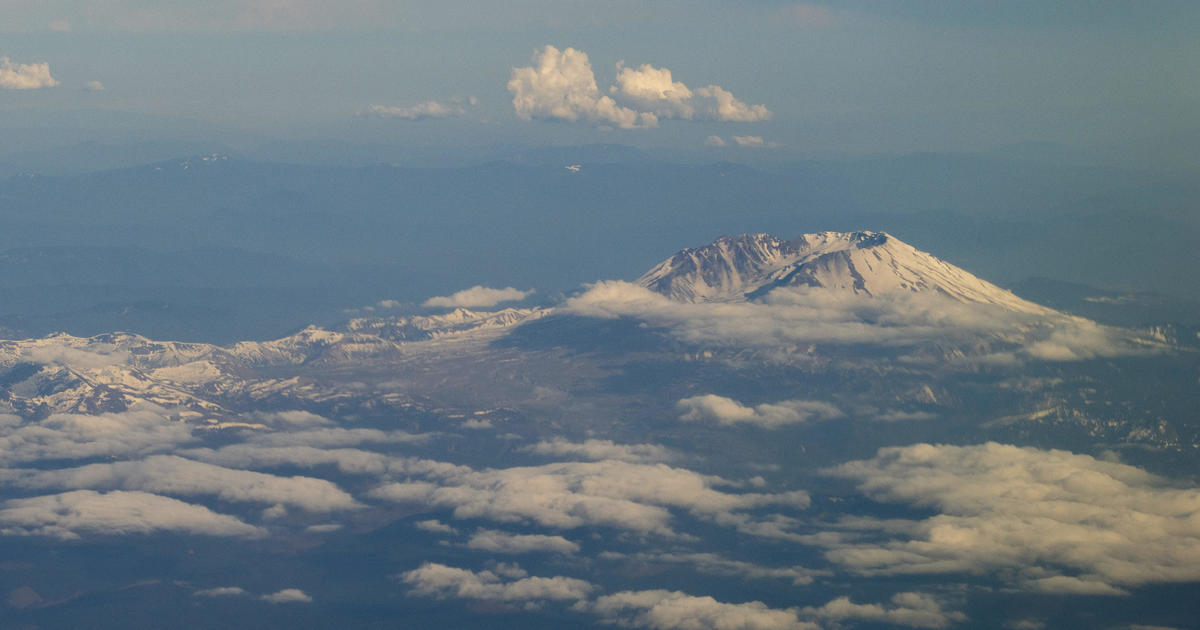
An experienced climber, Roscoe "Rocky" Shorey, was found dead inside the crater of Mount St. Helens after falling roughly 1,200 feet from the summit while attempting to snowboard. The 42-year-old had successfully reached the summit 28 times before and encountered an icy ridge that broke off near the rim, causing the fatal fall. His body was discovered by other climbers, and the Northwest Avalanche Center confirmed the incident as an avalanche fatality. Mount St. Helens, an active stratovolcano in Washington state, continues to attract visitors despite the dangers, with permits required for climbers to summit past 4,000 feet.

Experienced climber Roscoe "Rocky" Shorey was found dead within the crater of Mount St. Helens after a fall triggered by a snow cornice avalanche. The 42-year-old from Washougal, Washington, had successfully summited the mountain 28 times before the fatal accident. Shorey, known for his adventurous spirit, was a private guide and employed at a skydiving company. His body was recovered by a Volcano Rescue Team, and friends held a memorial summit in his honor.
Spirit Lake in Washington, once devastated by the 1980 eruption of Mount St. Helens, has taken on a new heart-like shape and higher elevation due to the formation of a "new" lake atop debris from the landslide. Tourist attractions from the past are now buried beneath the modern lake, and access is limited to preserve the site for scientific study of the landscape's recovery, including the impact of uprooted trees on the lake's ecosystem.

A collection of 19 incredible pictures that will blow your mind, including before and after shots of Mount St. Helens, the Space Shuttle Endeavour leaving Earth, Titanic survivors, a turtle's skeleton, the Statue of Liberty from the back, and more.