Tag

Motor Control

All articles tagged with #motor control

science3 months ago

Neural Mechanisms Regulating Fly Leg Movement and Balance

Researchers discovered that nerve cells sensing limb motion in fruit flies are turned off during movement, allowing the brain to switch between stabilizing posture and enabling dynamic action. This neural circuit, involving interneurons, helps balance stability and movement, with potential implications for treating human motor disorders and injury recovery.

neuroscience1 year ago

"Unveiling the Mysteries of the 'Little Brain': What Scientists Have Discovered"

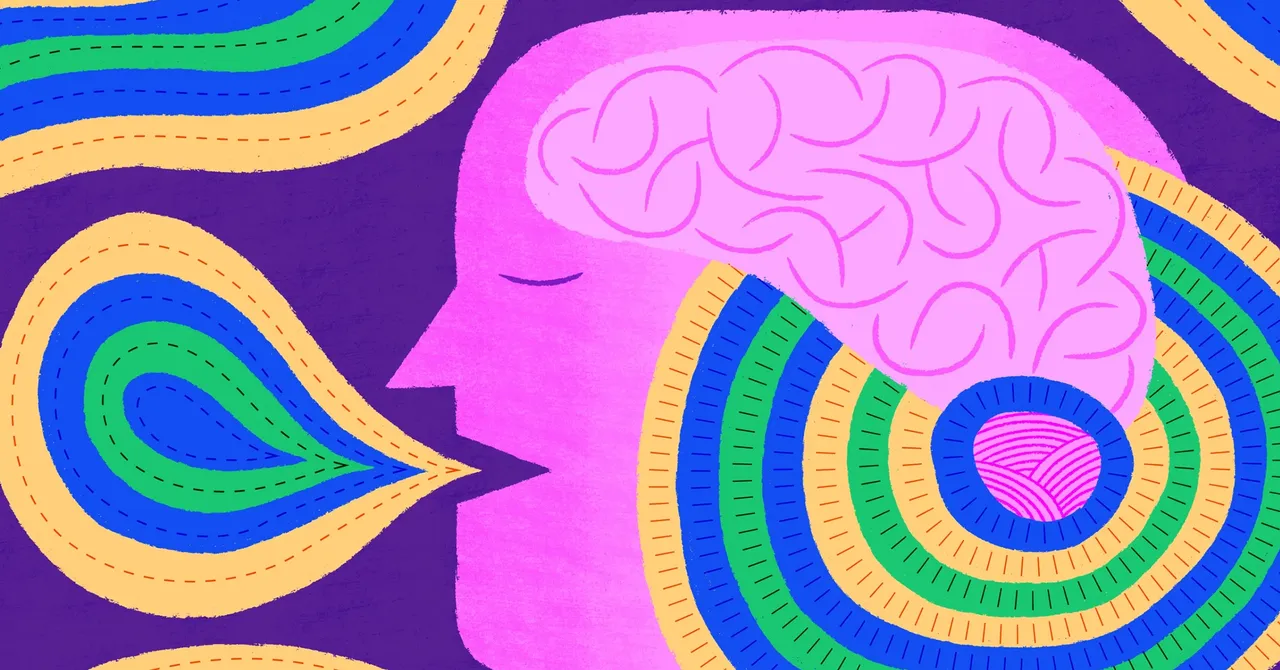
Despite being long believed to primarily control movement, the cerebellum, containing three-quarters of the brain's neurons, is now suspected to regulate complex behaviors, social interactions, aggression, working memory, learning, and emotion. Recent research and clinical studies have revealed cognitive and emotional deficits in patients with cerebellar damage, challenging the traditional view of its function and prompting neuroscientists to explore its newly discovered roles beyond motor control.

health-research1 year ago

Study Shows Cannabis Use Boosts Brain Effort in Motor Tasks

A new study published in Human Brain Mapping suggests that regular cannabis users may require more brain activity to perform simple motor tasks, despite performing equally well as nonusers. The study used magnetoencephalography to compare neural oscillations in regular cannabis users and nonusers while they performed a motor sequencing task, finding stronger beta frequency band oscillations in the cannabis users during the execution phase of the task. The researchers speculate that these stronger neural oscillations may reflect a compensatory mechanism to maintain normal motor performance despite potential impairments caused by cannabis, but caution that these differences in brain activity may be precursors of future behavioral deficits.

science2 years ago

"Uncovering the Connection: Self-Driving Cars, Roundworms, and Salt Navigation"

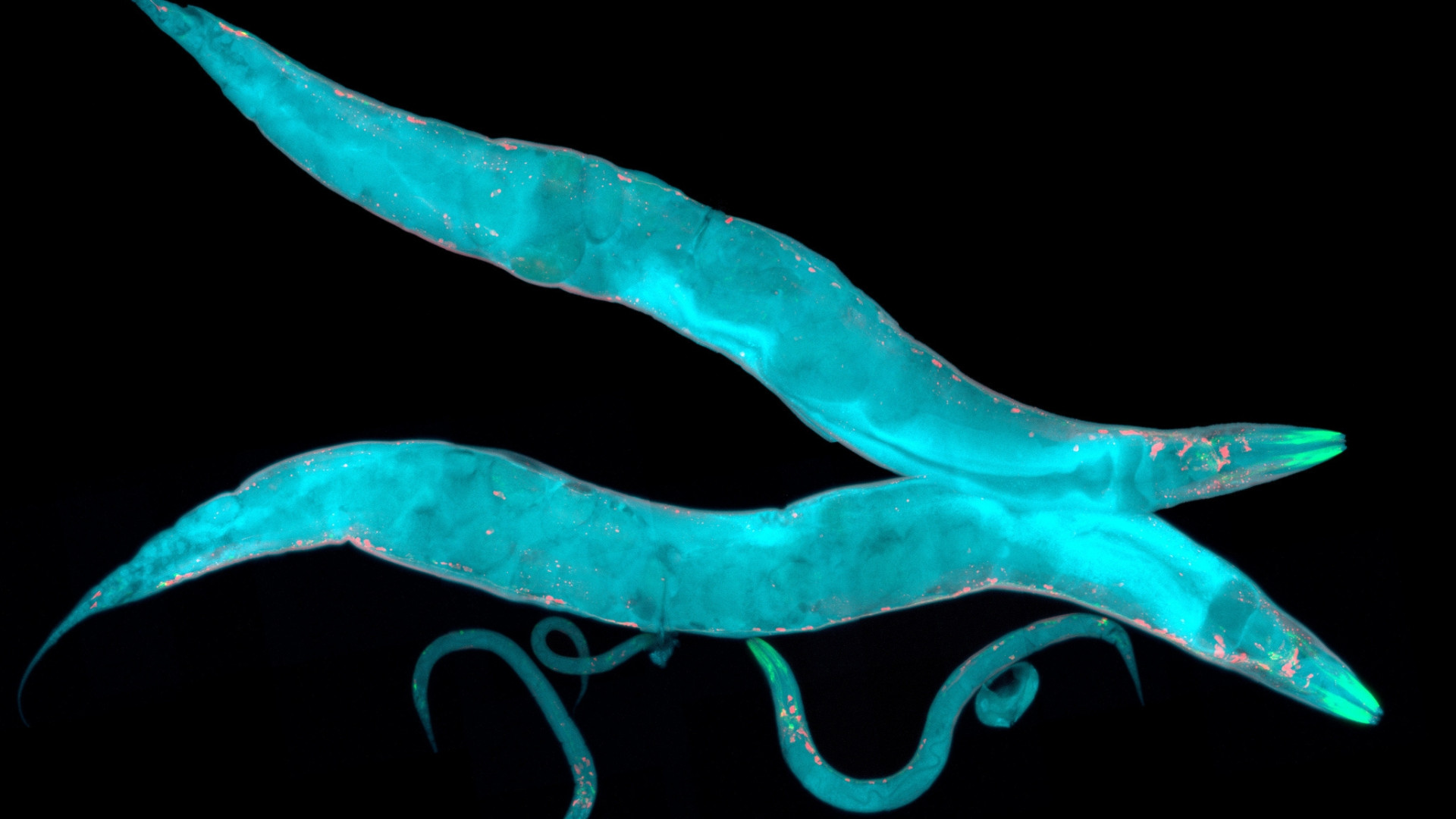
Biologists at the University of Tokyo conducted a study using roundworms to understand how animals integrate sensory information and motor control, shedding light on the complex process that even the simplest animals can perform effortlessly, which humans struggle to replicate. This research could have implications for the development of self-driving cars and other technologies that require seamless integration of sensory data for autonomous movement.

neuroscience2 years ago

Unveiling the Brain's Secret Locomotion Control Hub

Researchers have discovered key mechanisms in the brain that control movement initiation, particularly in the mesencephalic locomotor region (MLR). By utilizing the transparency of zebrafish larvae brains, the study mapped the neuronal circuits responsible for triggering forward motion. The stimulation intensity of the MLR was found to correlate with the vigor of movement in zebrafish, offering potential insights into gait transitions in various animals. This discovery has significant implications for understanding motor deficiencies, such as those seen in Parkinson's disease patients.

health2 years ago

The Genetic Role of Intense Exercise in Halting Parkinson's Disease Progression

Intensive exercise has been found to slow the progression of Parkinson's disease by influencing brain plasticity, according to a new study. The research reveals a novel mechanism where exercise, when initiated in the early stages of the disease, induces lasting beneficial effects on motor control, even after discontinuing training. Intensive physical activity reduces the spread of pathological alpha-synuclein aggregates, a key contributor to neuron dysfunction in Parkinson's disease. The study highlights the role of Brain-Derived Neurotrophic Factor (BDNF), a growth factor whose production is boosted by exercise, in improving neuronal response to stimuli. This research could lead to non-pharmacological treatment approaches for Parkinson's disease.

health2 years ago

The Difference Between Feeling Tired and Being Physically Depleted

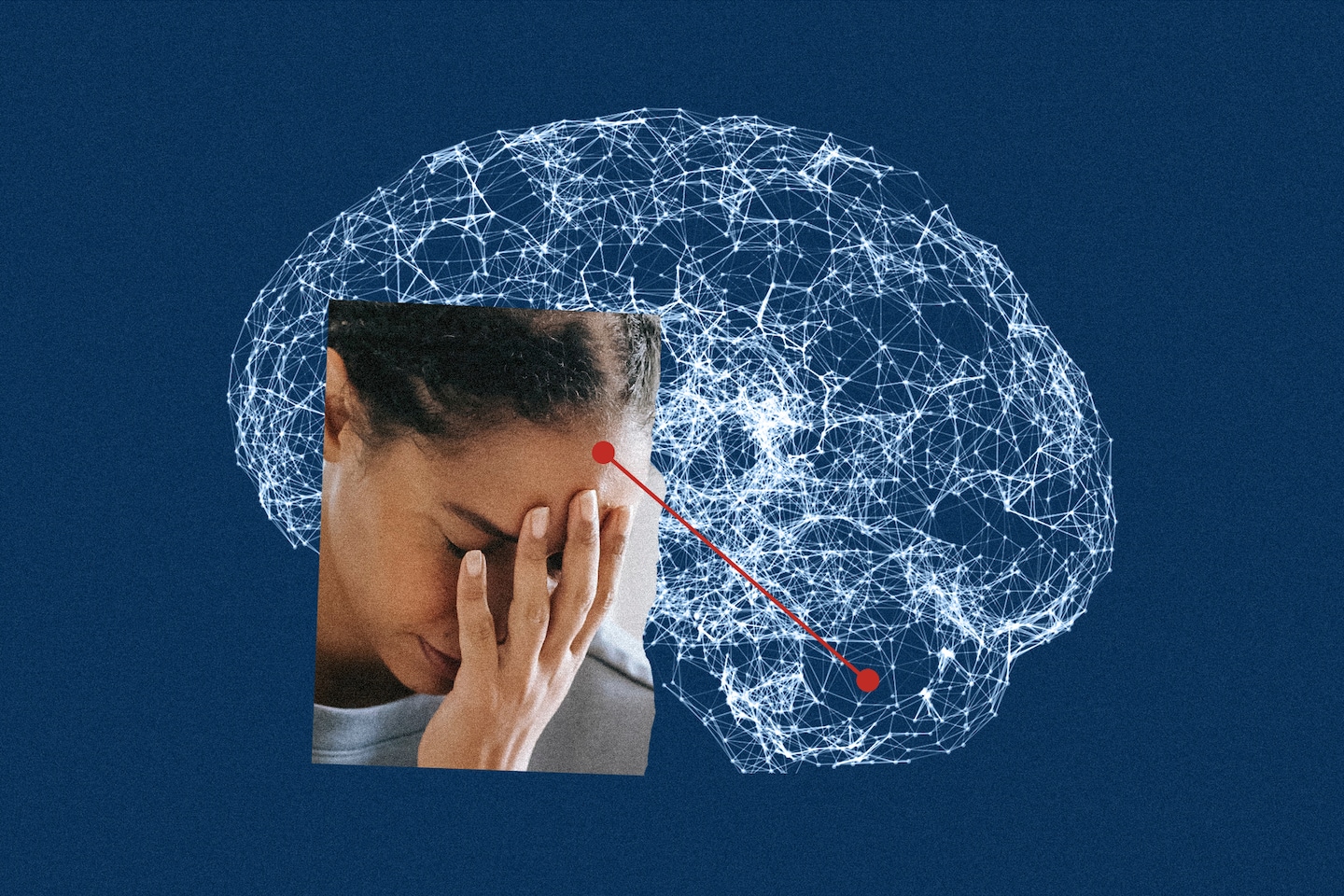
New research suggests that redefining fatigue, and understanding how a brain region known as the cerebellum processes fatigue, may hold clues for better treatment. The study shows that performance fatigue, also known as “fatigability” — an objective measurement of a person’s ability to do a physical or cognitive task — can be different from the perception of fatigue — a person’s subjective assessment of the fatigue they feel. Using more specific language — fatigability vs. perception of fatigue — to describe experiences of fatigue can be helpful in devising treatments.