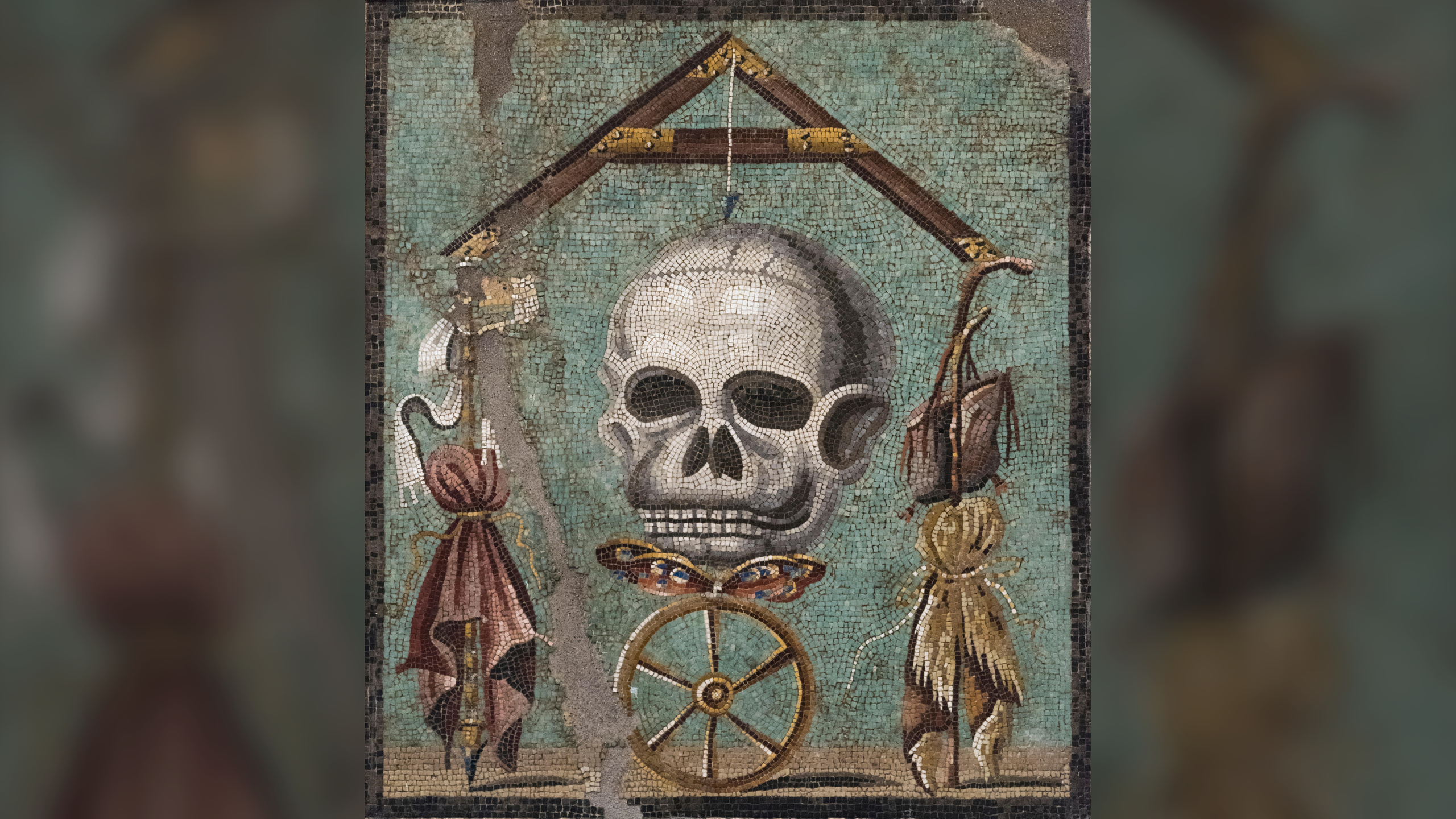
A 50 B.C. mosaic from Pompeii called Memento Mori depicts a skull, a level, and symbols of wealth and poverty, serving as a reminder of mortality and equality in death, and was found in a house that also operated as a tannery.
The S&P 500 fell 0.3% as nuclear stocks slumped after the Federal Energy Regulatory Commission blocked a power deal between Talen and Amazon, impacting Constellation Energy and Public Service Enterprise Group. Meanwhile, Mosaic shares rose 5.4% following Belarus's proposal to cut potash production, and Sherwin-Williams gained 4.6% on news of its inclusion in the Dow Jones Industrial Average. United Airlines shares dropped 4% amid rising crude oil prices.
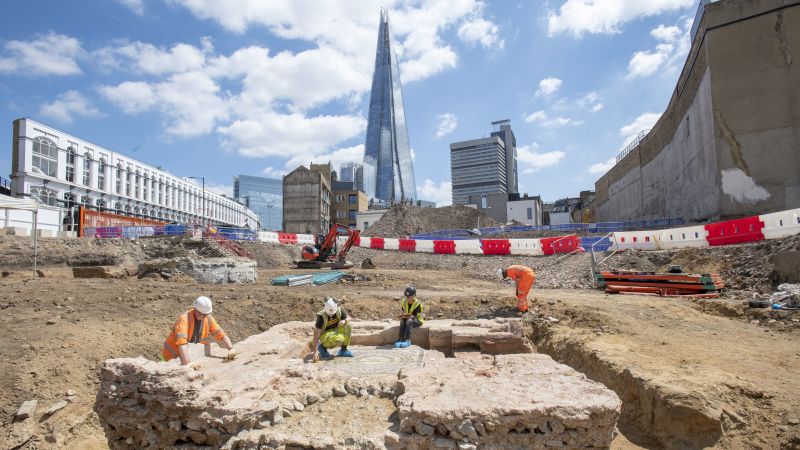
An "incredibly rare" Roman mausoleum has been discovered beneath a south London construction site, described as "the most intact Roman mausoleum ever to be discovered in Britain," featuring interior flooring and a "striking mosaic." The discovery was made during the excavation of a planned construction site near the tourist hotspots of Borough Market and London Bridge. The mausoleum will be restored and put on public display.
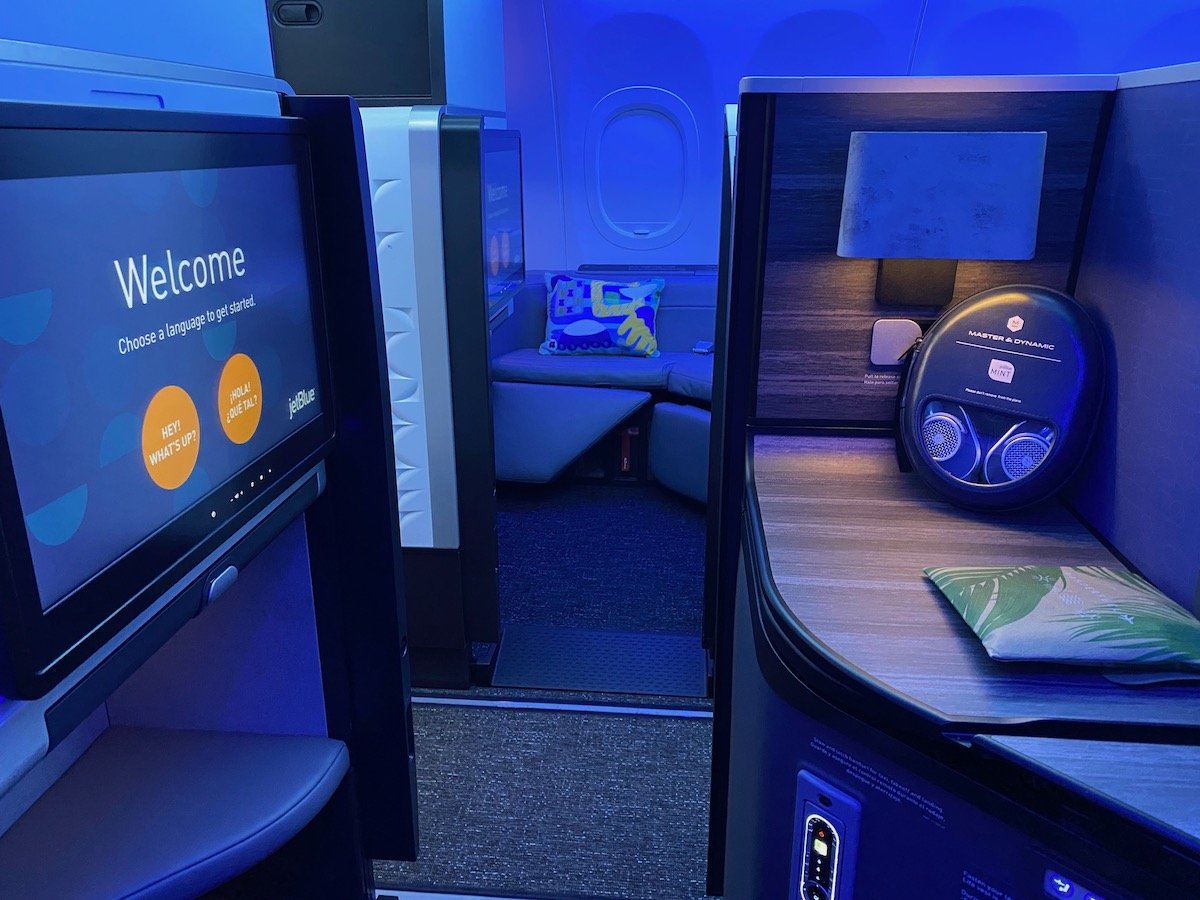
JetBlue makes it difficult to upgrade to its premium business class product, Mint, without paying outright. The only ways to upgrade are to use JetBlue Mosaic Mint upgrade certificates or to buy a Mint upgrade at the gate. JetBlue does not sell upgrades to Mint in advance or allow points to be used for upgrades. TrueBlue Mosaic members can earn up to six Mint upgrade vouchers per year. JetBlue Mint offers fully flat beds and exceptional soft product, making it one of the best premium products in the US.
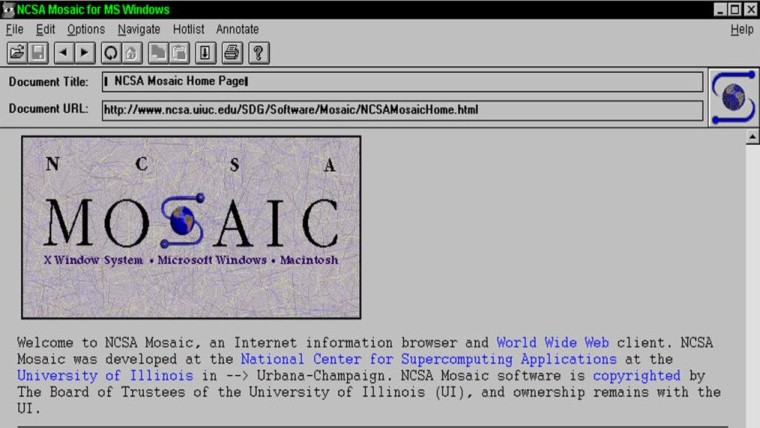
The Mosaic web browser, launched 30 years ago this month, combined text and images in the same window and allowed users to click on hyperlinks to go to other pages or sites. It was a major innovation that made looking at websites like reading a magazine page. Mosaic's features of combining words and images on one web page, its use of embedded hyperlinks, and its standard UI are the basics for all web browsers released afterwards. Its impact on the growth of the web and its impact on daily life shows the kind of dramatic payoff that NSF investments in computer science research can have for all areas of science and engineering, education and society as a whole.
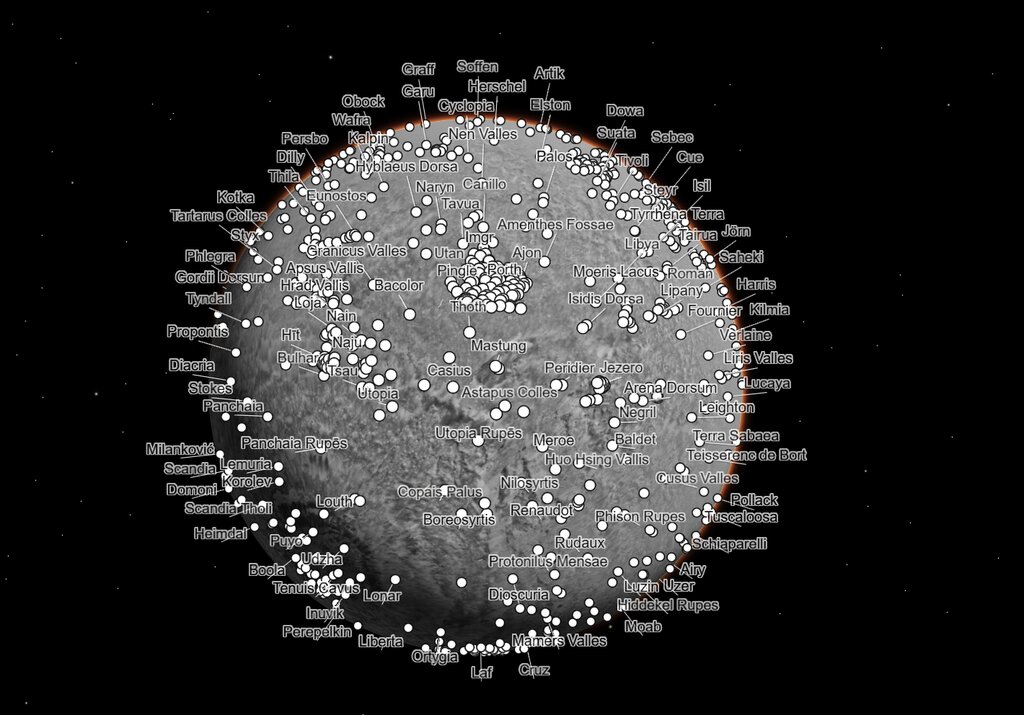
Caltech has created the highest-resolution global image of Mars ever, a 5.7 terapixel mosaic, using data from NASA’s Mars Reconnaissance Orbiter. The mosaic captures cliffsides, impact craters, and dust devil tracks in stunning detail and is accessible to everyone, from scientists to schoolchildren and the general public. The mosaic took six years and tens of thousands of hours to develop and is so detailed that more than 120 peer-reviewed science papers have already cited a beta version. The mosaic is designed to lower the barriers for people who are interested in exploring Mars.
A new interactive mosaic of Mars, composed of 110,000 images from NASA's Mars Reconnaissance Orbiter, allows scientists and the public to explore the planet in vivid detail. The Global CTX Mosaic of Mars is the highest-resolution global image of the Red Planet ever created, covering nearly 270 square feet of surface per pixel. The mosaic took six years and tens of thousands of hours to develop and includes different layers of data that can be turned on or off. It is accessible to everyone and can be used to explore areas being explored by NASA's Curiosity and Perseverance rovers.
Archaeologists in England have discovered a "fantastic" Roman mosaic on land earmarked for a supermarket, suggesting a villa once occupied the site. The colored tiles of the mosaic were unearthed by a team of experts from Oxford Archaeology who were asked to survey the plot of land in the town of Olney, near Milton Keynes in Buckinghamshire, ahead of work to construct an Aldi store on the site. The mosaic still displays "vibrant colours and intricate decorative patterns," according to a press release from Oxford Archaeology.