Tag

Flower Moon

All articles tagged with #flower moon

science-and-space1 year ago

"Catch May's Full Flower Moon Tonight Near a Red Supergiant Star"

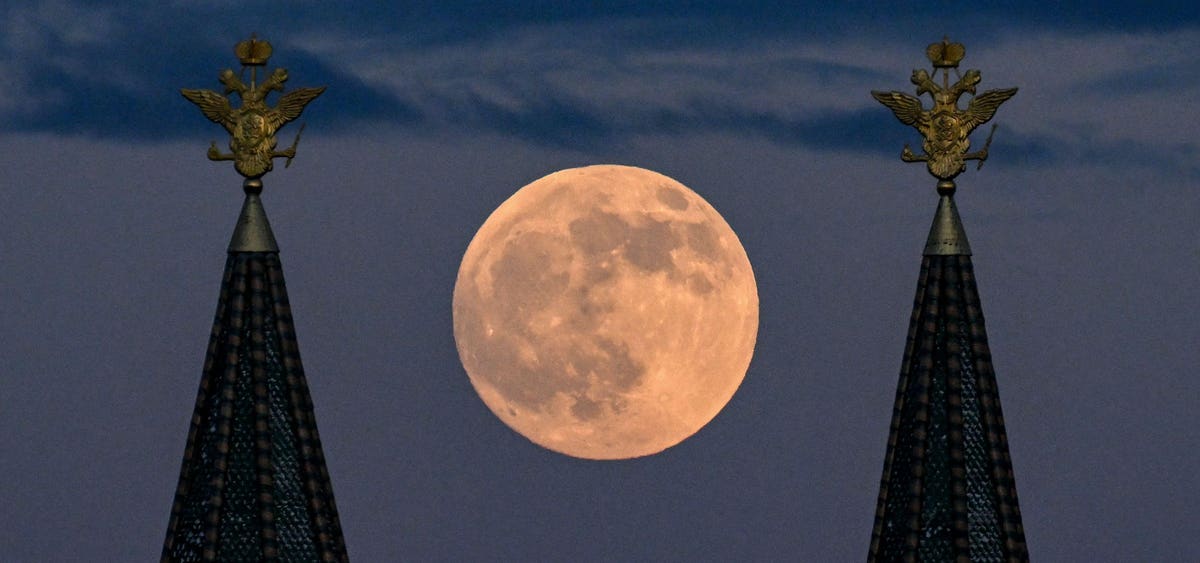
The Flower Moon will rise near the red supergiant star Antares on Thursday night, peaking 50 minutes after sunset. Antares, located 600 light-years away, is nearing the end of its life and will eventually explode as a supernova. The moon will appear full at 9:35am and be visible in the east by 8:35pm ET. This celestial event coincides with the blooming of flowers in May and has historical significance for the Osage Nation.
astronomy2 years ago

"May 2023: A Month of Celestial Wonders"

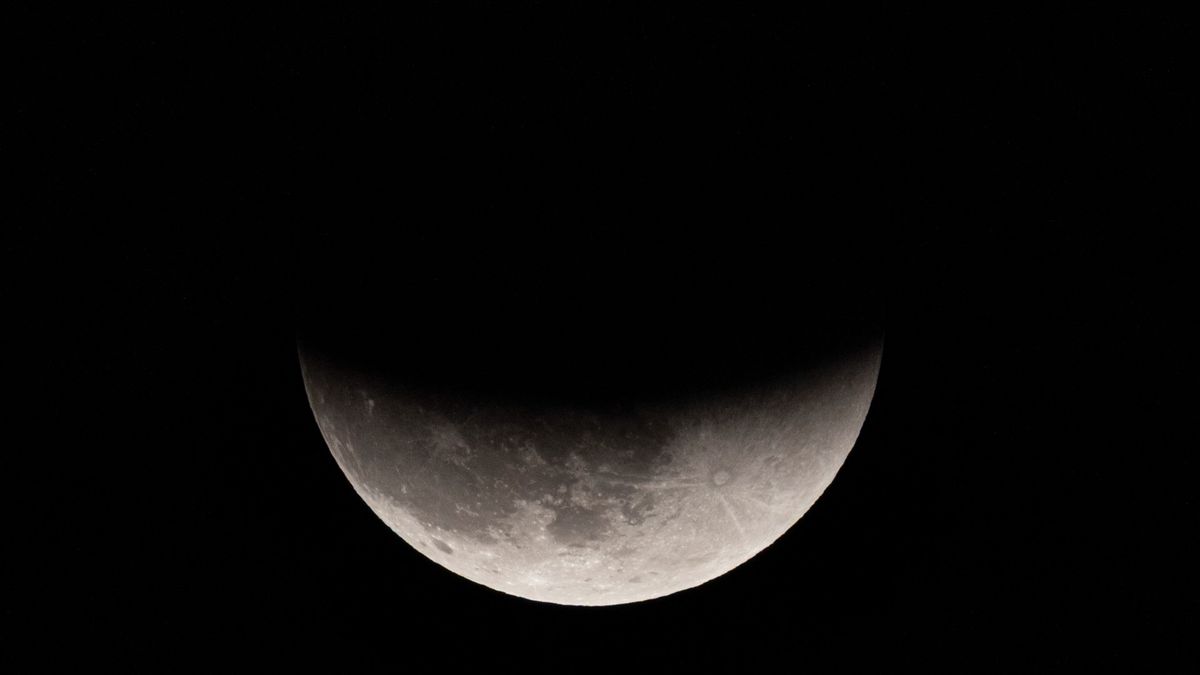
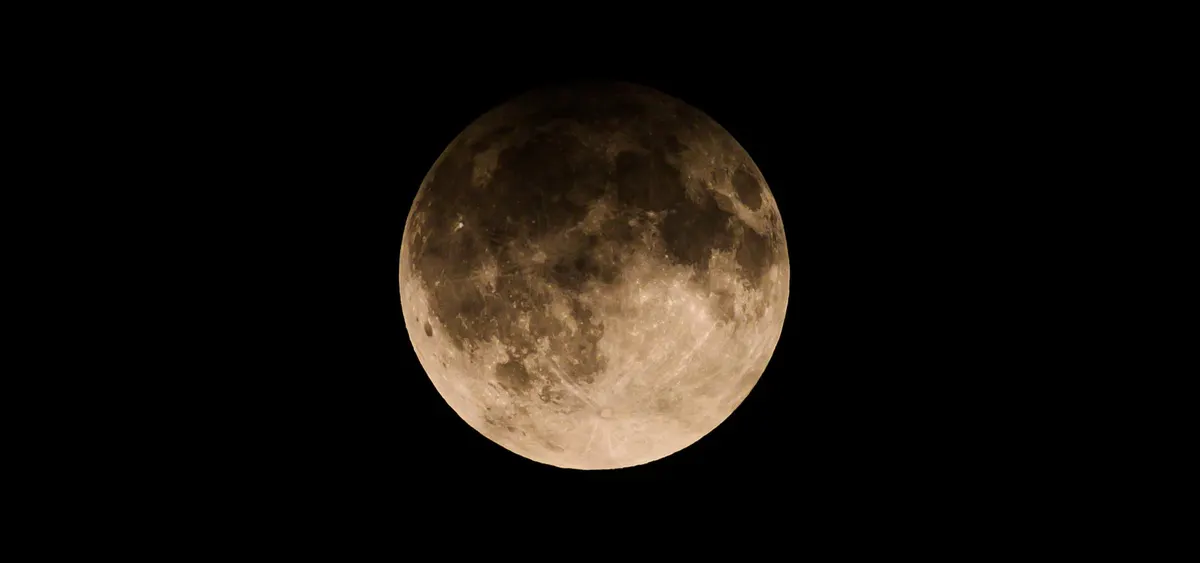
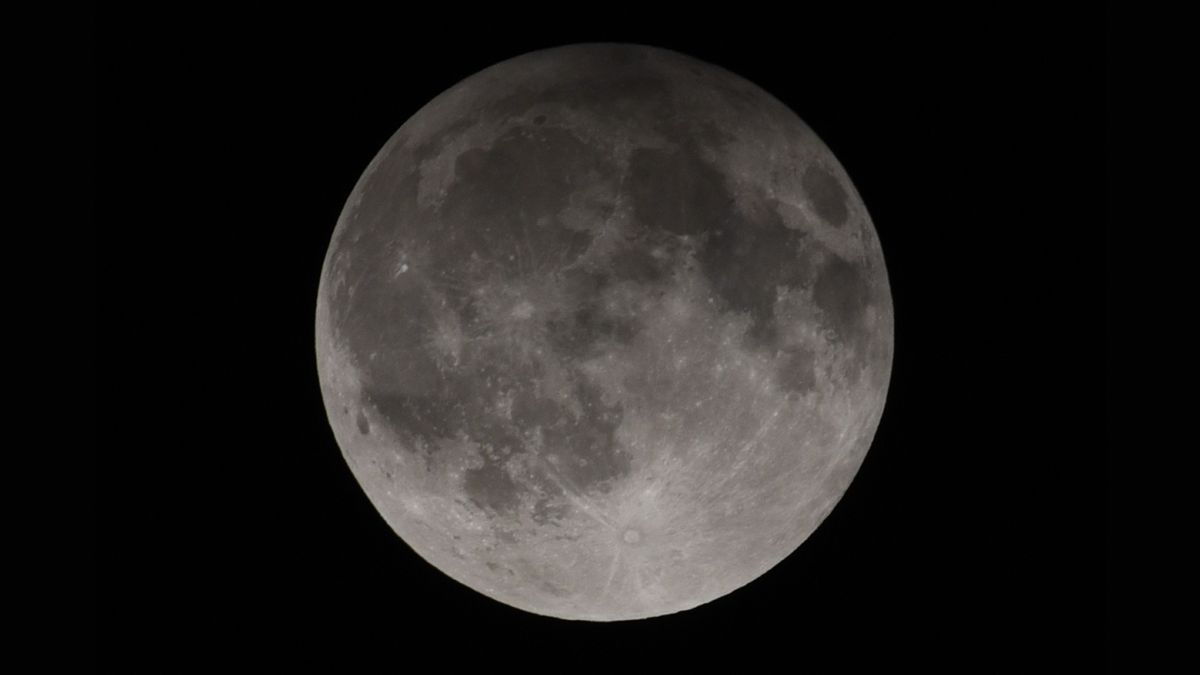
The full "Flower Moon" rose in the sky this weekend, captivating skywatchers around the world. Some parts of the globe saw a penumbral eclipse of the Moon, resulting in a slight dimming of the northern part of the Moon's disk. The eclipse was the deepest of its kind until 2042. The next eclipse of the Moon will occur on May 5/6, 2023, when the edge of the Moon will dip into Earth's umbra to cause a slight partial lunar eclipse. The next total lunar eclipse won't occur until March 13/14, 2025. The next full Moon will be the "Strawberry Moon," which will rise on June 4, 2023.

skywatching2 years ago

May 2023: Witness the Eerie Beauty of the Flower Moon Lunar Eclipse.

Skywatchers in the Eastern Hemisphere and Antarctica witnessed the first lunar eclipse of 2023, a penumbral lunar eclipse of the full Flower Moon on May 5, 2023. While not as dramatic as a total or partial lunar eclipse, it offered skywatchers the chance to visualize the astronomical alignment of the sun, Earth, and the moon in real time. Photographers throughout Asia and the Middle East captured eerie photographs of the eclipse, which appeared as a dark 'smudge' or 'stain' on the outer portion of the moon.

science2 years ago

Rare Lunar Eclipse Turns Full Flower Moon Red

Billions of people across five continents are preparing to witness a rare lunar eclipse, also known as a deep penumbral eclipse or a mil moon, which will occur on Friday when the Earth's shadow is cast on the full Flower Moon. Unfortunately, people in the UK may not be able to see it due to the timing. The May moon marks a time of increasing fertility when temperatures are warm enough for plants to bloom while signalling an end to late frosts.

skywatching2 years ago

Don't Miss the Flower Moon Lunar Eclipse Livestream and Other Space Events This Weekend

A penumbral lunar eclipse will occur on May 5, coinciding with the full Flower Moon. The eclipse will be visible from Australia, Antarctica, Eastern Africa, Oceania, and Asia. The Virtual Telescope Project will host a free livestream of the event, which will begin at 2:45 p.m. EDT (1845 GMT) on May 5. The eclipse will not be as dramatic as a total eclipse, but skywatchers should see a dark gray or brownish shadow across a portion of the face of the moon, covering up to 94.6% of the moon at the eclipse's peak.

astronomy2 years ago

"Mark Your Calendars: When and How to See the Flower Moon and Eclipses in May"

This weekend, the full 'Flower Moon' will be visible all over the world, and parts of the world will be able to view a penumbral lunar eclipse, where the moon drifts into Earth's lighter, outer shadow. The eclipse will take place between 15:14 UTC and 19:31 UTC on May 5, with maximum eclipse at 17:22 UTC. The event will take a total of 4 hours and 18 minutes. The next total lunar eclipse won't happen until March 13 to March 14, 2025.

astronomy2 years ago

May's Celestial Spectacles: Flower Moon, Meteor Shower, Double Star, and Jupiter's Return.

The May full moon, also known as the Flower Moon, will be visible on May 4 and 5, and will be accompanied by the Eta Aquarids meteor shower. Stargazers may also be able to spot the "surprise" double star Zubenelgenubi near the constellation Libra. The full moon's light may diminish the chances of seeing many meteors during the shower's peak, but heightened activity can stretch for several days, providing opportunities to spot meteors leading up to and after the full moon.

astronomy2 years ago

May's Sky Show: Flower Moon, Lunar Eclipse, Meteor Shower, and More!

This Friday, a penumbral lunar eclipse will accompany the Flower Moon, and the peak of the Eta Aquarid meteor shower. However, the Bay Area won't be able to view the eclipse, and the full moon will make it difficult to view the meteor shower. Only the brightest meteors will be visible, with viewers expecting to see only about a dozen per hour. Stargazers are advised to find a dark sky location and look away from the moon to catch a few meteors.

astronomy2 years ago

May's Night Sky: Flower Moon, Meteor Shower, and More!

This week, the full "Flower Moon" will rise and be visible on May 5th, along with a slight lunar eclipse visible in parts of the world. The Eta-Aquarid meteor shower will also occur on May 5th and 6th, but will be dampened by the bright full Moon. Stargazers can also try to spot the Corona Borealis constellation, located between the Bootes and Hercules constellations.