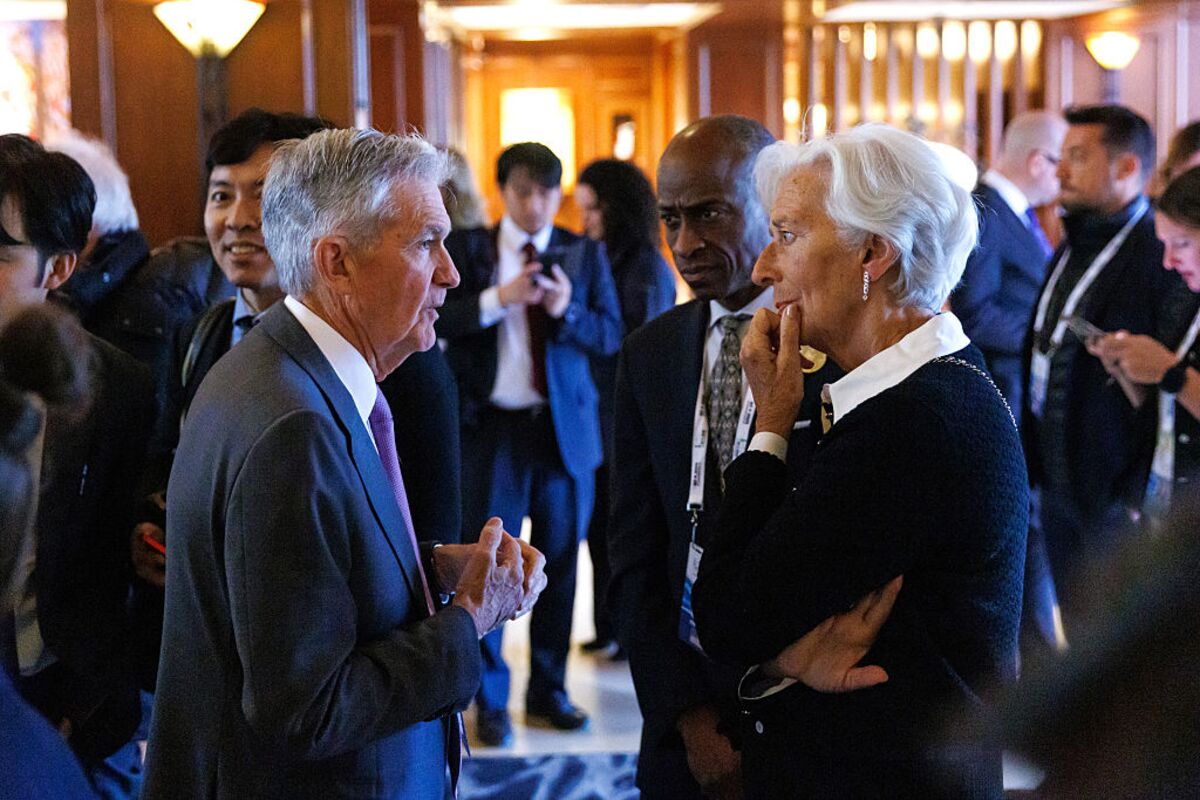
The article discusses how global central bank leaders, including Powell and Lagarde, are navigating economic turbulence caused by political and trade tensions, with a focus on monetary policy decisions amid inflation concerns and economic risks in 2025.
Chinese stocks initially surged on optimism over policy pledges to revive economic growth but later pared gains, reflecting investor caution. The CSI 300 Index rose up to 3.3% before closing with a 0.7% gain, while Hong Kong-listed Chinese firms ended down 0.4%. Investors are awaiting concrete measures from the upcoming Central Economic Work Conference, following the Politburo's commitment to a "moderately loose" monetary policy and proactive fiscal measures. Analysts remain cautious about the potential impact of these policies.
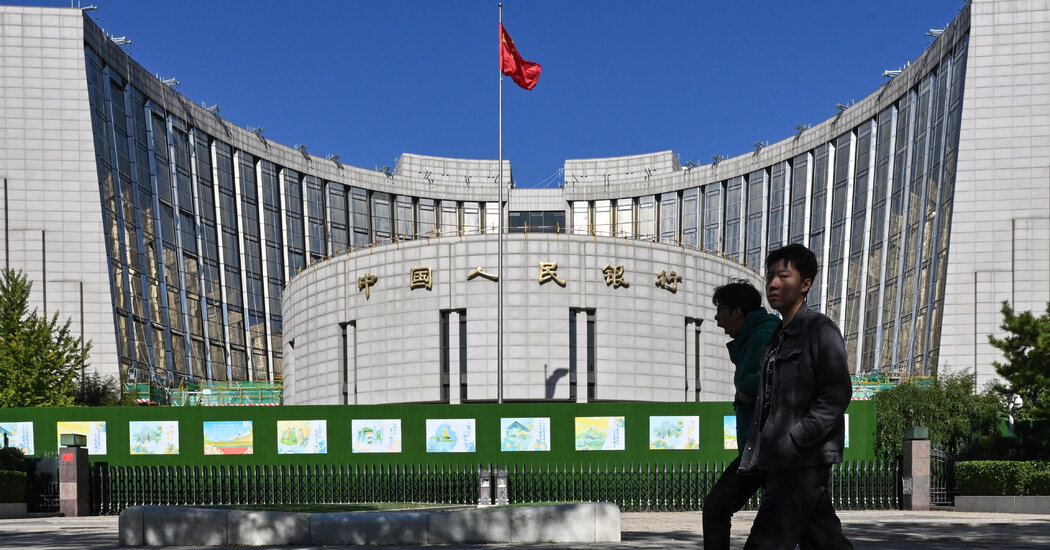
China has eased its overall monetary policy stance for the first time in 14 years, signaling a shift in its economic strategy. This move by the central bank aims to stimulate growth amid global economic uncertainties and domestic challenges. The decision reflects China's efforts to balance economic stability with growth, as it navigates complex financial landscapes.
Federal Reserve Governor Michelle Bowman warned that inflation remains a concern and suggested that interest rates might be closer to a neutral level than currently thought. She emphasized caution in lowering rates to avoid reigniting inflation. Despite some cooling, inflation progress has stalled, and the labor market remains strong. Bowman noted that the neutral policy rate might be higher than pre-pandemic estimates, advocating for a cautious approach to rate adjustments. Her comments have reduced market expectations for a December rate cut.
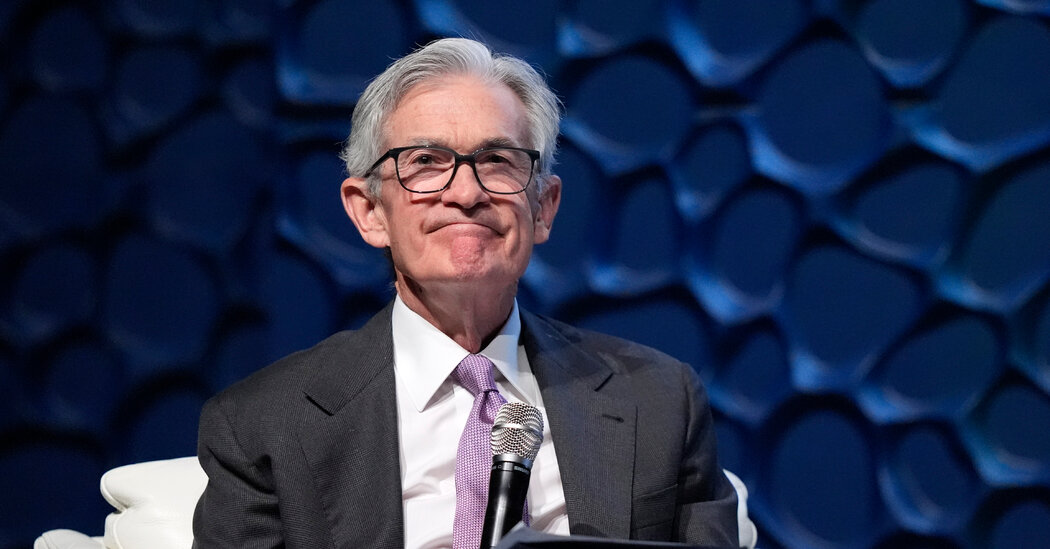
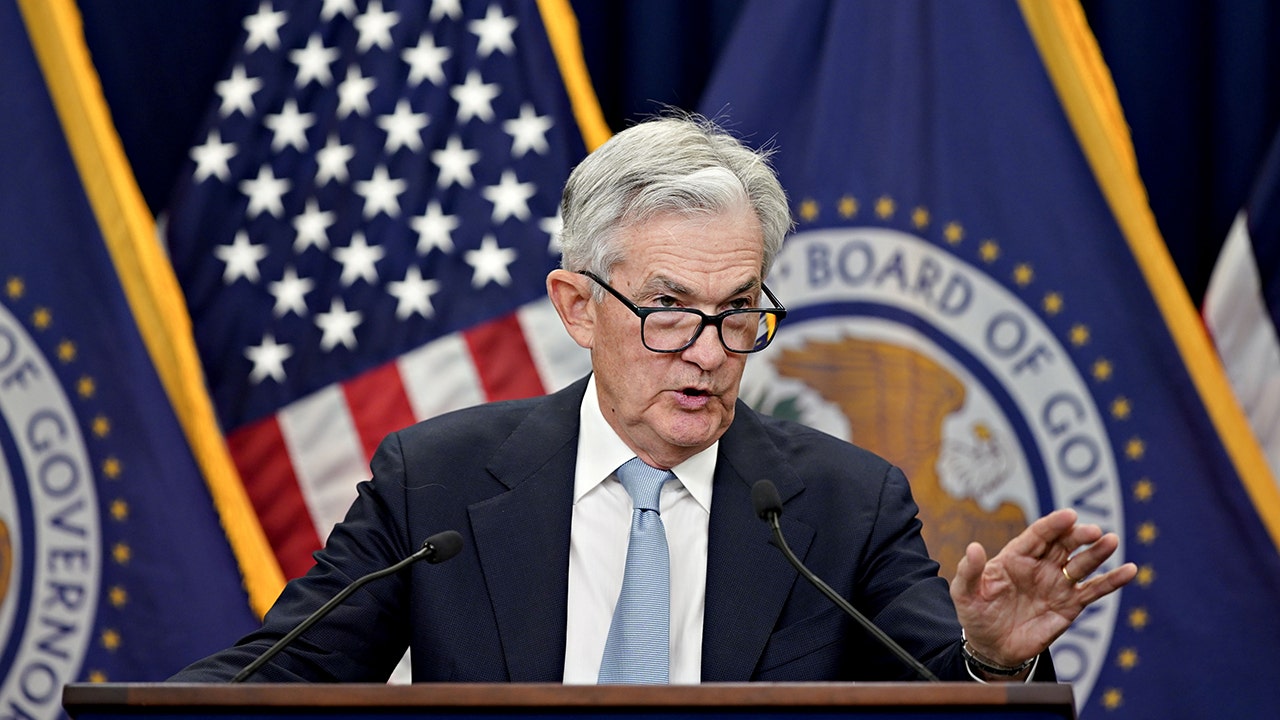
Federal Reserve Chair Jerome Powell stated that there is no urgency to reduce interest rates, indicating a cautious approach to monetary policy adjustments. Powell's comments suggest that the Fed is prioritizing stability and careful assessment of economic conditions before making any rate cuts.
The 10-year Treasury yield dropped by 5 basis points to 4.38% following a consumer price index report that met expectations, indicating a 0.2% monthly and 2.6% annual inflation increase. Investors are also anticipating upcoming producer price index data and a speech by Fed Chair Jerome Powell for insights into future monetary policy. Despite recent market sensitivity due to the election and rate cuts, the focus remains on economic indicators like retail sales and industrial production.
The Federal Reserve has announced another cut in interest rates, aiming to stimulate economic growth and address concerns over slowing economic activity. This move is part of the Fed's ongoing monetary policy adjustments to support the financial markets and maintain economic stability.
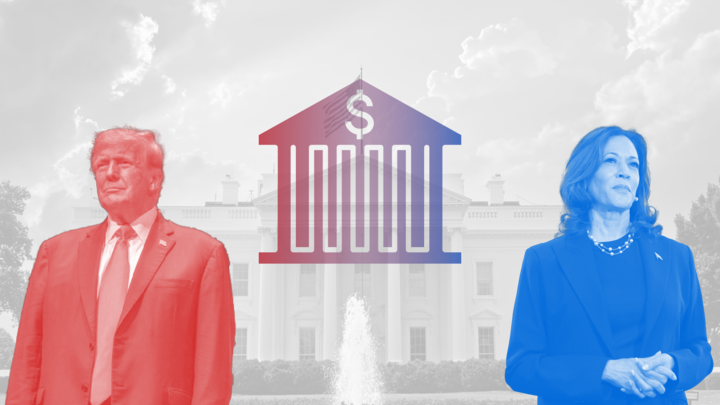
The Federal Reserve, led by Chairman Jerome Powell, faces significant implications from the 2024 presidential election, as the next president will influence key appointments and potentially the direction of U.S. monetary policy. While Kamala Harris suggests a continuation of current policies, Donald Trump, if elected, may introduce more disruption, as seen during his previous term. The Fed's independence could be challenged, with Trump's past criticisms and potential new controls adding uncertainty. The Federal Open Market Committee is also considering a possible interest rate cut amid these political dynamics.
Dallas Fed President Lorie K. Logan, in her speech at the annual meetings of the International Banking, Economics and Finance Association and the American Economic Association, discussed the current state of the economy, the progress made in reducing inflation, and the ongoing rebalancing of the labor market. She highlighted the risks of premature easing of financial conditions and the importance of maintaining restrictive financial conditions to ensure price stability. Logan also addressed the Fed's balance sheet reduction and the smooth functioning of money markets, emphasizing the need for liquidity redistribution and considering the pace of asset runoff. She concluded by acknowledging the SEC's adoption of broader central clearing for Treasury market transactions, suggesting that the Fed consider the benefits of central clearing for its own operations.
Euro zone inflation rose to 2.9% in December, higher than the previous month's 2.4%, but slightly below the forecasted 3%. Core inflation, excluding volatile items like energy and food, showed a slight decrease. The increase in headline inflation is partly attributed to lessening declines in energy prices. This development fuels discussions about the European Central Bank's (ECB) interest rate policies, with markets anticipating rate cuts before summer, despite the ECB's caution due to potential wage pressures and geopolitical risks.
The upcoming U.S. December jobs report is anticipated to show an increase of 150,000 jobs, potentially influencing the Federal Reserve's monetary policy and impacting market volatility. A stronger labor market could lead to a delay in expected rate cuts, supporting the U.S. dollar and Treasury yields while potentially pressuring gold prices and stocks. Conversely, weaker job growth and wage moderation may prompt a more dovish Fed stance, possibly resulting in lower yields, a weaker dollar, and a rally in gold and risk assets. The report's outcome is crucial for investors as it could guide the Fed's next steps in terms of monetary policy.
Alberto Musalem has been appointed as the new president and CEO of the Federal Reserve Bank of St. Louis, succeeding James Bullard. Musalem, a seasoned economist with a background at the New York Fed and in asset management, will start on April 2 and serve the remainder of Bullard's term until February 2026. His appointment continues the recent changes in the Fed's policymaking body, and while he won't be a voting member until 2025, his views on monetary policy will become more evident through his public engagements.
The Federal Reserve's December meeting minutes suggest that interest rates, currently at their highest since 2001, may have peaked and could see reductions starting in 2024. Despite a recent decline in inflation, there is significant uncertainty about the timing of rate cuts. The Fed has held rates steady but indicates that if the economy evolves as expected, rates could drop to 4.6% by the end of 2024, with further decreases anticipated in subsequent years. The decision reflects improvements in inflation outlooks, although inflation remains above the Fed's target.
Gold prices dropped significantly after the release of the U.S. Federal Reserve's meeting minutes, which indicated uncertainty about when interest rate cuts might begin. The Fed's minutes suggested that inflation might be easing, but there was still a high degree of uncertainty, and further rate hikes could still occur. This has led to a decrease in the likelihood of early rate cuts, impacting the opportunity cost of holding gold and resulting in a decline in its price. Investors are now looking forward to upcoming U.S. economic data and developments in the Middle East for further market direction.
As we head into 2024, key economic trends to watch include a cooling labor market with job openings decreasing, inflation rates nearing target levels, the possibility of the Federal Reserve cutting interest rates, improving consumer sentiment, and a potential "Goldilocks" scenario for economic growth. Corporate profit margins remain high, and interest expenses for companies are stable despite rising rates. Analysts expect S&P 500 earnings to grow, and stock market trends suggest a potential continuation of the bull market, with historical patterns indicating positive returns in election years and following market rebounds. However, uncertainty remains a constant factor, with the potential for unforeseen events to impact the economy and markets.