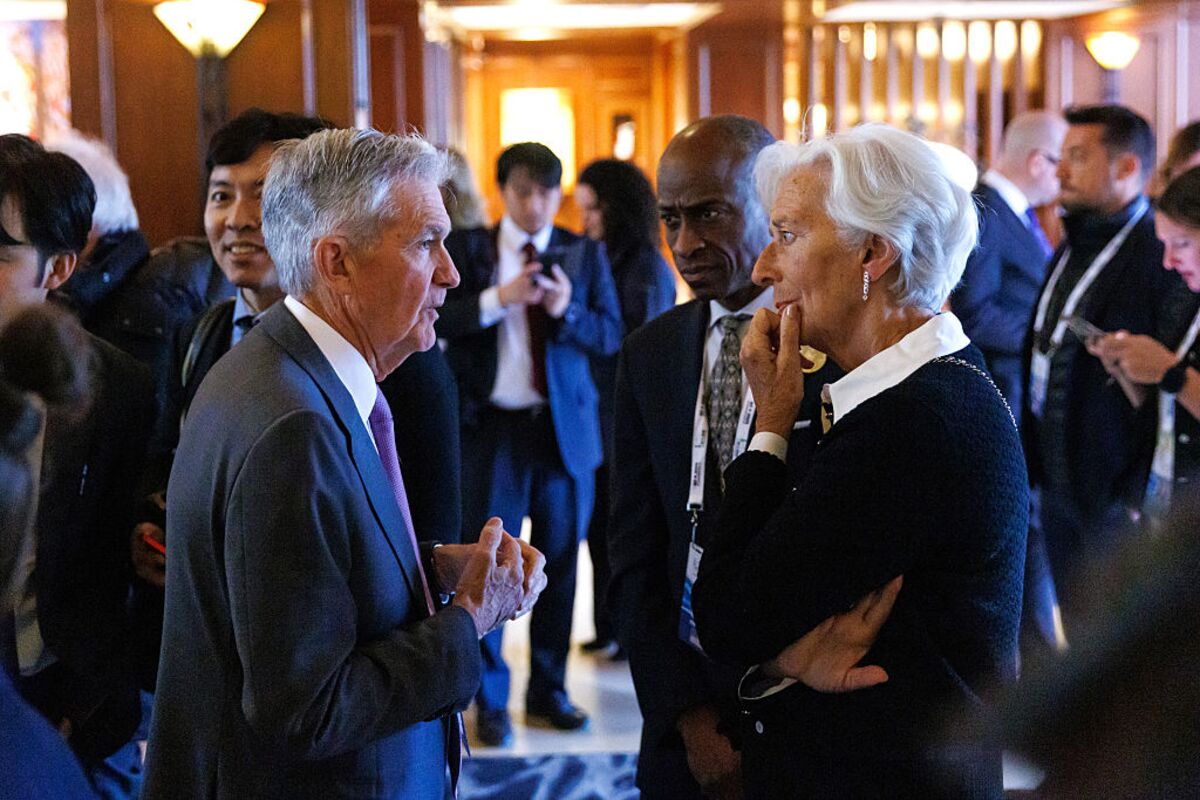
The article discusses how global central bank leaders, including Powell and Lagarde, are navigating economic turbulence caused by political and trade tensions, with a focus on monetary policy decisions amid inflation concerns and economic risks in 2025.
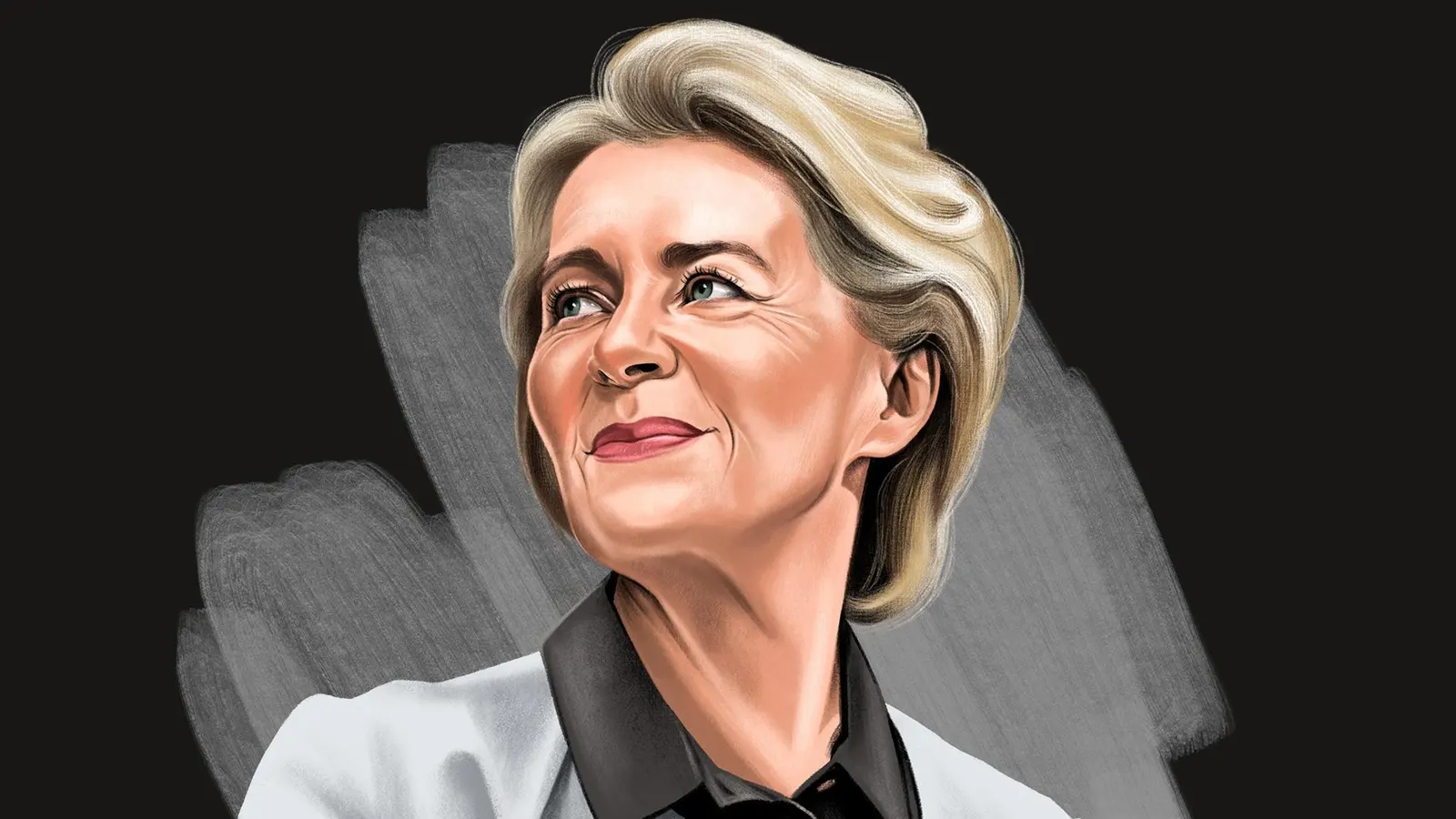
Forbes' 2024 list of the World's 100 Most Powerful Women highlights a shift in how women wield influence, focusing on strategic roles in transforming industries rather than traditional leadership positions. Despite male dominance in top economic roles, women like Ursula von der Leyen and Christine Lagarde are shaping major economies, while leaders in AI, finance, and culture, such as Lisa Su and Taylor Swift, are redefining market dynamics and cultural narratives. This new power dynamic underscores women's growing impact at critical intersections of change.
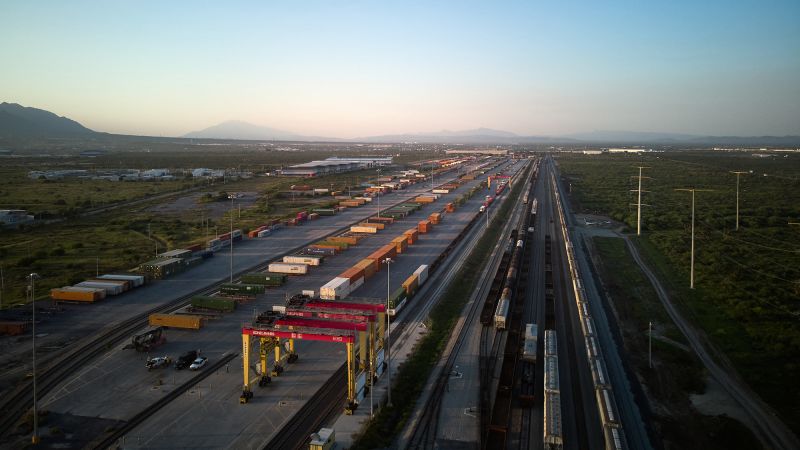
President-elect Donald Trump's proposed tariffs on imports from Mexico, Canada, and China could lead to a shift in US import sources, with countries like Vietnam, Indonesia, and Bangladesh potentially benefiting. While Trump aims to boost domestic manufacturing, experts suggest that high production costs and infrastructure challenges may limit this shift. Instead, companies might relocate production to other countries to avoid tariffs, though some may absorb the costs if it remains cheaper. The trade dynamics could see increased imports from Southeast Asia and Europe, particularly in electronics and apparel.
A report by Oxera for the International Chamber of Commerce reveals that climate-related extreme weather events have cost the global economy over $2 trillion from 2014 to 2023, with the U.S. suffering the most significant economic losses at $934.7 billion. The report, released ahead of the COP29 summit, highlights the urgent need for decisive climate action, as damages in the last two years alone reached $451 billion. Developing economies are particularly vulnerable, with single events potentially exceeding their annual GDP.
The global economy faces uncertainty in 2024 with potential slowdowns and technical recessions expected. High interest rates persist as inflation's future remains unclear. China's economic performance is critical, with mixed predictions on its impact. The ongoing Russia-Ukraine war continues to affect food, fuel, and fertilizer markets, especially in the Global South. The year is also notable for being the biggest election year in history, with over half the world's population voting in significant elections, including the US presidential race where Donald Trump could potentially return to office. Unpredictable 'black swan' events pose additional risks to the economic landscape.
Asian shares fell as optimism for early U.S. interest rate cuts waned, with market focus on upcoming Fed minutes and jobs data. European futures also indicated a lower opening, while Wall Street retreated from record highs. The dollar remained strong, and tech shares suffered losses, although Chinese gaming stocks saw gains. Global tensions and a rise in U.S. Treasury yields added to market concerns, while oil prices declined and gold prices increased slightly.
Predictions for 2024 suggest a year of cautious optimism with a belief that the global economy will recover from 2023 losses, though growth will slow down. Nostradamus' prophecies hint at potential global confrontations and climate disasters. The economy is expected to avoid recession with GDP growth slowing to 1.7%, and inflation rates are anticipated to decrease before rising slightly by year's end. Interest rate cuts are on the horizon if inflation continues to fall. The global economy will face challenges with weaker growth across major economies, but a total recession is unlikely due to recovering supply chains and decreasing food and energy prices. The housing market is set for a slow recovery, and political forecasts suggest a possible presidential rematch between Joe Biden and Donald Trump in the 2024 elections, with outcomes dependent on various factors including Trump's legal issues and the economic situation.
Grain prices have seen a significant drop, with corn futures down 31% and wheat contracts down 21%, marking the largest annual declines since 2013. This decrease is largely due to bumper crops in Brazil, the U.S., and Russia, which may help ease global food inflation and the cost of staple foods and animal feed. However, there is still concern over whether the reduction in food prices will be rapid enough to prevent potential food riots in emerging markets, where weaker currencies make food more expensive. Despite the price drops, the global food crisis remains a risk, with the current situation drawing comparisons to the conditions that led to the Arab Spring riots in 2010.
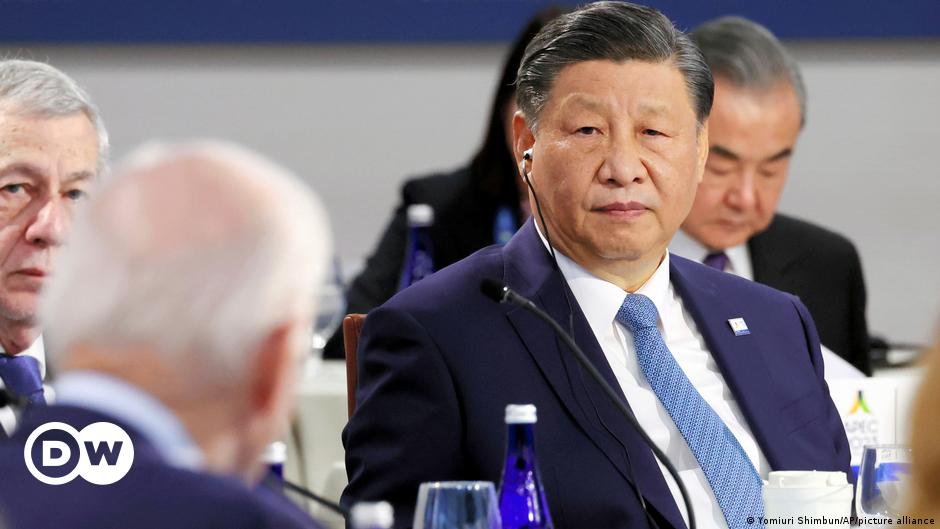
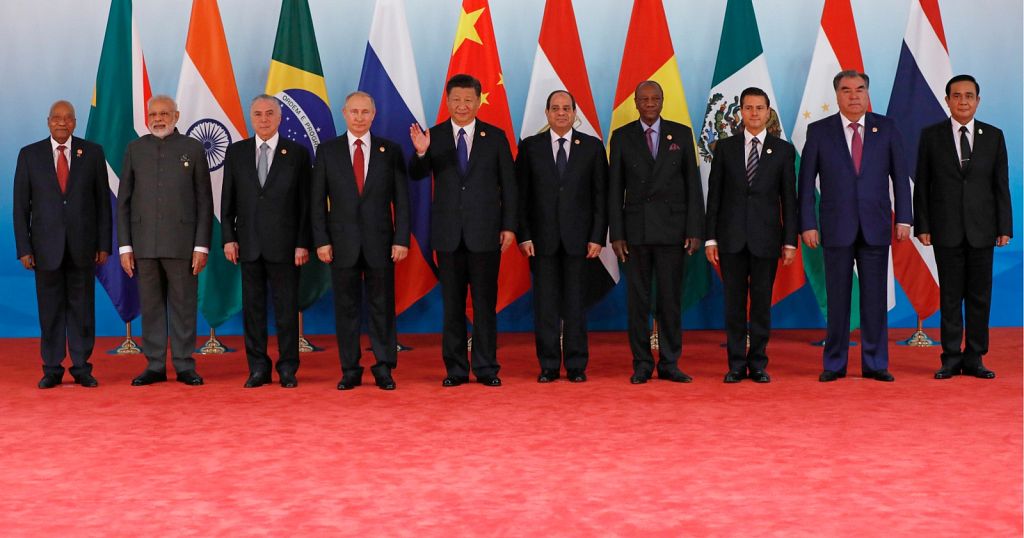
The BRICS group, originally consisting of Brazil, Russia, India, China, and South Africa, has expanded to include Saudi Arabia, Egypt, the UAE, Iran, and Ethiopia, effectively doubling its membership. This expansion, which took place at the 15th BRICS summit in Johannesburg, aims to increase the group's influence on the global stage. With a combined population of 3.5 billion and an economy worth over $28.5 trillion, the enlarged BRICS could signify a shift in the geopolitical landscape. While there are concerns about internal differences affecting decision-making, the member countries are looking to enhance the representation of emerging economies and reduce reliance on the US dollar. Russia has assumed the BRICS presidency with plans to bolster the group's role in the international financial system and integrate the new members smoothly.
The year 2023 was marked by significant economic events including persistent inflation, bank failures like Silicon Valley Bank, and a wave of labor strikes. Despite early recession fears, the S&P 500 approached record highs. Central banks worldwide raised interest rates to combat inflation, which cooled but remained above targets. Geopolitical tensions, particularly from the Russia-Ukraine war, reshaped global trade, with India and China benefiting. U.S.-China economic ties proved hard to untangle, especially in the semiconductor industry. Meanwhile, AI investment surged, highlighted by Microsoft's $10 billion in OpenAI, despite legal challenges. The stock market ended the year on a high note, with the future remaining uncertain.