Pope Leo XIV's first major document urges global aid for immigrants, criticizes economic inequality and 'trickle-down' policies, and signals continuity with Pope Francis's views, including criticism of Trump's border policies.
The U.S. Small Business Optimism Index rose to 101.7 in November 2024, the highest since June 2021, driven by confidence in post-election economic policies and hopes for reduced inflation. This optimism is reflected in increased expectations for economic improvement, expansion, and sales volumes. However, challenges remain with labor quality and inflation as significant concerns. Despite the optimism, the Russell 2000 index showed little movement, with mixed performances among its constituents.
The Tax Foundation's annual event, often referred to as the 'Prom,' focused heavily on discussions around tax cuts and their implications for economic policy. Attendees, including policymakers and economists, debated the potential benefits and drawbacks of reducing taxes, highlighting the ongoing importance of fiscal policy in shaping economic outcomes.
Chinese stocks initially surged on optimism over policy pledges to revive economic growth but later pared gains, reflecting investor caution. The CSI 300 Index rose up to 3.3% before closing with a 0.7% gain, while Hong Kong-listed Chinese firms ended down 0.4%. Investors are awaiting concrete measures from the upcoming Central Economic Work Conference, following the Politburo's commitment to a "moderately loose" monetary policy and proactive fiscal measures. Analysts remain cautious about the potential impact of these policies.
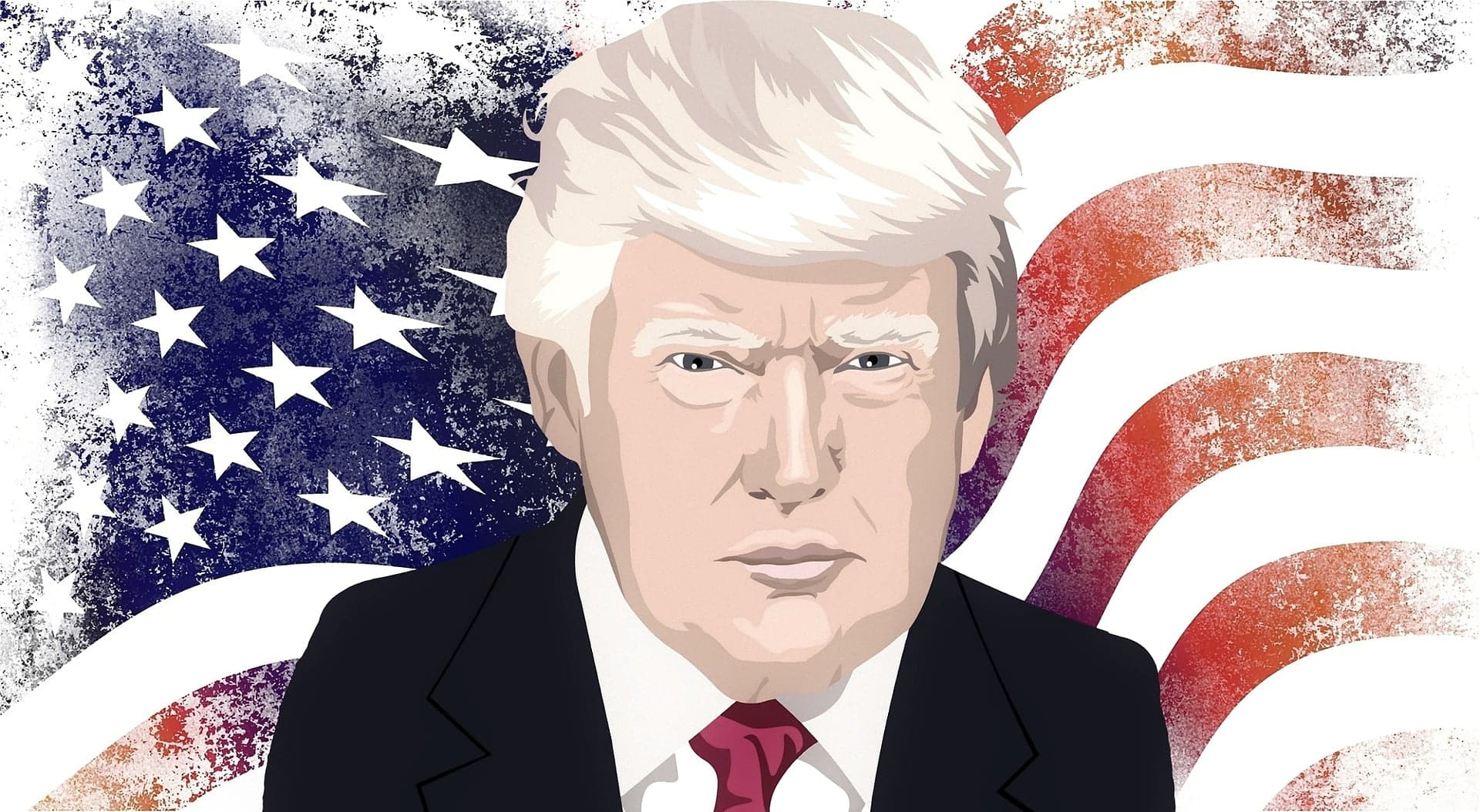
Scott Bessent, President-elect Donald Trump's nominee for Treasury Secretary, is set to meet with Senate Republican leaders as his confirmation process begins. Bessent, a hedge fund manager, is seen favorably by Republicans and Wall Street for his economic expertise, though his support for Trump's trade policies and ideas like a 'shadow Fed chair' could spark debate. His confirmation could highlight Republican divisions over Trump's economic strategies, such as tariffs and Federal Reserve independence. Democrats have criticized Bessent's Wall Street ties but have not committed to opposing his nomination.
As Trumponomics policies are implemented, concerns about rising inflation are increasing. The economic strategies, characterized by tax cuts and deregulation, aim to boost growth but may also lead to higher prices, prompting debates on their long-term impact on the U.S. economy.
Donald Trump is struggling to select a Treasury Secretary amid infighting between factions supporting Howard Lutnick and Scott Bessent. The delay has increased the chances of other contenders like Robert Lighthizer and Kevin Warsh. Elon Musk and Robert F. Kennedy Jr. have weighed in, with Musk favoring Lutnick. The decision is crucial as it involves overseeing financial markets, U.S. debt, and economic policy. Other key economic positions remain unfilled as Trump continues to deliberate.
Former President Donald Trump is reportedly considering a proposal to eliminate capital gains taxes on U.S.-issued cryptocurrencies, such as Bitcoin and Cardano, if the issuing companies are registered in the U.S. This initiative aims to position the U.S. as a global crypto hub and attract international crypto companies to relocate to the U.S. Additionally, VanEck's Matthew Sigel suggested partnerships with Bitcoin miners in 'Freedom Cities' to promote sustainable mining and strategic Bitcoin accumulation.
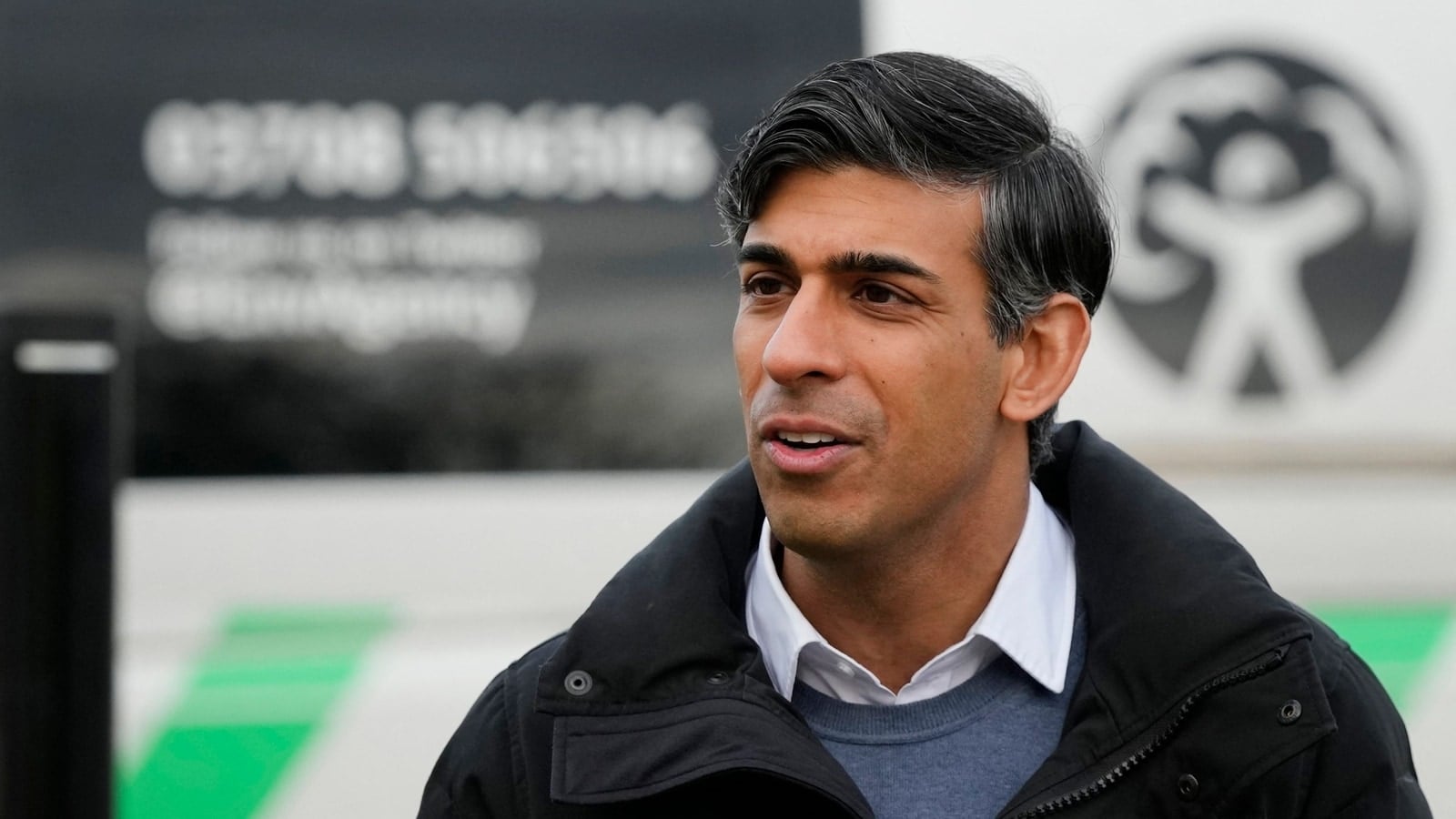
British Prime Minister Rishi Sunak urged the UK to adhere to his plan for long-term change as he gears up for elections later in the year. Despite the Conservatives trailing in polls behind Labour, Sunak highlighted progress in areas like tax cuts, reducing health service waiting lists, and addressing immigration. He expressed confidence in his controversial Rwanda asylum seeker plan and aims to further cut taxes by controlling welfare spending. Labour leader Keir Starmer criticized Sunak for delaying the election, suggesting he is prioritizing his tenure over the country's needs.
Argentina's top court has suspended a 'mega-decree' of over 300 labour reforms introduced by President Javier Milei, following a legal challenge by the General Labour Confederation. The reforms, which included extending probation periods and reducing severance compensation, were deemed by the court to exceed the administration's authority as they bypassed Congress. Milei's government plans to appeal the decision. The president, who took office on December 10, has already implemented significant economic changes, including a 50% devaluation of the currency and cuts to subsidies, aiming to reshape the economy and reduce the state's size amidst high poverty and inflation rates.
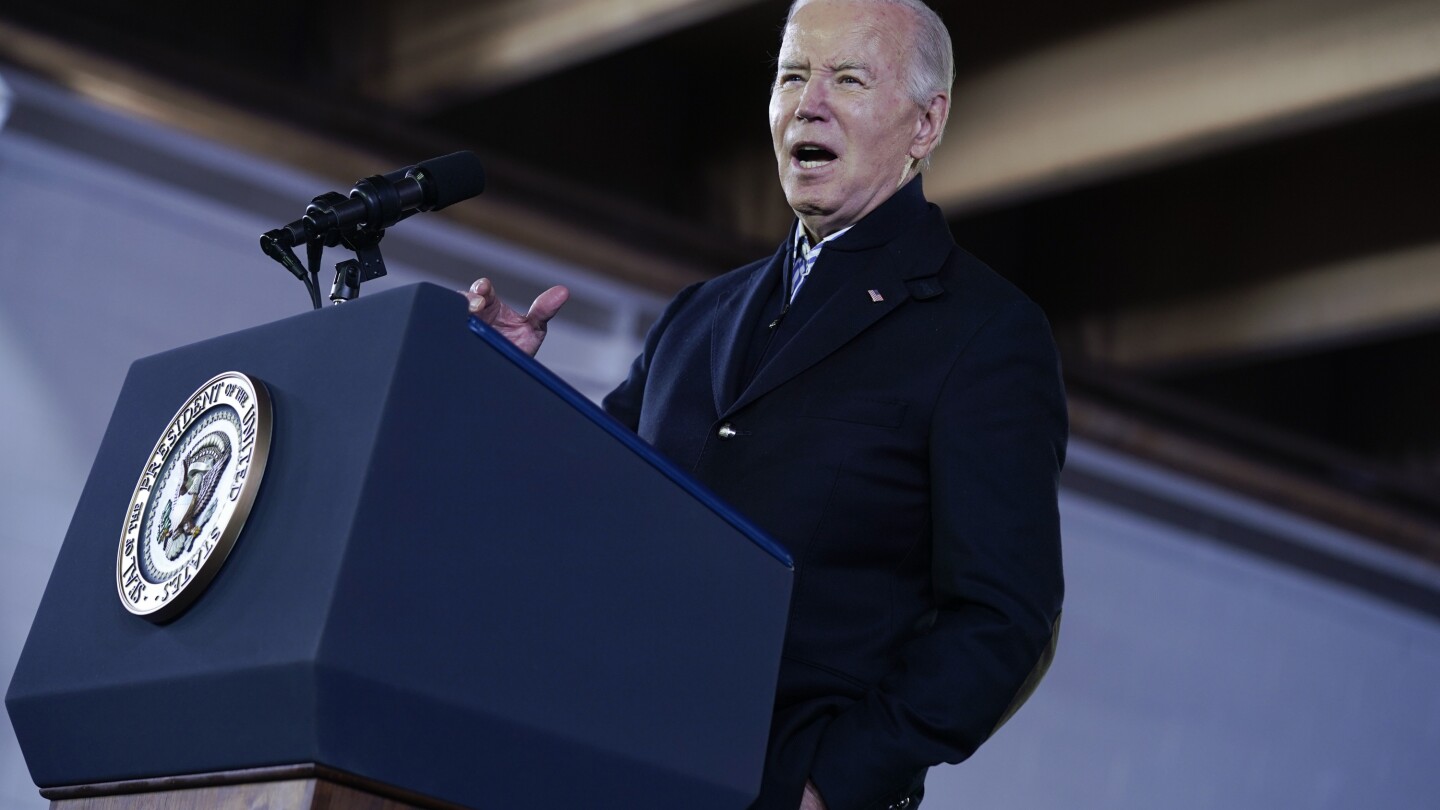
The Biden administration has allocated $162 million to Microchip Technology for expanding computer chip factories in Colorado and Oregon, aiming to triple U.S. production and create 700 jobs. This move, part of the CHIPS and Science Act, seeks to strengthen domestic semiconductor manufacturing, reduce reliance on foreign production, and address inflation by easing supply chain issues.
German inflation has unexpectedly risen to 3.8%, dampening hopes for interest rate cuts. This increase puts pressure on the European Central Bank to maintain or even tighten monetary policy to combat rising prices, despite potential impacts on economic growth. The news may concern investors and policymakers who are closely monitoring inflation trends for signs of economic stability.
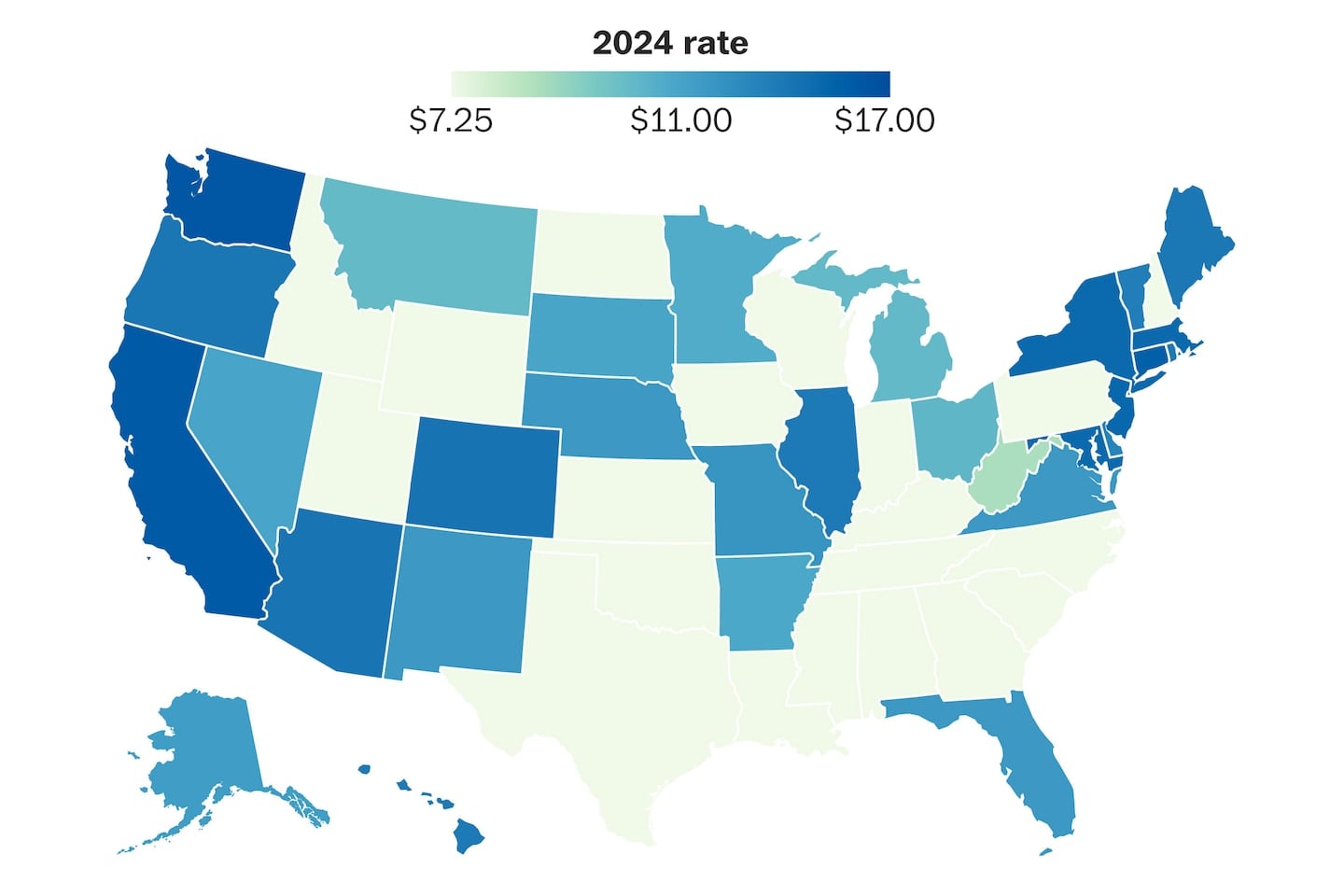
In January 2024, twenty-two states and numerous cities and counties raised their minimum wages, impacting approximately 9.9 million workers, with women and minority groups benefiting the most. Despite the fact that only about 6 percent of the U.S. labor force is directly affected, the increases help establish a wage floor, especially important as the country deals with high living costs. The average hourly wage in the U.S. was $34.10 as of November, but the federal minimum wage remains at $7.25, which is still used by about 20 states. Washington state now has the highest state minimum wage at $16.28 per hour, while Tukwila, Washington, boasts the highest municipal rate at $20.29 per hour. The wage hikes come amidst a backdrop of a competitive job market, recent labor strikes, and ongoing debates about the impact of wage increases on poverty and employment.
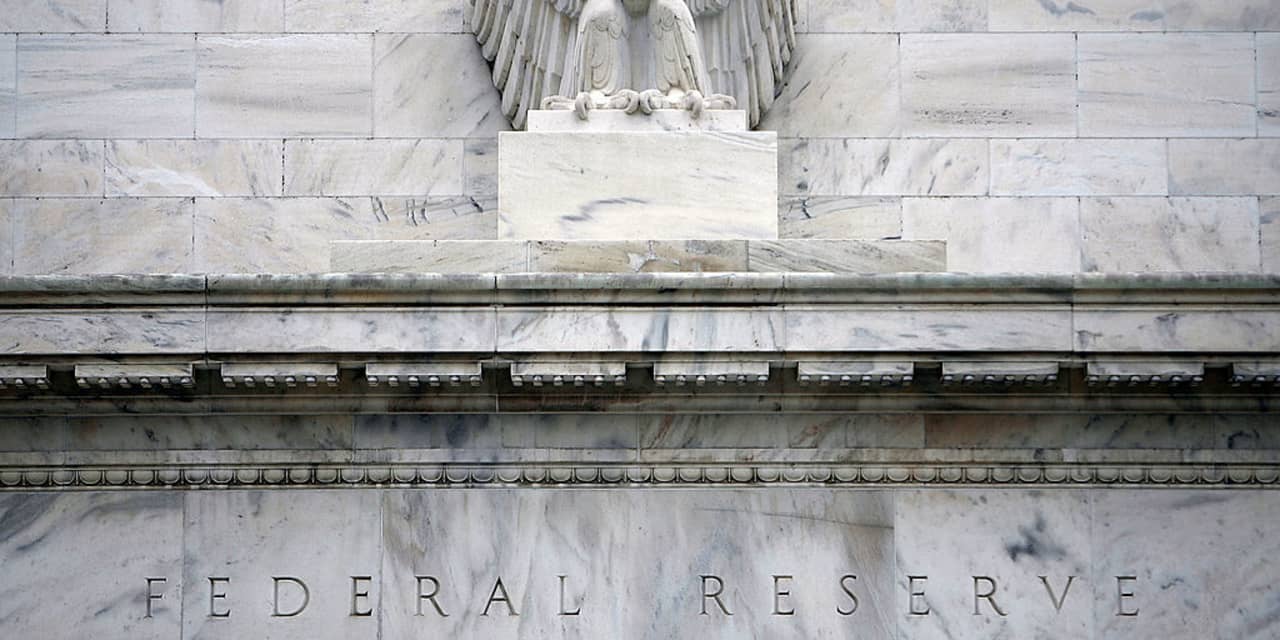
The stock market appears to be misinterpreting or selectively hearing the Federal Reserve's communications, potentially leading to a future market correction. Investors may not be fully accounting for the Fed's economic policy signals, particularly regarding interest rates, which could result in a "reckoning" for the stock market.
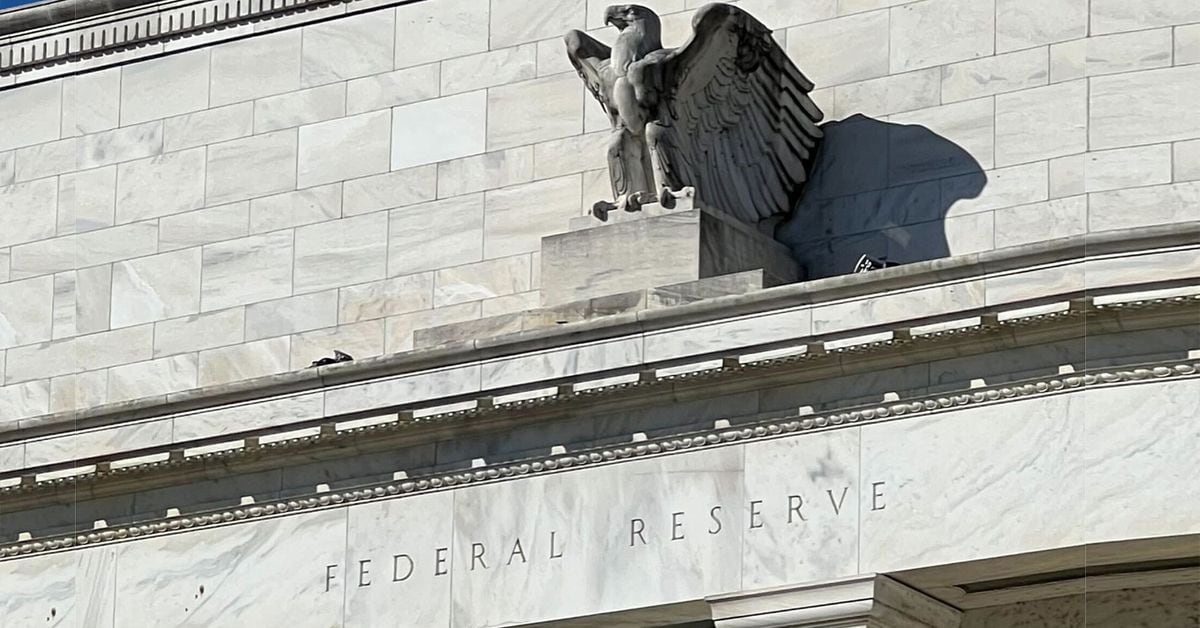
The Federal Reserve's December meeting minutes suggest potential interest rate cuts in 2024, which is typically seen as a bullish signal for Bitcoin. However, historical trends indicate that such rate cuts often precede economic recessions and a stronger U.S. dollar, which could lead to a decrease in risk appetite and negatively impact Bitcoin's value. Investment firm Piper Sandler notes that the Fed's pattern of maintaining high rates for too long could lead to a recession, and current market optimism may be overestimating the U.S. economy's resilience.