Tag

Modified Newtonian Dynamics Mond

All articles tagged with #modified newtonian dynamics mond

astronomy2 years ago

Unraveling the Universe's Expansion: Is Our Existence in a Vast Void?

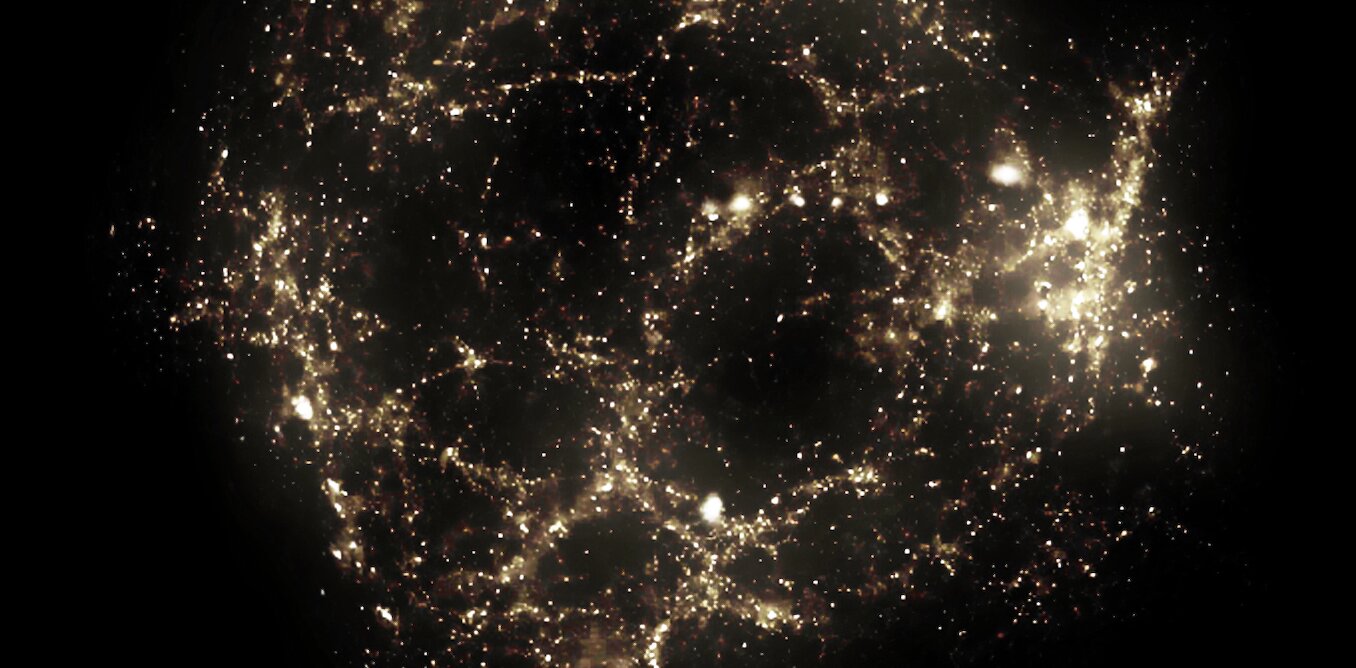
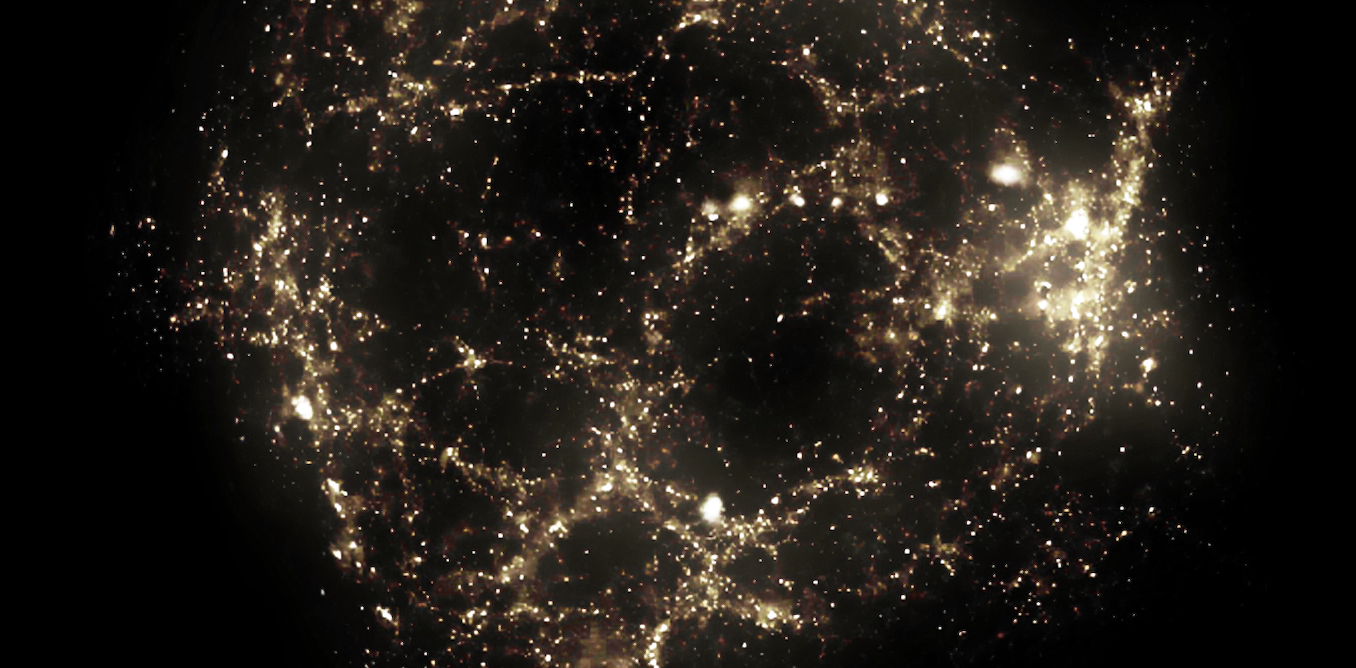
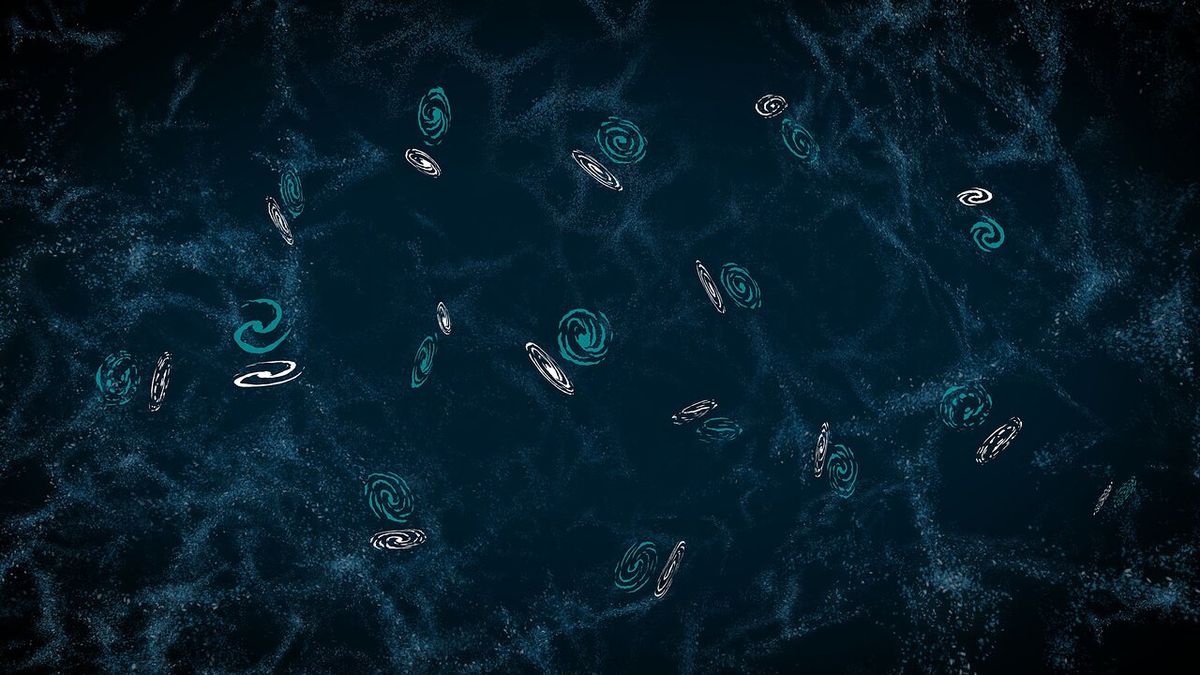
Scientists propose that the "Hubble tension," the discrepancy between the predicted and observed rate of the universe's expansion, could be explained by the existence of a giant void in space. This void, with below-average density, would cause outflows of matter that inflate local measurements of the expansion rate. The researchers developed a model based on Modified Newtonian Dynamics (MOND) and found that it aligns well with observations of the bulk flow of galaxies. These findings challenge the standard model of cosmology and suggest the need to revise our understanding of gravity on larger scales.

astronomy2 years ago

Unraveling the Mystery of the Supervoid: Could it Solve the Hubble Tension?

The Milky Way galaxy is located on the edge of a massive void called the Local Void, which is part of an even larger underdensity known as the Local Hole or Keenan-Barger-Cowie (KBC) supervoid. This supervoid challenges the standard model of cosmology, which assumes an even distribution of matter throughout the Universe. However, a new study suggests that the Local Hole could help explain the Hubble Tension, which is the discrepancy in measurements of the rate at which the Universe is expanding. By considering the effects of the Local Hole, researchers propose using the Modified Newtonian Dynamics (MOND) theory to better understand gravity and resolve the inconsistencies in our current understanding of the Universe.

science2 years ago

The Fate of MOND: Wide Binaries as the Ultimate Test

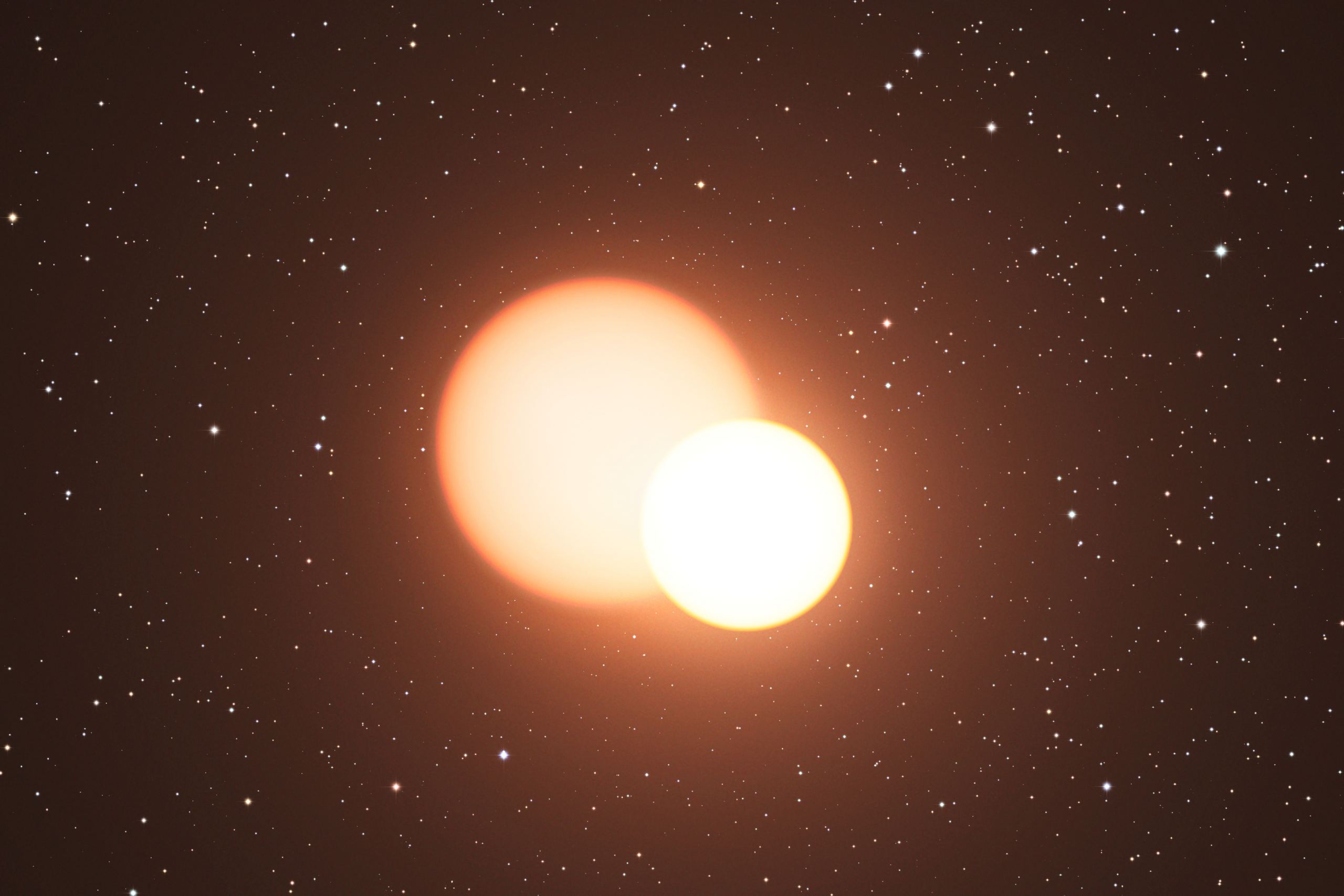
Wide binary stars are challenging the theory of gravity and the need for dark matter. General relativity, along with normal matter, cannot explain the evolution of the universe without dark matter, which has not been directly observed. Modified Newtonian Dynamics (MOND) proposes an adjustment to Newton's second law to explain galaxy movement without dark matter. However, recent data from wide binary stars suggests that any modified gravity theory must rely on scale and length rather than acceleration, potentially marking the demise of the MOND model.

science2 years ago

Unraveling the Universe's Expansion: Is Our Existence in a Vast Void?

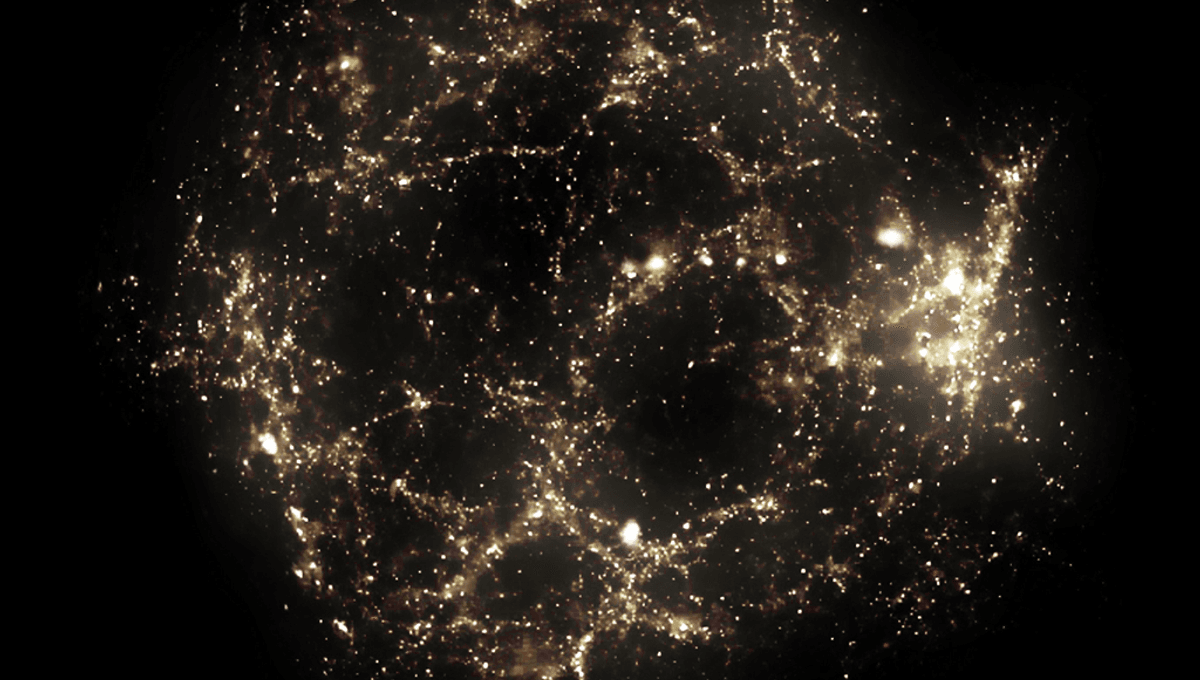
Scientists propose that the "Hubble tension" - the discrepancy between the predicted and observed rate of the universe's expansion - could be explained by the existence of a giant void in space. This void, with below-average density, would cause outflows of matter that inflate local measurements of the expansion rate. The researchers developed a model based on Modified Newtonian Dynamics (MOND) and found that it aligns well with observations of the bulk flow of galaxies. These findings suggest that the standard model of cosmology, Lambda-cold dark matter (ΛCDM), may need to be revised, potentially requiring changes to our understanding of gravity on larger scales.
astronomy2 years ago

Unveiling the Universe's Expansion: Could a Giant Void Hold the Answer?

Researchers propose that we live in a giant void in space, which could explain the discrepancy in the rate of the universe's expansion known as the Hubble tension. The void, with below-average density, would cause outflows of matter that inflate local measurements. This theory is based on an alternative model called Modified Newtonian Dynamics (MOND), which suggests that gravity behaves differently in weak gravitational fields. Recent observations of galaxy velocities support this idea, showing a quadruple speed compared to the standard model. These findings challenge the current understanding of cosmology and may require a revision of Einstein's theory of gravity.

science2 years ago

Unraveling the Universe's Expansion: Is Our Existence in a Vast Void?

Scientists propose that the "Hubble tension," the discrepancy between the predicted and observed rate of the universe's expansion, could be explained by the existence of a giant void in space. This void, with below-average density, would cause local measurements of the expansion rate to be inflated due to outflows of matter from the void. The researchers tested this idea using an alternative theory called Modified Newtonian Dynamics (MOND) and found that it matched various cosmological observations. The existence of a deep and extended local void, as well as the fast observed bulk flows, suggests that structure grows faster than expected in the standard model of cosmology. This may indicate the need to extend Einstein's theory of gravity on larger scales.

science2 years ago

"Revealing 'Planet 9': A Potential Challenge to Gravity's Theory"

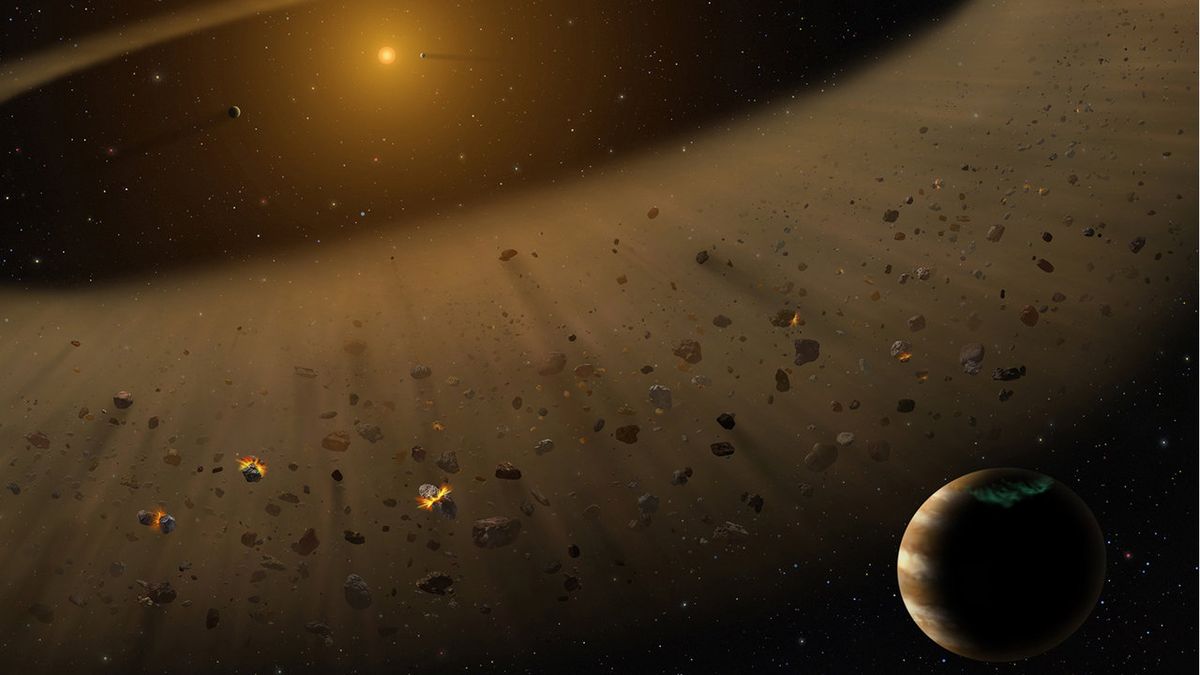
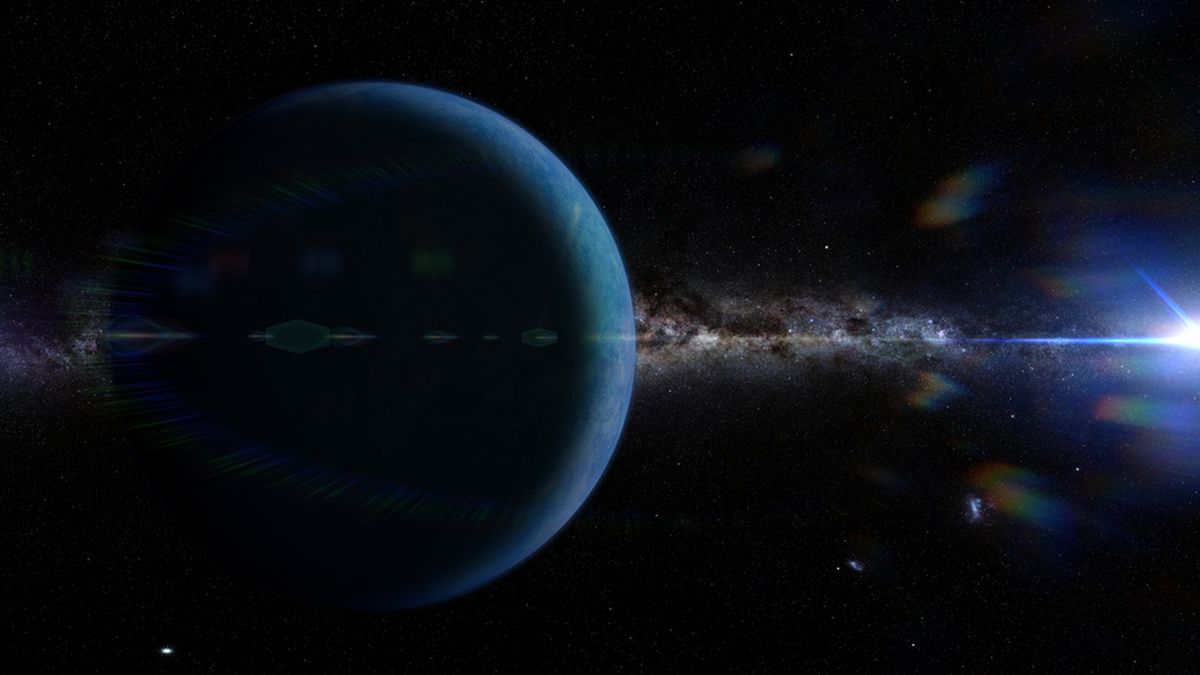
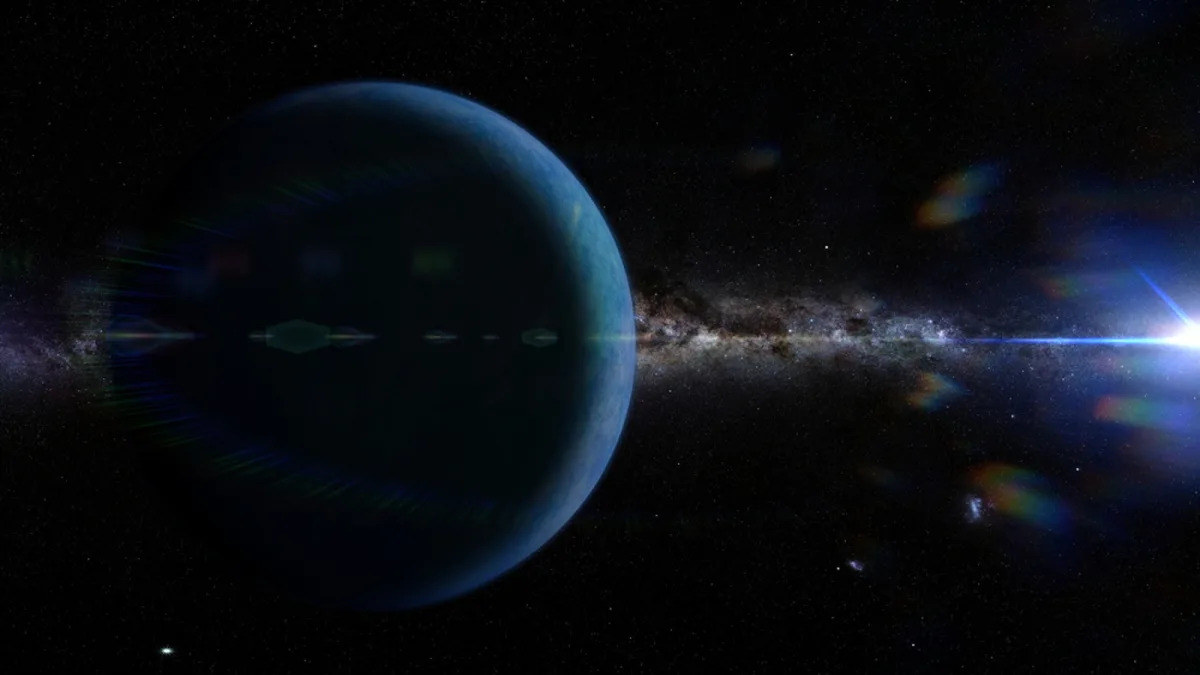
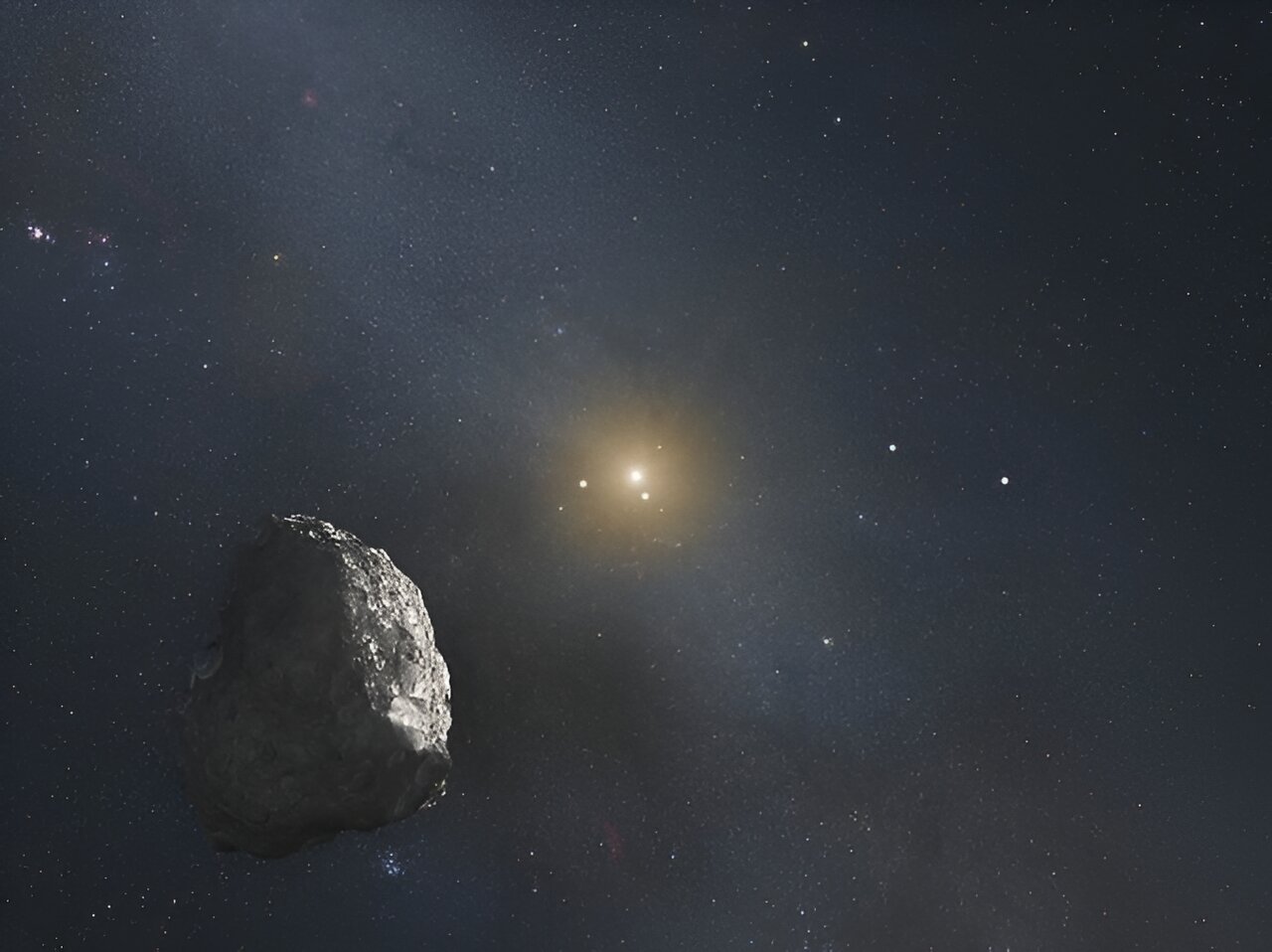
Evidence for the existence of a ninth planet in our solar system, known as Planet 9, may actually indicate that our understanding of gravity is incomplete. Scientists studying the effect of the wider Milky Way galaxy on objects in the outer edges of the solar system have found that the behavior of these objects could be explained by a theory called Modified Newtonian Dynamics (MOND), which suggests a different type of gravitational behavior under great rotational velocities. This challenges the need for dark matter to explain galactic structures. The strange behavior of objects in the Kuiper belt, which is believed to be caused by Planet 9, could also be explained by MOND. However, the scientists caution that more research is needed to confirm their findings.

astronomy2 years ago

"Unveiling the Enigmatic Planet Nine: A Cloaked Entity or a Hidden Reality?"

A new study suggests that the elusive Planet Nine, theorized to exist in the outer reaches of the solar system, may not be a planet at all but rather evidence that gravity works differently than previously thought. The study proposes an alternative concept of gravity known as modified Newtonian dynamics (MOND), which suggests that the gravitational pull does not drop off as quickly at greater distances. According to MOND, the gravitational anomalies observed in the outer solar system can be explained by the rest of our galaxy pulling on objects in the Kuiper Belt, rather than the presence of an undiscovered planet. While MOND cannot explain all of the universe's missing mass, the study highlights its potential role in further understanding our cosmic neighborhood.

astronomy2 years ago

"Study Suggests Elusive Planet Nine May Actually Be a Gravity Imposter"

A new study proposes that the elusive Planet Nine, theorized to exist in the outer reaches of the solar system, may not be a planet but rather evidence that gravity functions differently than previously thought. The researchers suggest that the gravitational anomalies observed in the outer solar system can be explained by applying an alternative concept of gravity known as modified Newtonian dynamics (MOND). MOND suggests that the strength of gravitational pull does not drop off as quickly at greater distances, which could explain the unusual orbits of objects in the Kuiper Belt. While MOND cannot explain all of the universe's missing mass, the study highlights the potential for the outer solar system to serve as a laboratory for testing gravity and studying fundamental problems of physics.

astronomy2 years ago

"Unraveling the Mystery: The Search for Planet Nine Intensifies"

The hunt for a ninth planet in our solar system may have taken an unexpected turn as two theoretical physicists propose that the observed anomalies in the outer solar system could be explained by a modified law of gravity known as Modified Newtonian Dynamics (MOND). MOND suggests that Newton's law of gravity is valid up to a certain point, beyond which a different gravitational behavior takes over. The researchers found that MOND predicts the clustering of objects in the outer solar system, aligning with the galaxy's gravitational field. While the current dataset is small and other possibilities remain, this study highlights the potential for the outer solar system to test gravity and study fundamental physics problems.

science2 years ago

Gravity Theory Challenged: New Evidence Suggests Einstein and Newton May Have Been Mistaken

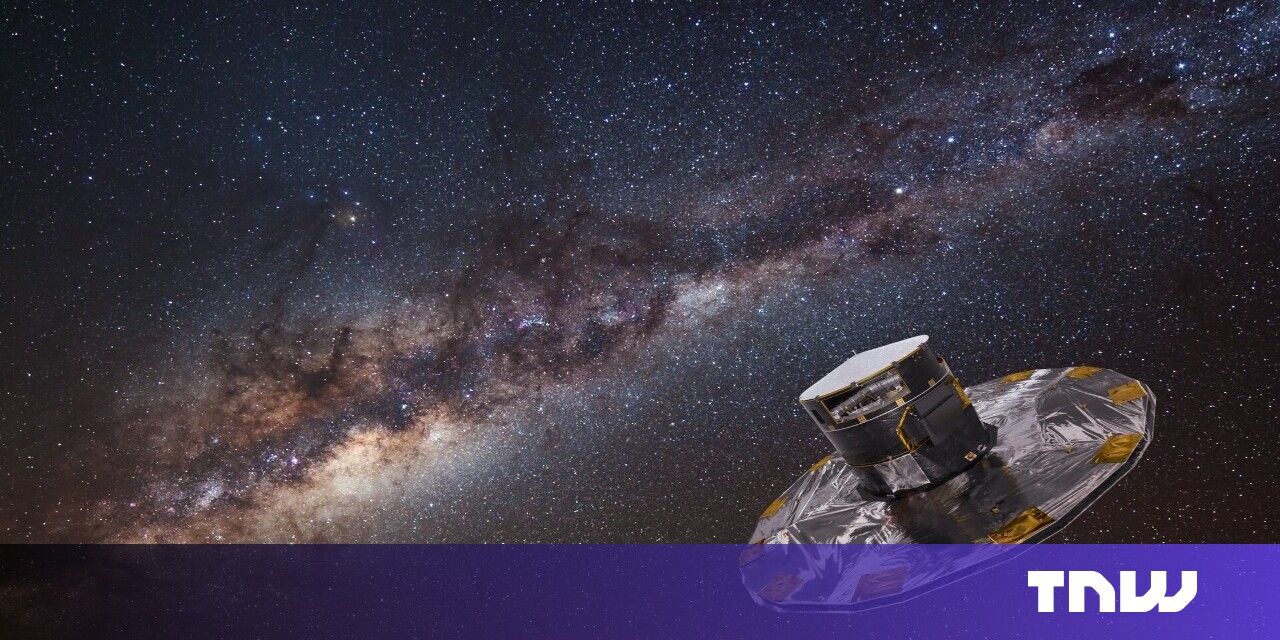
A study using data from the Gaia space telescope has discovered a gravitational anomaly challenging the established understanding of gravity by Einstein and Newton. The anomaly was observed in the movements of wide binary star systems, deviating from the laws of gravitation. This finding questions the existence of dark matter, which was previously used to explain such anomalies. The study suggests that Modified Newtonian Dynamics (MOND) could provide an explanation for the observed irregularities without the need for dark matter. Further analysis and confirmation are required, but if confirmed, this discovery could have significant implications for astrophysics, cosmology, and fundamental physics.