Tag

Middle Pleistocene

All articles tagged with #middle pleistocene

science4 months ago

Ancient Greek Skull Challenges Human Evolution Theories

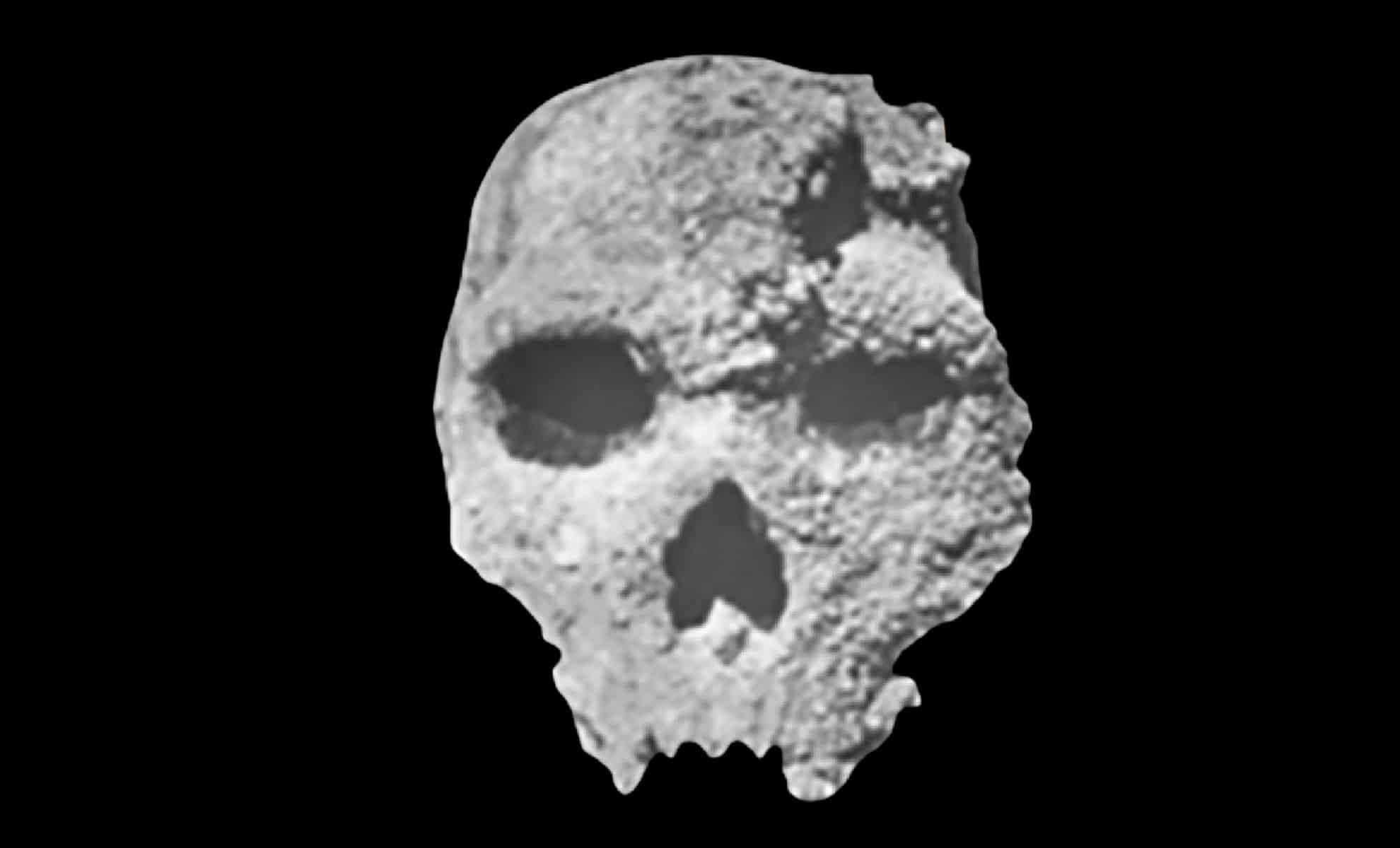
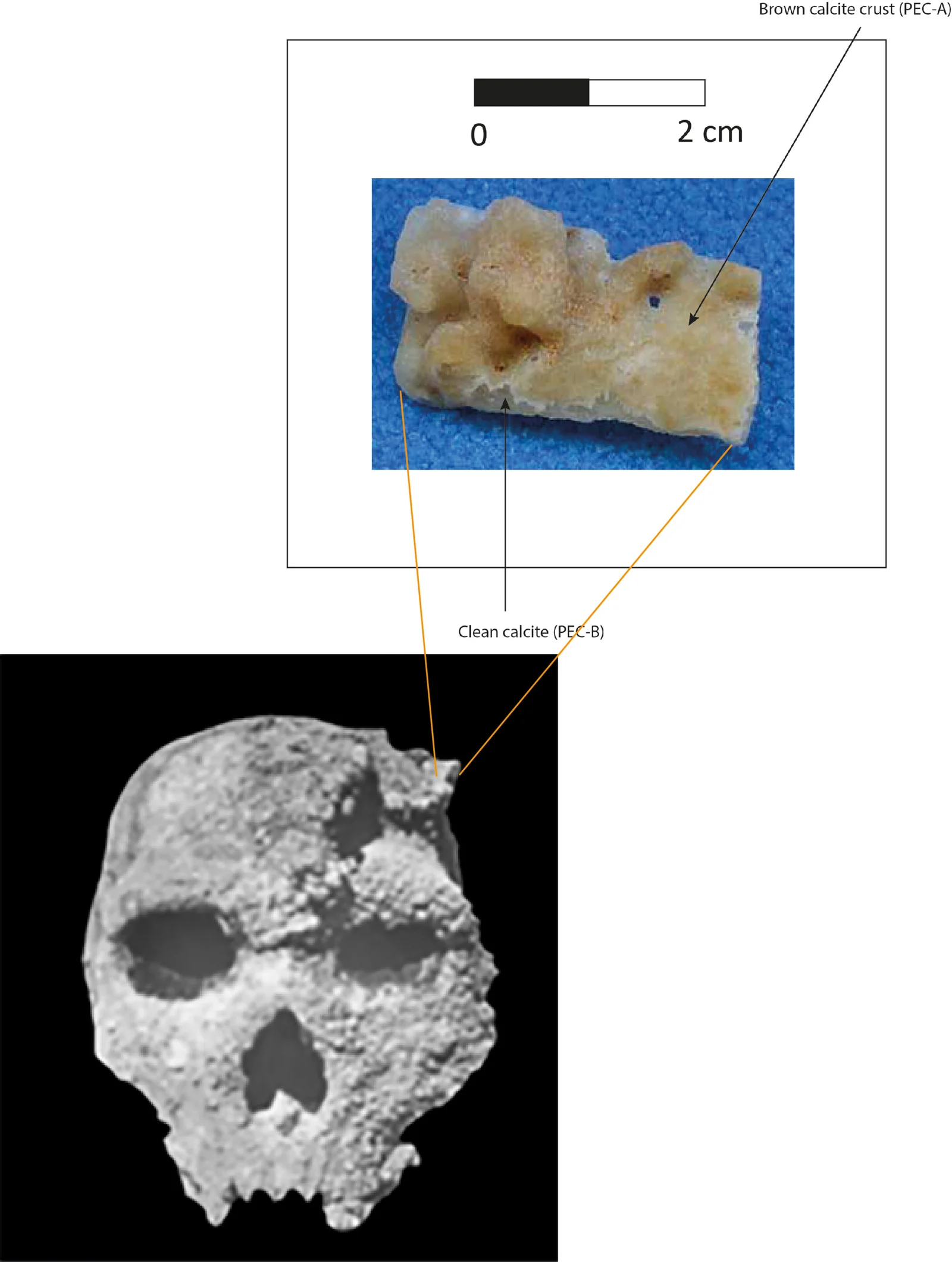
A nearly complete skull found in Greece, known as the Petralona skull, has been dated to be at least 286,000 years old using U-series dating, shedding light on its place in human evolutionary history and suggesting it belongs to a distinct, primitive Homo group that coexisted with other hominin species in Europe during the Middle Pleistocene.

science1 year ago

Discovery of 'Homo juluensis' reshapes human evolutionary history

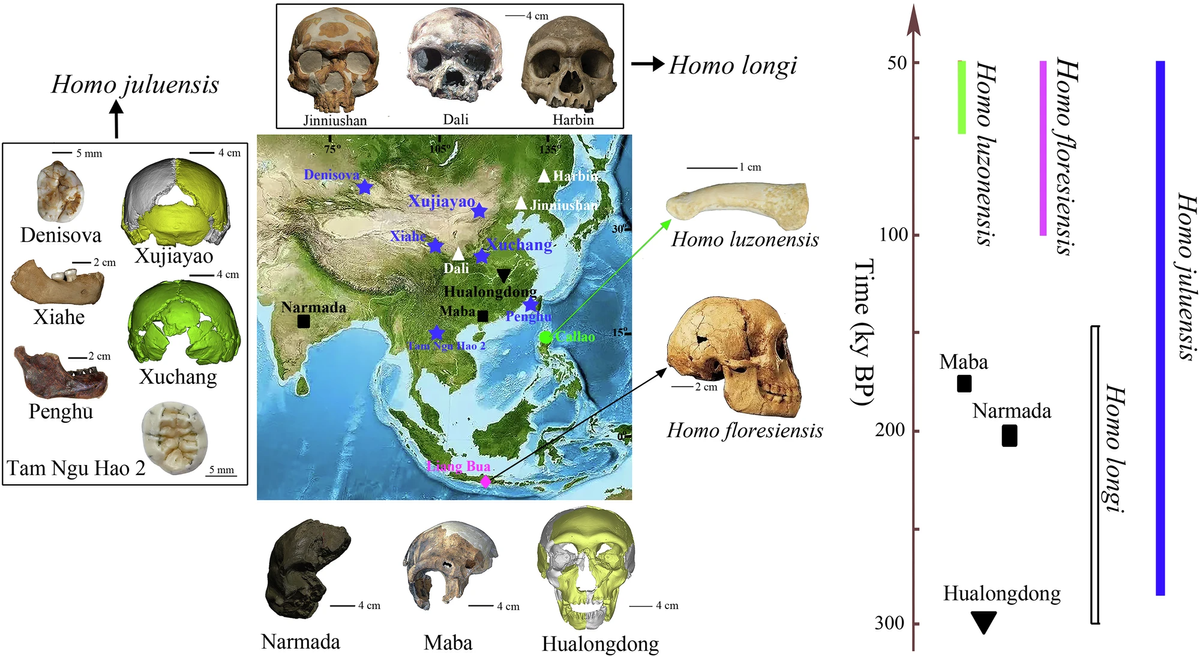
Researchers have identified a new species of ancient humans, Homo juluensis, based on large skull fossils found in China. This discovery, dating from 220,000 to 100,000 years ago, adds to the understanding of hominin variation during the Middle Pleistocene epoch. The fossils exhibit a mix of Neanderthal, modern human, and Denisovan traits, suggesting hybridization played a role in human evolution in eastern Asia. The classification of H. juluensis is debated, with some experts suggesting it may align more closely with H. longi.

paleontology2 years ago

Ancient European Fossil Unveils Early Hippo Presence

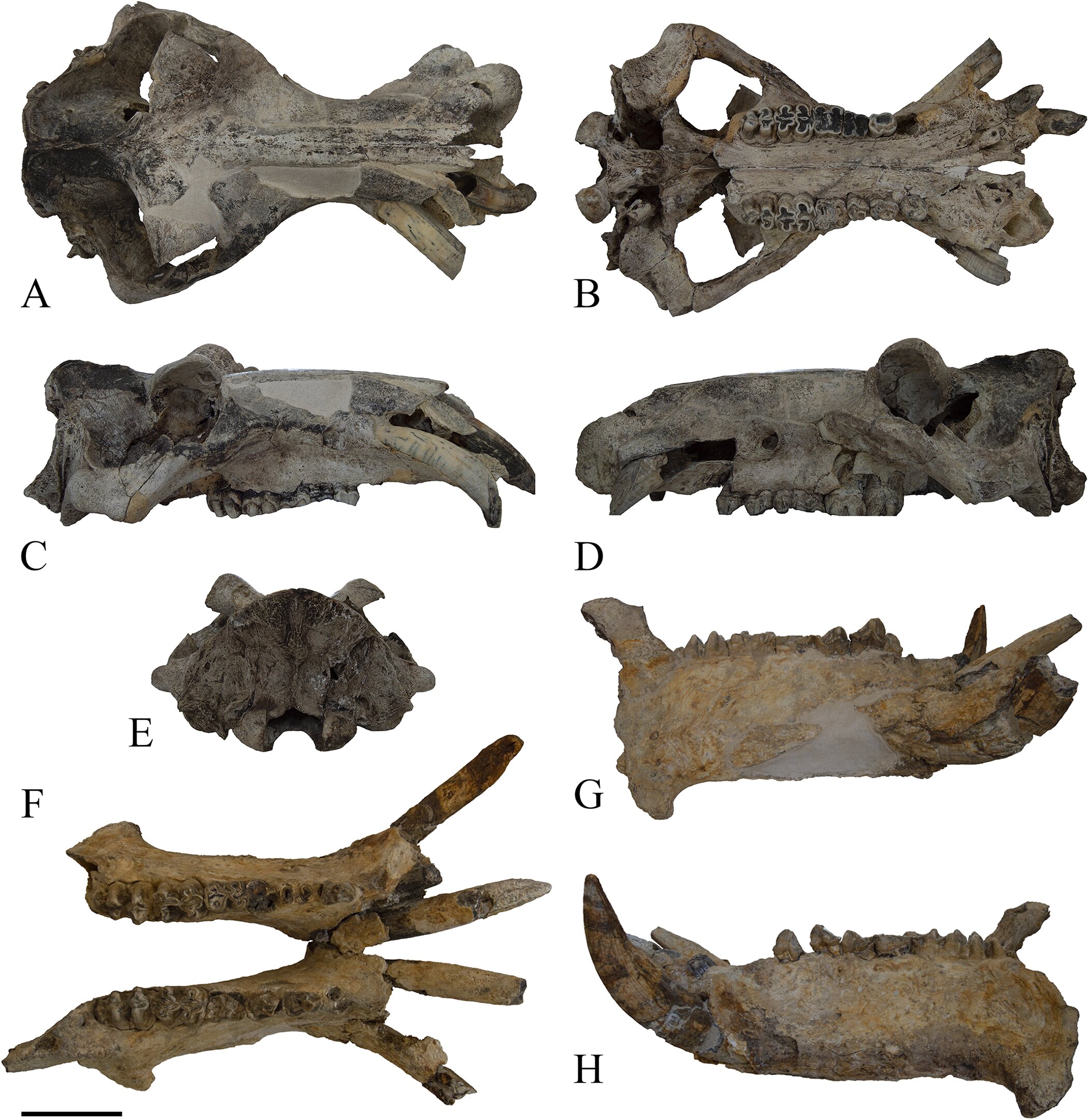
The oldest known fossil of the modern hippo species, Hippopotamus amphibius, in Europe has been discovered in Rome. The skull, dating back between 560,000-460,000 years, provides new insights into the early dispersal of hippos in Europe during the Middle Pleistocene. This finding contributes to a better understanding of the deep history of these large mammals and their significance as indicators of past climate and environmental conditions.

anthropologyarchaeology2 years ago

"Unearthing a New Human Ancestor: Ancient Skull Discovery in China"

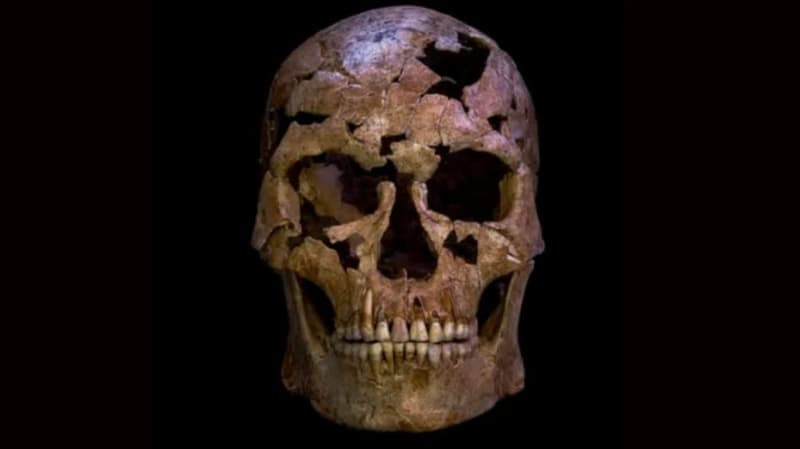
Fossils of a previously unknown human ancestor, estimated to be around 300,000 years old, have been discovered in eastern China. The remains, including a jawbone, partial skull, and leg bones, exhibit a unique combination of features that do not match those of known human ancestors. The hominin appears to be a previously unidentified lineage, sharing traits with both Pleistocene hominins and modern humans. The discovery suggests that features found in modern humans began to emerge as early as 300,000 years ago. Further research is needed to understand the evolutionary patterns leading to modern humans and the geographic distribution of hominin species during the Pleistocene.