A pilot from Air India was removed from a Vancouver-Delhi flight after testing positive for alcohol, prompting Canadian authorities to investigate and seek airline cooperation, amid ongoing safety concerns at Air India following recent crashes and regulatory scrutiny.
Canada's Transport Canada has asked Air India to investigate a serious incident where a pilot was removed from a flight under the influence of alcohol at Vancouver International Airport, leading to a delay and the use of an alternate pilot; the airline and authorities are scrutinizing safety protocols amid broader concerns about aviation safety and pilot conduct.
India's aviation regulator found 51 safety violations at Air India during routine audits, including seven high-level lapses, amid ongoing scrutiny following a recent crash. The airline acknowledged the findings and committed to corrective actions, with the regulator emphasizing that such issues are common in large operations and that India's skies remain safe according to international standards.
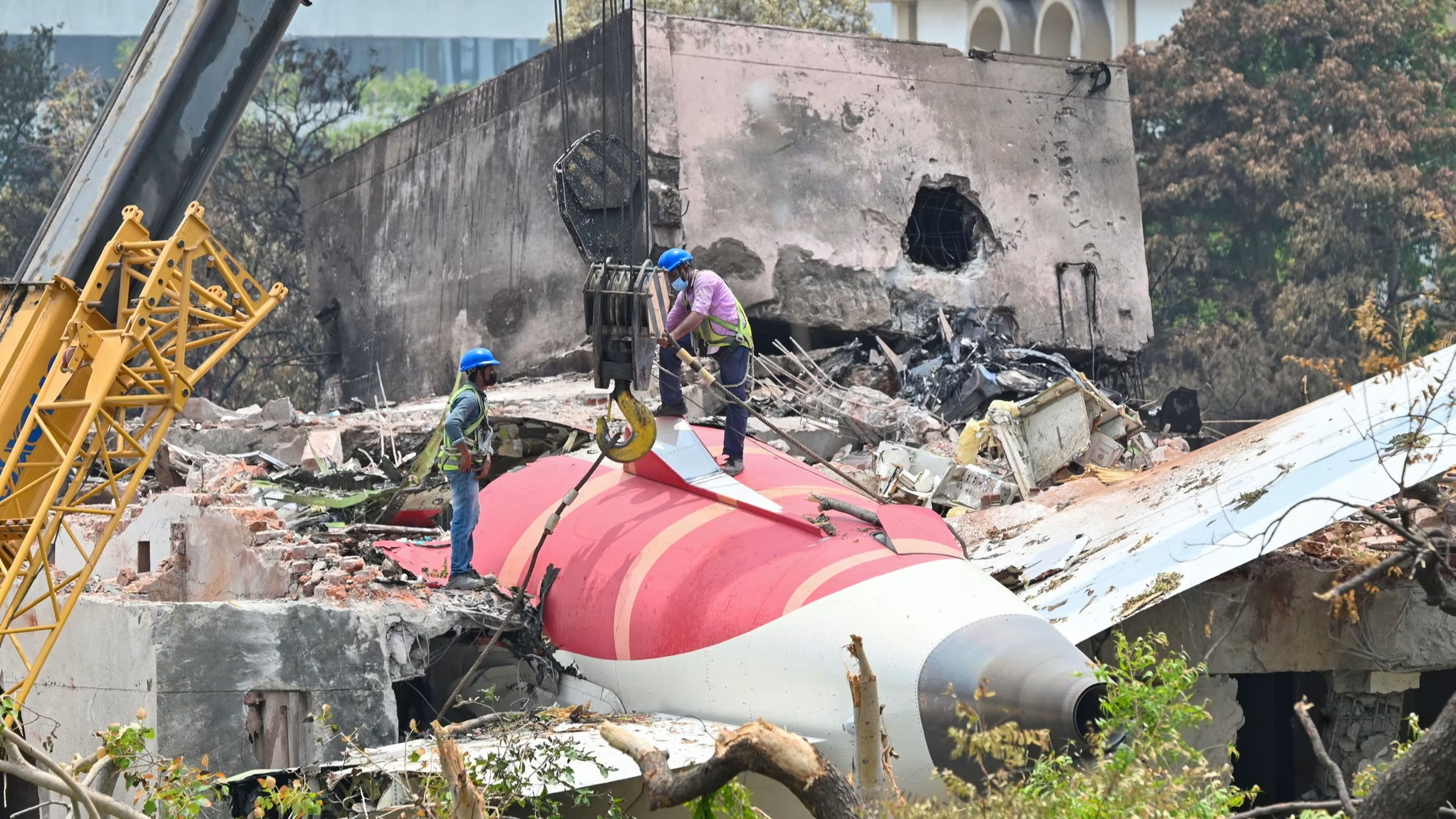
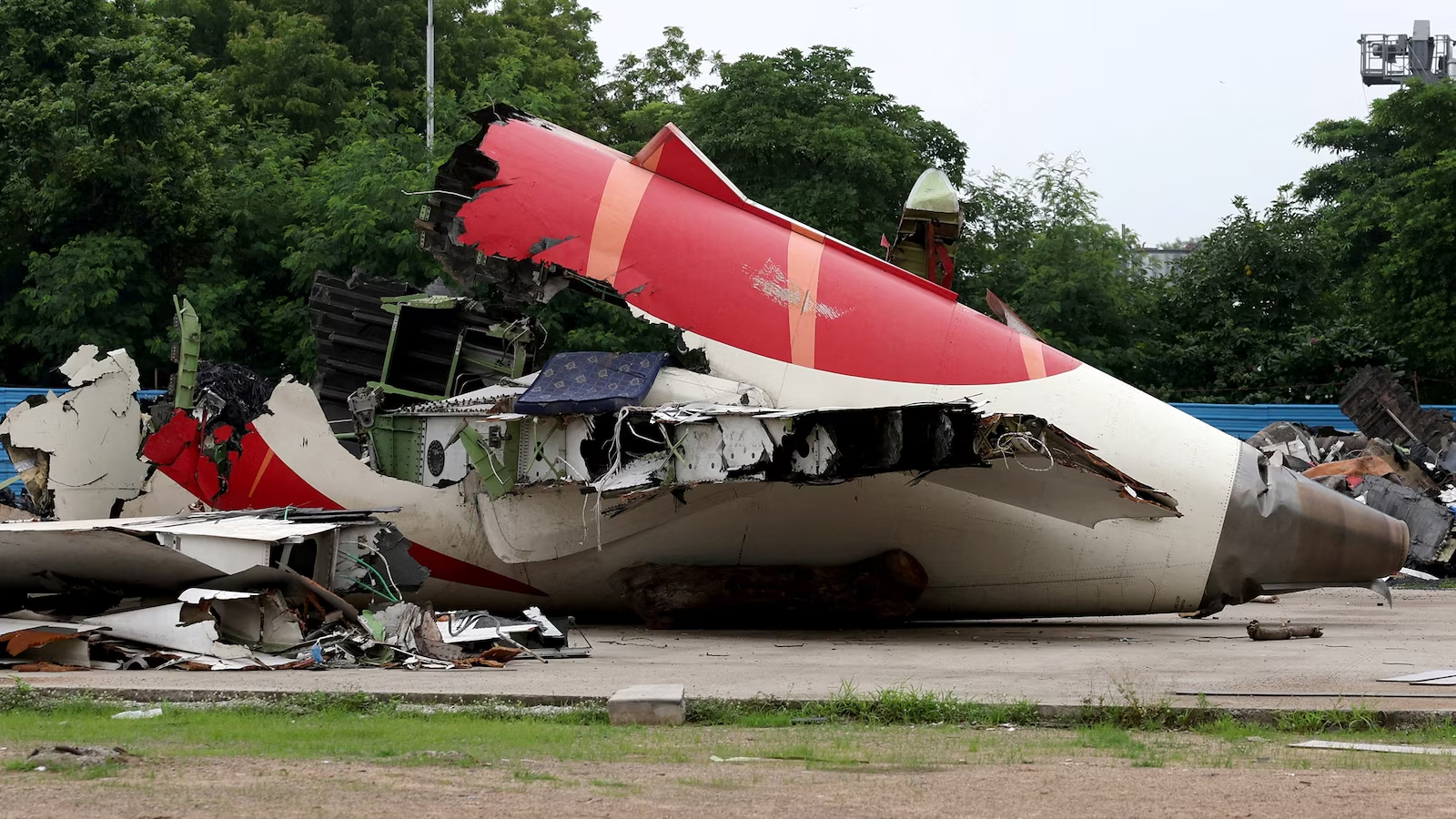
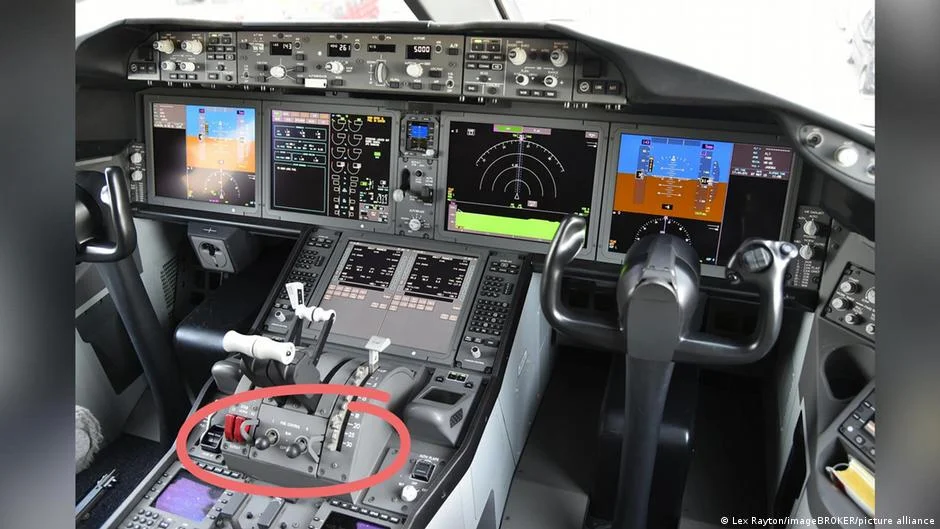
Air India reports no issues with fuel switches on its Boeing planes following a fatal crash, while investigations focus on pilot actions, with preliminary findings suggesting the fuel switches were turned off during flight, leading to the crash that killed 260 people. The investigation is ongoing, with no conclusive blame assigned yet.
India's air authority has issued a warning against speculation regarding the cause of the Air India crash, emphasizing the importance of a thorough investigation before drawing conclusions.
The captain of Air India's flight AI171 may have turned off the fuel switches shortly after takeoff, which could have contributed to the deadly crash that killed 260 people, according to preliminary reports and cockpit recordings.
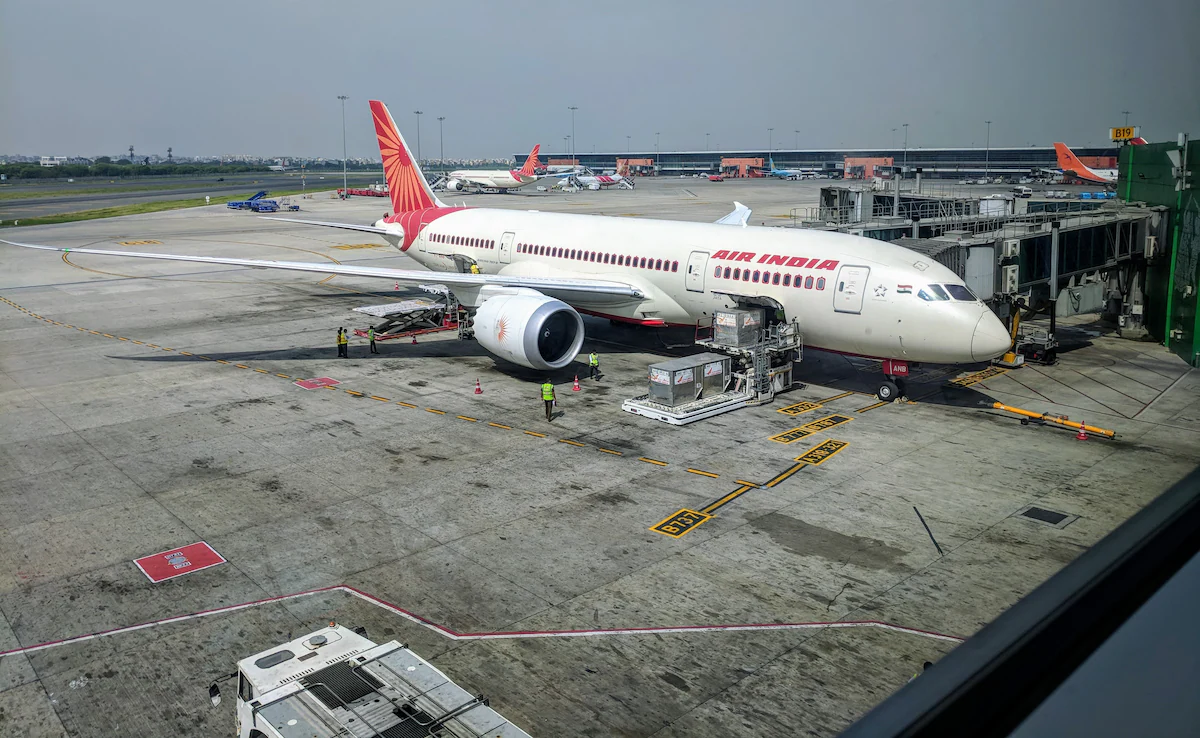
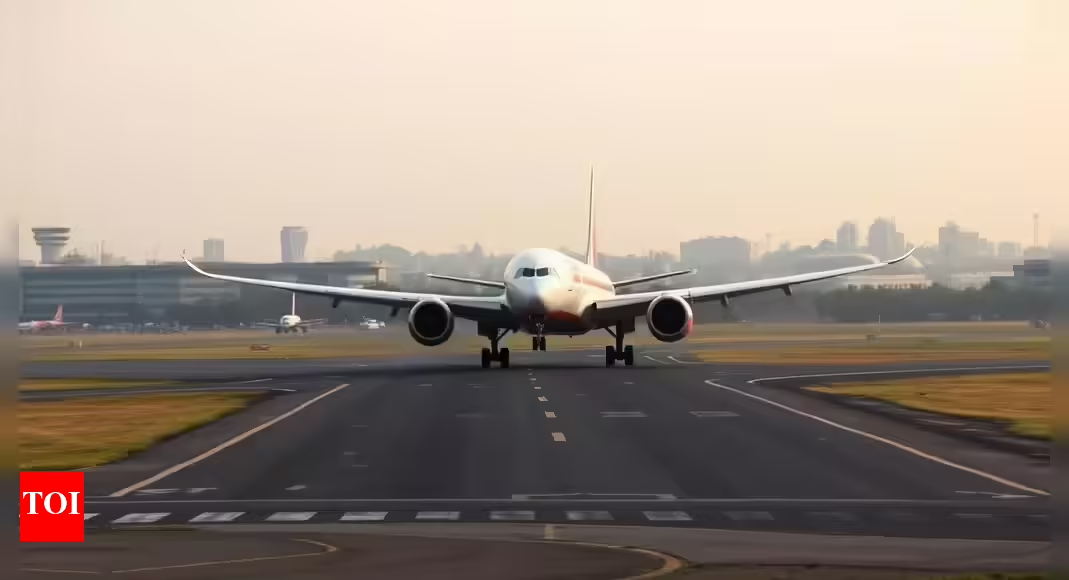
Air India completed inspections of the fuel control switches on its Boeing 787 aircraft following safety concerns and found no issues, ensuring compliance with aviation safety directives after a previous crash investigation.
Air India completed inspections of the fuel control switches on its Boeing 787 aircraft following the AI 171 crash, finding no issues, and continues to emphasize vigilance and safety in operations amid ongoing investigations and reports.
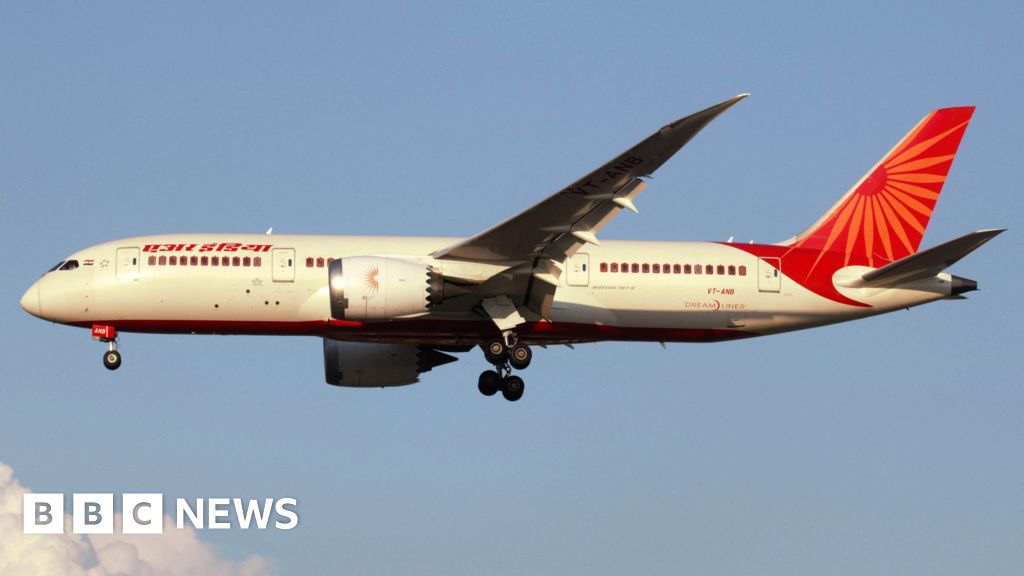
Boeing faces international scrutiny following the crash of an Air India 787-8 Dreamliner in Ahmedabad, with investigations focusing on fuel switch malfunctions and safety concerns, amid broader issues affecting Boeing's reputation after previous crashes and safety incidents.
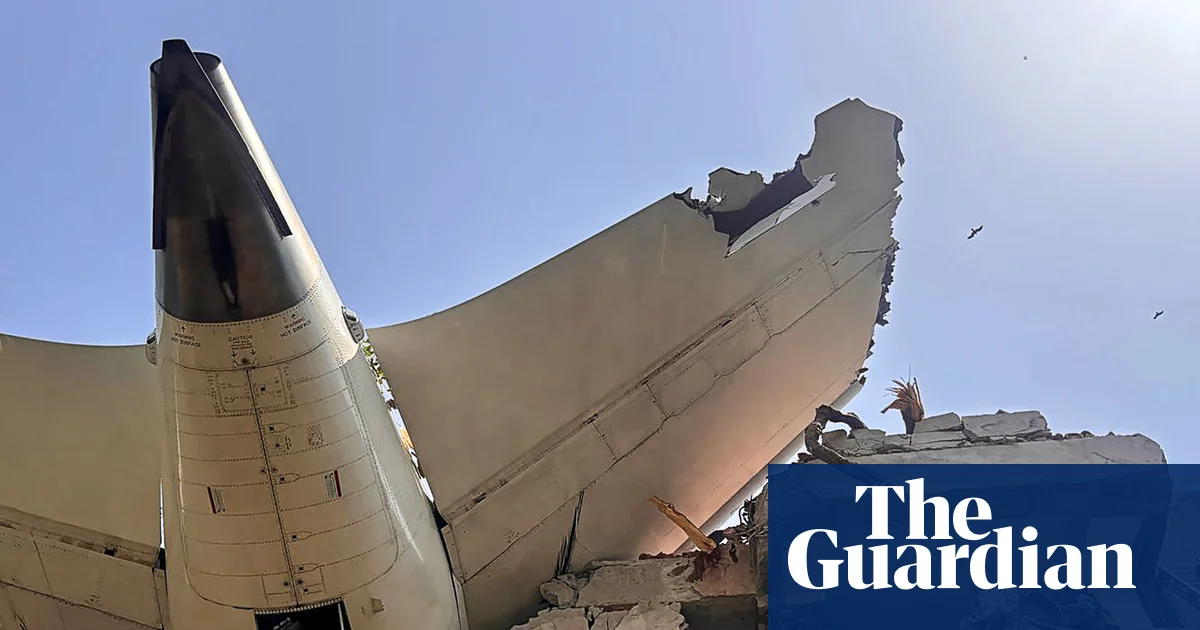
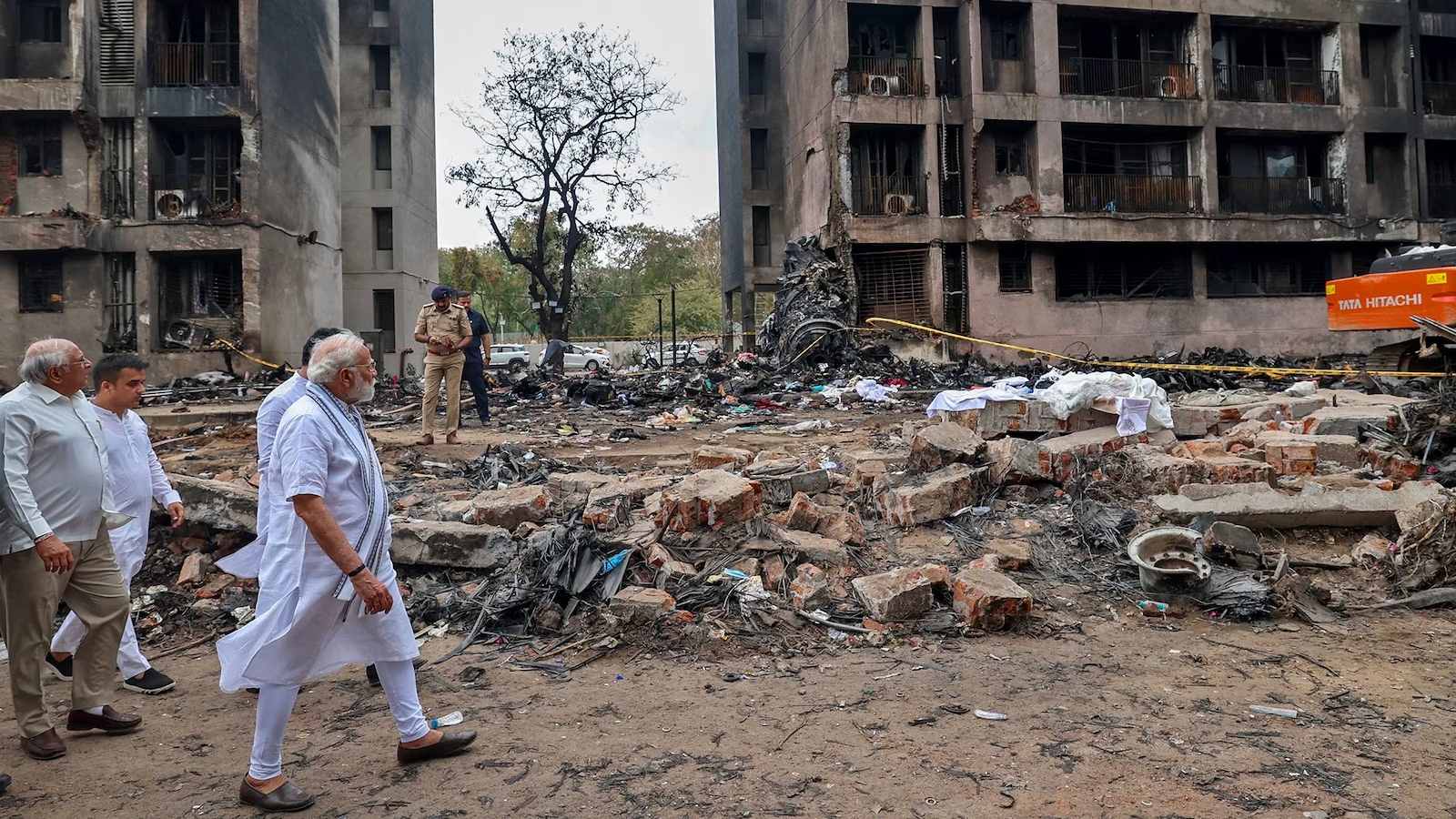
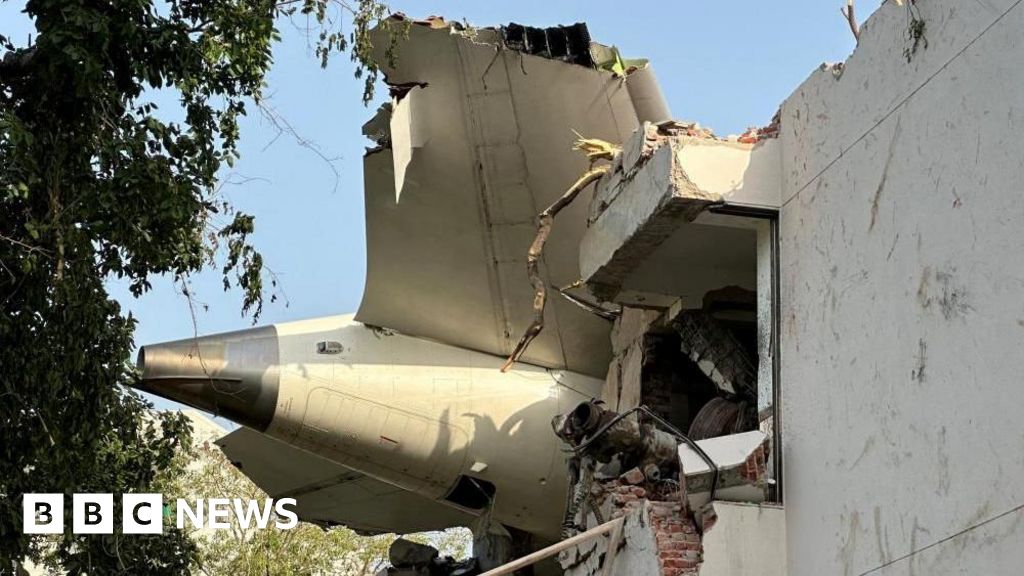
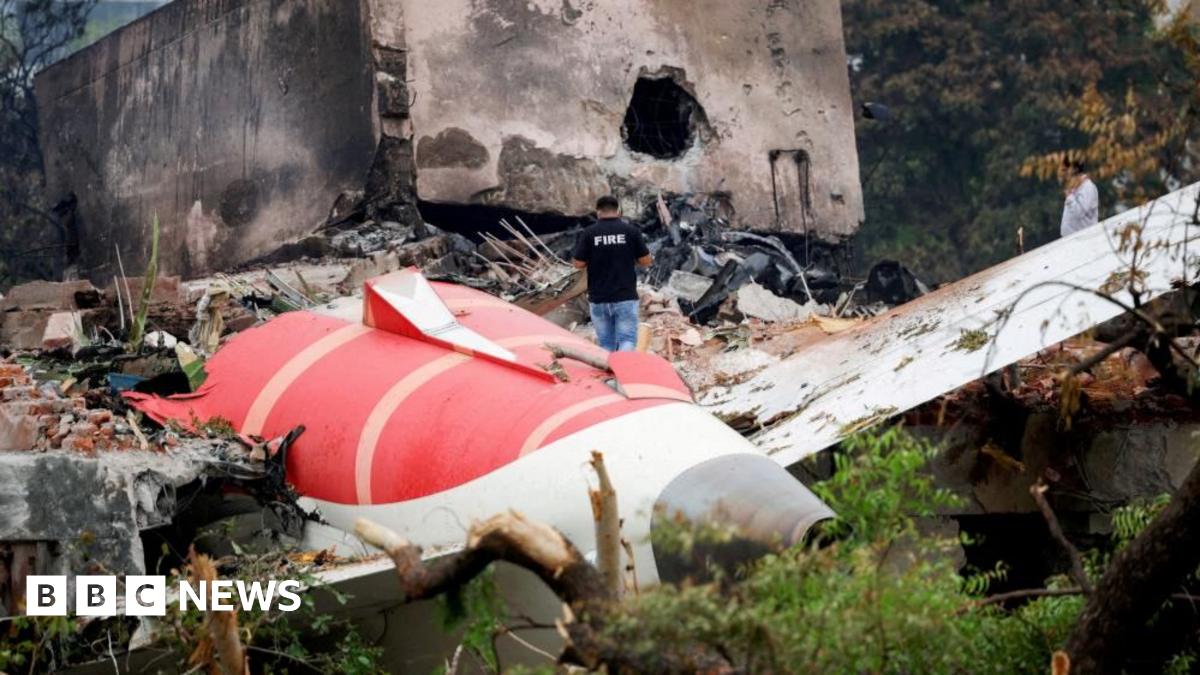
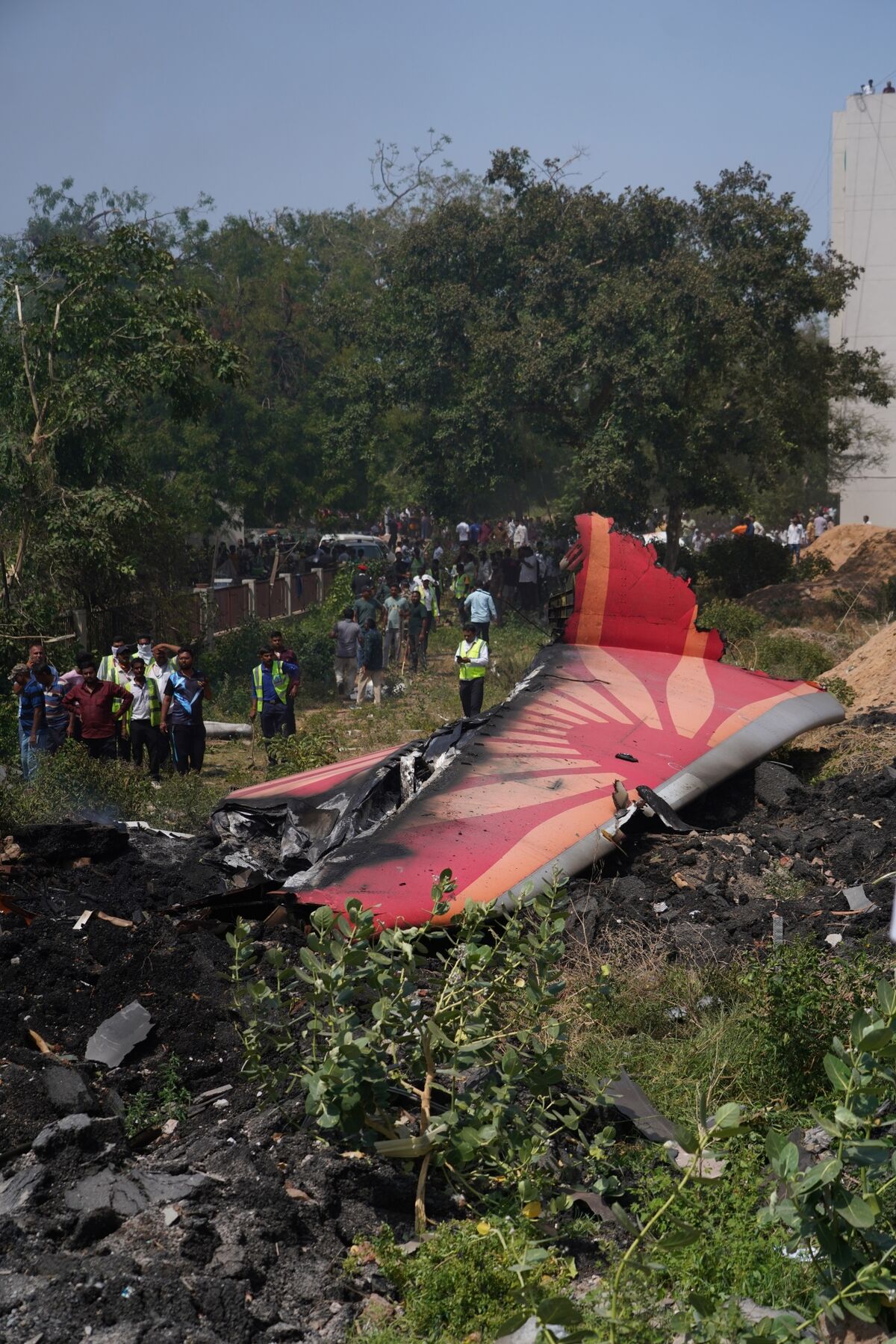
A preliminary investigation into the Air India flight crash reveals that fuel switches were abruptly turned off seconds after takeoff, leading to the crash that killed 259 people, with the switches then being restored shortly before the aircraft collided with a building.
A preliminary report indicates that fuel to the engines of the Air India Boeing 787-8 Dreamliner was cut off shortly after takeoff, leading to a crash that killed 260 people. The report highlights confusion in the cockpit over the fuel switch operation, which is unusual during takeoff, and notes that the switches moved from operational to cutoff and back. Investigations are ongoing, with focus on pilot actions and potential mechanical issues, amid broader concerns about aviation safety in India.
The preliminary report on the Air India crash indicates that fuel control switches were moved to cutoff shortly after takeoff, causing engine failure, with pilot actions under scrutiny; no faults with the aircraft or engines have been identified yet.
Investigators are focusing on the engine fuel control switches as the likely cause of the Air India Flight 171 crash, with pilot error suspected; the incident has also raised concerns about safety practices at Air India and its subsidiaries.
Investigators are focusing on a possible technical failure, including dual engine failure, in the recent Air India Boeing 787 crash in Ahmedabad, with simulations and data analysis ongoing to determine the cause of the deadly accident that resulted in the loss of all but one onboard.
Air India has rerouted flights to Europe and North America via the Red Sea corridor due to geopolitical tensions involving Iran, Israel, and the US, leading to longer routes, a 15% reduction in long-haul flights, and widespread cancellations and route adjustments by other international airlines amid escalating Middle East conflicts.