Prime Minister Netanyahu expressed solidarity with the Iranian people's protests for freedom and discussed regional issues, including Iran's nuclear program and US actions in Venezuela, emphasizing support for US operations and regional stability.
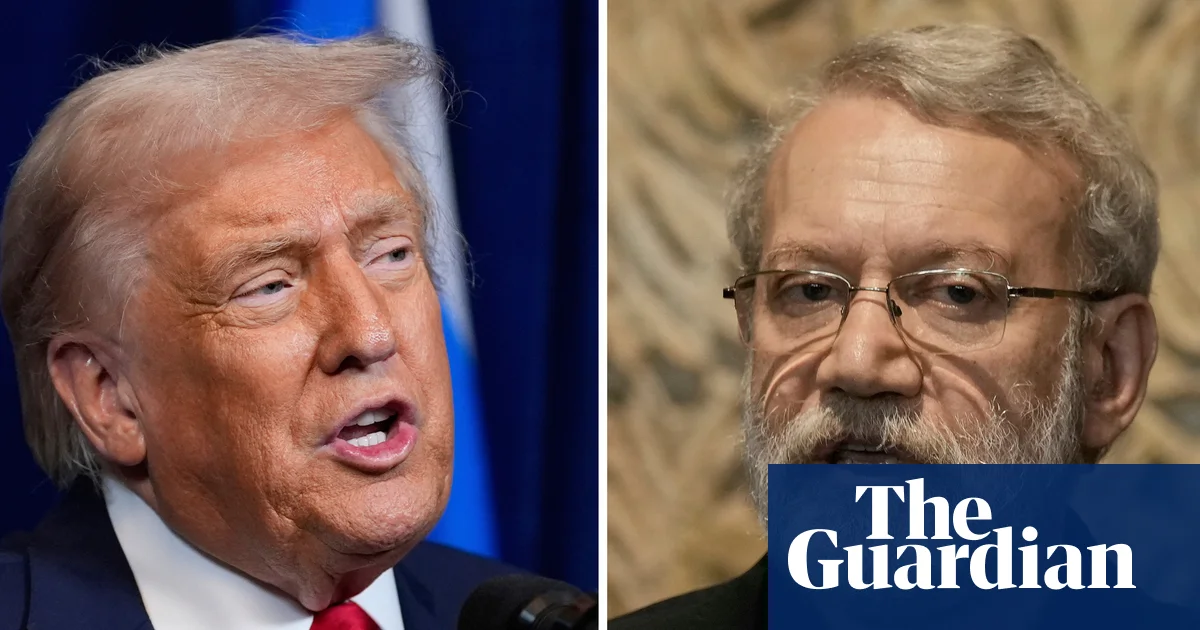
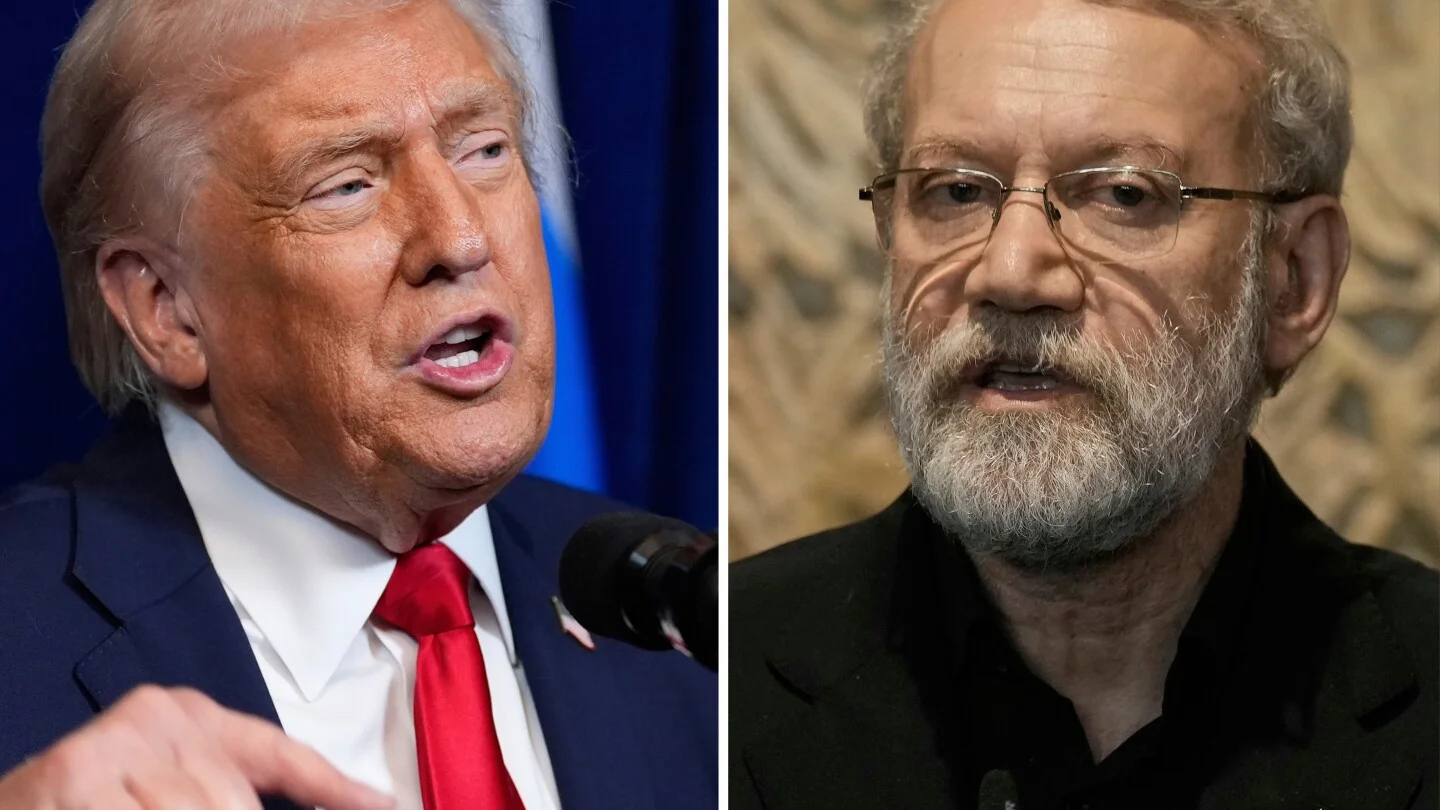
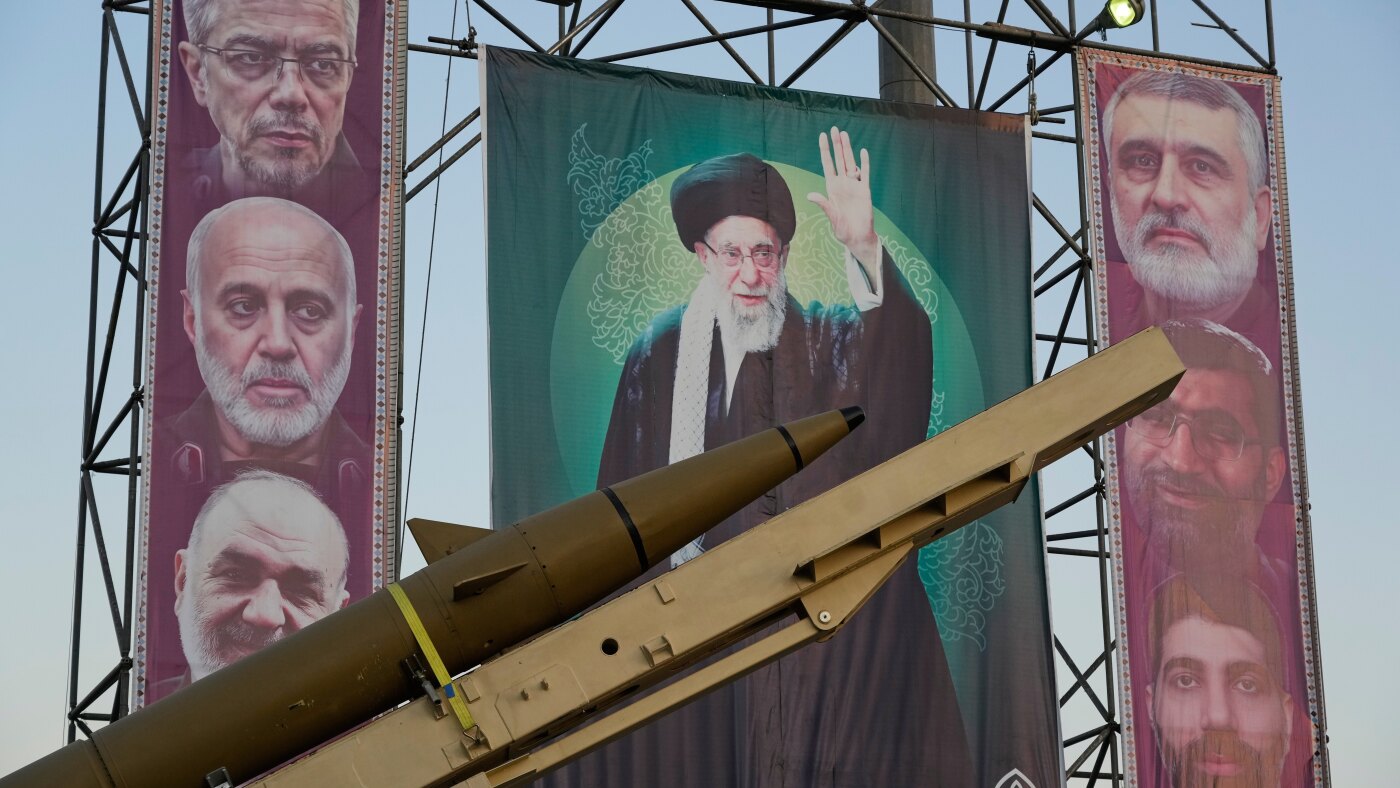
Iranian officials warned US President Trump not to cross a 'red line' after he threatened intervention over protests in Iran, which have been triggered by economic decline and have resulted in casualties. Iran's government responded with strong warnings against foreign interference, amid escalating tensions related to protests and Iran's nuclear activities.
Amid widespread protests in Iran over economic issues and currency collapse, U.S. President Trump issued threats on social media warning Iran against violence towards protesters, escalating tensions between the two countries. Iranian officials responded by accusing the US and Israel of inciting unrest, with regional security concerns mounting following recent US strikes on Iranian nuclear sites and Iran's warnings against foreign intervention.
The UN has reimposed sanctions on Iran through the 'snapback' mechanism, intensifying economic hardship amid a struggling economy, rising food prices, and increased repression, while Iran's nuclear activities remain a concern for international observers.
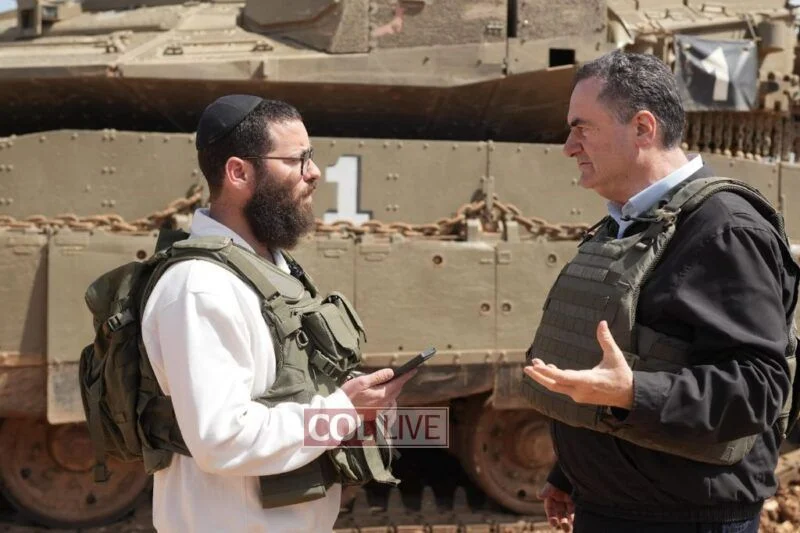
Israeli Defense Minister Israel Katz revealed details of a covert operation to strike Iran's nuclear and missile facilities, including a near-attack on Tehran that was halted 90 seconds before impact at the request of U.S. President Donald Trump, highlighting Israel's strategic planning and coordination with the U.S. to weaken Iran's military capabilities.
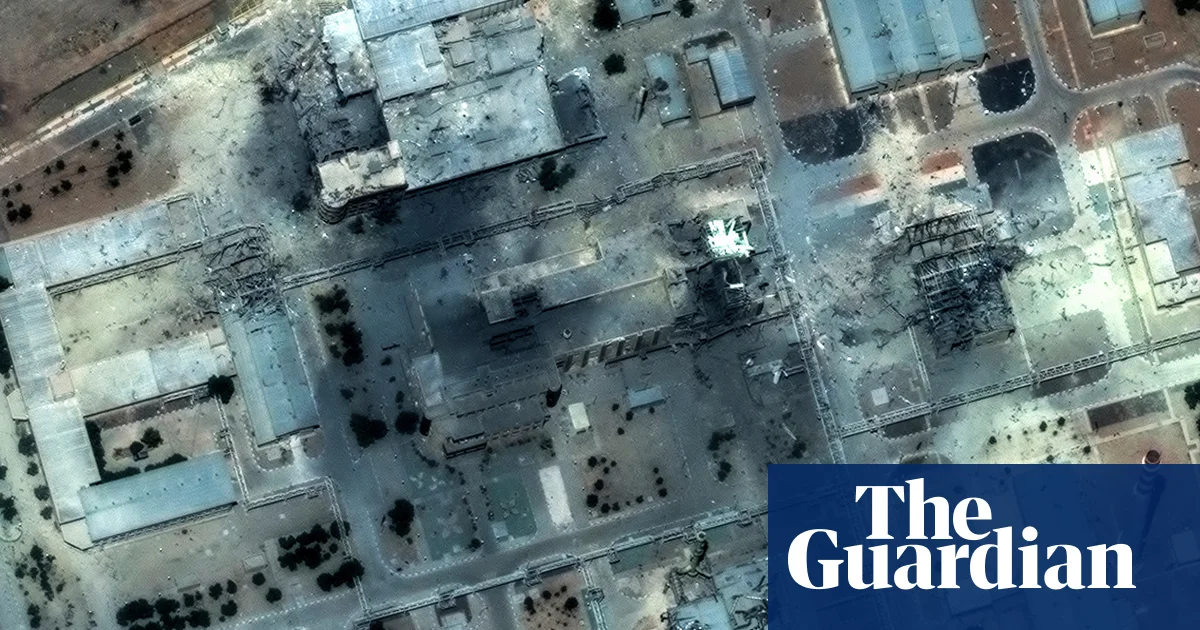
A U.S. assessment reveals that last month's strikes on Iran's nuclear sites mostly destroyed one facility, Fordo, significantly setting back Iran's nuclear capabilities, while two other sites were only partially damaged and could potentially resume enrichment within months. The strikes, part of a broader military plan rejected by President Trump, aimed to severely weaken Iran's nuclear program, but assessments suggest Iran may still rebuild or continue nuclear activities, raising the possibility of future conflicts.
The report details recent developments in Iran's nuclear activities, internal political divisions, and regional conflicts, including Israeli strikes on Iranian sites, Houthi attacks in Yemen, and disrupted Iraqi militia plans, highlighting ongoing regional instability and Iran's internal and external challenges.
The Pentagon reports that US strikes on Iran's nuclear facilities have set back Iran's nuclear program by approximately one to two years, based on intelligence assessments, though the extent of damage remains uncertain and contested.
G7 foreign ministers support the Israel-Iran ceasefire and urge the resumption of negotiations to reach a comprehensive deal on Iran's nuclear program, amid regional tensions and recent conflicts.
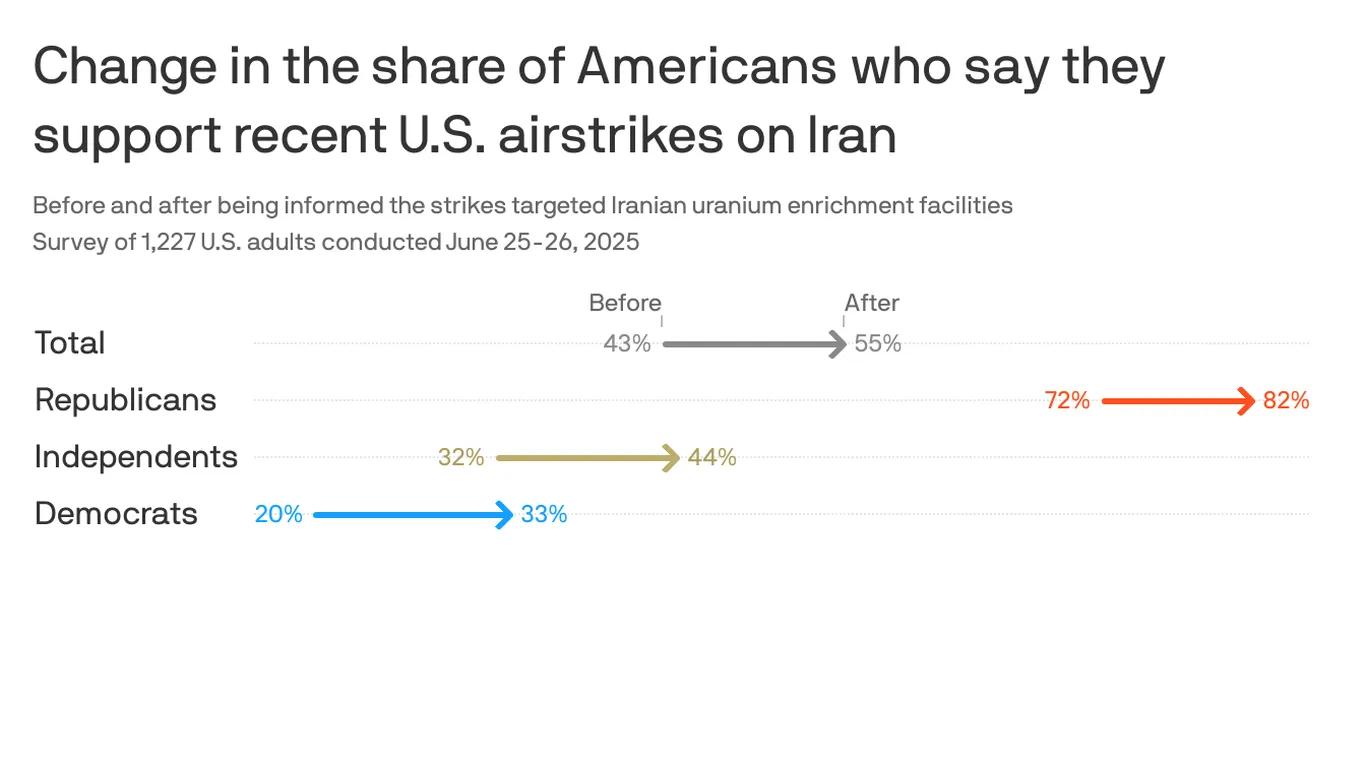
A recent poll shows that most American voters support limited U.S. strikes on Iran's nuclear facilities but are concerned about escalation and retaliation, with support varying across political lines and a nuanced view on foreign policy and regional conflicts.
The article discusses the aftermath of US and Israeli strikes on Iran's nuclear facilities, highlighting conflicting reports on the extent of damage, the challenges in assessing underground facilities, and the uncertain future of Iran's nuclear capabilities, amid political tensions and intelligence uncertainties.
U.S. intelligence agencies, including the CIA, have assessed that recent strikes on Iran's nuclear sites have severely damaged its nuclear program, though the extent of destruction and Iran's ability to rebuild remain uncertain. President Trump claimed the sites were 'obliterated,' but intelligence reports suggest the damage is substantial yet not total, with delays in Iran's nuclear capabilities expected to be only months to years. The assessments have sparked political controversy and debate over the true impact of the strikes.
President Trump is aggressively defending the success of US airstrikes on Iran's nuclear facilities, claiming they have been 'obliterated,' despite mixed intelligence reports and leaks. The administration is actively discrediting initial assessments and seeking support from Israel to bolster his narrative, emphasizing the damage to Iran's nuclear capabilities and framing the operation as a major victory.
President Trump claims the U.S. and Israeli strikes have completely destroyed Iran's nuclear facilities, contradicting early Pentagon reports suggesting limited damage, and emphasizes that Iran's nuclear program is effectively halted for years, while also dismissing the need for negotiations and highlighting ongoing tensions in the region.
US President Donald Trump announced that the US and Iran may sign a nuclear agreement during upcoming talks, despite ongoing tensions, US strikes on Iran's nuclear facilities, and concerns over missing enriched uranium. Trump emphasized the possibility of restarting negotiations and easing sanctions, while Iran prepares to continue its nuclear activities.