A recent study suggests that microplastic exposure in male mice can negatively affect the metabolic health of their female offspring, raising concerns about potential intergenerational health risks in humans. Microplastics are pervasive environmental pollutants found in water, soil, air, and human tissues, and their impact on future generations warrants caution, especially for men planning to have children. Reducing plastic use may help minimize exposure.
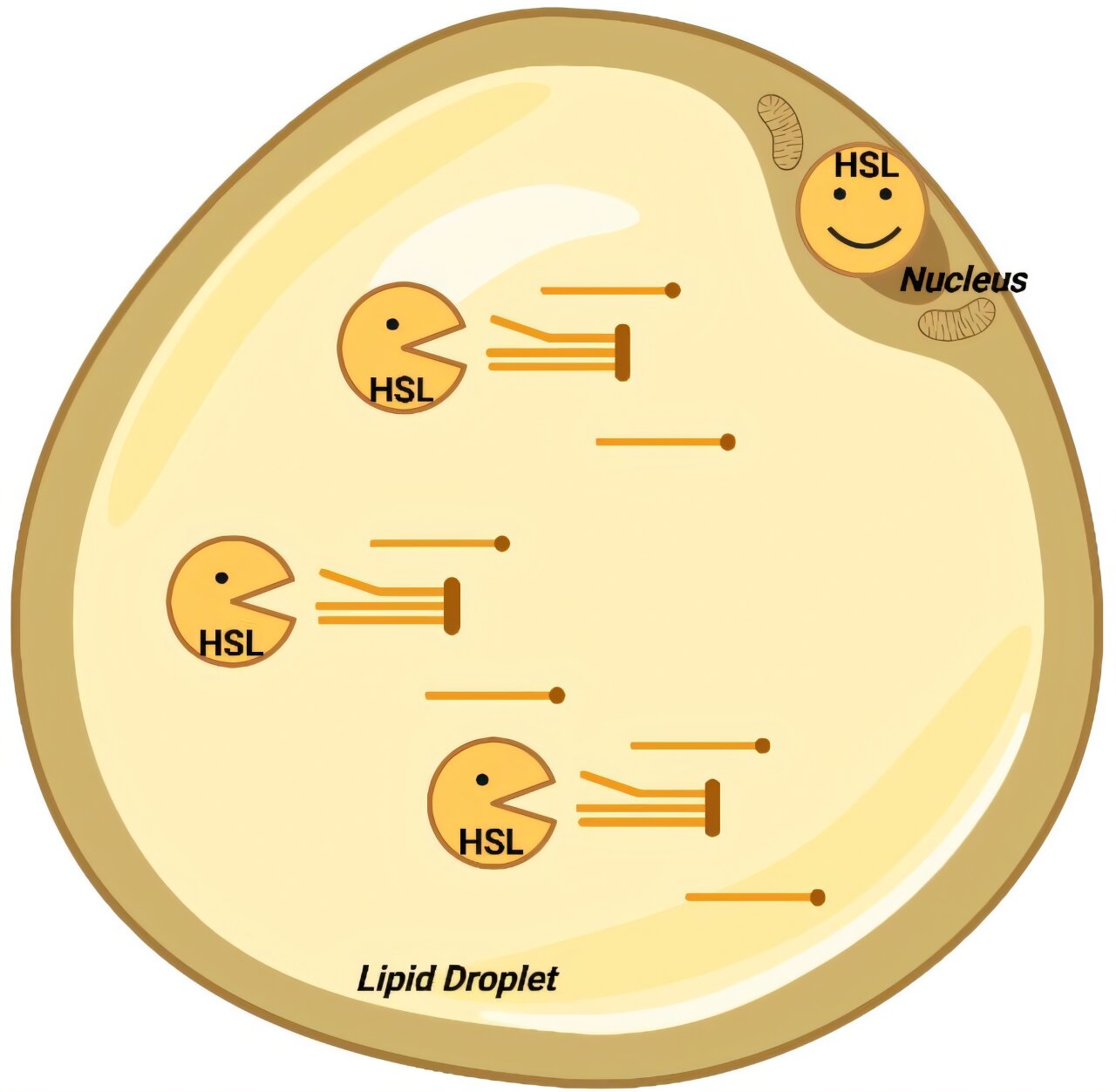
Scientists have discovered a new role for hormone-sensitive lipase (HSL) in the nucleus of fat cells, where it helps maintain healthy adipose tissue, explaining the paradox of fat loss in HSL deficiency and opening new avenues for understanding metabolic diseases like obesity and lipodystrophy.
Canadian scientists discovered that a molecule produced by gut bacteria, D-lactate, fuels blood sugar and liver fat, contributing to diabetes and fatty liver disease. They developed a biodegradable polymer to trap D-lactate in the gut, which improved blood sugar control and reduced liver damage in mice, offering a new approach to treating metabolic diseases by targeting microbial fuel sources before they affect the body.
A new study published in the Journal of the American Heart Association links excessive screen time in children and teens to increased risks of cardiometabolic diseases such as high blood pressure, high cholesterol, and insulin resistance, with findings suggesting that limiting screen time and ensuring adequate sleep may help protect long-term health.
Canadian researchers discovered that a molecule called D-lactate produced by gut bacteria can worsen blood sugar and liver health. They developed a biodegradable polymer to trap D-lactate in the gut, which improved blood sugar control and reduced liver damage in obese mice, offering a new approach to treating metabolic diseases like diabetes and fatty liver disease.
A new study links exposure to PFAS "forever chemicals" in young adults to reduced gut health, potentially leading to kidney disease. Researchers found that PFAS exposure alters gut bacteria and metabolites, which may account for up to 50% of the decrease in kidney function over four years. The study highlights the need for further research and suggests that reducing PFAS exposure and exploring dietary interventions could help prevent kidney disease. PFAS are known for their persistence in the environment and are associated with various health issues, including cancer and immune dysfunction.
A father's diet before conception can significantly impact his children's health, particularly their risk of metabolic diseases, through changes in sperm RNA that affect gene expression. This research highlights the importance of paternal health and suggests that preventive health care for prospective fathers, especially regarding diet, could reduce disease risks in offspring.
Researchers have found that a specific type of lipid, bis(monoacylglycero)phosphates (BMPs), accumulates in tissues as they age but can be reduced through exercise. The study, published in Nature Aging, analyzed mice and human tissue and observed elevated levels of BMPs in older animals and individuals. However, after a healthy intervention involving daily exercise, the levels of BMPs decreased in the active participants. This discovery sheds light on the aging process and opens up possibilities for new interventions to counteract age-related changes.
Researchers have developed an ingestible capsule called FLASH that can electronically stimulate the hunger-regulating hormone ghrelin in pigs, offering a potential treatment for gastrointestinal, neuropsychiatric, and metabolic disorders. The capsule emits electronic signals and moves through the body, eventually being excreted. The team plans to continue researching for human application and explore treatment options for eating disorders and metabolic diseases.
Trehalose, a naturally occurring sugar found in some mushrooms, seaweed, honey, and yeast, is gaining attention among scientists for its potential use as a food stabilizer and therapeutic. Some research suggests trehalose has potential to be used to manage some metabolic diseases and may support the gut microbiome as a prebiotic. Trehalose can also be used as an effective food preservative. However, more studies are needed to confirm these observations. Trehalose is considered safe for most people to consume, and for now, there isn't enough evidence to say that it offers significant health benefits.