NFL legend Dan Marino was diagnosed with fatty liver disease (MASH) in 2007, which he attributes to lifestyle changes after retirement. He is now sharing his story to raise awareness about the importance of diet and exercise in managing the condition, emphasizing support from loved ones and the potential for reversal through healthy habits.

Football legend Dan Marino revealed he's been battling metabolic dysfunction-associated steatohepatitis (MASH) for nearly a decade. After experiencing fatigue, he was diagnosed and has since made significant lifestyle changes, including increased exercise and dietary adjustments, to improve his condition.
Dan Marino revealed he was diagnosed with metabolic dysfunction-associated steatohepatitis (MASH) in 2007, a reversible liver condition linked to fat buildup, which he manages through diet and exercise, including a Mediterranean diet and physical activity.
Scientists at UC San Diego have developed an investigational drug, ION224, that targets the root cause of severe fatty liver disease (MASH) by inhibiting the enzyme DGAT2, showing promising results in a Phase IIb trial with significant liver health improvements and no serious side effects, offering hope for a potential new treatment to halt or reverse disease progression.
Novo Nordisk is expanding into the MASH treatment market following FDA approval of Wegovy for this condition, which could significantly increase the company's market opportunities. While Wegovy faces competition from Madrigal's Rezdiffra, the market's growth potential and the need for early diagnosis and treatment of MASH present substantial opportunities for both companies. The success of Wegovy and Rezdiffra will depend on market acceptance, payer coverage, and ongoing research, with the overall MASH drug market expected to reach over $15 billion by 2032.
Novo Nordisk's stock rose after FDA approved Wegovy for treating MASH, competing with Madrigal Pharmaceuticals' Rezdiffra. While Wegovy's approval benefits Novo, Madrigal's Rezdiffra continues to perform strongly, and the overall market response reflects ongoing competition and market dynamics in obesity and liver disease treatments.
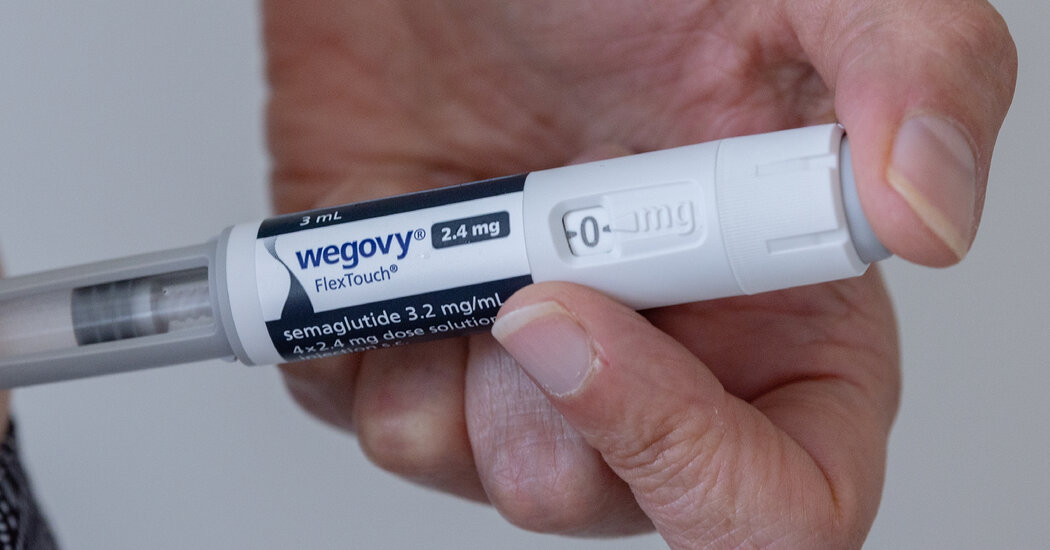
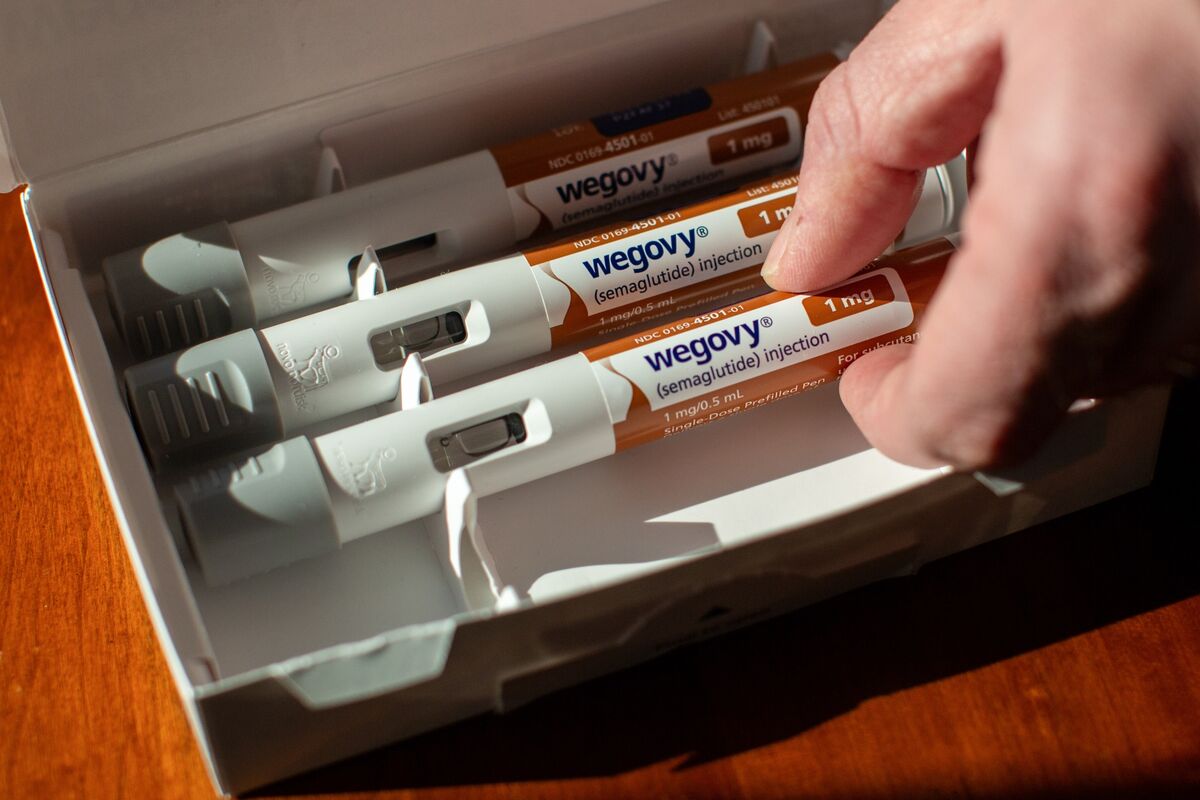
The FDA has approved Wegovy, a weight loss drug, for treating metabolic dysfunction-associated steatohepatitis (MASH), a liver disease linked to obesity that can lead to serious complications. The approval follows promising clinical trial results showing significant improvement in liver health for patients taking the drug, which may work through weight loss and reducing inflammation.
Novo Nordisk's stock rose after FDA approved Wegovy for treating MASH, a serious liver disease, marking a significant development for the company's drug portfolio amid increasing competition in the GLP-1 market.
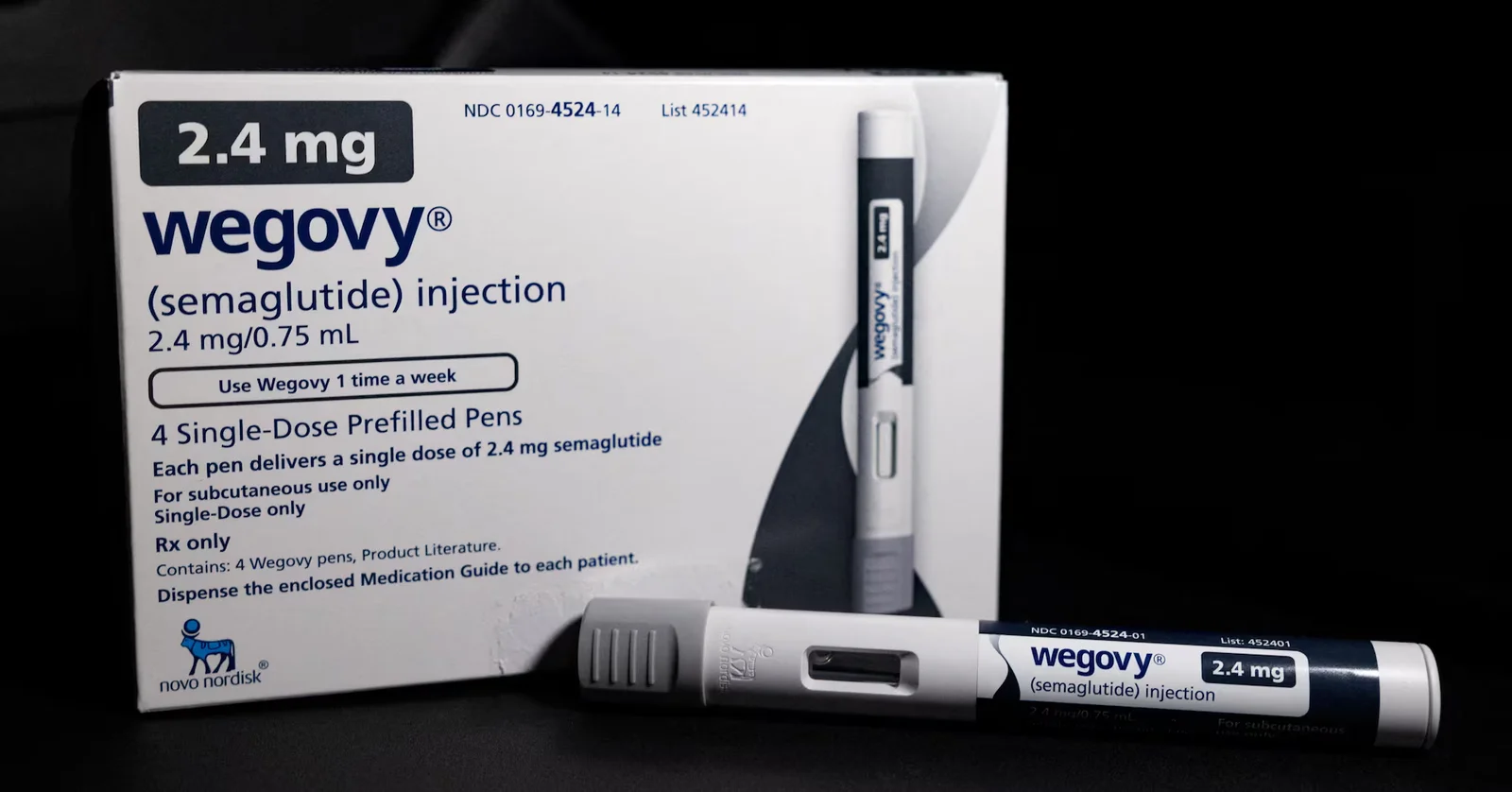
Novo Nordisk's Wegovy has received accelerated FDA approval to treat metabolic dysfunction-associated steatohepatitis (MASH), making it the first GLP-1 treatment approved for this liver condition, leading to a 7.4% rise in the company's shares. The approval is based on positive trial results showing significant improvement in liver fibrosis, and Wegovy's expanded use enhances its position in the metabolic disease market.
The FDA has approved Novo Nordisk's Wegovy for use against metabolic dysfunction-associated steatohepatitis (MASH), expanding its indications for weight loss therapy to include this liver disorder.
Novo Nordisk's Wegovy has received accelerated FDA approval to treat MASH, making it the first GLP-1 therapy approved for this liver condition, based on promising early trial results, with plans for approval in Europe and Japan.
Novo Nordisk's weight-loss drug Wegovy has received FDA approval to treat MASH, a serious liver disease affecting about 6% of US adults, giving the company a first-mover advantage in this expanding market for GLP-1 drugs. The drug has shown promise in improving liver fibrosis and reducing inflammation, potentially reversing liver damage in affected patients.
Novo Nordisk's obesity drug Wegovy has received accelerated FDA approval to treat metabolic dysfunction-associated steatohepatitis (MASH), a liver disease linked to obesity, after showing positive results in Phase 3 trials that improved liver fibrosis and symptoms.
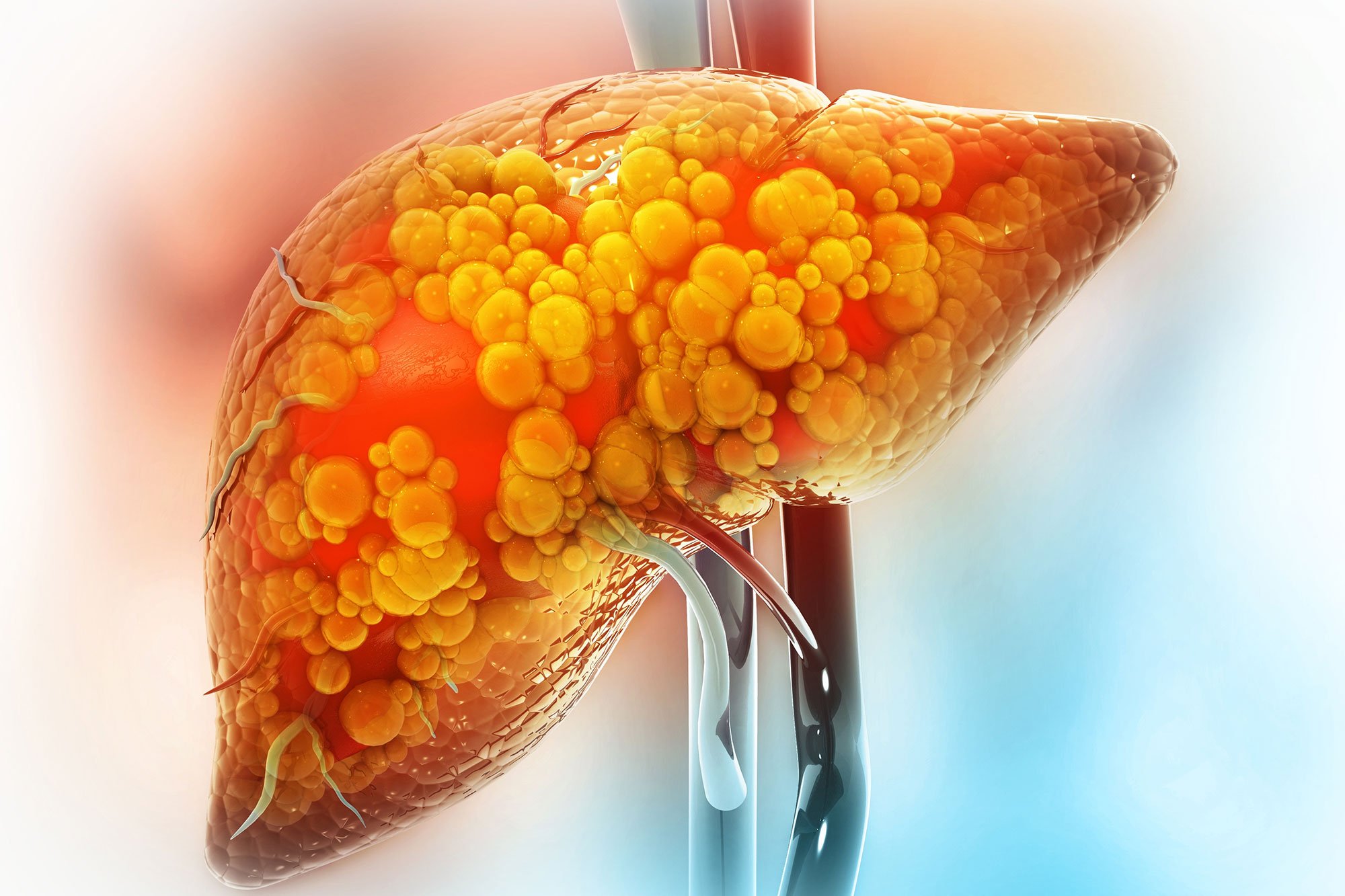
Fatty liver disease (MASLD) is increasingly common, especially among overweight, diabetic, or metabolic syndrome individuals, and can progress to MASH, significantly raising liver cancer risk. Early detection through screening and lifestyle modifications like weight management, healthy diet, and exercise are crucial for prevention and reversal before severe damage occurs.
A renamed liver condition, now called steatotic liver disease with a severe subtype called MASH, affects about 40% of Americans and often goes undetected due to lack of symptoms, but early diagnosis and lifestyle changes can significantly improve outcomes. New treatments like resmetirom and semaglutide show promise in reversing liver damage.