A Netflix docuseries, 'Fit for TV,' critiques the harmful health and psychological impacts of the reality show 'The Biggest Loser,' highlighting extreme dieting, overexercise, and body shaming, which may have long-term negative effects on contestants and viewers' perceptions of weight and health.
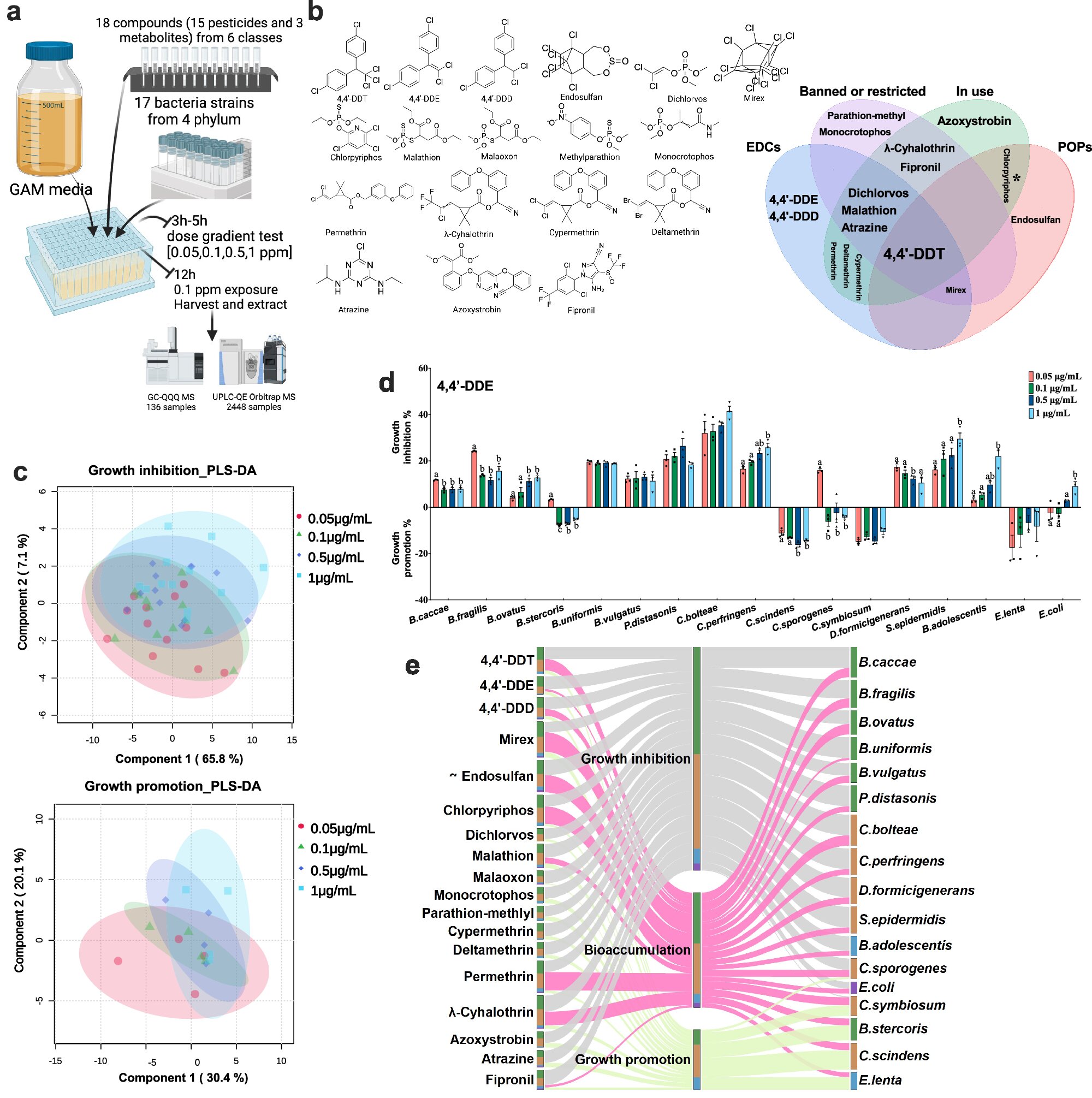
A comprehensive study maps how various pesticides impact human gut bacteria, revealing specific microbial changes and potential protective probiotic strategies to mitigate toxicity and inflammation, with implications for disease prevention and treatment.
Researchers have discovered that an early sign of Alzheimer's disease is a metabolic increase in the hippocampus, preceding the formation of brain plaques. Using mice with Alzheimer's pathology, the study found increased mitochondrial metabolism followed by synaptic disruptions due to hindered cellular recycling. These metabolic changes could serve as an early diagnostic marker and pave the way for timely interventions. The findings highlight the importance of retaining functional mitochondria and normal protein metabolism in the development of Alzheimer's disease.
Scientists have made a breakthrough in detecting early Alzheimer's disease by identifying metabolic changes in the brain's hippocampus, a region involved in memory and learning. The study found that an increase in metabolism in the mitochondria, along with disruptions in cellular recycling systems, could be early indicators of the disease. Detecting Alzheimer's early is crucial as it allows for the possibility of early intervention and treatment. Currently, there is no known cure for Alzheimer's, but new medications may offer relief and slow down symptom development if diagnosed early.