Tag

Healthcare Providers

All articles tagged with #healthcare providers

"UnitedHealth Faces Fallout from Data Breach in First-Quarter Earnings"

Originally Published 1 year ago — by Yahoo Finance

Featured image for "UnitedHealth Faces Fallout from Data Breach in First-Quarter Earnings"
Source: Yahoo Finance

UnitedHealth is expected to report higher medical costs in its first-quarter earnings following a cyberattack that disrupted its technology systems. The attack affected hospitals, clinicians, and pharmacies nationwide, leading to increased administrative costs and disruptions in medical claims and payments processing. Analysts anticipate a decline in adjusted profit for the first quarter, with estimates of additional medical costs incurred due to the suspension of prior authorizations for some government-backed insurance plans. The company is also expected to face legal costs related to class actions and challenges in separating the impact of the hack from other factors affecting medical care utilization.

"Healthcare Cyberattacks: Impact on Providers and Patients"

Originally Published 1 year ago — by NBC News

Featured image for "Healthcare Cyberattacks: Impact on Providers and Patients"
Source: NBC News

Small private practices and healthcare providers are facing financial strain as crucial reimbursement systems remain down for the ninth day following a cyberattack on Change Healthcare, disrupting transactions with major insurance companies and leaving providers unable to receive reimbursements. The outage has led to increased administrative burden and financial stress for practices, with some facing the possibility of closure. The cyberattack, attributed to ransomware group Blackcat, has raised concerns about patient care and financial viability, prompting providers to consider contingency plans while awaiting updates on when systems will be restored.

"UnitedHealth Cyberattack Causes Billing Delays and Prescription Access Threats"

Originally Published 1 year ago — by The Verge

Featured image for "UnitedHealth Cyberattack Causes Billing Delays and Prescription Access Threats"
Source: The Verge

UnitedHealth has attributed a disruptive cyber attack affecting healthcare providers to the group Blackcat, causing a week-long outage of its Change Healthcare system and hindering transactions between providers and insurance companies. The breach, which could last for weeks, has prompted the company to set up a loan program for affected healthcare providers. Blackcat, known for previous hacks, has claimed responsibility and allegedly stolen millions of patient records, including sensitive medical and insurance data. The US government has issued a $15 million reward for information on the group, and UnitedHealth is working with cybersecurity firms to address the situation.

"Ransomware Outage Hits Healthcare Providers, Millions of Records Stolen"

Originally Published 1 year ago — by Reuters

Featured image for "Ransomware Outage Hits Healthcare Providers, Millions of Records Stolen"
Source: Reuters

Healthcare providers in the United States are facing financial strain due to a week-long ransomware outage at UnitedHealth Group's Change Healthcare unit, preventing them from processing payments and claims. Small businesses, including therapists and laboratories, are accumulating thousands of dollars in overdue payments, while larger hospital chains are absorbing upfront costs. The outage has disrupted insurance transactions and electronic pharmacy refills, with providers of all sizes feeling the strain. UnitedHealth Group has stated that claims submissions have returned to pre-disruption levels, and alternative clearing houses can be used to submit claims. The company initially blamed a suspected nation-state associated cybersecurity threat actor for the disruption, but sources indicate that a criminal gang dubbed "Blackcat" or "ALPHV" was responsible.

"Understanding the Distinctions: NP, PA, and Doctor Differences Explained"

Originally Published 1 year ago — by Vox.com

Featured image for "Understanding the Distinctions: NP, PA, and Doctor Differences Explained"
Source: Vox.com

As the US faces a growing physician shortage, nurse practitioners (NPs) and physician assistants (PAs) are increasingly providing healthcare services. NPs and PAs, trained in the nursing model, offer a holistic approach to patient care, focusing on personal goals and situations. While doctors are trained in the medical model to diagnose and treat illness, NPs and PAs may have longer visits, providing more time for patient education. For complex medical conditions, doctors have an advantage due to their extensive training, but for less complex cases, NPs and PAs provide safe and cost-effective care. Patients should inquire about their provider's training, seek help if needed, and feel empowered to seek a second opinion if necessary.

"Rethinking HIV Communication: A Study on Healthcare Providers' Language"

Originally Published 2 years ago — by Queerty

Featured image for "Rethinking HIV Communication: A Study on Healthcare Providers' Language"
Source: Queerty

A new study suggests that healthcare providers should reconsider how they communicate with people living with HIV about low viral loads, as increasingly sensitive tests are causing confusion over the "Undetectable = Untransmittable" message. The study argues that reporting specific viral load figures below 200 copies/ml could be a harmful medical practice, leading to mistrust and confusion among patients and providers. It recommends clearer communication and potentially hiding precise values below 200 copies/ml, emphasizing that anything less than 200 copies/ml is considered undetectable and poses zero risk of transmission.

US Healthcare Providers Rally Behind Biden's AI Safety Regulations

Originally Published 2 years ago — by Reuters

Featured image for US Healthcare Providers Rally Behind Biden's AI Safety Regulations
Source: Reuters

Twenty-eight healthcare companies, including CVS Health, have committed to ensuring the safe development of artificial intelligence (AI) by signing U.S. President Joe Biden's voluntary commitments. This follows the commitments made by 15 leading AI companies, including Google and Microsoft, to develop AI models responsibly. The Biden administration aims to set parameters around AI as its capabilities and popularity grow, with limited regulation in place. The commitments by healthcare providers and payers aim to advance responsible AI in health-related fields, recognizing the potential benefits for patients, doctors, and hospital staff. The principles of the administration plan include informing users about AI-generated content, addressing potential harms, and developing AI solutions that improve health equity and access to care.

The Growing Divide: Seniors Embrace Medicare Advantage, While Hospitals and Doctors Remain Skeptical

Originally Published 2 years ago — by Fortune

Featured image for The Growing Divide: Seniors Embrace Medicare Advantage, While Hospitals and Doctors Remain Skeptical
Source: Fortune

Health care providers, including hospitals and doctors, are increasingly refusing to accept Medicare Advantage plans, despite the growing popularity of these plans among Medicare beneficiaries. The friction between insurers and providers arises from payment rates imposed by Medicare Advantage plans and the perceived burdensome requirements for preapproval and claims denials. Patients may be forced to switch plans or revert to traditional Medicare, which can be challenging. The conflicts between insurers and providers may be the beginning of a trend as the Medicare market becomes more concentrated among a few insurers. Studies show that Medicare Advantage costs taxpayers more per beneficiary than the traditional program, but the plans enjoy political support due to their popularity.

Rapid Surge in Congenital Syphilis Cases Demands Urgent Response

Originally Published 2 years ago — by The Guardian

Featured image for Rapid Surge in Congenital Syphilis Cases Demands Urgent Response
Source: The Guardian

Cases of congenital syphilis in the US have surged over the past decade, prompting the Centers for Disease Control and Prevention (CDC) to call for "concerted action" to address the epidemic. In 2022, over 3,700 babies were born with congenital syphilis, more than ten times the number in 2012. The disease, which can result in stillbirth, death, or birth defects, was nearly eradicated in the 1990s but resurged due to limited funding for sexually transmitted diseases. Nearly 90% of cases could have been prevented, with barriers ranging from individual factors like untreated addiction to systemic issues such as a lack of prenatal care in rural communities. The shortage of Bicillin, the only safe treatment for syphilis during pregnancy, has further strained the situation. Disparities exist, with higher rates among Black, Latino, and Native American populations, highlighting the impact of social determinants of health.

COVID Vaccines: Availability and Access Issues Persist in Some US Regions

Originally Published 2 years ago — by Reuters.com

Featured image for COVID Vaccines: Availability and Access Issues Persist in Some US Regions
Source: Reuters.com

Some Americans are still struggling to find appointments for the latest version of the COVID-19 vaccine, with reports of upfront payments ranging from $150 to $200. The U.S. government has shifted responsibility for distribution, administration, and payment coverage to private companies, including vaccine makers, pharmacies, and insurance plans. Despite the rollout of millions of doses, individuals are facing difficulties in securing appointments, experiencing canceled appointments, and encountering payment refusals. Health insurance plans are required to cover the shots at no cost, but some people are being told that the new shots are not covered by their plan at certain locations. Independent pharmacists are also facing challenges as they now have to pay for the shots themselves.

COVID Cases Surge in KC Hospitals: Urgent Warning to Stay Vigilant

Originally Published 2 years ago — by WDAF FOX4 Kansas City

Featured image for COVID Cases Surge in KC Hospitals: Urgent Warning to Stay Vigilant
Source: WDAF FOX4 Kansas City

Hospital leaders in Kansas City are expressing concern over a rise in COVID-19 cases, coinciding with the CDC's approval of booster shots for individuals above the age of 6 months. Doctors are seeing a variety of symptoms and warn that the risk of serious illness or death for those with underlying health issues still exists. The increase in cases is impacting both inpatient and outpatient care, with some healthcare providers themselves becoming infected. The general manager of a local business shares that they had to temporarily close due to multiple employees being out with COVID-19. While the situation is not as severe as in previous years, doctors urge people to remain vigilant, follow sanitizing protocols, and consider getting the booster shot.

Corizon Health's Bankruptcy: A Game-Changer for Corporate America.

Originally Published 2 years ago — by Business Insider

Featured image for Corizon Health's Bankruptcy: A Game-Changer for Corporate America.
Source: Business Insider

Corizon Health, one of the largest private prison healthcare providers, has filed for bankruptcy in a controversial move to shield itself from numerous lawsuits alleging medical negligence. The bankruptcy could result in the settlement of malpractice suits for significantly less than their value, along with employment-law suits and unpaid invoices from medical providers, totaling at least $88 million. The bankruptcy tactic, known as the Texas Two-Step, involves splitting a company into parts to separate assets from liabilities before filing for bankruptcy. If successful, this maneuver could have far-reaching implications for corporate America, allowing companies to eliminate unsecured liabilities and potentially change the American economy.

The Evolving Role of Pharmacists: Safeguarding Patients from Online Drug Sellers

Originally Published 2 years ago — by Pharmacy Times

Featured image for The Evolving Role of Pharmacists: Safeguarding Patients from Online Drug Sellers
Source: Pharmacy Times

Pharmacists play a crucial role in healthcare delivery by influencing patient outcomes and reducing the burden on physicians. Recent data from British Columbia, Canada, shows that pharmacists have seen a significant increase in their ability to renew or modify prescriptions, resulting in a 120% increase in the number of prescriptions renewed or adjusted by pharmacists. Pharmacists are highly trusted healthcare professionals and have frequent interactions with patients, making them an important point of care. Investing in pharmacists' education and targeting them strategically can yield high returns for pharmaceutical brands. Leveraging the expertise and accessibility of pharmacists can improve patient success, outcomes, and quality of life while alleviating the workload of physicians and their support teams.

Birth Control Linked to Higher Depression Risk in Women and Teens

Originally Published 2 years ago — by SciTechDaily

Featured image for Birth Control Linked to Higher Depression Risk in Women and Teens
Source: SciTechDaily

A large-scale study from Uppsala University has found that the use of combined contraceptive pills significantly increases the risk of depression in women, especially during the first two years of use and particularly in teenage users. Women who used combined contraceptive pills were at greater risk of developing depression than women who did not, with contraceptive pills increasing women’s risk by 73 percent during the first two years of use. The researchers call for increased awareness among healthcare providers and clear patient communication about potential risks.

Michigan Hospitals' Pandemic Profits and Tax Breaks: A Closer Look.

Originally Published 2 years ago — by MLive.com

Featured image for Michigan Hospitals' Pandemic Profits and Tax Breaks: A Closer Look.
Source: MLive.com

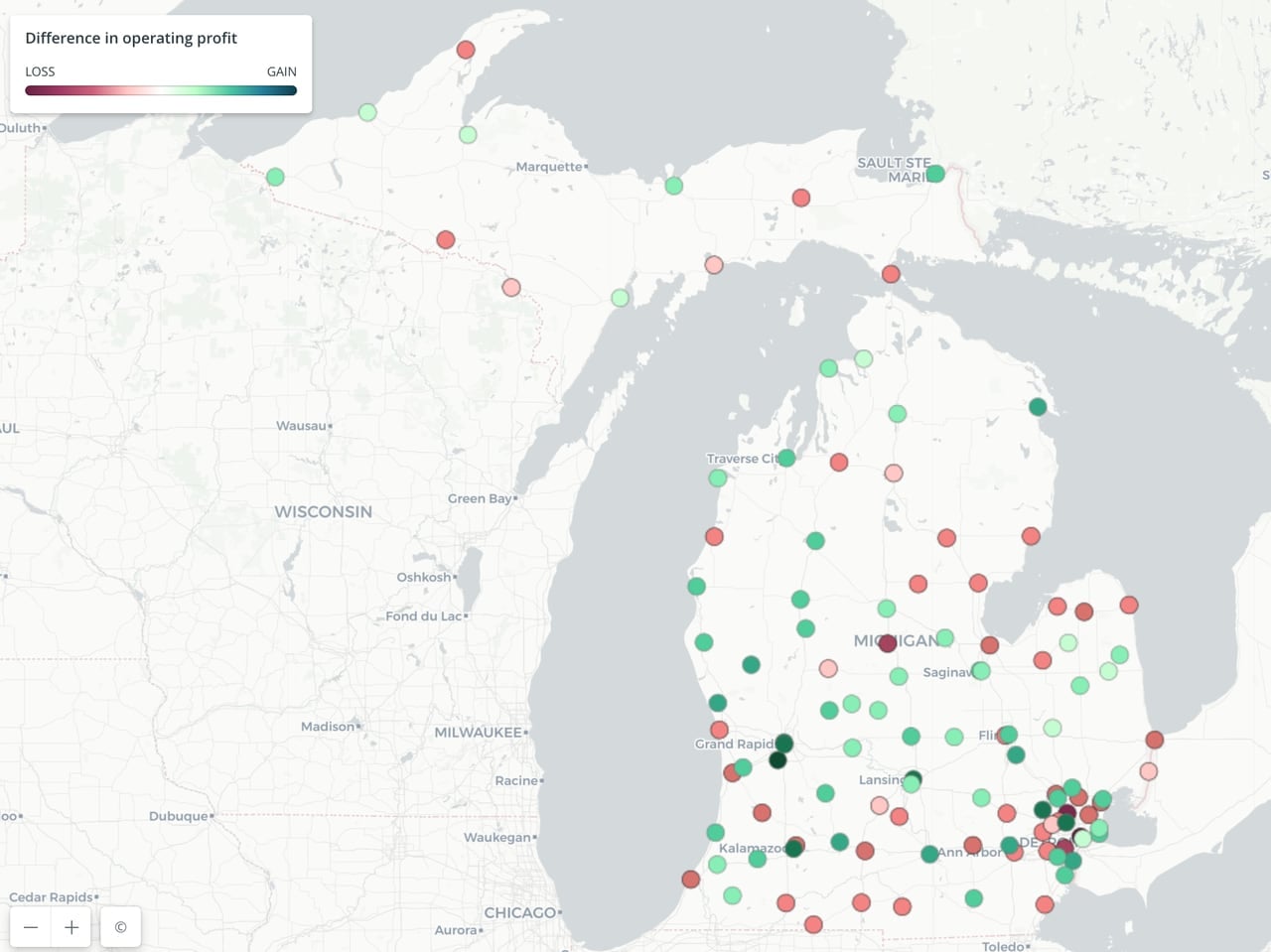
Some Michigan hospitals and health systems posted increases in operating profits and overall net assets during the pandemic, with a large portion of those profits coming from COVID-19 relief programs established by the federal government. The Coronavirus Aid, Relief, and Economic Security Act, Paycheck Protection Program, and Coronavirus Response and Relief Supplemental Appropriations Act provided a total of $178 billion to hospitals and healthcare providers across the U.S. on the front lines of the COVID-19 response. Michigan providers received a total of more than $4 billion from those programs.