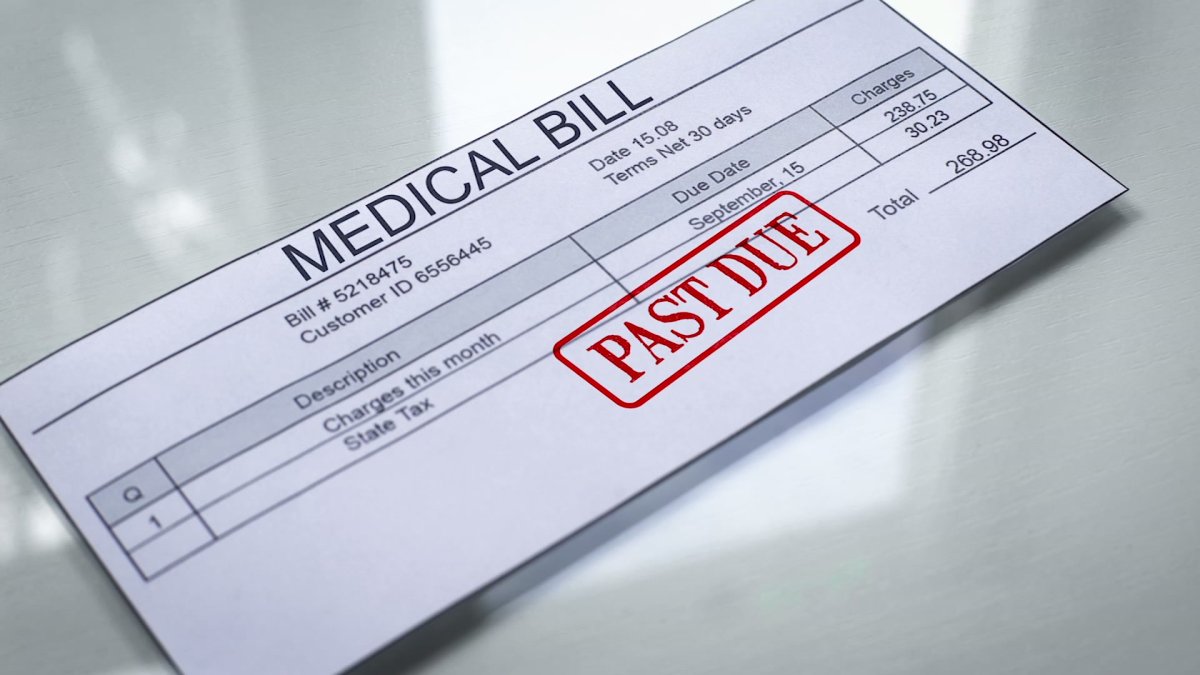
Connecticut is set to become the first state to cancel medical debt for thousands of residents statewide using $6.5 million in federal COVID-19 recovery funds. The plan, expected to wipe out around $650 million in medical debt for approximately 250,000 people, will be implemented under a state law signed last year. Eligible residents, with household incomes up to 400% of the federal poverty line or medical debt at 5% or more of their annual income, will have their debt canceled without an application process. The state will contract with a nonprofit organization to buy and eliminate medical debt from hospitals, with letters notifying residents of the debt cancellation expected to be sent out by the end of the year.
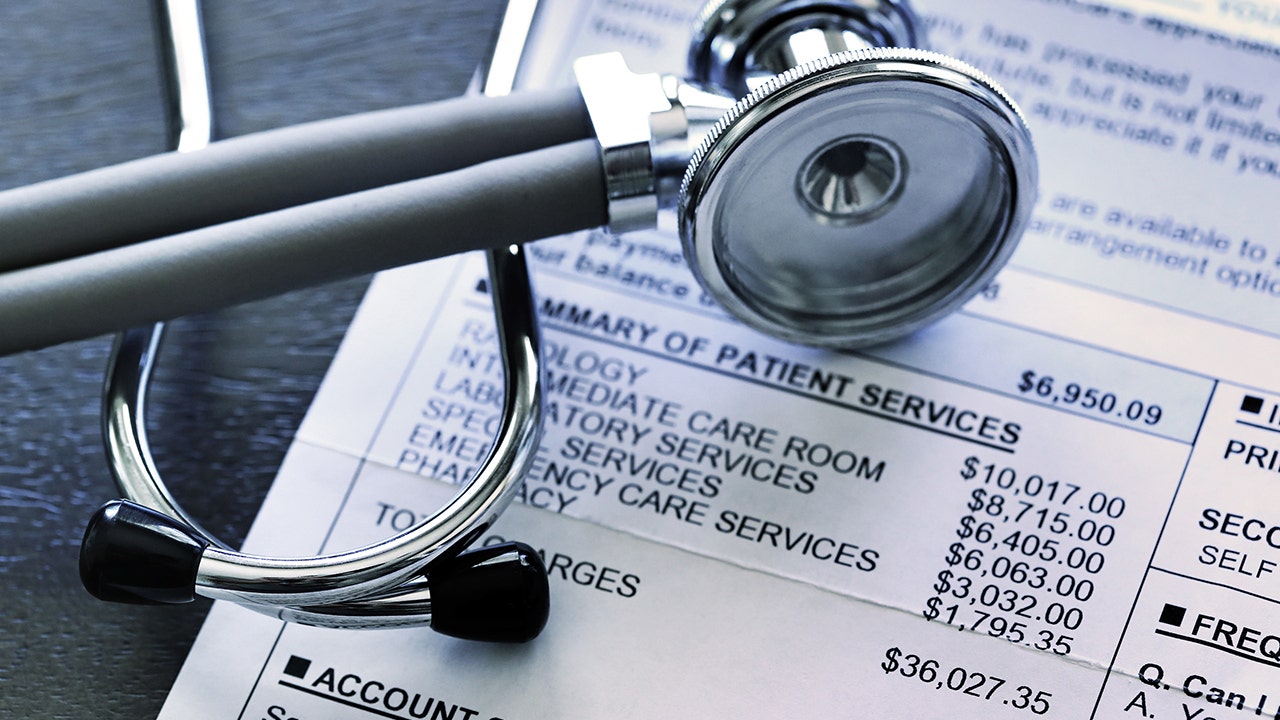
Connecticut Governor Ned Lamont announced that the state will be the first to cancel medical debt for all eligible residents, using $6.5 million in American Rescue Plan Act funds to erase approximately $1 billion in medical debt. The relief program aims to help those hit with a medical emergency and will not require eligible residents to apply for the debt cancellation. Qualifying residents include those with household incomes up to 400% of the federal poverty line or whose medical debt equates to 5% or more of their annual income. The initiative intends to provide financial and emotional relief while stimulating the local economy, with similar plans implemented in cities like New York City, New Orleans, and Pittsburgh.
Governor Ned Lamont is proposing the elimination of license application fees for certain jobs in education, childcare, and healthcare fields in an effort to encourage workers to fill available openings and save them about $3.5 million annually. The plan, to be included in the budget proposal presented to lawmakers in February, targets fees for educator certificates, home childcare licenses, and various nurse licenses. The proposal has garnered support from Senate Republican Leader Kevin Kelly, who sees it as a step towards creating more opportunities and better-paying jobs in Connecticut.
Connecticut Governor Ned Lamont has ordered U.S. and Connecticut flags to fly at half-staff in remembrance of the lives lost during the Sandy Hook tragedy 11 years ago. The flags will remain lowered from sunrise to sunset on Thursday, December 14. Governor Lamont emphasized the need to protect and reinforce the message of love and unity that emerged in the aftermath of the tragedy.
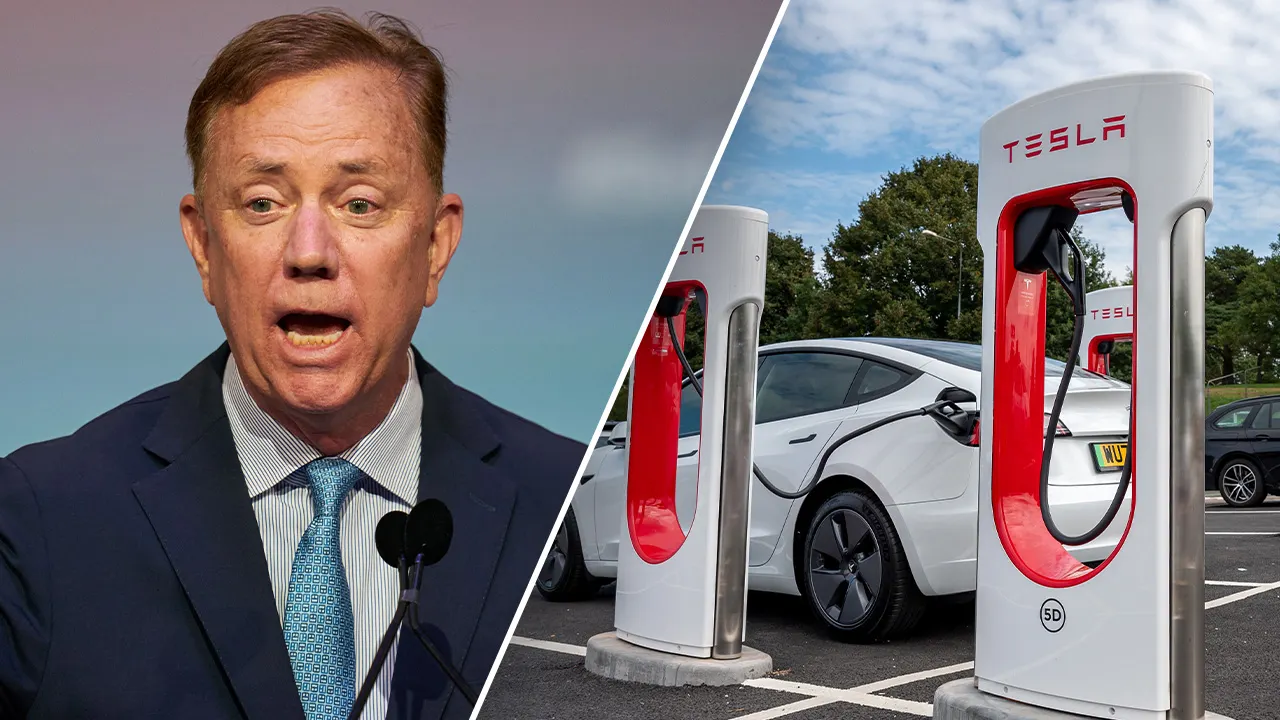
Connecticut Governor Ned Lamont, a Democrat, has withdrawn his proposal to mandate future electric vehicle (EV) purchases in the state after facing bipartisan opposition from lawmakers. The proposal, which aimed to align Connecticut's emissions standards with California's, would have required all passenger vehicles sold in the state to be electric by 2035. Critics raised concerns about the state's electric grid capacity, the cost of grid improvements, and the impact on working-class families. The decision to withdraw the proposal is seen as a setback for the EV industry and a blow to environmentalists who have advocated for such mandates nationwide.
Connecticut Governor Ned Lamont has declared August 11th as "50 Cent Day" in the state, in honor of rapper 50 Cent's performance at the Xfinity Theater. The former Connecticut resident, whose real name is Curtis Jackson, was celebrated with this honor, and Lamont expressed hope that it might convince him to move back to the state.