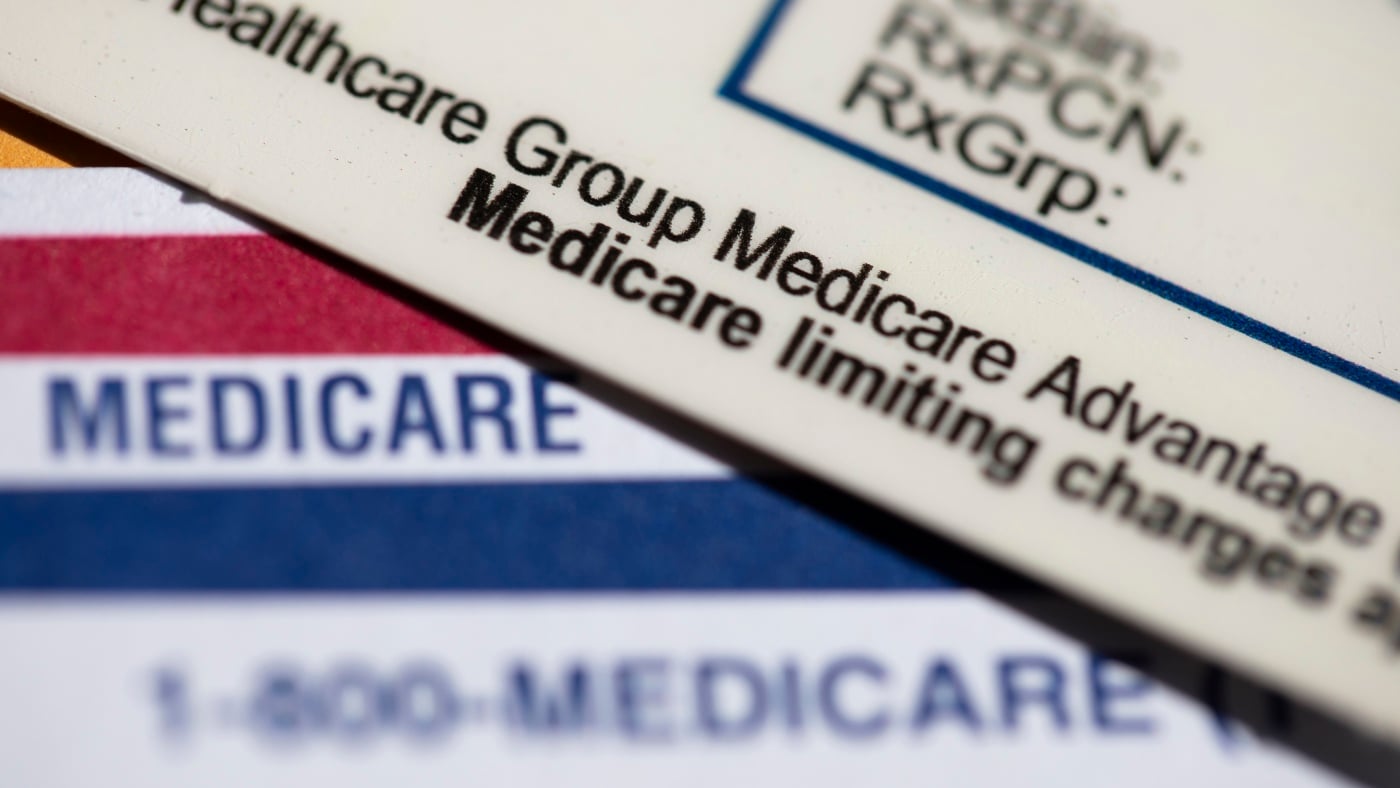
The Trump administration's CFPB is moving to override state laws that protect consumers from having medical debt reported on their credit reports, aiming to establish a uniform national standard under the Fair Credit Reporting Act, which could impact millions of Americans with medical debt.
A federal judge in Texas ruled that medical debt can remain on Americans' credit reports, overturning a Biden-era policy aimed at removing such debts to improve financial fairness, citing jurisdictional issues and concerns about credit report accuracy.
A federal judge in Texas has reversed a Biden administration rule that aimed to remove medical debt from credit reports, affecting nearly 15 million Americans and potentially increasing credit scores, citing that the Fair Credit Reporting Act does not permit the CFPB to make such removals.
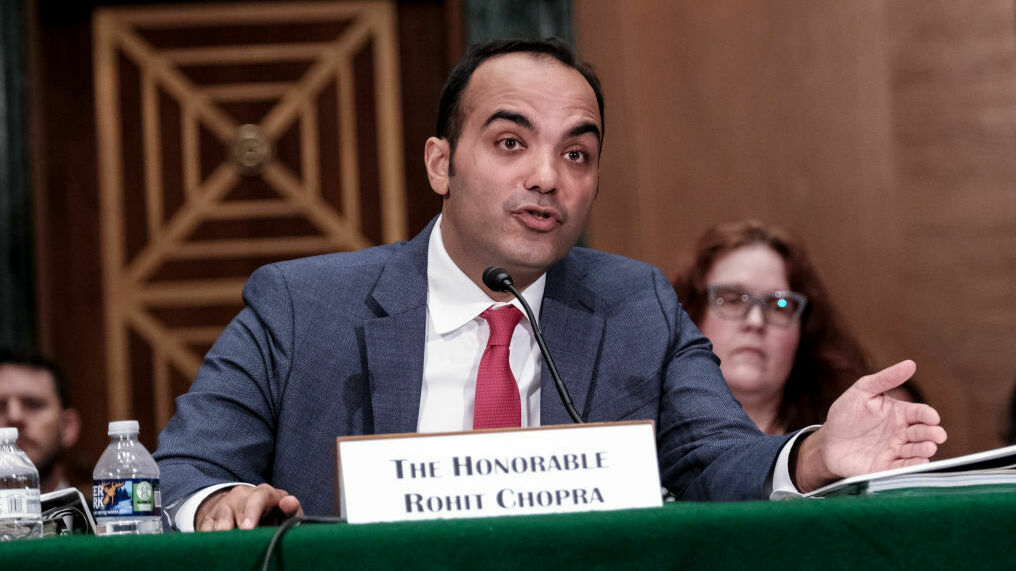
The Consumer Financial Protection Bureau (CFPB) is working on regulations to remove medical bills from consumer credit reports, aiming to protect Americans burdened by medical debt. The CFPB's move has stirred opposition from collection industry officials, who argue that the agency's efforts are misguided. However, the CFPB's defenders argue that the scale of the medical debt crisis necessitates action, as unpaid medical bills historically represent a significant portion of debts on consumers' credit reports and are often riddled with errors. The CFPB's director, Rohit Chopra, sees the health care system as increasingly burdening patients with debt, similar to what he observed in the student loan industry, and is pushing for rules to address this issue.

Toyota will pay $60 million to settle charges by the Consumer Financial Protection Bureau (CFPB) that it engaged in lending abuses, including preventing car buyers from canceling unwanted product bundles and tarnishing their credit reports. The settlement includes a $12 million civil fine and $48 million in restitution to affected car buyers. Toyota Motor Credit, the automaker's U.S.-based lending arm, was accused of misleading borrowers about the mandatory nature of add-on products, making it difficult to cancel them, and falsely reporting missed payments to credit agencies. As part of the settlement, Toyota Motor Credit agreed to improve cancellation processes and monitor dealers' conduct more closely.
The Biden administration plans to remove medical bills from credit reports through a proposed rule change by the Consumer Financial Protection Bureau (CFPB). The rule would prohibit consumer reporting agencies from including medical debts and collection information on consumer reports used by creditors. It aims to prevent debt collectors from using the credit reporting system to pressure consumers into paying questionable debts. However, creditors could still access medical bill information for other purposes, such as verifying the need for medical forbearances or evaluating loan applications for medical services. The CFPB's analysis found that medical billing data on credit reports is less predictive of future repayment and often contains mistakes and inaccuracies. The proposed rule will undergo a public comment period before a final rule is proposed.
State lawmakers in more than a dozen states are enacting reforms to protect Americans from the burden of medical debt, including prohibiting consumer reporting agencies from including medical debt in credit reports, capping interest on medical debt collections, and authorizing state funds to purchase and forgive medical debt. These efforts aim to provide relief to the roughly 100 million Americans struggling with medical debt, as lawmakers respond to the urgent need for action.