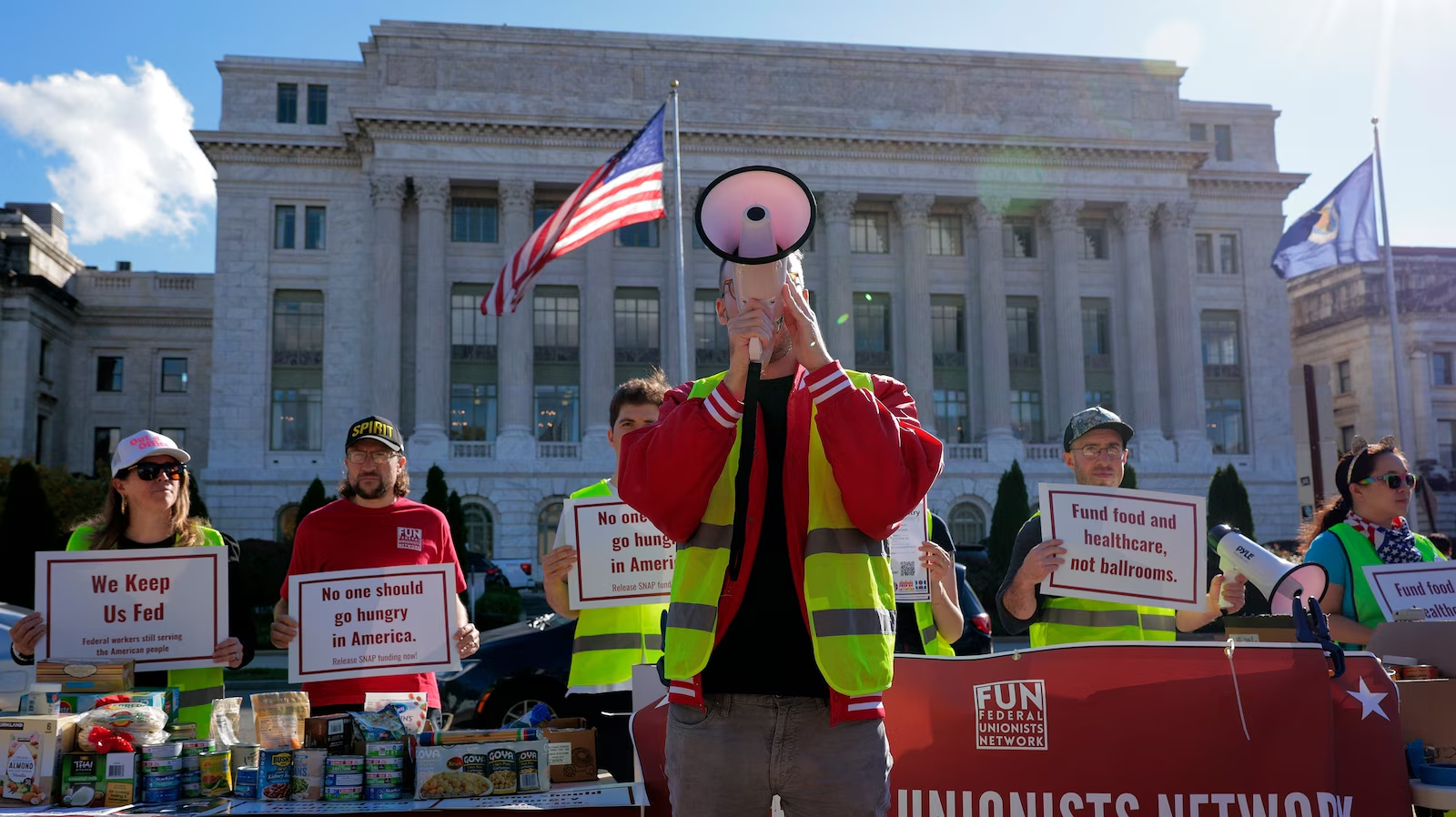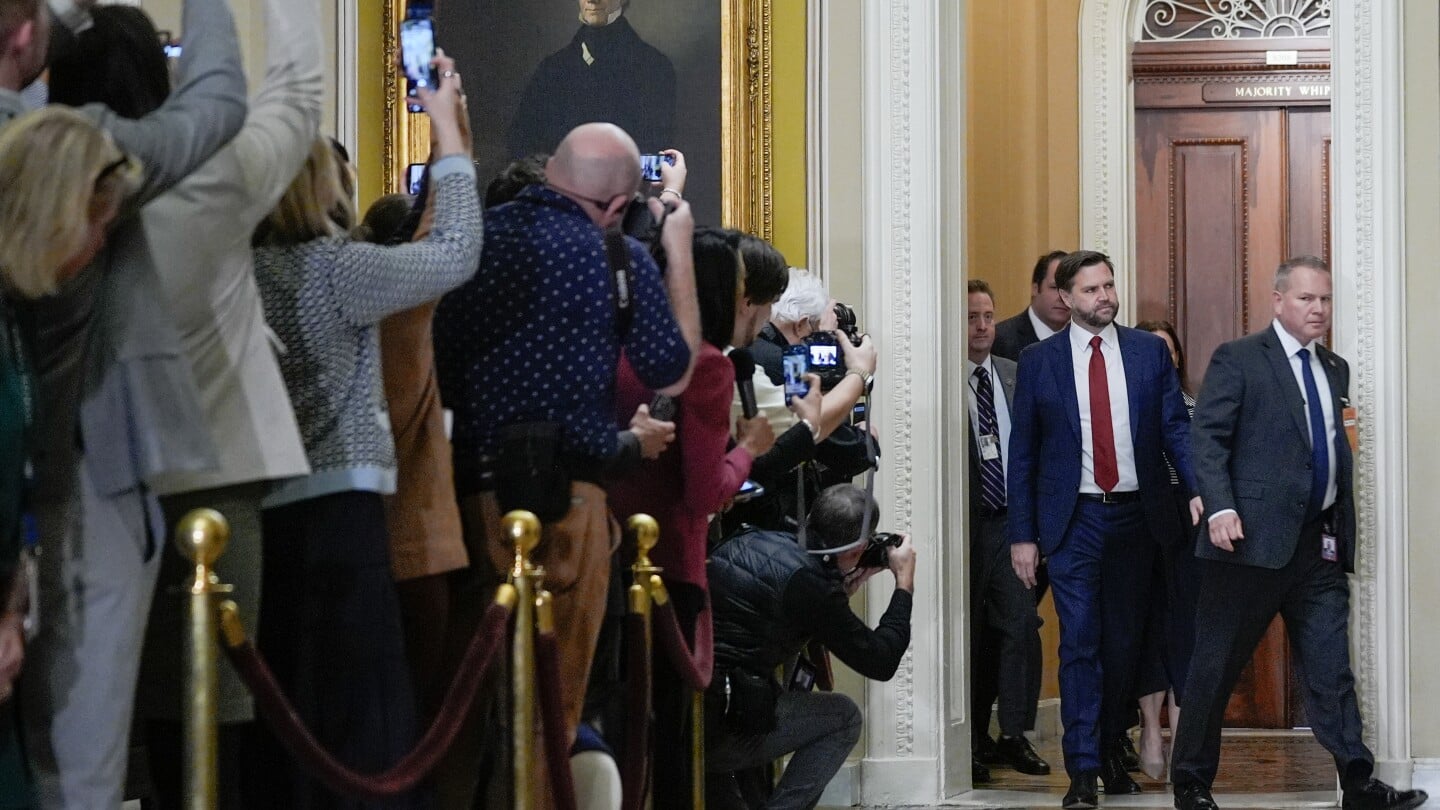
Major labor unions are divided over the approach to ending the government shutdown, with some supporting a clean funding bill and others backing the Democratic strategy, highlighting internal disagreements within the labor movement amid ongoing political standoff.
A federal judge in San Francisco has indefinitely blocked the Trump administration from firing federal workers during the government shutdown, citing likely legal violations and political motivations, as labor unions challenge the layoffs and cuts to social programs amid ongoing political negotiations.
Labor unions in California have donated over $23 million to support Proposition 50, a measure aimed at redrawing congressional districts to favor Democrats and potentially control the House, amidst a broader political battle involving major national figures and significant campaign funding from both sides. The measure's outcome could influence national political control and is heavily influenced by union interests and prominent Democratic donors, with opposition mainly from Republican-aligned groups.
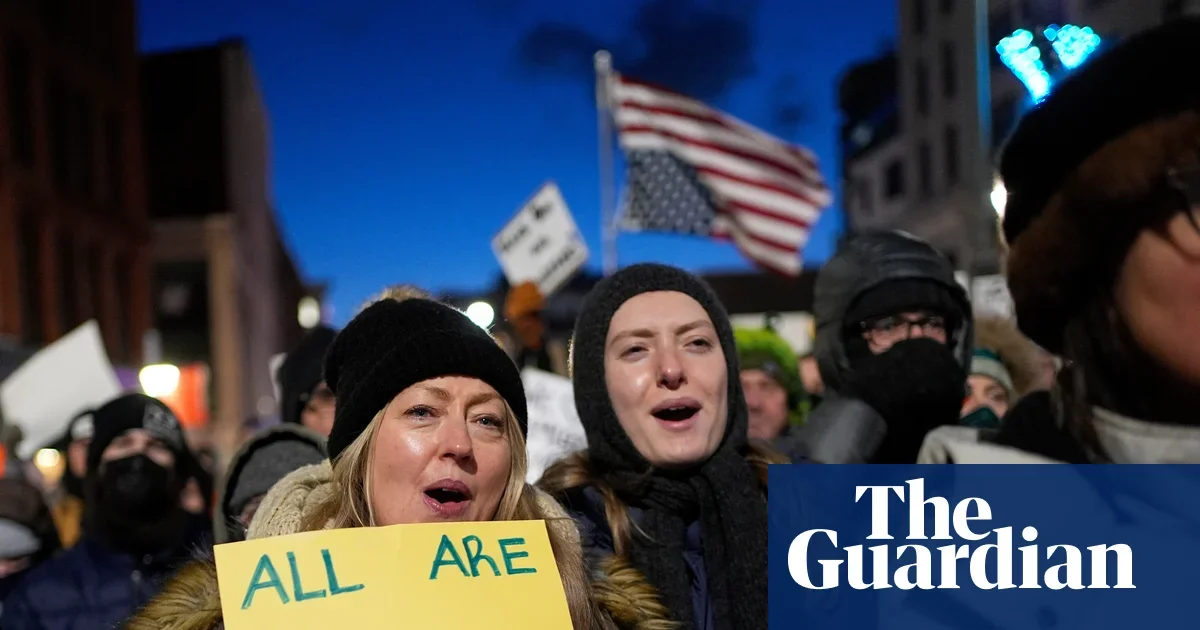
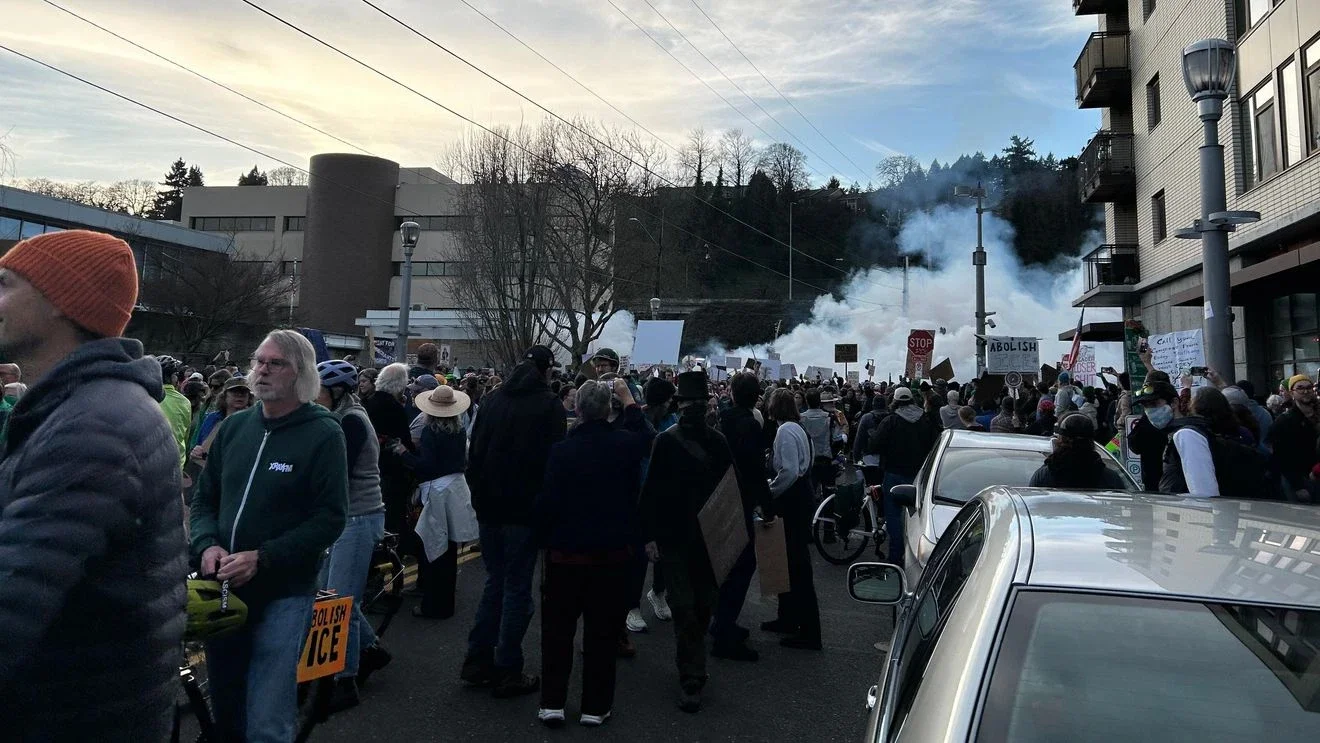
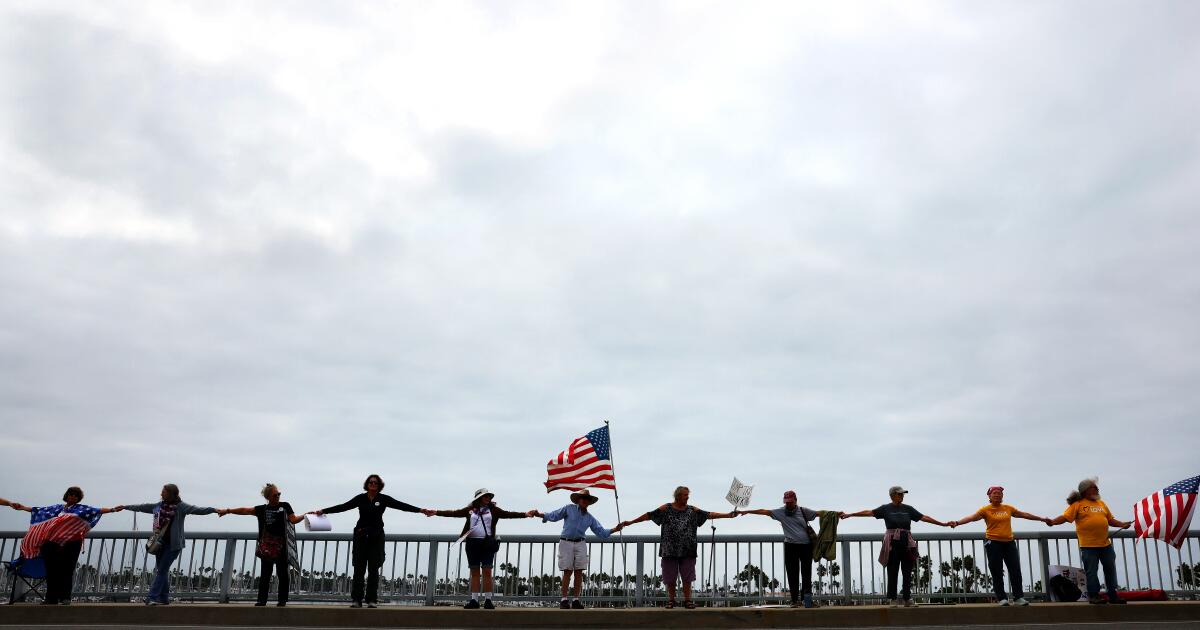
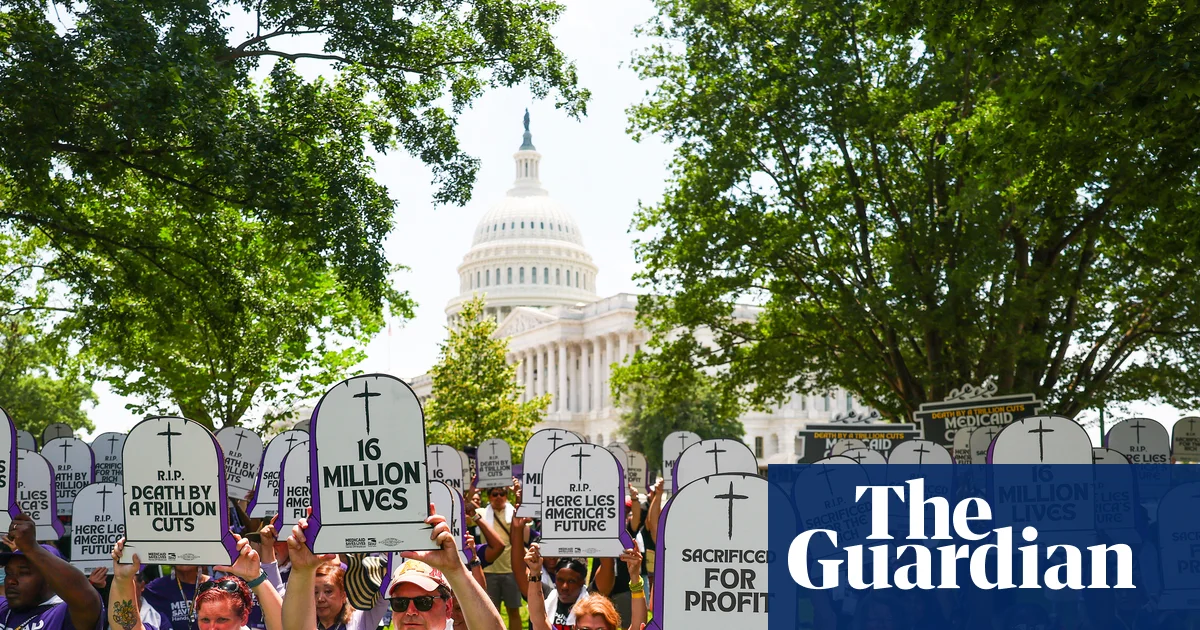
Major US labor unions are organizing nationwide protests called 'No Kings' to oppose policies they see as unjust, including Medicaid cuts and immigration raids, emphasizing the importance of a voice in democracy and labor rights, with historical parallels to civil rights struggles.
Maine Senate candidate Platner promoted violent and armed rhetoric on social media, including calls for an armed working class and organizing against political opponents, raising concerns amid rising political violence. The candidate, a war veteran and political newcomer, has received union endorsements but faces scrutiny over his past posts. Additionally, another politician, Jones, apologized for violent remarks in text messages, highlighting ongoing issues of political hostility.
Labor unions, including the UAW, Maine State Nurses Association, and the International Federation of Professional and Technical Engineers, are supporting Graham Platner in Maine's Senate primary, positioning him as a candidate aligned with the working class amid a competitive race that also involves Governor Janet Mills.
The Ohio Conference of Teamsters endorsed Republican Vivek Ramaswamy for governor, marking a shift of labor unions towards the Republican side in Ohio, and signaling a potential realignment in political endorsements ahead of the 2024 elections.
A Trump-appointed judge dismissed a White House lawsuit aimed at invalidating labor union agreements, citing lack of jurisdiction and warning against opening a 'Pandora's Box' of judicial intervention in executive actions, while acknowledging the administration's claims of national security exemptions for certain agencies.
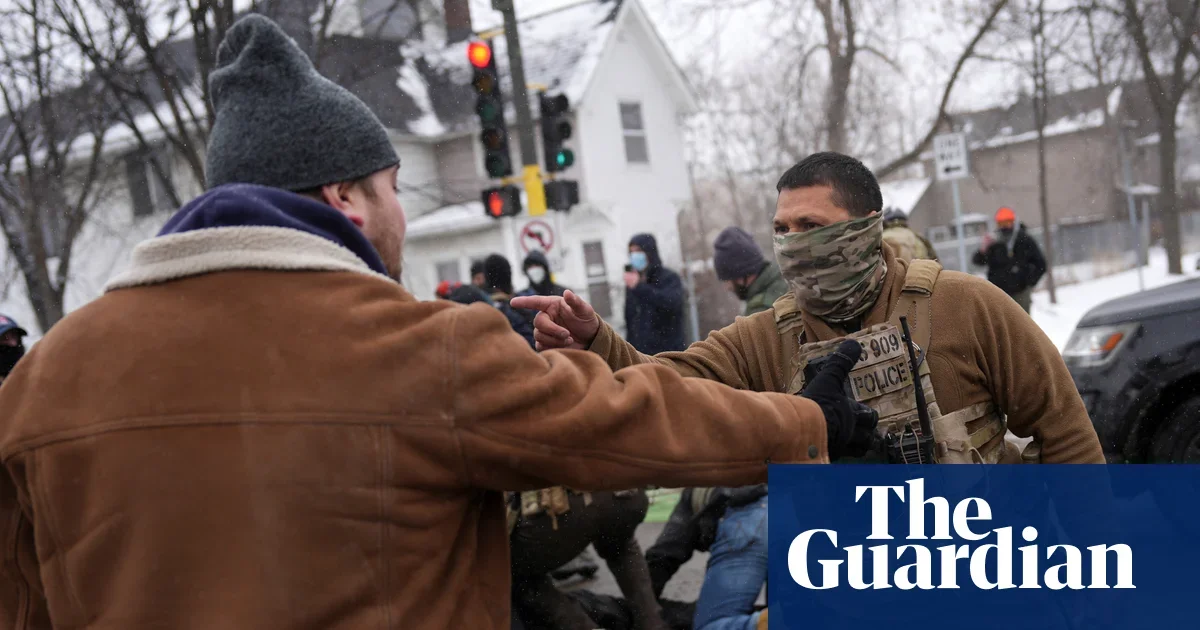
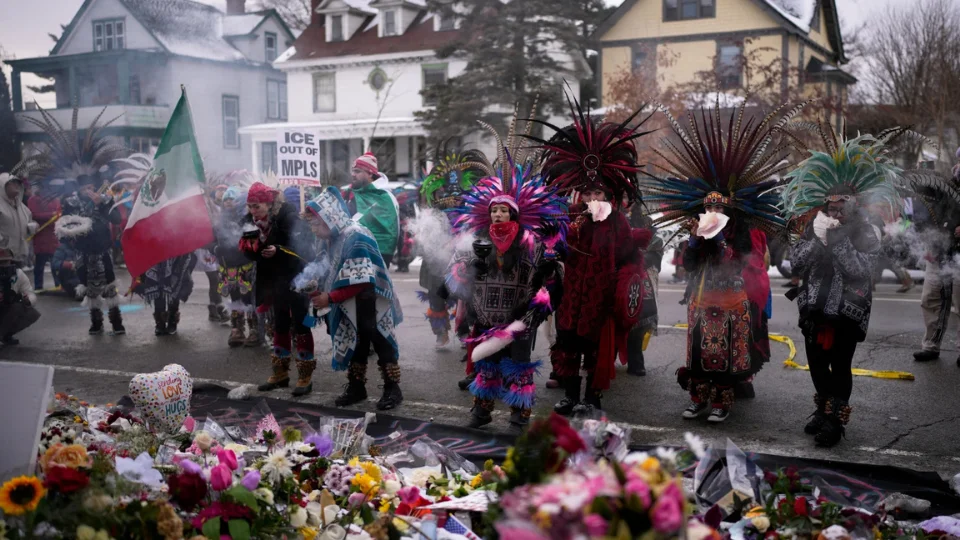
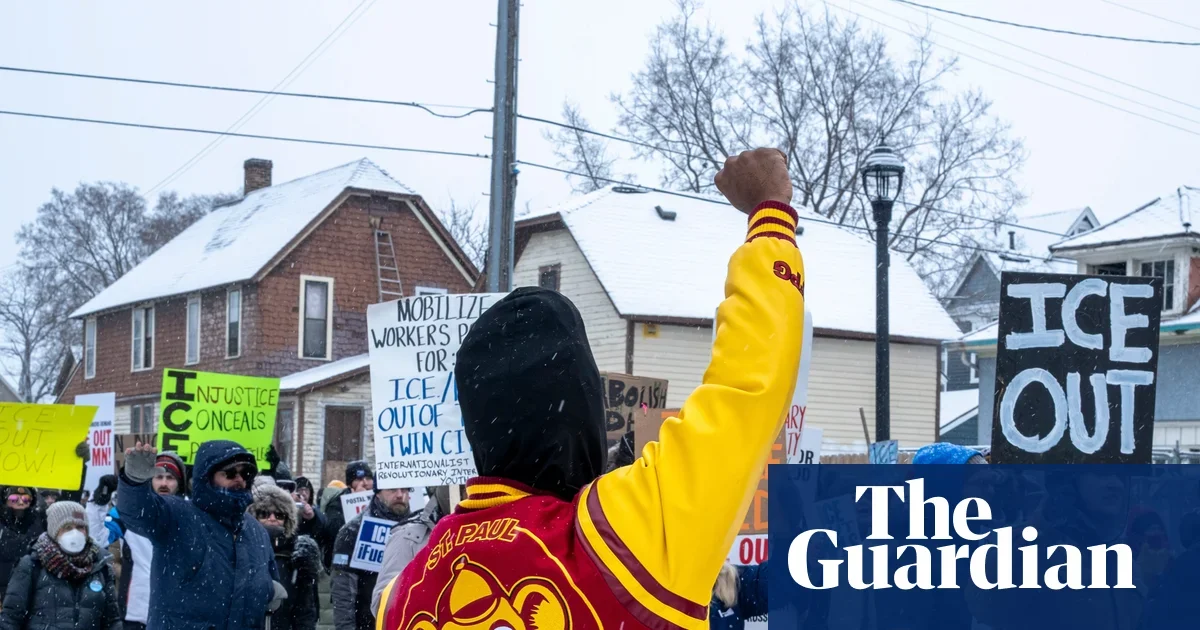
In Los Angeles, a city with a large immigrant population and strong union presence, federal immigration raids triggered the largest protests to date against Trump's immigration policies, notably involving union leader David Huerta's arrest during a raid, which galvanized nationwide mobilizations.
Labor unions across the US are demanding the release of union leader David Huerta, who was arrested and injured during an ICE raid in Los Angeles while observing the operation. Huerta's arrest has sparked protests and calls for an end to ICE raids and the use of the National Guard, with support from major unions, Democratic officials, and nationwide rallies advocating for justice and immigrant rights.
A Wisconsin county judge has ruled that over 60 sections of the controversial Act 10, which stripped public sector unions of collective bargaining rights, are unconstitutional. This decision marks a significant victory for labor unions, which have faced diminished power and funding since the law's enactment in 2011 under former Governor Scott Walker. The ruling, however, is expected to be appealed by Republicans. Act 10 had led to a decline in union membership, reduced teacher pay, and increased employee turnover, impacting public sector workers' rights and working conditions.
Senator Elizabeth Warren has indicated potential support for Rep. Lori Chavez-DeRemer, a Republican, as labor secretary under President-elect Donald Trump, provided she commits to strengthening labor unions. Chavez-DeRemer co-sponsored the pro-union Protecting the Right to Organize Act, making her a notable choice for the role. Warren views this nomination as a test for Trump's administration's stance on labor issues. Meanwhile, Senator Bernie Sanders and Rep. Jared Moskowitz are engaging in discussions on government efficiency and spending.
California voters rejected Proposition 32, which aimed to raise the statewide minimum wage to $18 an hour, marking the first time in nearly 30 years a state has turned down a minimum wage increase at the ballot. The initiative, backed by entrepreneur Joseph Sanberg, faced opposition from business groups who argued it would increase living costs. Despite the defeat, supporters claim the close result lays groundwork for future wage advocacy. The outcome reflects broader national debates on wage policies, with varying results in other states.
Kamala Harris's presidential campaign struggled to connect with low-income workers due to a perceived lack of listening, according to AFL-CIO president Liz Shuler. Despite strong union support, Harris's message did not resonate with economically insecure voters, many of whom favored Donald Trump. The AFL-CIO, representing over 12.5 million members, is preparing for challenges under a potential second Trump presidency, emphasizing the need for solidarity and continued organizing efforts.
Boeing announced it will take several weeks to fully resume passenger plane production after a nearly two-month strike by 33,000 machinists. The delay affects plants in Washington and Oregon, with airline customers already frustrated by previous delays. The strike, which ended with a new contract offering a 38% pay raise over four years but no pension restoration, halted production of the 737 Max and 777 models. Boeing delivered 14 planes in October and received orders for 63, including 40 737 Max jets.