Tag

Maternity Care

All articles tagged with #maternity care

health1 year ago

"Trauma from Maternity Care Abuse Leaves Lasting Impact on Mothers"

The article highlights the widespread issue of disrespect and abuse in maternity care, which leaves many mothers with lasting trauma, including PTSD and postpartum depression. It shares the story of Kimberly Turbin, who experienced a traumatic birth due to an unnecessary episiotomy performed against her will, leading to long-term physical and emotional damage. The article also discusses the broader implications of such mistreatment, including its higher prevalence among marginalized groups and its impact on maternal and child health, mental well-being, and trust in healthcare systems.

health1 year ago

"Wrexham Woman Faces Stoma and PTSD After Childbirth"

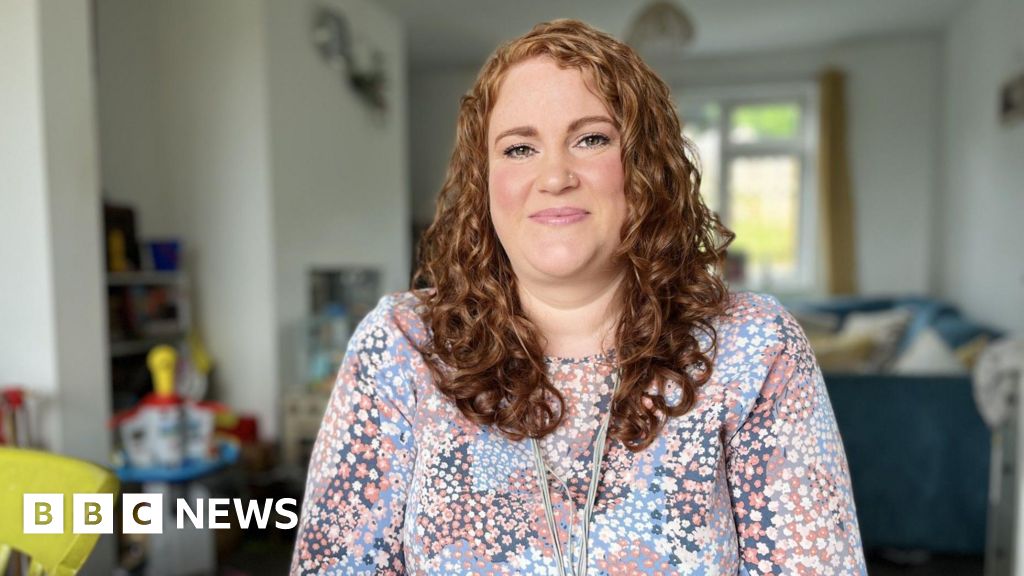
Amy Stead, a 37-year-old woman from Wrexham, has been awarded over £500,000 in compensation after a traumatic childbirth in 2019 left her with a permanent stoma and PTSD. The severe tear she suffered was initially missed by an obstetrician and worsened after she was sent home. Stead criticized the pressures on the NHS and the lack of proper care and attention given to women in maternity services. Despite her ordeal, she and her husband welcomed a second child via elective Caesarean in 2021. The health board and Welsh government have since taken steps to improve maternity care.

healthcare2 years ago

Top-ranked hospitals for labor and delivery across the US

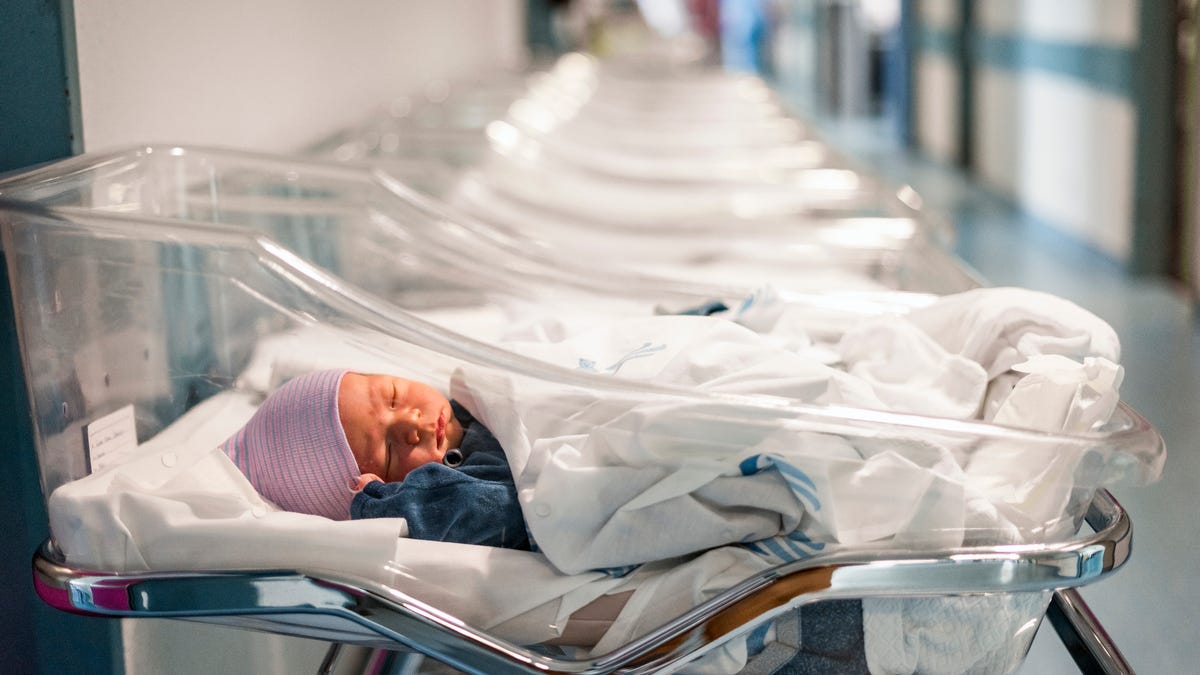
U.S. News & World Report has released its ratings of the "Best Hospitals for Maternity Care," evaluating 680 hospitals' labor and delivery care units. The hospitals were designated as "high performing" or "not high performing" based on their quality of care for parents with uncomplicated pregnancies. The high-performing facilities had lower C-section and newborn complication rates compared to other hospitals. The rankings also recognized 73 hospitals that serve communities with limited access to maternity care. However, the overall state of maternity care in the U.S. remains concerning, with high rates of preterm births and racial disparities in maternal mortality.

healthcare2 years ago

Top Maternity Care Hospitals in Massachusetts, St. Cloud, and North Carolina

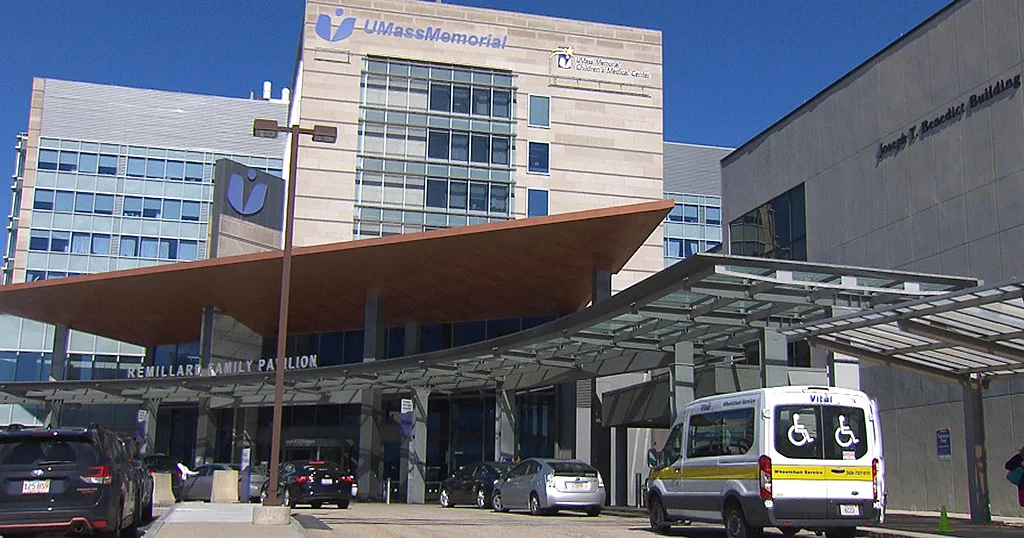
Three Massachusetts hospitals, Massachusetts General Hospital, Beth Israel Deaconess Medical Center, and UMass Memorial Medical Center, have been ranked among the best in the country for maternity care by U.S. News & World Report. The rankings were based on factors such as cesarean section rates, newborn complications, and breast milk feeding rates, focusing on uncomplicated pregnancies. Beth Israel was recognized for minimizing avoidable C-sections, while UMass Memorial had the lowest reported newborn complications among the three hospitals.

healthcare2 years ago

Rural Alabama Hospital Ceases Baby Deliveries Amidst Emotional Farewell

Monroe County Hospital in rural Alabama has closed its labor and delivery department, leaving the community without a birthing hospital and forcing pregnant women to travel long distances for care. This closure is part of a growing trend in Alabama, where many counties lack hospitals with obstetrics care. The hospital cited a physician shortage as the reason for the closure, but the decision comes at a time when the state is already facing a maternal and infant health crisis. The closure highlights the challenges faced by rural communities in accessing essential healthcare services.

healthcare2 years ago

Alabama Hospitals Cease Maternity Services

Three hospitals in Alabama are set to close their maternity units due to staffing issues, rising costs, and low birth rates, leaving expectant mothers with limited access to maternal care. This closure trend is affecting over 5.6 million women nationwide who live in areas with little to no access to maternal care. The lack of nearby care can pose risks to both mothers and newborns, forcing expectant mothers to travel long distances for necessary medical attention. The closures have sparked concerns about the loss of important connections between expectant mothers and their delivering physicians.

healthcare2 years ago

Alabama Faces Maternity Unit Crisis as Hospitals Prepare for Closure

Three hospitals in Alabama, including one in a predominantly Black neighborhood in Birmingham, are set to close their maternity units, leaving two counties without any birthing hospitals. This will result in pregnant women having to travel longer distances to reach a hospital with obstetrics care, potentially leading to delays in emergency situations. Alabama already has a high maternal mortality rate and one of the highest infant mortality rates in the country. The closures come as the state's need for obstetrics care is expected to rise due to its restrictive abortion laws. The financial challenges of keeping maternity units open and the lack of access to healthcare in rural areas contribute to the closure of obstetrics departments not only in Alabama but also in other states. The loss of these services can have serious consequences, including an increase in preterm births and maternal and infant morbidity and mortality.

healthcare2 years ago

Gender Disparity in Healthcare Costs: Women Outspend Men by $15.4B, Reveals Deloitte

A report by Deloitte reveals that employed women in the US are spending 20% more on healthcare services out of pocket compared to men, even when excluding maternity care and pregnancy. This amounts to as much as $15.4 billion per year, exacerbating the financial burden of income inequity and the "pink tax" on women. The report attributes this excess spending to factors such as more frequent imaging and scans, higher rates of chronic conditions, and recommended screenings for women. Deloitte suggests that employers should design benefit plans that cover more of the services needed by women to reduce the financial burden and promote healthier and more productive employees.

healthcare2 years ago

The Rise of Home Births: Rural Hospitals Closing Maternity Wards

Rural hospitals across the United States are closing their maternity wards, leaving pregnant women with limited options for care. The closures have led to an increase in "maternity care deserts," where counties lack hospitals or birth centers that offer obstetric care. This lack of access to care has resulted in higher rates of complications and even death for rural residents. One potential solution gaining traction is the establishment of freestanding midwife-led birth centers, but these centers often rely on nearby hospitals for serious complications. The closure of maternity units in rural hospitals highlights the need for increased government intervention and support to address the maternal care crisis in rural areas.

healthcare2 years ago

The Rise of Home Births: Rural Hospitals Closing Maternity Wards

The closure of rural hospital maternity wards across the United States is forcing pregnant women to travel longer distances for care or face giving birth in emergency rooms, exacerbating the issue of "maternity care deserts" in rural areas. The closures are attributed to factors such as decreasing birth rates, staffing issues, low Medicaid reimbursement, and financial distress. As a result, the safety of mothers and babies is compromised, with rural residents facing a 9% greater probability of life-threatening complications or death compared to urban areas. One potential solution gaining traction is the establishment of freestanding midwife-led birth centers, although they often rely on nearby hospitals for serious complications. Governments and communities are urged to address the maternal care crisis and ensure equitable access to healthcare in rural areas.

healthcare2 years ago

The Rise of Home Births: Rural Hospitals Closing Maternity Wards

The closure of rural hospital maternity wards is forcing pregnant women to travel longer distances for care or give birth in emergency rooms, exacerbating the issue of "maternity care deserts" in rural areas. The closures are attributed to factors such as decreasing birth rates, staffing issues, low Medicaid reimbursement, and financial distress. The lack of access to maternity care in rural areas increases the risk of complications and maternal mortality. One solution gaining traction is the establishment of freestanding midwife-led birth centers, although they still rely on nearby hospitals for serious complications. Governments and communities are urged to address the maternal care crisis and ensure equitable access to healthcare in rural areas.

healthcare2 years ago

The Impact of Abortion Laws on Maternity Care in Red States

Obstetricians who handle high-risk pregnancies are leaving red states with restrictive abortion laws, leading to a decline in maternity care. Idaho has been particularly affected, with more than a dozen labor and delivery doctors, including five of the state's nine maternal-fetal experts, leaving or retiring. The departures are creating maternity care deserts and placing strains on remaining physicians. Similar trends are seen in other red states like Texas, Oklahoma, and Tennessee. Restrictive abortion laws are exacerbating the problem, limiting access to comprehensive obstetric and gynecologic care. The exodus of obstetricians is driven by concerns about criminal prosecution and the hostile political climate.

health2 years ago

Tea as a Remedy for Sepsis and Perforated Bowel

Farrah Moseley-Brown, a mother from Barry, Wales, suffered a perforated bowel and sepsis after being dismissed by hospital staff who attributed her symptoms to anxiety and constipation. Despite her concerns, she was sent home multiple times and given medication for constipation. Only after her third visit to the hospital was she diagnosed with a perforated bowel and sepsis, leading to a life-changing colostomy bag. The Cardiff and Vale health board admitted failures in her care and issued apologies. Since then, Moseley-Brown has used TikTok to raise awareness about sepsis and has received millions of views.

health2 years ago

"Disparities in Maternity Care: CDC Report Reveals Alarming Mistreatment Rates for Women, Especially Black and Hispanic Mothers"

A new report from the US Centers for Disease Control and Prevention (CDC) reveals that about 1 in 5 women experienced mistreatment during maternity care, with nearly a third facing discrimination. The negative experiences were even more prevalent among Black, Hispanic, and multiracial mothers. The findings highlight the need for equitable and respectful care during pregnancy and delivery. The maternal mortality crisis in the US continues to worsen, with Black women being disproportionately affected. Experts emphasize the importance of respectful maternity care, effective communication, and addressing health disparities to improve treatment and reduce pregnancy-related deaths. Investment in a diverse workforce, provider trainings on bias, and support for doulas and midwives are among the suggested solutions.