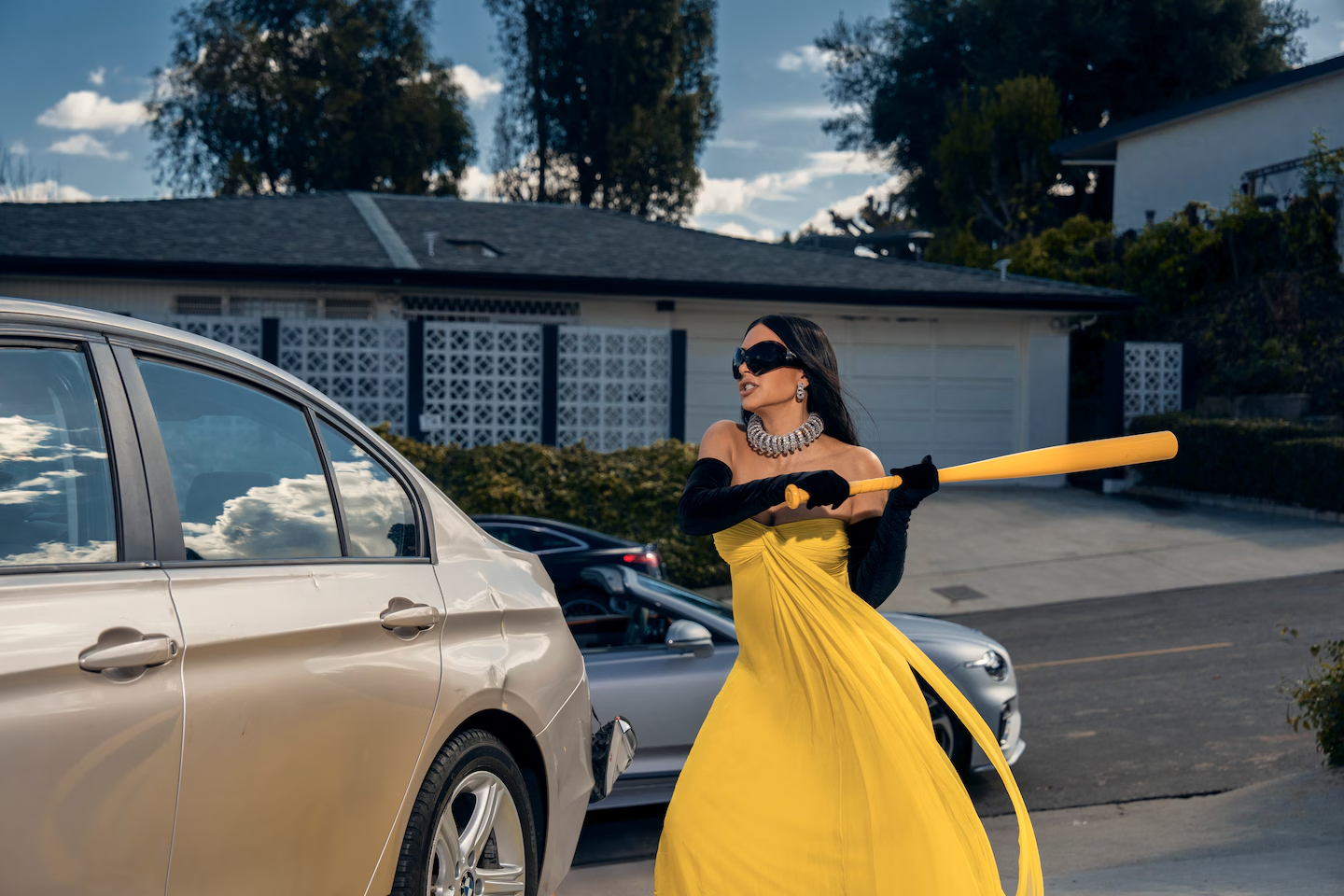
The article reflects on how watching a controversial Ryan Murphy show starring Kim Kardashian has profoundly affected the author, highlighting the show's impact on their perception and feelings.
The article traces a four-decade-long effort by conservative and Christian-right figures to influence and censor mainstream media, particularly targeting liberal-leaning television shows and personalities like Jimmy Kimmel and Stephen Colbert. It highlights historical campaigns, legislative changes like the abolition of the Fairness Doctrine, and the rise of right-wing media outlets and activists, illustrating a persistent movement to control media narratives and suppress content deemed offensive to conservative values, which has gained renewed momentum under recent political and economic pressures.
The article discusses various subtle forms of propaganda that often go unnoticed, such as beliefs about national superiority, misinformation on social media, the glorification of work over health, rewriting history, and the use of memes and cynicism to manipulate public opinion. It highlights how these low-key tactics influence societal beliefs and behaviors without overt awareness.
The article discusses the controversial ousting of Dr. Vinay Prasad from the FDA amid political and media attacks, critiques President Trump's EU trade deal as ineffective, covers cultural debates sparked by Sydney Sweeney's ad, and reports on various global political and economic issues including tariffs, legal cases, foreign investments, and military enlistment policies.
Jamie Lee Curtis criticizes the rise of plastic surgery, comparing its impact to genocide, and condemns the alteration of natural appearances, highlighting concerns about societal beauty standards and the influence of media and AI filters.
The article explains that heart attack symptoms are often misunderstood due to Hollywood portrayals, which emphasize dramatic pain, whereas real symptoms can be subtle and varied, leading to dangerous delays in treatment. It highlights research showing most people learn about heart attack signs from media, not medical sources, and advocates for better public and medical education to recognize less obvious symptoms and improve outcomes.
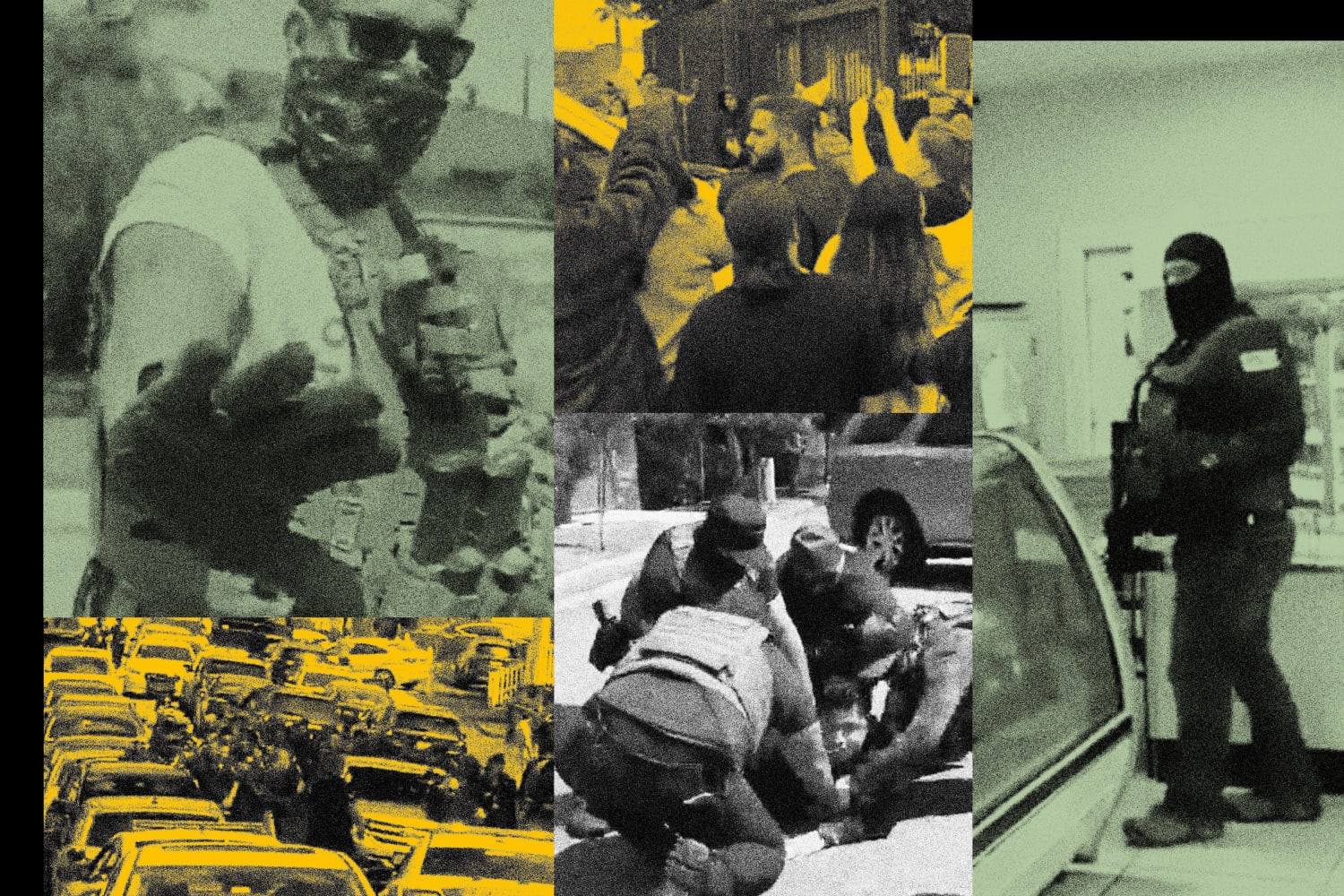
The article discusses how user-generated videos on social media platforms played a significant role in bringing President Trump's immigration policies and crackdown efforts to the attention of the American public, highlighting the influence of social media in shaping public perception and awareness.
Paris Hilton and Nicole Richie discussed their past falling out during the filming of "The Simple Life" on the Call Her Daddy podcast, attributing their feud to the "toxic" media environment of the 2000s and their lack of communication skills in their 20s. Despite the drama, which was amplified by tabloids, the two reconciled and have maintained a lifelong friendship. They are now promoting their new reunion series, "Paris & Nicole: The Encore," which premieres on December 12 on Peacock.
On the second day of his testimony in the corruption trial, Israeli Prime Minister Benjamin Netanyahu argued that he should not be held accountable for actions taken by others, including his wife and a middleman, who allegedly tried to influence media coverage on his behalf. Netanyahu denied knowledge of most requests made to the Walla media outlet and downplayed his relationship with its owner, Shaul Elovitch. He also criticized the portrayal of his wife, Sara, in the media and defended his actions as standard political behavior. The trial, known as Case 4000, involves allegations of bribery and media manipulation.
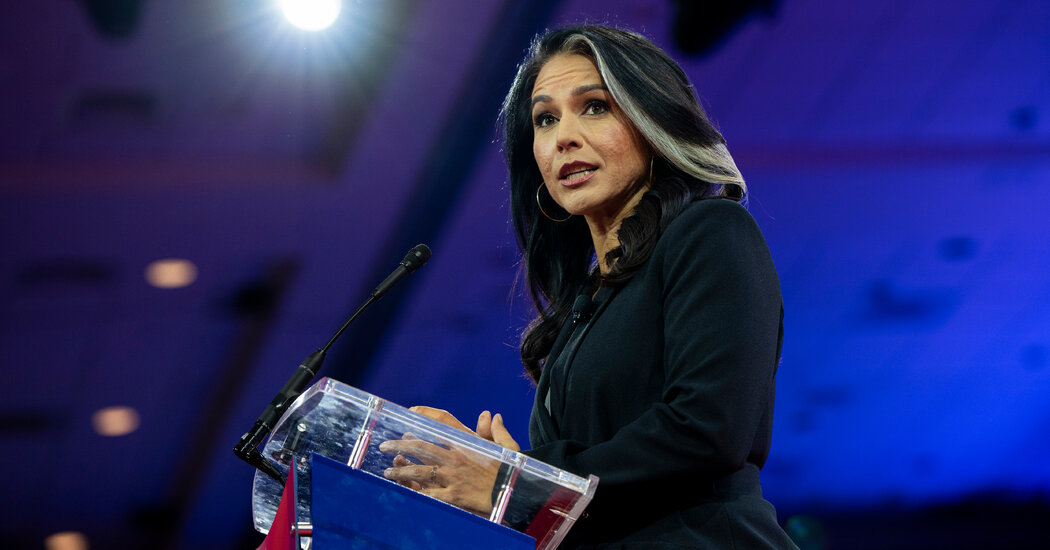
Tulsi Gabbard, a former U.S. Congresswoman and presidential candidate, has become a favored figure in Russian state media due to her critical stance on U.S. foreign policy and her opposition to American military interventions. Her views often align with Russian narratives, leading to increased coverage and support from Russian outlets, which see her as a voice that challenges mainstream U.S. political discourse.
Denzel Washington, in an interview with The Sunday Times, expressed concerns about the manipulative tactics used by both political parties in the U.S., emphasizing that people are "slaves to information" in the current age. He highlighted the importance of recognizing this manipulation regardless of political affiliation. Washington also reflected on his acting career, discussing both successes and failures, and the different phases of his life in terms of learning, earning, and giving back.
Denzel Washington expressed his views on the current political climate, emphasizing that both political sides manipulate the public through media and information. He highlighted the importance of recognizing this manipulation and urged Americans to hold elected officials accountable. Washington also reflected on his career, admitting to making some less successful films in the 1990s but expressed pride in his later work.
Despite widespread belief among Americans that the US is in a recession, economic data and expert opinions indicate otherwise. Experts attribute the negative perception to media coverage and social media amplification of economic issues. Key indicators such as GDP growth, low unemployment rates, and a rising S&P 500 suggest a strong economy, although challenges like inflation and high interest rates persist. Experts do not foresee a recession in the near future, though economic activity may slow down.
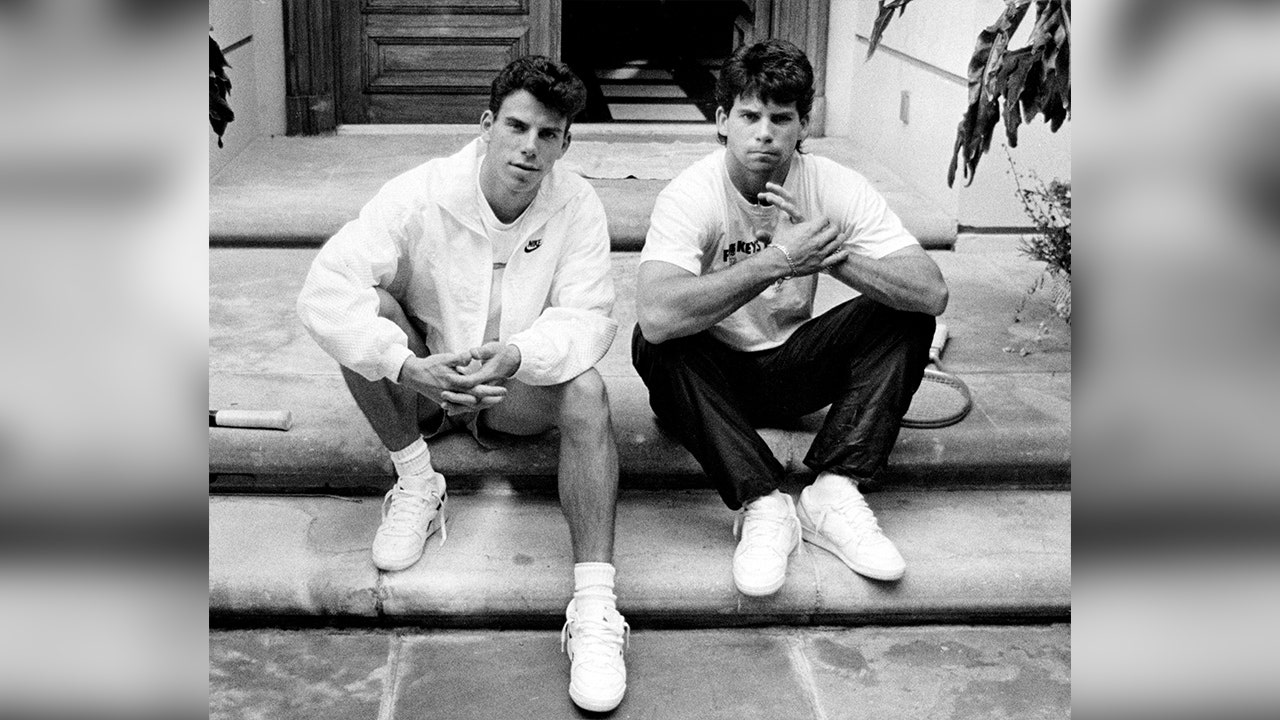
Attorney Mark Geragos believes the media got the Menendez brothers' case wrong, arguing that they should have been convicted of manslaughter rather than first-degree murder due to alleged abuse. New evidence, including a letter and affidavit, supports the brothers' claims of abuse by their father. Their post-conviction attorneys have filed a petition to vacate their convictions, and the Los Angeles County District Attorney has until April 11 to respond. The Fox Nation special "Menendez Brothers: Victims or Villains" re-examines the case and its impact on the criminal justice system and media influence.