George Clooney criticizes Bari Weiss's influence at CBS News, claiming she is dismantling the network's journalistic integrity, and expresses broader concerns about the state of American media, politics, and the impact of AI on truth and entertainment.
The article critiques CBS's new debate series 'Things That Matter,' funded by Bank of America and led by Bari Weiss, highlighting concerns about media bias, influence of wealthy elites like the Ellison family, and the focus on controversial topics like feminism, which the author suggests may serve the interests of powerful conservative figures rather than genuinely addressing women's issues.
The BBC plans to apologize for a misleading edit of Donald Trump's January 6 speech in a documentary, which was criticized as dishonest and prompted political and public backlash, including from UK officials and the White House.
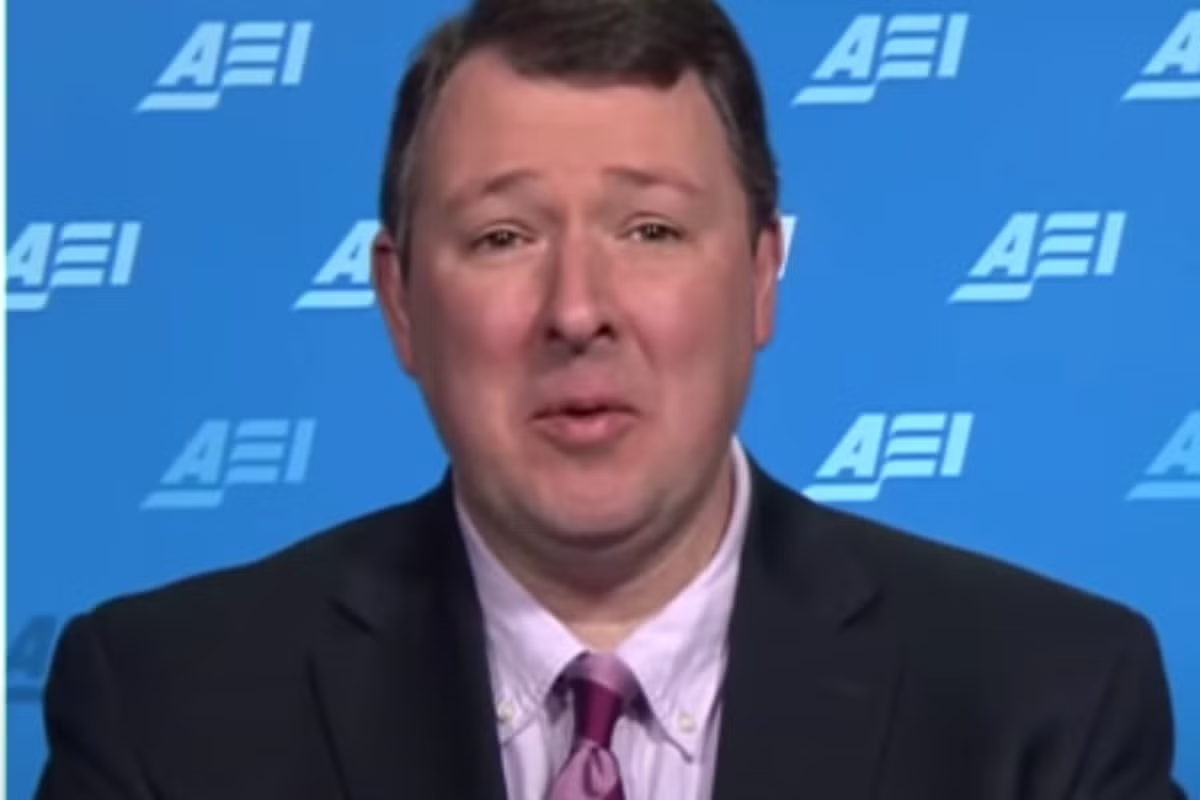
Washington Post's opinion section has shifted to a conservative stance under owner Jeff Bezos, with columnist Marc Thiessen openly celebrating the change, which aligns with broader editorial realignment supporting personal liberties and free markets, leading to staff departures and a more right-leaning lineup.
The article discusses the potential sale of TikTok to billionaire conservatives like Rupert Murdoch and Larry Ellison, who plan to turn it into a platform for right-wing propaganda, raising concerns about increased bias, reduced regulation, and the erosion of ethical content, with parallels drawn to other media consolidation efforts.
The article traces a four-decade-long effort by conservative and Christian-right figures to influence and censor mainstream media, particularly targeting liberal-leaning television shows and personalities like Jimmy Kimmel and Stephen Colbert. It highlights historical campaigns, legislative changes like the abolition of the Fairness Doctrine, and the rise of right-wing media outlets and activists, illustrating a persistent movement to control media narratives and suppress content deemed offensive to conservative values, which has gained renewed momentum under recent political and economic pressures.
Sinclair announced it will resume airing 'Jimmy Kimmel Live' on its local stations after initially boycotting the show, citing a commitment to providing accurate and engaging programming, but likely due to contractual and legal pressures amid political and corporate influences.
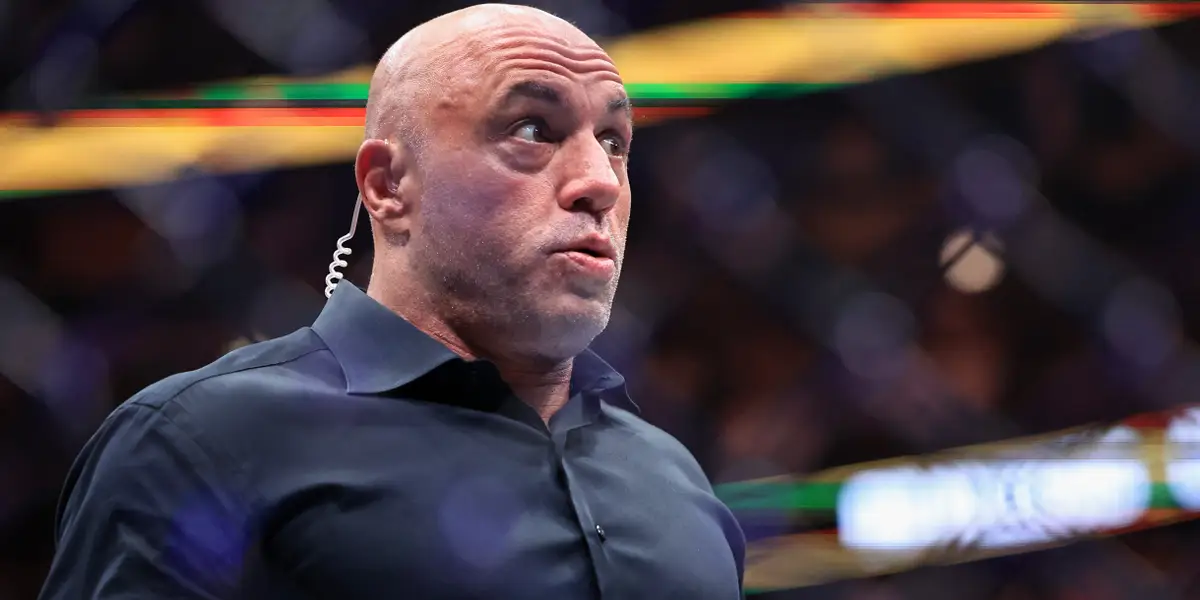
Joe Rogan criticizes the celebration of Jimmy Kimmel's suspension, warning that government and corporate pressures on media could backfire on conservatives, and questions why President Trump is commenting on talk show hosts during his busy schedule.
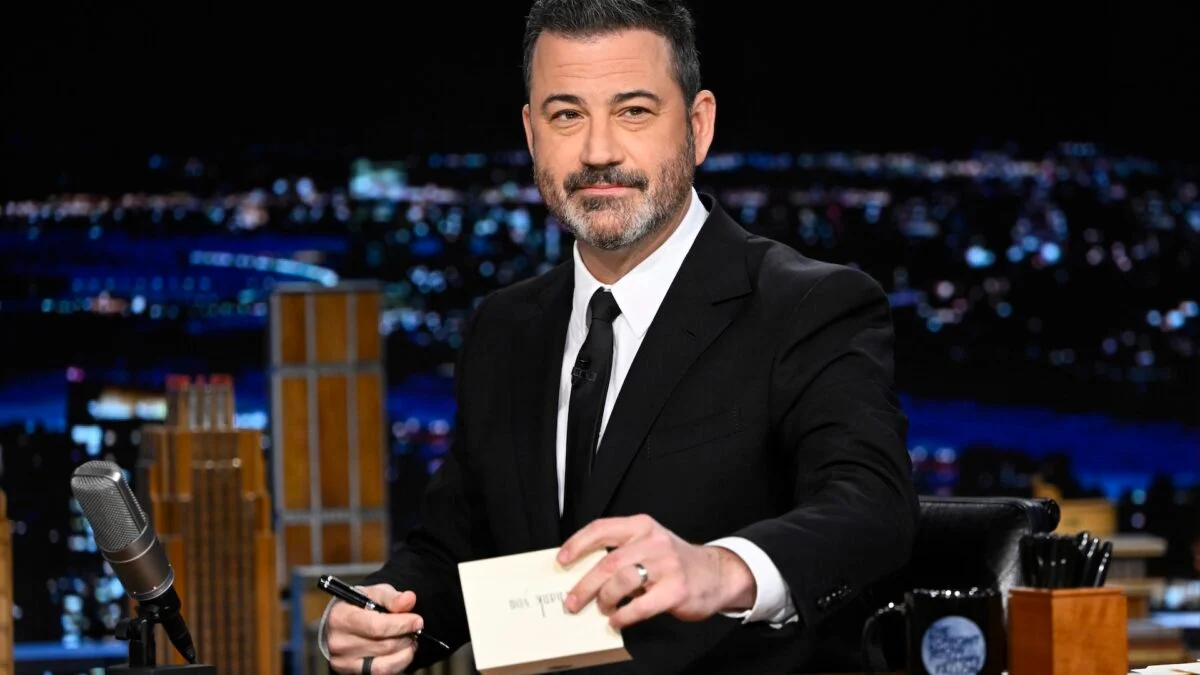
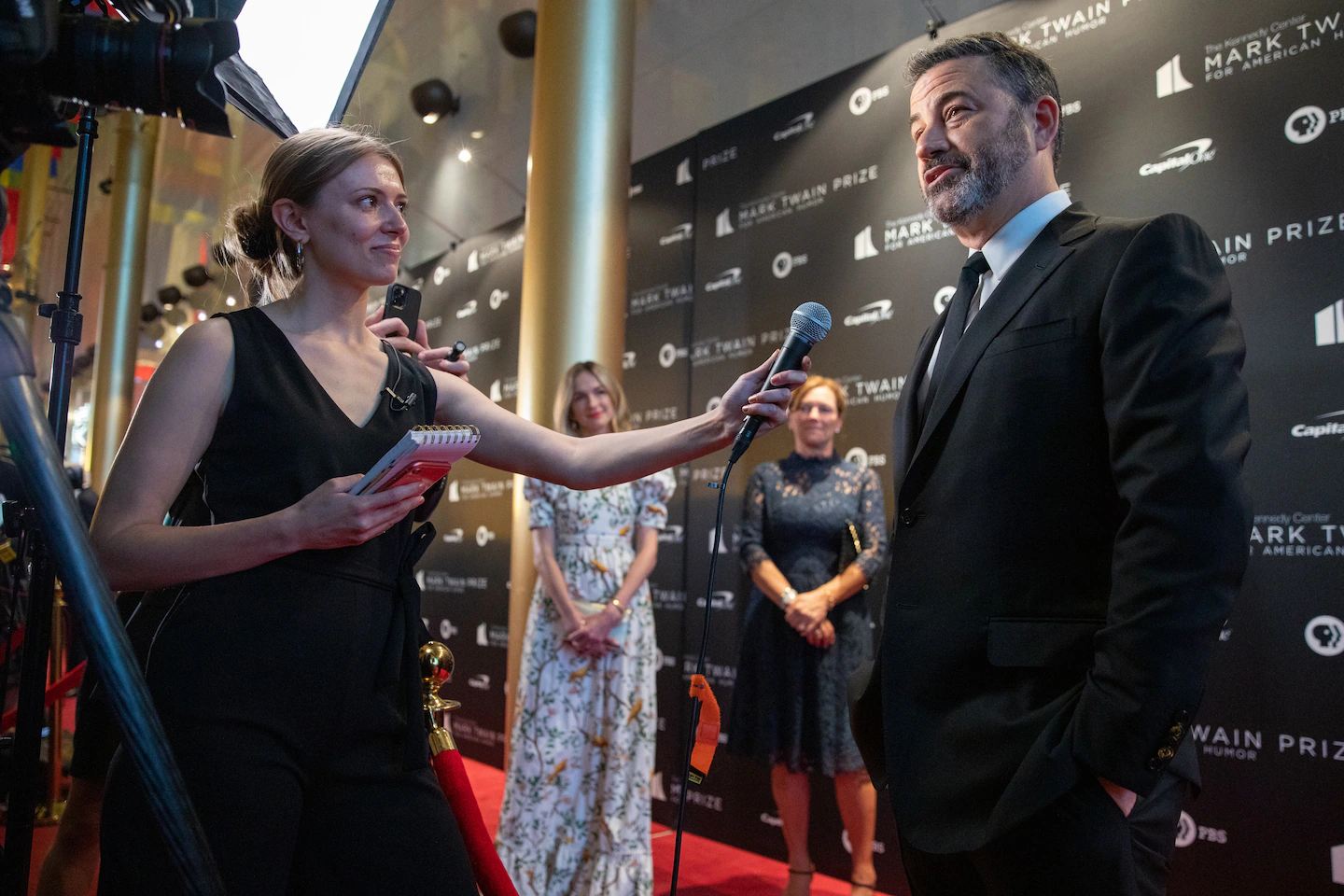
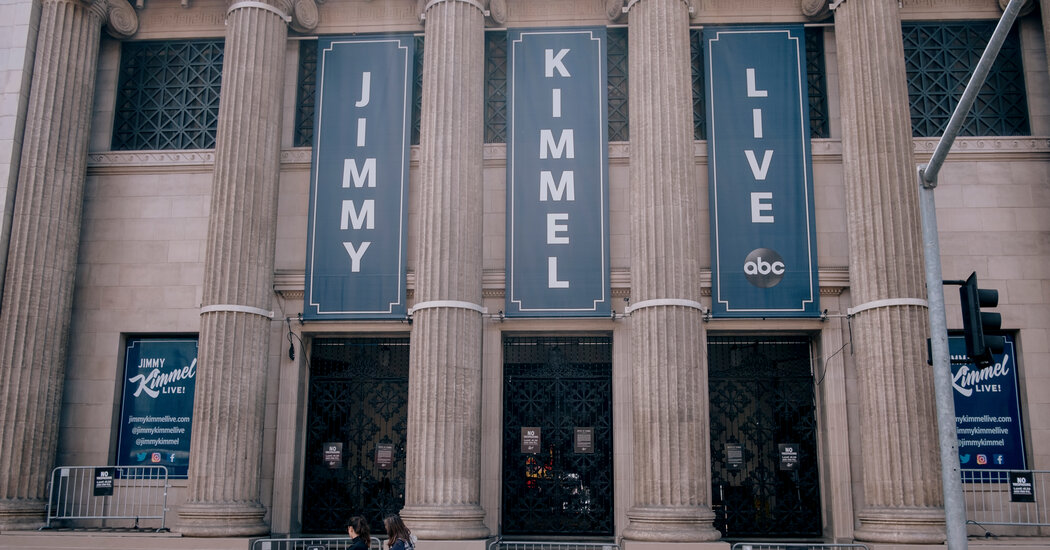
Jimmy Kimmel's show was temporarily taken off air due to conservative backlash over comments about Charlie Kirk's response to a shooting, but it has now been reinstated after discussions, amid ongoing debates about free speech and government influence in media.
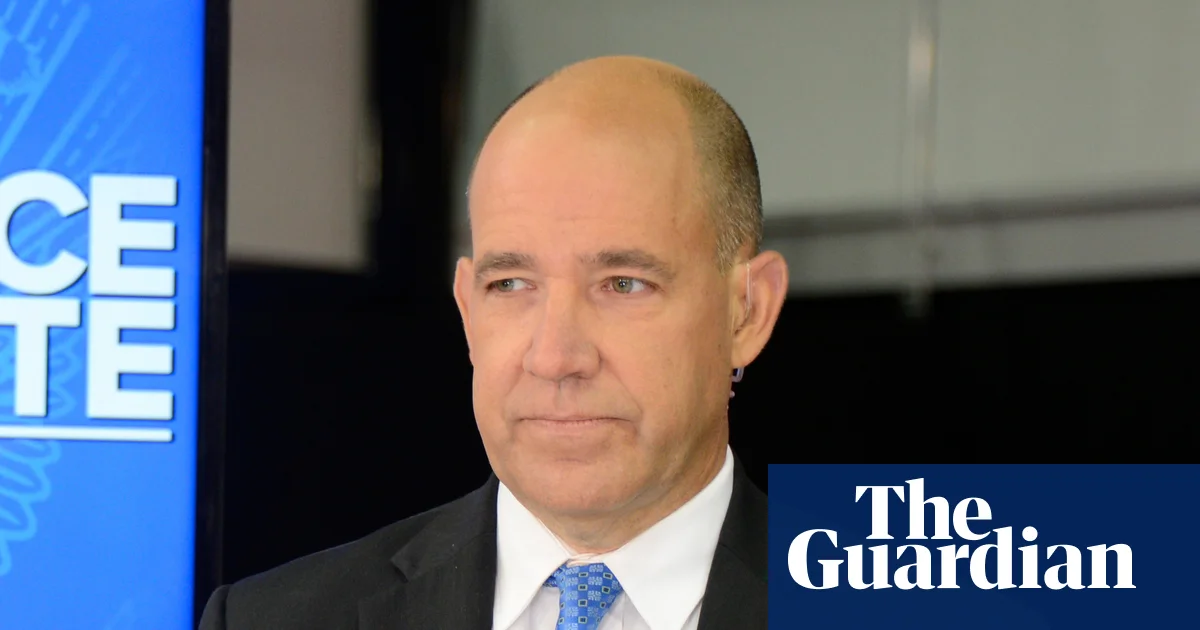
MSNBC fired political analyst Matthew Dowd after his comments linking Charlie Kirk's rhetoric to the Utah shooting, despite the network's claim that his remarks were misconstrued; Dowd alleges the network dismissed his concerns and criticizes perceived double standards in media reactions.
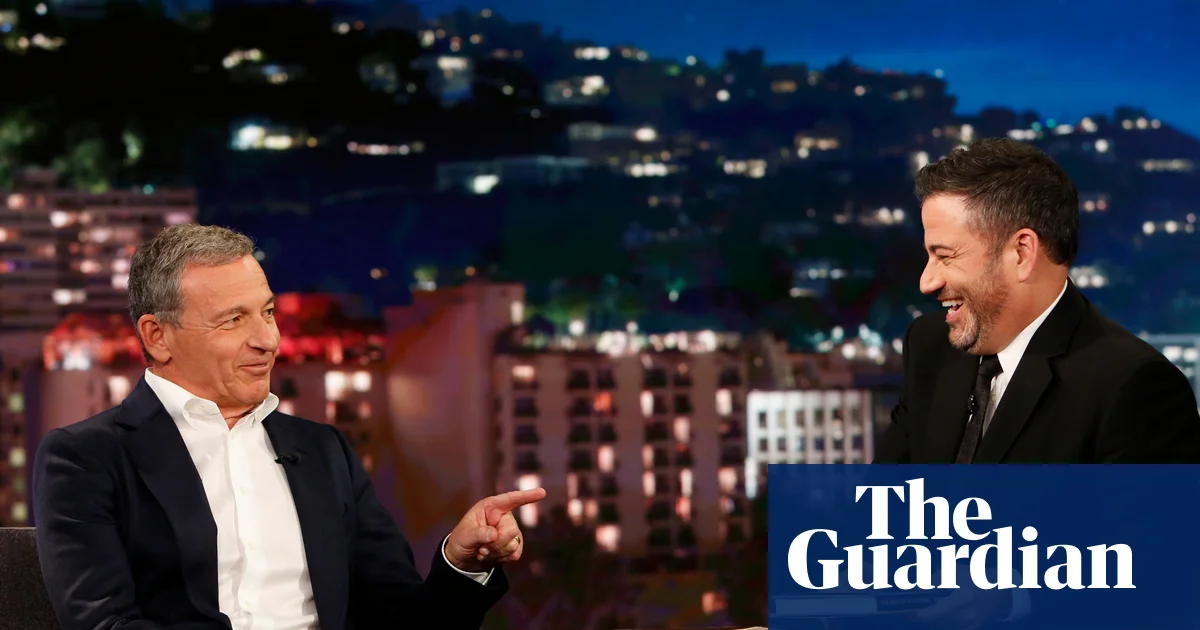
Major US media companies, including Disney, CBS, and NBC, are facing pressure from the Trump administration and FCC threats, leading to the suspension of shows like Jimmy Kimmel's, raising concerns about censorship and the influence of political pressure on free speech and media independence.
Seth Meyers criticized the suspension of Jimmy Kimmel's show following FCC threats linked to comments about Charlie Kirk, framing it as an attack on free speech and expressing support for Kimmel. Meyers also sarcastically praised Trump and warned that other late-night hosts might be next if political pressures continue. The controversy highlights ongoing tensions between media freedom and political influence.
The article outlines recent contentious media moments involving President Trump, including ABC's suspension of Jimmy Kimmel's show after critical remarks, legal settlements with ABC and CBS, Trump's removal of the AP from the White House press pool, and multiple lawsuits Trump filed against media outlets like The Wall Street Journal and The New York Times, highlighting ongoing tensions between Trump and the media during his presidency.
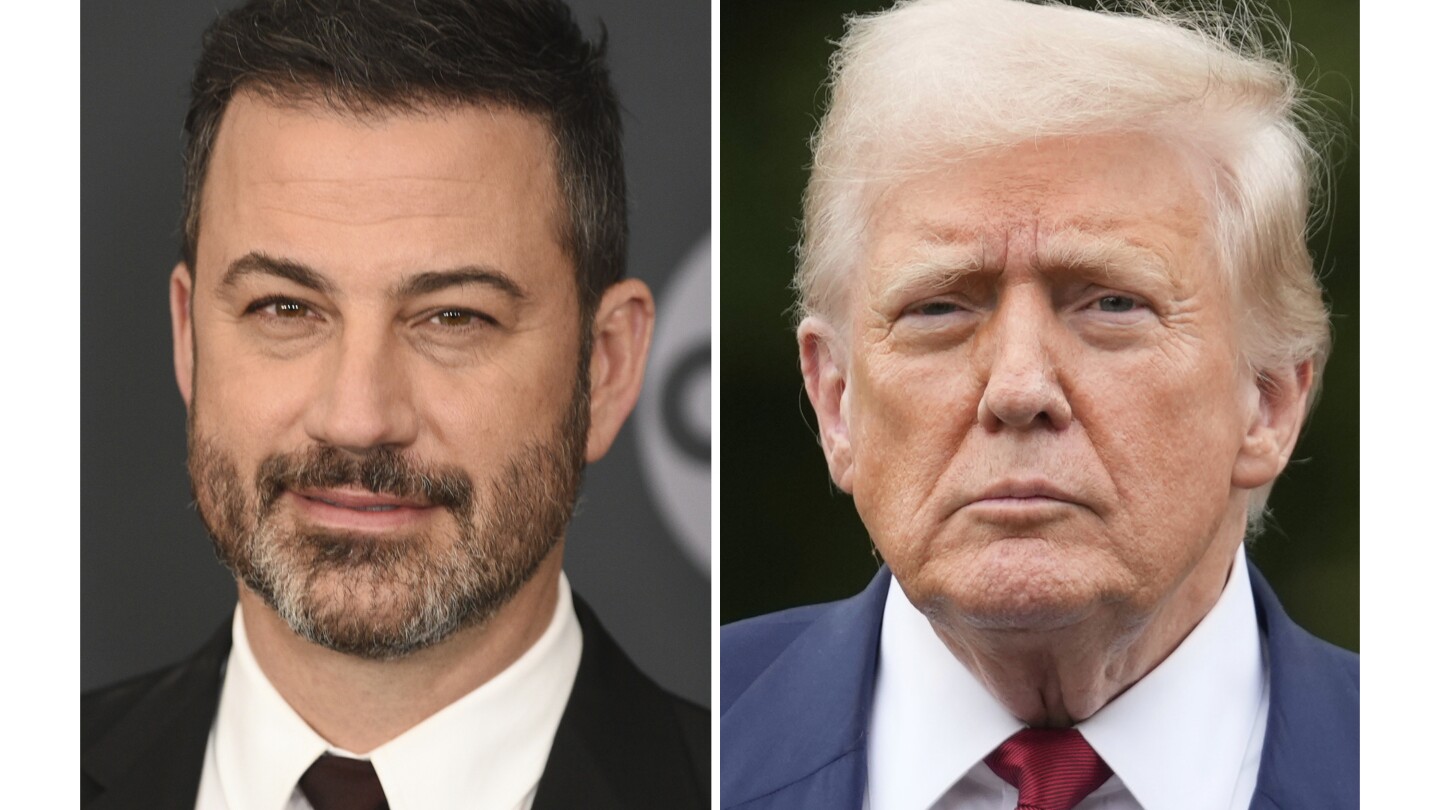
The article discusses how the Trump administration's recent actions, including ABC's suspension of Jimmy Kimmel's show under pressure, reflect a broader crackdown on mainstream media and commentary, contradicting its earlier stance on free speech and censorship.
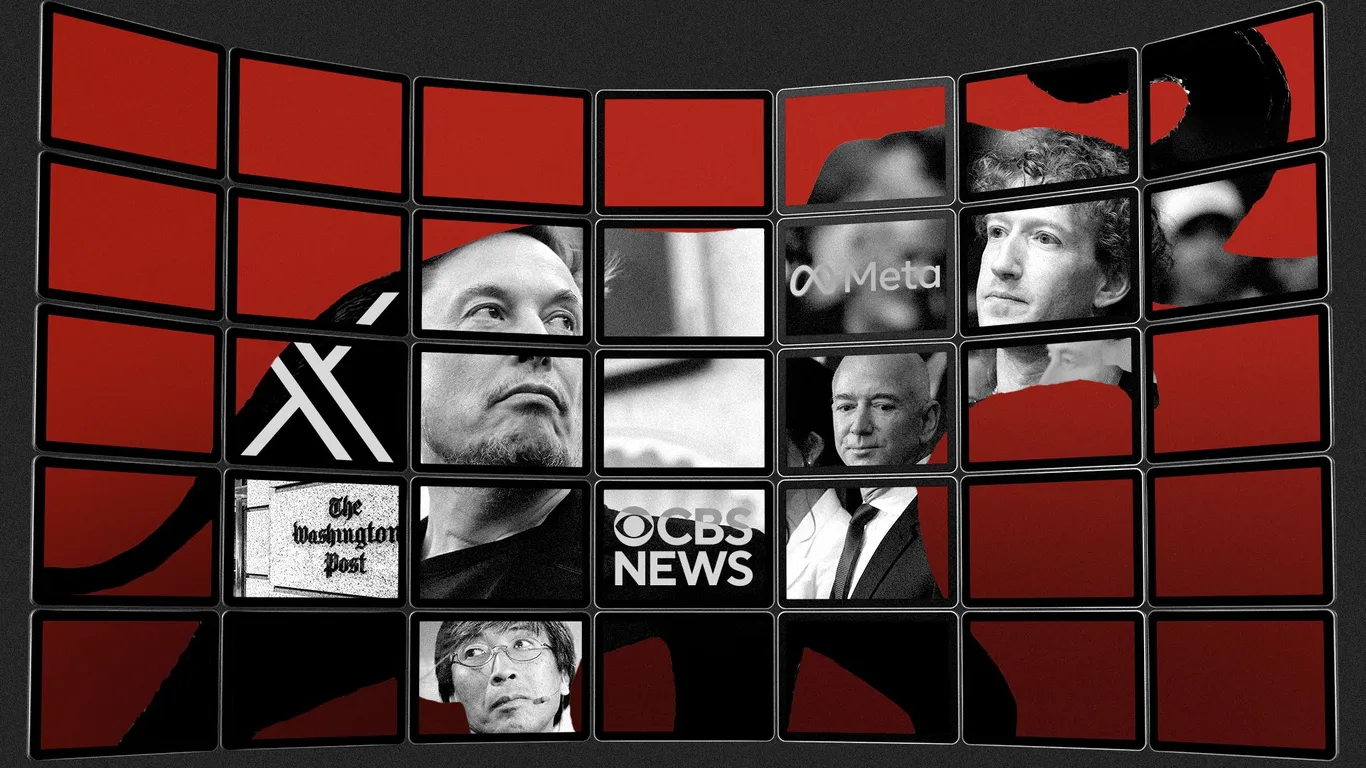
The U.S. media landscape is undergoing a significant conservative shift, with Trump-friendly billionaires acquiring and rebranding major platforms, influencing coverage and political discourse, while traditional outlets face regulatory and financial pressures, all amid ongoing legal battles and industry realignments.