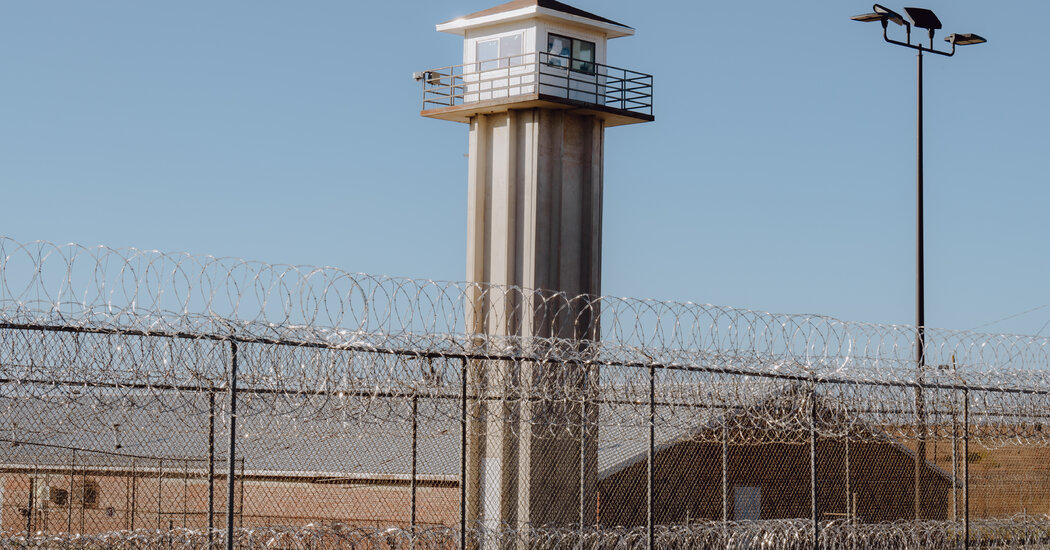
A report from an anti-death-penalty group revealed that lethal injections of Black prisoners in the United States are botched more than twice as often as those of white prisoners. The study adds to existing research on racial disparities in the criminal justice system and highlights the higher likelihood of botched executions for Black people on death row. The findings underscore systemic racism in the capital punishment system, from arrest to execution.
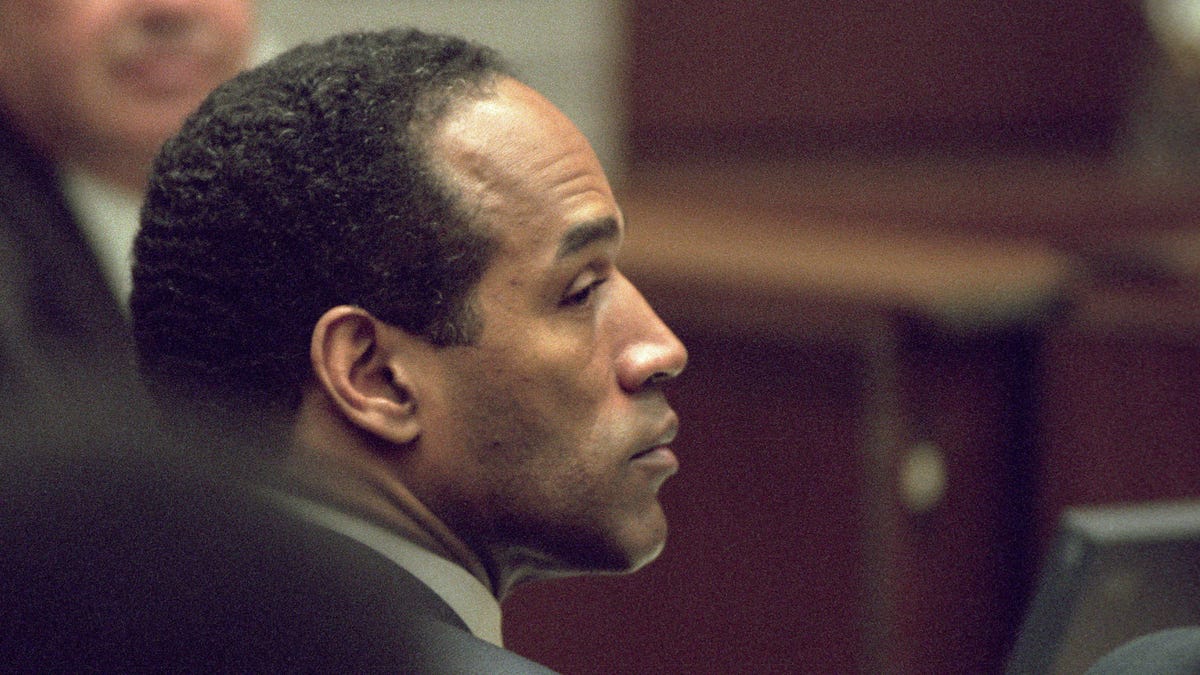
The O.J. Simpson trial, which exposed America's deep racial divides, still resonates nearly three decades later. While some progress has been made in narrowing the gap between how the justice system treats Black and white Americans, the trial's complicated legacy continues to influence public perceptions. The case highlighted the complexities of race, celebrity, and the criminal justice system, and sparked conversations about racial stereotypes and inequality. Despite some shifts in public discourse, the country is still grappling with the power of racial stereotypes and the expectation for Black people to be in lockstep about their opinions.
Attorney Mark Geragos believes the media got the Menendez brothers' case wrong, arguing that they should have been convicted of manslaughter rather than first-degree murder due to alleged abuse. New evidence, including a letter and affidavit, supports the brothers' claims of abuse by their father. Their post-conviction attorneys have filed a petition to vacate their convictions, and the Los Angeles County District Attorney has until April 11 to respond. The Fox Nation special "Menendez Brothers: Victims or Villains" re-examines the case and its impact on the criminal justice system and media influence.
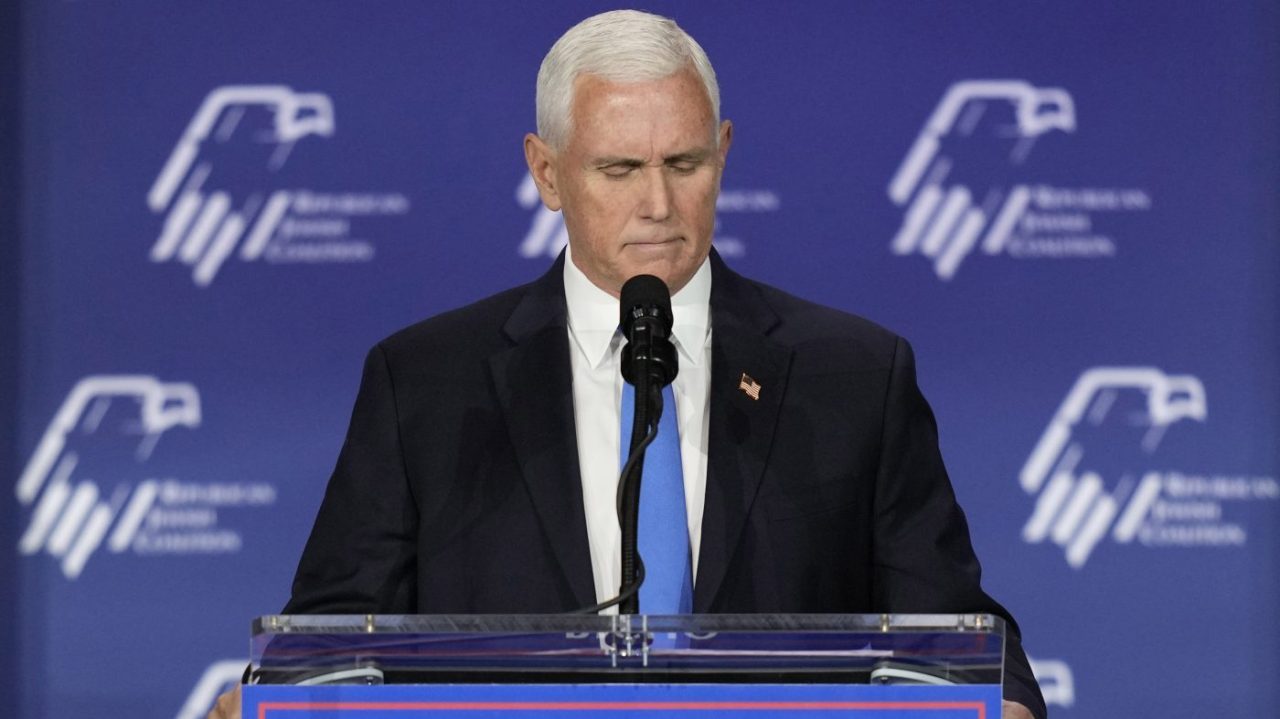
Former Vice President Mike Pence criticized former President Trump's characterization of Jan. 6 defendants as "hostages," calling it "unacceptable" and emphasizing the seriousness of the events that transpired that day. Pence stated that while individuals are entitled to due process for nonviolent activities, the assaults on police officers and loss of lives were tragic. This comes after Pence announced he would not endorse Trump and Trump referred to the prisoners as "unbelievable patriots" who were treated unfairly.
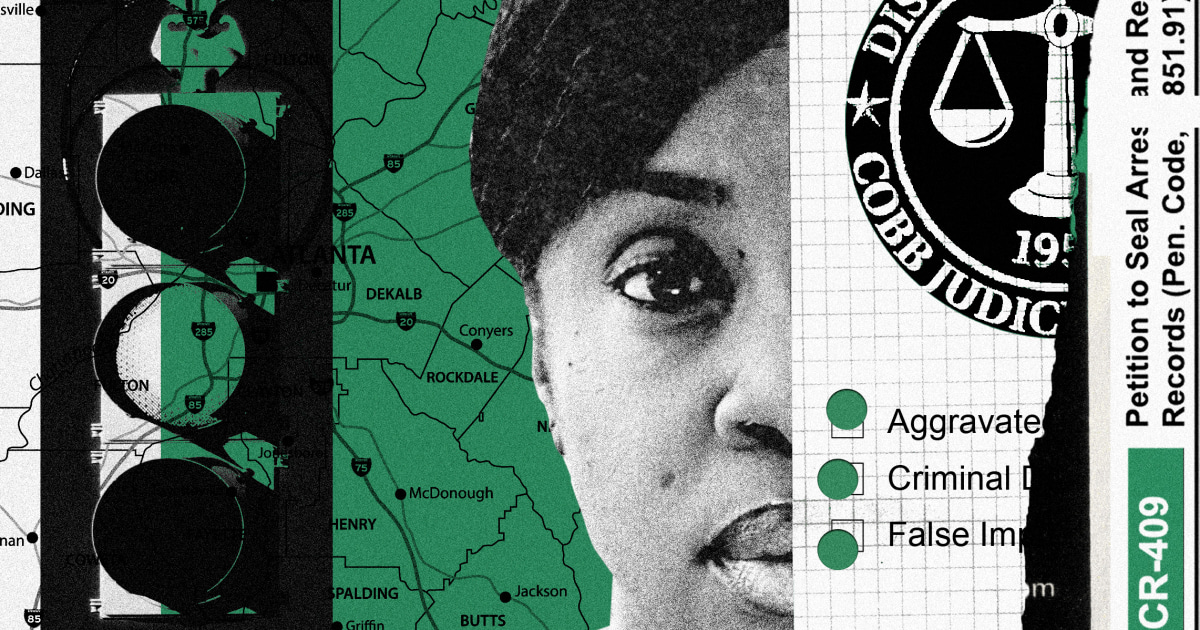
Jasmine Violenes, wrongly identified in a police lineup and charged with two felonies she did not commit, struggles to clear her record and reclaim her life after losing her home, car, and job opportunities. Despite the charges being dropped, the process of clearing her record is burdensome and expensive, affecting her ability to pursue her dream of becoming a nurse and leaving her with PTSD symptoms. The ordeal has also strained her relationships and financial situation, highlighting the challenges faced by individuals wrongly charged with crimes and the difficulties in clearing their names from public records and the internet.
Gypsy Rose Blanchard, who served time for her role in her abusive mother's murder, defends embracing viral internet fame and sharing details of her intimate life with her new husband in a 20/20 interview. Her mother had Munchausen syndrome by proxy and subjected her to unnecessary medical procedures and abuse. Blanchard's release from prison and subsequent social media presence have garnered attention, with her posts and comments drawing both support and criticism.
The winter session of Parliament ended a day ahead of schedule after six major bills were approved, including three bills to overhaul India's criminal justice system. The session was marked by a security breach and a record number of MP suspensions, with a total of 146 members suspended. The Lok Sabha also passed a bill allowing the government to temporarily take over telecom services for national security reasons.
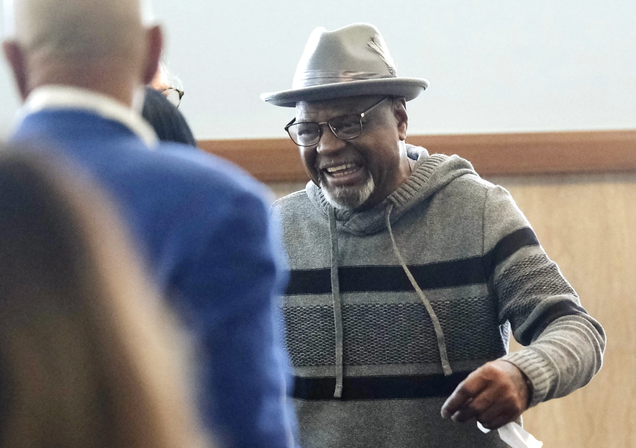
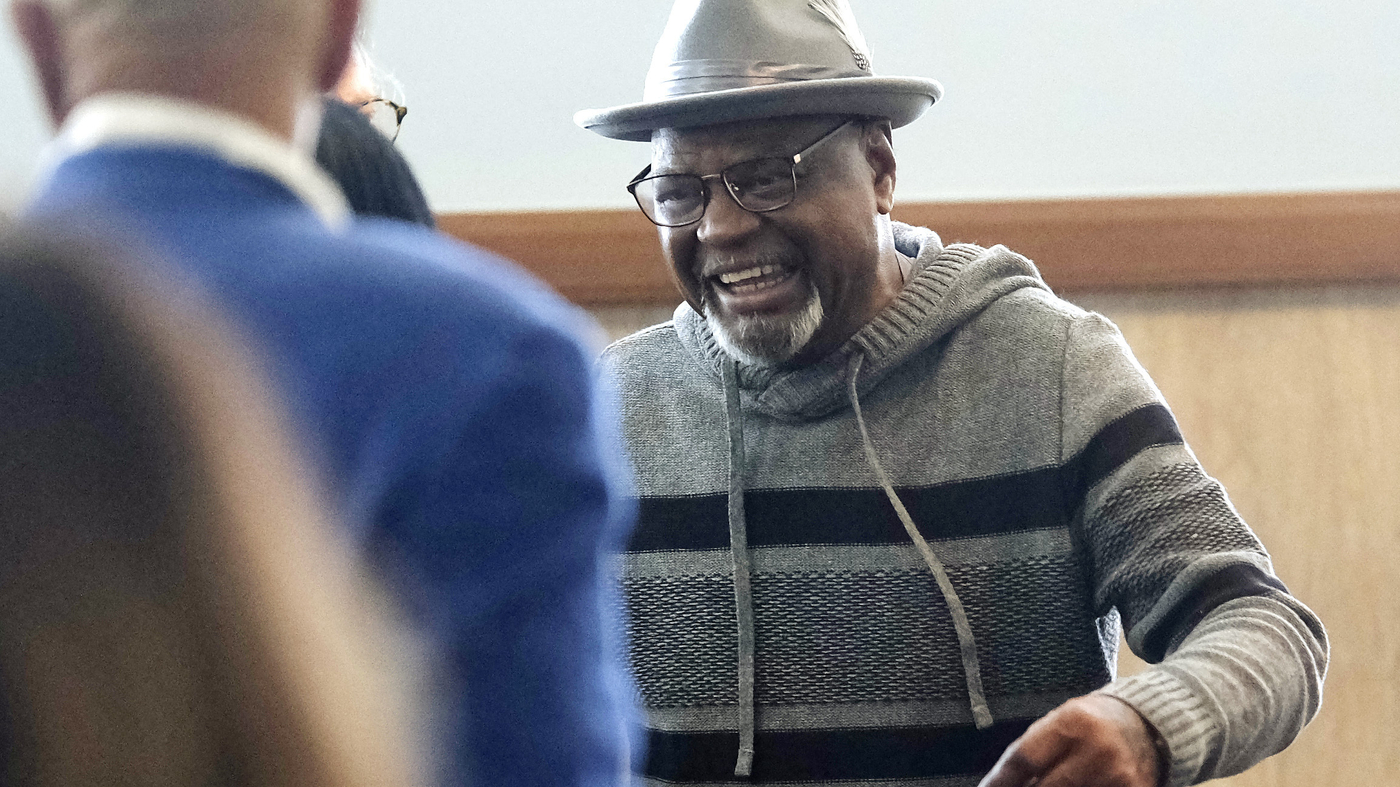
Glynn Simmons, an innocent Black man, spent 50 years in prison for a murder he did not commit. He is now eligible for up to $175,000 in compensation from the state for his wrongful conviction, but a bill in Oklahoma aims to limit compensation to $50,000 for every year spent in prison. Simmons, who is currently battling cancer, is relying on GoFundMe donations to cover his living expenses and medical treatments. He plans to use his remaining time to advocate for reforming the criminal justice system and preventing others from experiencing the same injustice.
Glynn Simmons, an Oklahoma man who was convicted of murder in 1975, has been exonerated after spending over 48 years in prison. Judge Amy Palumbo of Oklahoma County District Court declared Simmons innocent, stating that the crime he was imprisoned for was not committed by him. Important evidence in Simmons's case had not been disclosed to his defense lawyers. Simmons, who spent more time behind bars than any other person cleared of charges, may be eligible for compensation and has the opportunity to file a federal lawsuit.
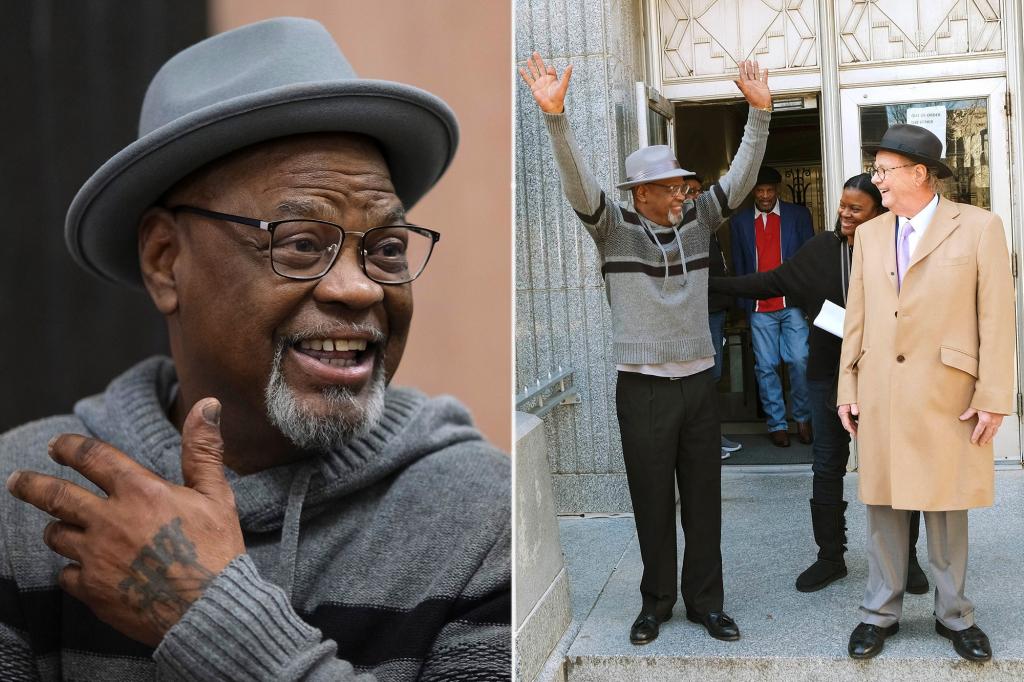
Glynn Simmons, a 71-year-old man from Oklahoma, has been exonerated after spending nearly 50 years in prison for a murder he did not commit. He was released in July after it was discovered that key evidence in his case was withheld from his defense lawyers. Oklahoma County District Judge Amy Palumbo officially declared him innocent, making him the longest imprisoned inmate to be exonerated in US history. Simmons plans to seek compensation for his wrongful conviction but is currently relying on donations to sustain himself.
An Oklahoma judge has ruled that Glynn Simmons, who spent 48 years in prison for murder, is innocent. Simmons, who was released in July after key evidence was not disclosed to his defense lawyers, is the longest-serving inmate to be declared innocent. The ruling makes him eligible for compensation from the state and opens the door for a federal lawsuit against Oklahoma City and law enforcement involved in his arrest and conviction. Simmons, who is currently battling cancer, is living off donations while awaiting potential compensation.
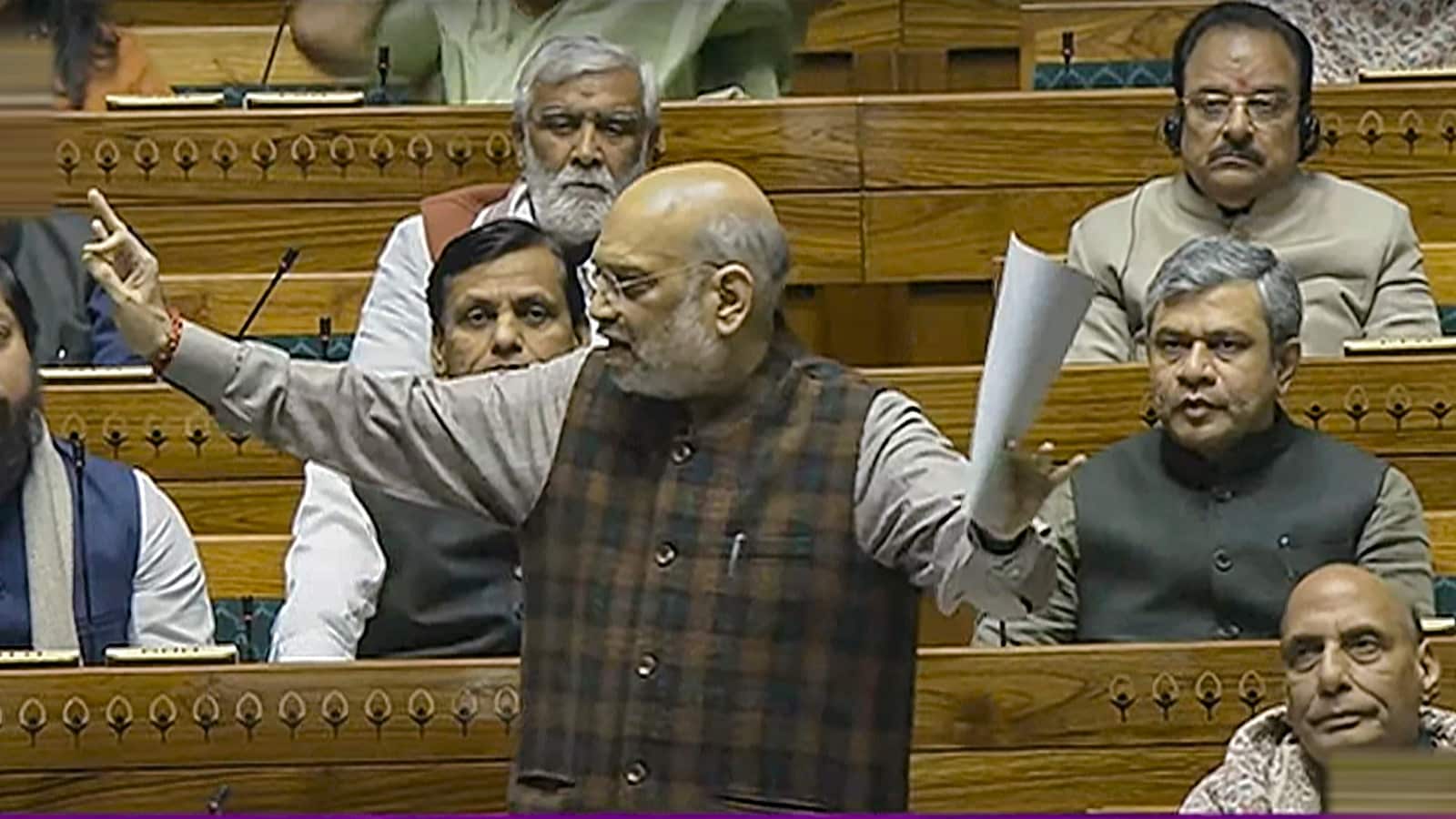
The Lok Sabha has passed three bills aimed at reforming India's criminal justice system, replacing the colonial-era Indian Penal Code, Criminal Procedure Code, and Evidence Act. Union Home Minister Amit Shah explained that the new laws prioritize crimes affecting the human body, national security, and electoral offenses. The bills also redefine terrorism and turn sedition into treason, focusing on activities against the integrity, sovereignty, and unity of the nation. The proposed laws include provisions for trial in absentia, increased accountability for police, and stricter punishments for crimes against women and minors. Shah stated that the bills were shaped by considering suggestions from various stakeholders, and the changes aim to modernize and strengthen the country's criminal laws.
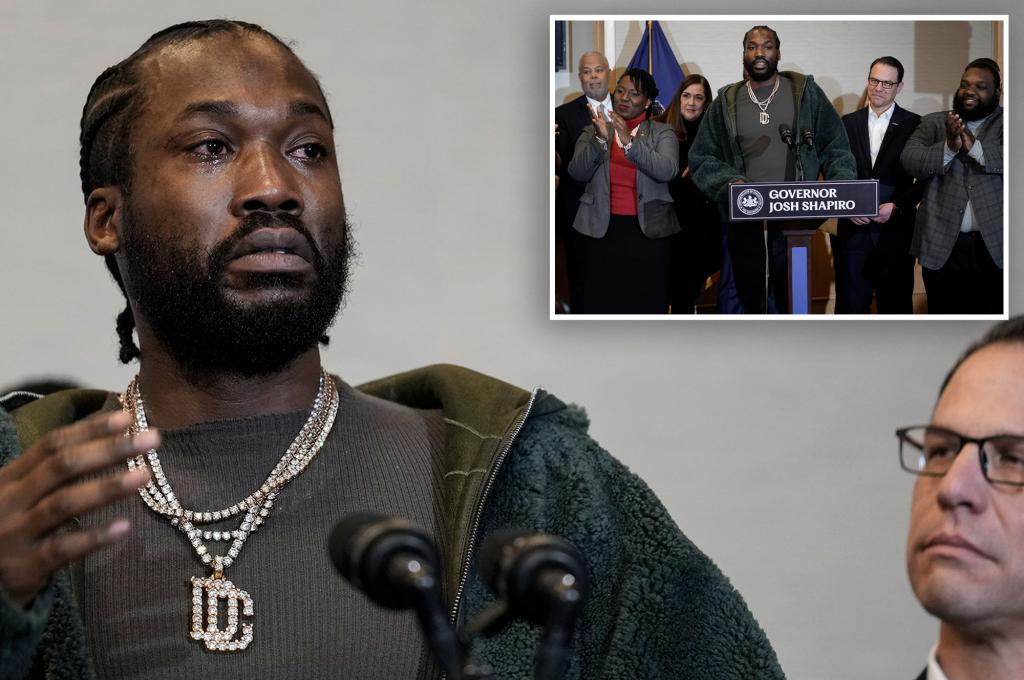
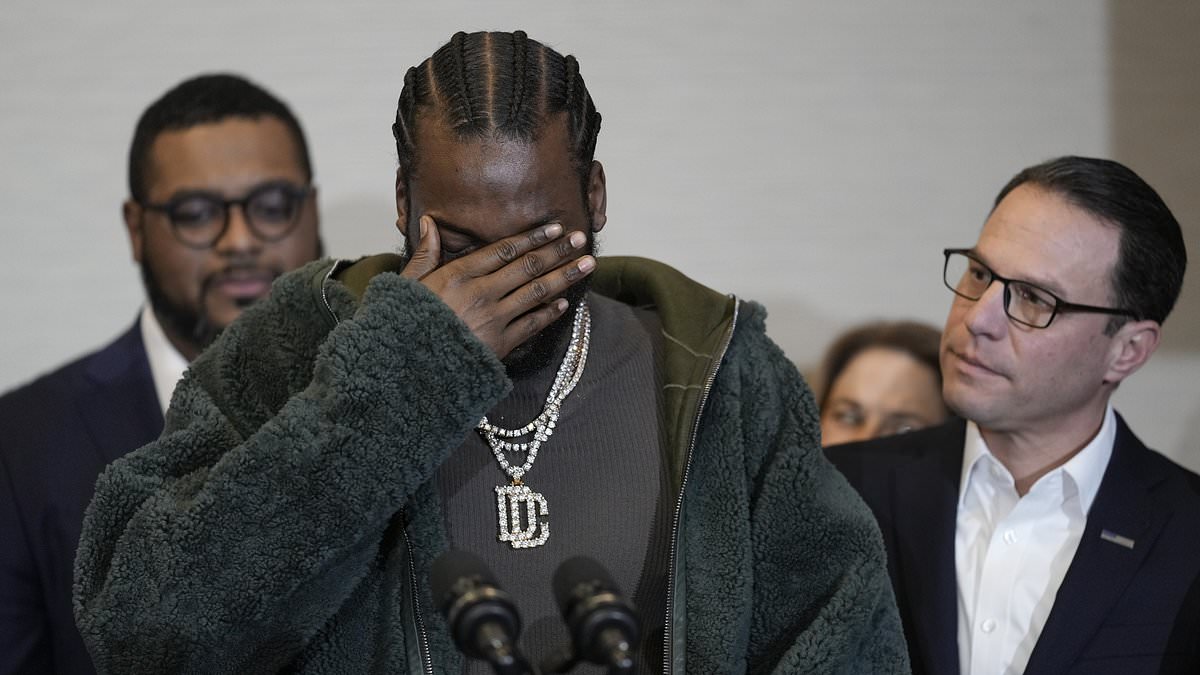
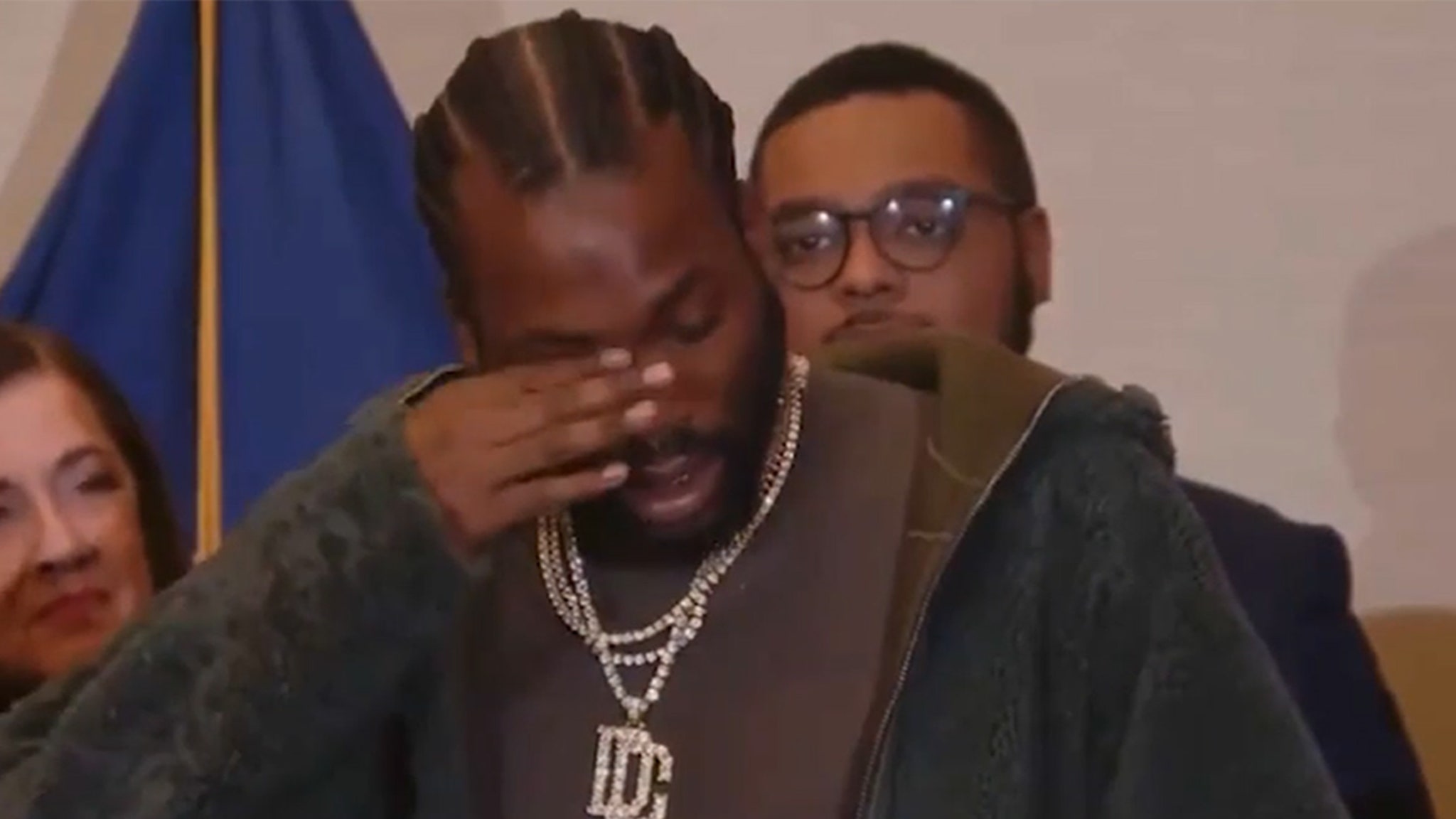
Rapper Meek Mill became emotional while speaking at a probation reform bill signing ceremony in Pennsylvania, expressing his struggles with the criminal justice system and the impact of probation on his life. The new law, signed by Gov. Josh Shapiro, aims to limit probation lengths, seal more criminal records, require probation reviews, and create incentives for ex-convicts. Mill, who played a key role in advocating for the reforms, shared his personal experiences of being repeatedly sent back to jail for minor technical violations while on probation. Despite the reforms, concerns remain about judges still having the ability to impose probation after incarceration and the lack of an automatic or efficient way to end probation early.
Rapper Meek Mill became emotional while discussing his personal experience on probation at the signing of a new probation reform bill in Pennsylvania. The bill aims to prevent minor technical violations from sending individuals on probation back to jail. Mill, who spent years on probation, shared how he risked going back to jail for technical violations such as taking his son to school across state lines. The legislation instructs judges to have a presumption against confinement for minor technical violations and emphasizes second chances. Mill's emotional speech highlighted the need for reform in the criminal justice system and his own journey to overcome the label of being a felon.
Rapper Meek Mill broke down in tears while speaking at the signing of a probation reform bill in Philadelphia, recalling his own experiences with the legal system. The bill aims to reduce the likelihood of people on probation being sent back to jail for minor offenses. Meek Mill, who has faced his own legal battles and was famously placed on probation for a 2008 gun case, expressed the importance of fighting for acceptance and the challenges faced by those from disadvantaged backgrounds.